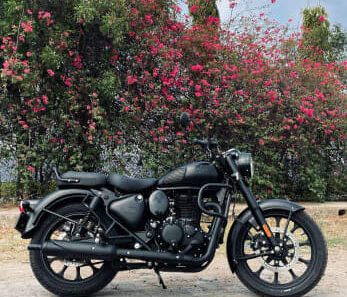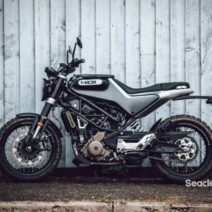


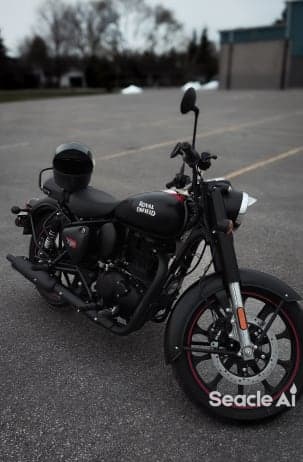

Introduction: A clear take on the Royal Enfield Classic 350
Royal Enfield Classic 350 wears its history openly: a modern 350cc single built to look and feel like a classic motorcycle. If you want a relaxed, characterful ride that prioritizes low- to mid-speed comfort and presence over outright performance, the Classic 350 is worth considering. Below I lay out confirmed specifications, practical features, who the bike suits, one clear limitation, and a side-by-side comparison with the Honda H’ness CB350 so you can decide with confidence.
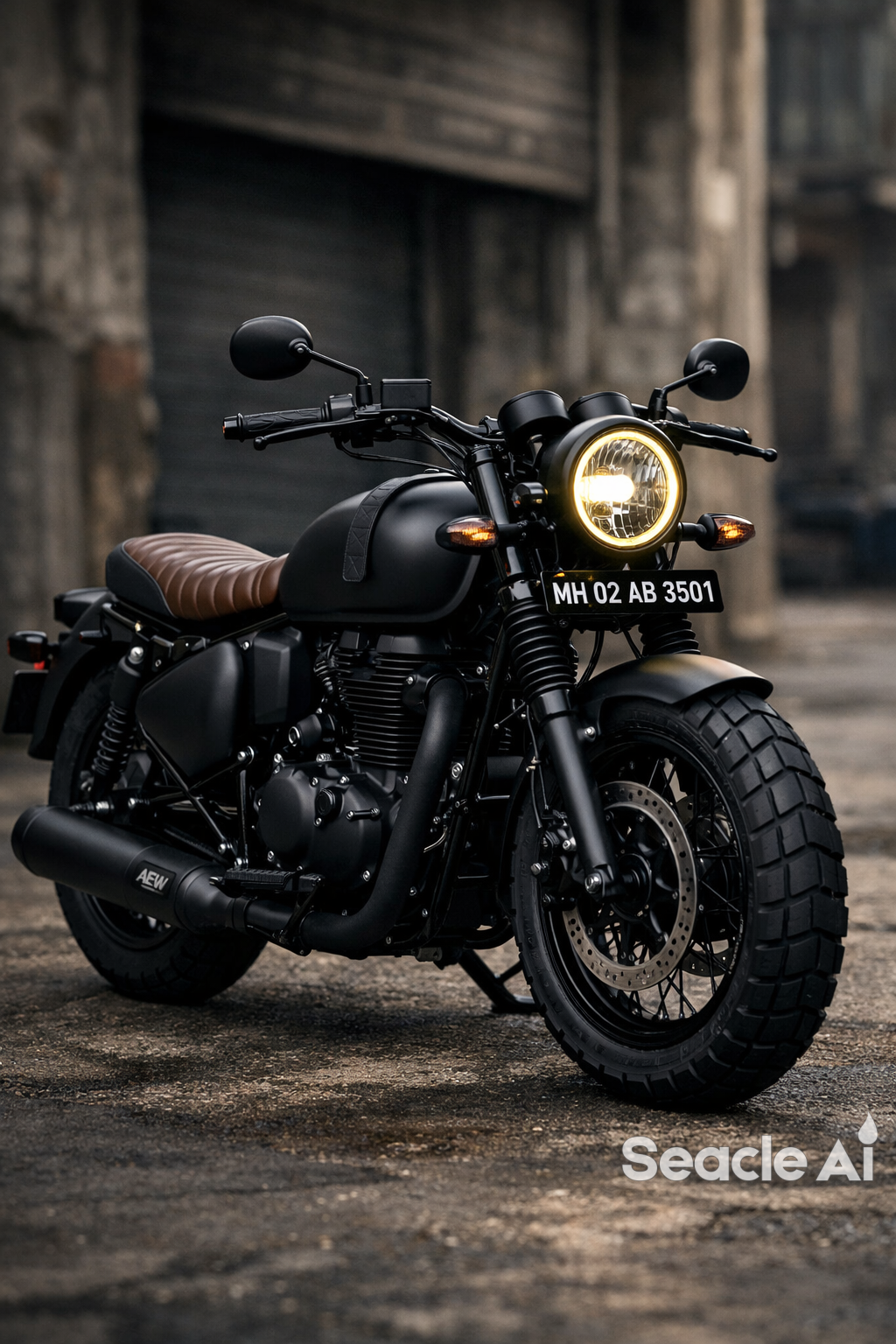
What type of vehicle is the Royal Enfield Classic 350 and who is it for?
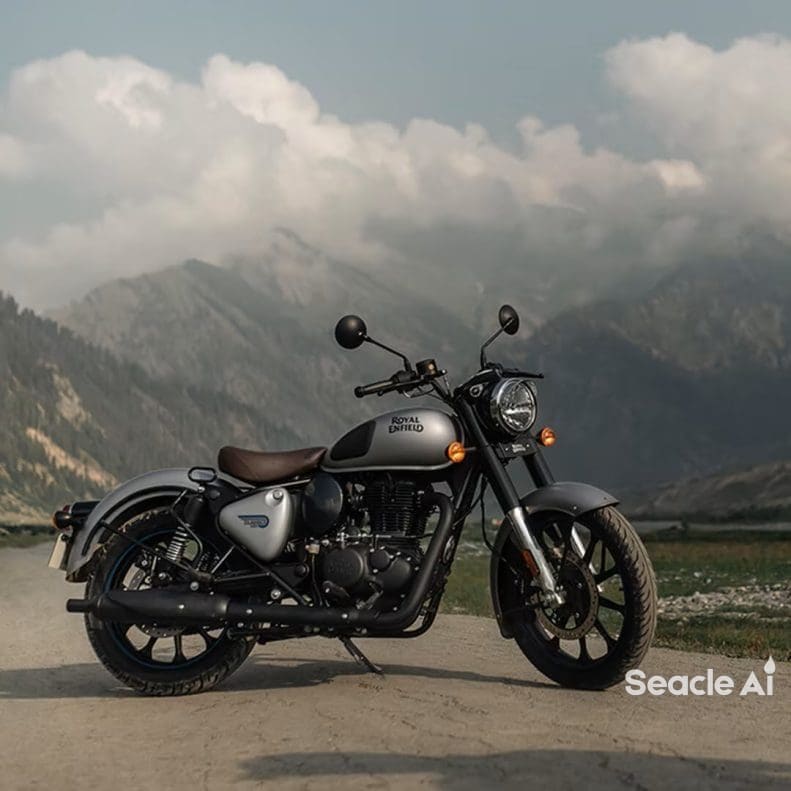
The Royal Enfield Classic 350 is a retro-styled standard/roadster motorcycle built around a single-cylinder, air/oil-cooled 350cc engine. It targets riders who value relaxed, everyday riding with a strong visual identity: think café strolls, city commutes with character, and short to medium distance weekend rides. The Classic is not aimed at riders seeking sports-bike performance or serious off-road capability.
Ideal user profile:
- Riders who prefer a laid-back seating position and classic styling.
- Commuters or weekend riders who value torque at low revs rather than peak power.
- Owners who appreciate simple mechanical design and easy-to-service platforms.
One clear limitation
Not ideal for long, high-speed highway touring or aggressive performance riding. The Classic 350’s engine and chassis are tuned for relaxed riding; sustained high-speed runs (120+ km/h) will expose wind fatigue, fuel range limits, and a suspension setup that is tuned more for comfort than high-speed stability. If you plan regular long-distance, high-speed touring or want sporty acceleration, the Classic 350 is not the best fit.
Confirmed specifications (clear, simple language)
Below are the key confirmed specifications for the Royal Enfield Classic 350. These reflect the production model as sold in recent years and are the baseline most buyers encounter.
- Engine: 349 cc, single-cylinder, four-stroke, air/oil-cooled, SOHC.
- Power: Approximately 20.2 PS (about 20 bhp) at around 6,100 rpm.
- Torque: Around 27 Nm at approximately 4,000 rpm.
- Top speed: Practical top speed in the range of 110–120 km/h depending on conditions.
- Mileage: Real-world figures typically 35–40 km/l on mixed riding; city figures can be lower, highway higher.
- Transmission: 5-speed manual gearbox with slipper/assist clutch not standard on all variants.
- Kerb weight: Roughly 195–198 kg (varies slightly by variant and market).
- Seat height: Around 805 mm (31.7 inches).
- Fuel tank capacity: 13.5 litres (usable range roughly 350–500 km depending on riding and conditions).
- Wheels and tyres: 19-inch front and 18-inch rear wheels—traditional sizing for road-focused retro bikes.
- Brakes: Front disc (typically ~300 mm), rear disc (around ~270 mm) and front-channel ABS as standard on many markets; check your local variant for exact ABS configuration.
- Suspension: Telescopic front forks and twin rear shock absorbers with preload adjustability.
Minimum height required to ride the Royal Enfield Classic 350
The seat height of about 805 mm means most riders comfortable on this bike will be at least 160 cm (5’3″) tall. Riders shorter than this can still manage the Classic 350 with care (tiptoeing at lights or practicing foot placement), but for confident handling—especially at low speeds—a rider height of 160 cm or taller is recommended. Leg length, inseam, and confidence with a 195–198 kg bike matter more than raw height alone.
Safety, comfort, and technology features
Safety
- ABS: Front-channel ABS is standard on many Classic 350 models in major markets. This reduces wheel lock under hard braking on the front wheel. Confirm whether your market’s variant has single-channel or dual-channel ABS (some variants retain single-channel for period-correct feel).
- Disc brakes: Disc brakes front and rear give predictable stopping power; paired with ABS they handle typical urban and light highway braking needs well.
- Visibility: Classic-style round headlamp with halogen or LED options depending on variant and market; some models may include a daytime running light or improved LED setup.
Comfort
- Seating: A broad, relatively low seat with classic styling; good for two-up riding on short to medium distances.
- Suspension tuning: Tuned for comfort rather than sporty feedback—absorbs city bumps nicely, but can feel soft under heavy loads or spirited cornering.
- Ergonomics: Upright riding position with forward-mounted controls; easy on the wrists for daily rides.
Technology
- Instrument cluster: Classic analog speedo with a small digital readout for trip/time/fuel—keeps the retro look while giving essential information.
- Connectivity: Bluetooth navigation features are not standard across all Classic 350 trims. Some markets or special editions may offer a basic navigation puck or accessory options; confirm with dealer for fitted tech.
- Engine management: Modern ECU tuning for fuel delivery and emissions compliance; rider aids are minimal by design.
Realistic drawbacks and practical trade-offs
No bike is perfect. For the Classic 350, be aware of these practical limitations:
- Weight: At nearly 200 kg kerb, low-speed manoeuvring and mounting/dismounting require care—especially for shorter or less-experienced riders.
- High-speed comfort: Wind protection is limited without a windshield; sustained high-speed highway riding is tiring.
- Fuel tank and range: With a 13.5 litre tank, you get decent urban range but longer touring stops will be required compared with larger tanks.
- Maintenance: Regular valve checks and conventional maintenance intervals are part of owning a Classic 350; service costs are reasonable but not negligible compared to smaller commuter bikes.
- Limited rider aids: Minimal electronics and rider assists keep the ride simple but mean you won’t get traction control or multiple riding modes.
Confirmed vs expected or rumored changes (2025–2026)
Confirmed: The core J-platform 349cc engine, seat height, 5-speed gearbox, and classic styling remain the confirmed foundation of the Classic 350 range in recent production cycles.
Expected/Rumored (as per reports and market chatter for 2025–2026):
- Some reports suggest modest updates to electronic features—optional Bluetooth navigation packs or small instrument cluster upgrades for select markets.
- There are rumors of minor suspension tweaks or a comfort-focused variant aimed at improving long-distance stability.
- Occasional limited editions or cosmetic updates (new colorways, badging) are likely; manufacturers often refresh palettes year to year.
Note: These expected items are reported and not final; specifications may change at the manufacturer’s discretion. Always check with an authorized dealer for the latest confirmed specs in 2025–2026.
Practical use cases: Where the Classic 350 excels and where it does not
- Excels: Urban commuting with style, short to medium weekend rides, riders who want a relaxed low-rev torque feel, owners who prefer simple mechanical systems.
- Does not excel: Fast, sustained highway touring, demanding off-road trails, or riders seeking sharp cornering performance and brace-yourself acceleration.
Comparison: Royal Enfield Classic 350 vs Honda H’ness CB350
The comparison below focuses on aspects that matter when deciding between the Classic 350 and a common alternative in the same space. The aim is clarity: how the Classic stacks up in practical terms.
| Aspect | Royal Enfield Classic 350 | Honda H’ness CB350 (comparison) |
|---|---|---|
| Engine & overall performance | 349 cc single, tuned for low-end torque and relaxed cruising. Power ~20.2 PS; emphasis on character rather than peak revving performance. | 348 cc single, tuned slightly differently with a smoother top-end and slightly different tuning focus; generally more refined at higher revs. |
| Torque, top speed, mileage | Torque ~27 Nm, practical top speed 110–120 km/h, real-world mileage 35–40 km/l. | Torque typically a bit higher on paper (reports around 30 Nm on the H’ness), top speed in a similar band, mileage roughly 30–35 km/l depending on riding. |
| Key features | Classic analog styling, basic digital trip readout, front-channel ABS on many variants, comfortable low seating, twin shocks. | More contemporary refinement in fit-and-finish and sometimes more electronic features on certain trims; generally designed to blend classic look with modern touches. |
| Price range (approx) | Approximate ex-showroom ranges in 2025–2026 markets: INR 1.80–2.10 lakh (varies by variant and market). Check local dealer for current pricing. | Comparable or slightly higher in some markets; often INR 1.90–2.30 lakh ex-showroom depending on trim and taxes. |
| Which user should choose which | Choose the Classic 350 if you want raw character, a heavier, traditional-feeling bike, and a focus on low-speed torque and presence. | Choose the H’ness if you want a similar classic look with slightly more refinement, higher perceived polish, and a smoother top-end for longer trips. |
| Tank capacity | 13.5 litres (confirmed). | Generally larger around 15 litres on many trims (check model variant). |
| Braking systems & safety | Front disc and rear disc with front-channel ABS standard on many models. No widespread traction control or multi-mode ABS. | Disc brakes with dual-channel ABS on many trims and a slightly different safety feature mix depending on market. |
Short take on the table
The Classic 350 leans into a character-driven, simple ownership experience. The H’ness tends toward refinement and slightly more modern execution. Both serve the retro-350 buyer well, but the Classic chooses character and presence over marginal performance or extra tech.
Maintenance, ownership costs, and resale
Maintenance on the Royal Enfield Classic 350 is straightforward: periodic oil and filter changes, valve checks, chain care, and regular inspections. Parts availability is good in markets with strong Royal Enfield presence. Ownership costs are generally moderate for a mid-size retro motorcycle, but expect occasional costs for upkeep of heavier, older-style components (tyre replacement, brakes, possibly suspension refresh if ridden hard).
Riding tips for new Classic 350 owners
- Practice low-speed balance with the bike’s weight before taking it into tight city traffic.
- Plan fuel stops if you are riding long distances—13.5L is adequate but not generous for touring without stops.
- Consider small ergonomic upgrades (windscreen, better seat foam) for longer rides to improve comfort.
- Check ABS configuration when buying—single- vs dual-channel ABS affects braking safety in wet or tricky conditions.
Frequently Asked Questions
Q: Is the Royal Enfield Classic 350 good for two-up riding?
A: Yes for short to medium distances. The seat and suspension are reasonable for a pillion on day rides, but heavy loads or long highway tours will expose the limits of the suspension and fuel range.
Q: How fuel-efficient is the Classic 350 in city conditions?
A: Expect city mileage in the low-to-mid 30s km per litre in many cases. Highway or steady-speed riding often improves mileage into the high 30s or low 40s depending on riding style.
Q: Can shorter riders manage the Classic 350?
A: Riders around 160 cm (5’3″) and taller will be more comfortable. Shorter riders can manage with practice and careful foot positioning, but the bike’s weight requires confidence for low-speed control.
Q: Are there major updates expected for 2025–2026?
A: Reports suggest minor tech and cosmetic updates for some markets, and occasional accessory packs. These are expected or rumored changes and should be verified with the dealer for confirmed specifications.
Conclusion: Who should buy the Royal Enfield Classic 350?
The Royal Enfield Classic 350 is for riders who want a focused, characterful motorcycle that prioritizes presence, low-end torque, and a relaxed riding style. It excels in city riding, relaxed weekend trips, and for owners who prefer a simple, mechanically honest machine.
Strengths: classic styling, comfortable ergonomics, easy-to-understand engineering, strong low-end torque.
Drawbacks and limitations: not ideal for sustained high-speed touring or aggressive sport riding; the weight and suspension trade-offs limit off-road ability and long-distance high-speed comfort. Fuel tank and mileage are reasonable but require planning for longer trips. Technology is minimal compared to more modern rivals—this is by design, not an oversight.
Final thought: If you value character and a relaxed riding experience more than outright performance or cutting-edge electronics, the Classic 350 delivers a clear, honest package. Its personality leaves a subtle imprint on every ride, like tiny ripples expanding from a steady pulse—pleasant, memorable, and unmistakably its own.