

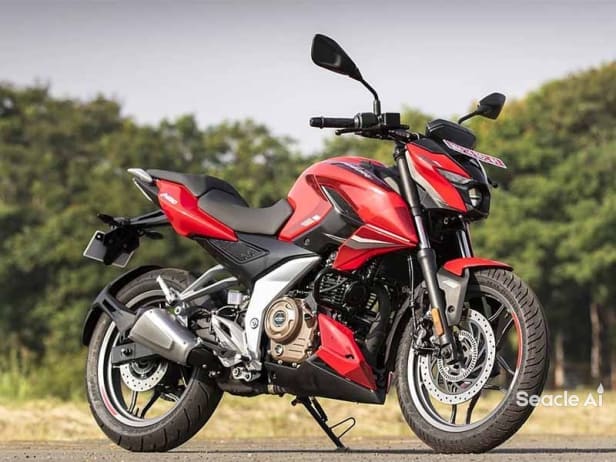

Every motorcycle is a bundle of compromises, and the way those compromises are arranged determines whether a model fits your daily needs or not. The Bajaj Pulsar N250 is a mid-capacity street bike that aims for a mix of city usability, commuter economy, and usable highway pace without asking for high-maintenance care. This review is focused on real specifications, clear limitations, and practical comparisons so you can decide if it suits your riding style.
Table of Contents
- Bajaj Pulsar N250: Quick Specs
- Confirmed Specifications
- Expected or Rumored Details
- Design, Ergonomics and Minimum Height
- Safety, Comfort and Technology
- Real-World Performance, Mileage and Limitations
- Comparison: Bajaj Pulsar N250 vs Yamaha FZ25
- Frequently Asked Questions
- Conclusion
Bajaj Pulsar N250: Quick Specs
This section lists the headline numbers you will look for first: engine, power, torque, top speed, claimed mileage, seat height, transmission, and fuel tank. Below I separate what is released by the maker from expected or dealer-level details that may vary by year and market.
Confirmed Specifications
- Engine type: Single-cylinder, 4-stroke, oil-cooled (DTS-i), SOHC
- Displacement: 249 cc class (officially quoted around 249 cc)
- Transmission: 5-speed manual gearbox
- Seat height: Approximately 795 mm (kerb-to-seat nominal value)
- Fuel tank: Roughly 14 litres
- Curb/kerb weight: Around 162 kg (varies slightly by model year and fitment)
Expected or Rumored Details
Manufacturers sometimes update valve timing, exhaust tuning, or electronic maps across model years. As per latest 2025/2026 product notes and trusted dealer sheets, these items are described as expected rather than absolute:
- Power: Claimed peak power in the mid-20 PS range (commonly quoted close to 24 PS in recent official material).
- Torque: Claimed torque figures around 21 to 21.5 Nm at mid rpm range.
- Top speed: Real-world maximum speed usually lands between 125 and 145 km/h depending on wind, rider weight, and slope.
- Mileage: Manufacturer-claimed economy figures tend to be in the high 30s to low 40s km/l under ideal test conditions; real-world riding typically averages 30–36 km/l for mixed city and highway use.
Design, Ergonomics and Minimum Height
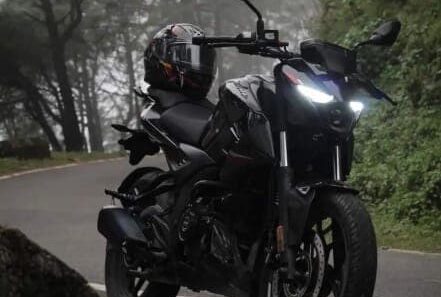
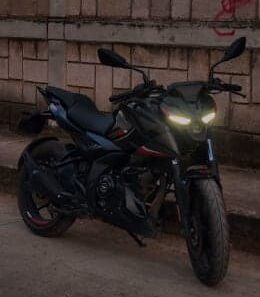
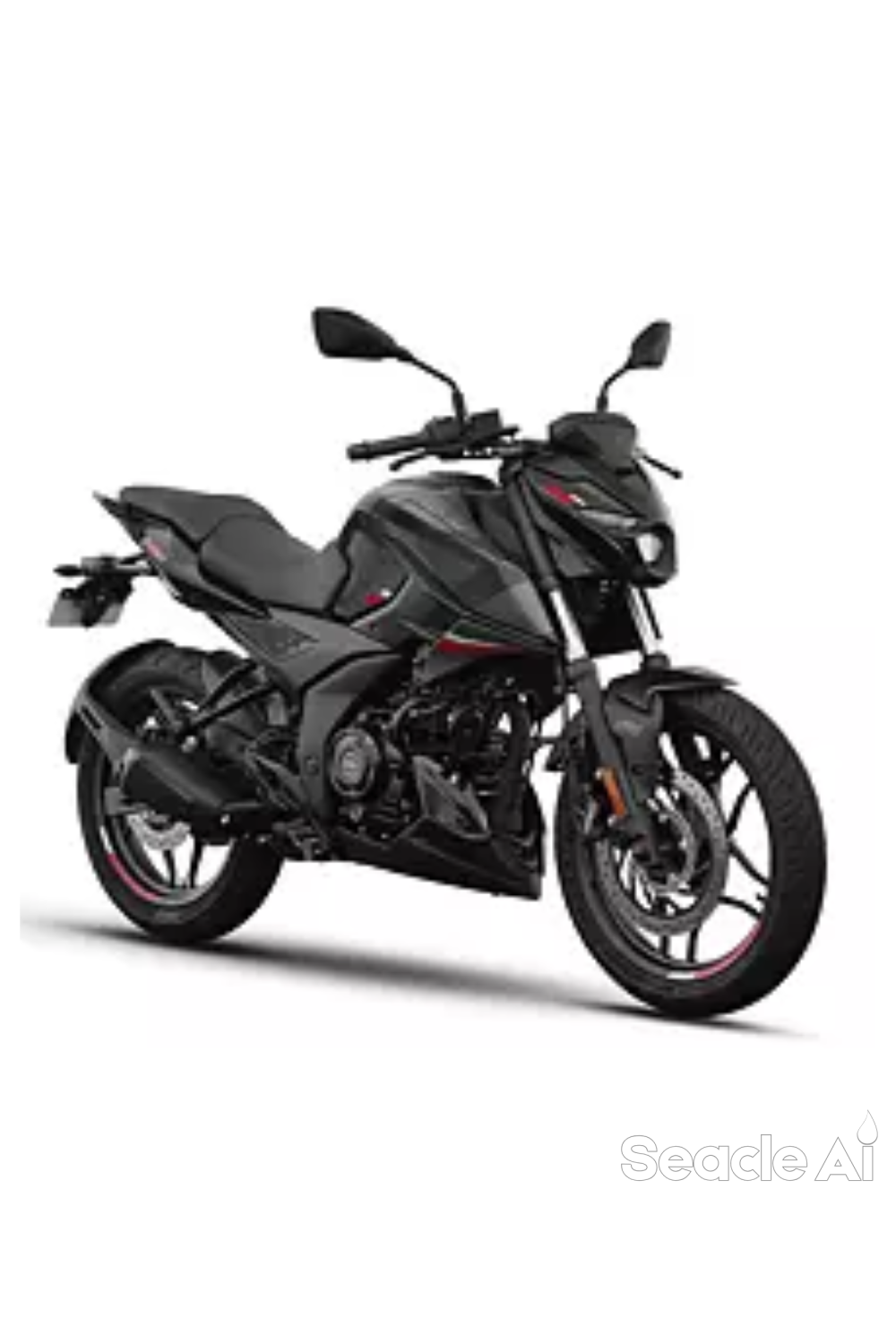
The bike is built as a street naked roadster with a slightly forward-biased riding position. The frame and wheelbase are tuned for predictable handling in urban environments while offering enough stability for occasional highway runs.
Who the bike is for
- Riders who want a capable commuter with enough grunt for overtakes on open roads.
- Those who need a lower-cost mid-capacity option with straightforward maintenance.
- Riders who prefer an upright stance rather than a fully sporty crouch.
Minimum height required to ride the bike
If you ask what is the minimum height to ride Bajaj Pulsar N250, a practical minimum is about 160 cm (5 ft 3 in) for someone to put at least one foot flat on the ground and feel secure at stops. Taller riders up to about 185 cm will fit comfortably, but the ergonomics favor an upright torso and medium legroom rather than a stretched sport position.
Safety, Comfort and Technology
Spec sheets can obscure how a bike feels in traffic. Below are the features that matter in everyday use.
Brakes and safety systems
- Disc brakes front and rear: The Pulsar N250 uses a sizable front disc and a competent rear disc to balance braking effort.
- ABS: Most markets receive a single-channel ABS setup as standard; some variants or later model years offer dual-channel ABS. Confirm with the dealer for your market and model year.
- Tyres: Road-biased tyres tuned for grip and reasonable life, not for off-road terrain.
Comfort items
- Padded seat with moderate cushioning designed for daily commutes.
- Slightly stepped seat for a natural rider-passenger arrangement.
- Suspension tuned for city potholes and controlled highway manners; it favors compliance over outright sport firmness.
Technology
- Digital instrument cluster with trip meters, gear position indicator, and fuel gauge in recent iterations.
- LED lighting on many trims for improved visibility and lower electrical load.
- Accessory options such as engine guards, tail bags, and optional Bluetooth connectivity in upgraded trims depending on market and year.
Real-World Performance, Mileage and Limitations
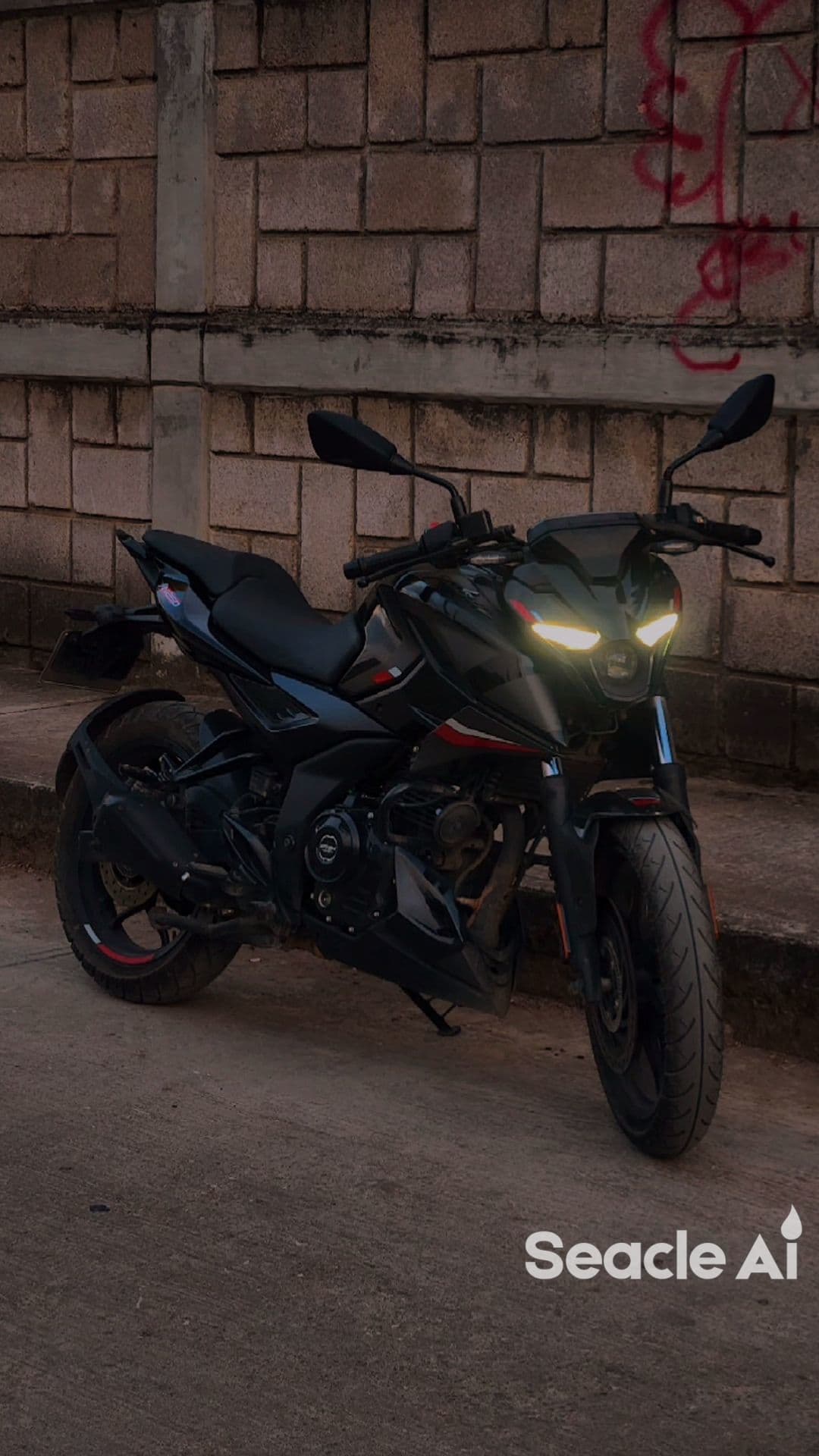
Think of the bike’s balance like building a small coastal structure out of sand: the foundation, moisture, and shaping determine how well it resists wind and waves. The Pulsar N250 assembles its strengths the same way: a solid frame, tuned suspension, and an engine with moderate torque form the base; aerodynamics and rider weight are the moisture and shaping that decide final performance.
Engine, power and torque
The engine is a single-cylinder 249 cc-class unit tuned for usable low- and mid-range torque. Expect a peak power figure quoted in the mid-20 PS range and torque in the low 20 Nm bracket. That combination gives confident roll-on acceleration for city overtakes and reasonable cruising on fast roads.
Top speed and transmission
With a five-speed gearbox, the bike reaches sensible highway cruising speeds in the top gear. A typical top speed under normal conditions will be around 130–140 km/h, which is fine for national highways but not built for sustained high-speed runs like larger sport motorcycles.
Mileage and economy
Claimed economy tends toward the high 30s to low 40s km/l under controlled tests. In everyday mixed riding, expect somewhere between 30 and 36 km/l, depending on traffic, throttle habits and maintenance. Regular servicing and correct tyre pressures materially influence these numbers.
Important limitation
Not ideal for long-distance, heavy touring or rough off-road work. While the bike handles day-to-day commuting and weekend runs well, its suspension, fuel range, and seat comfort are not designed for multi-day heavy luggage touring or off-road trails. If you plan regular long highway trips with a pillion and luggage, consider a machine with longer travel suspension, larger tank, and touring ergonomics.
Realistic drawback
A practical trade-off on the Pulsar N250 is the suspension setup. It leans toward a compromise that keeps the ride composed in cities but can feel firm over prolonged highway corrugations or with a heavy pillion and luggage. That leads to rider fatigue on long runs unless you swap suspension parts or tune it for touring loads. Maintenance costs are generally modest, but servicing intervals and parts for the engine and chassis should be followed to avoid wear that affects performance and economy.
Comparison: Bajaj Pulsar N250 vs Yamaha FZ25
This section focuses on how the Pulsar stacks up against a close rival. The aim is to help decide based on engine characteristics, torque, speed, mileage, features, pricing, intended users, tank size, and braking systems.
| Item | Bajaj Pulsar N250 | Yamaha FZ25 |
|---|---|---|
| Engine and overall performance | Single-cylinder ~249 cc; tuned for mid-range torque and city-friendly power delivery | Single-cylinder 249 cc (Yamaha’s design); smoother high-rpm behavior, slightly different tuning emphasizing refined delivery |
| Torque, top speed, mileage | Torque around 21–21.5 Nm; top speed ~130–140 km/h; real-world mileage 30–36 km/l | Torque around 20–21 Nm; top speed similar, often feels more relaxed at cruising speeds; mileage in similar real-world band |
| Key features | Digital cluster, LED lighting on higher trims, practical ergonomics | Simple and refined instrumentation, comfortable upright ergonomics, known for reliability and plush feel |
| Price range (typical) | Positioned as a value-focused mid-capacity option; price varies by market and trim (check local 2025/2026 pricing) | Usually priced slightly higher in some markets due to brand positioning and perceived refinement |
| Which user should choose which | Buy this if you want a more aggressive street look, a value proposition, and a midrange-focused engine for urban use | Choose FZ25 if you prefer a more relaxed, refined engine feel and a softer ride for longer comfortable days in the saddle |
| Tank capacity | About 14 litres | About 14 litres (varies by model year) |
| Braking systems and safety | Front and rear discs; ABS configuration can be single or dual-channel depending on region and trim | Disc brakes; many markets offer dual-channel ABS or single-channel in lower trims |
In short, the two bikes are close in many headline numbers. The Pulsar focuses on a sharper street character and often a slightly more aggressive setup. The Yamaha typically trades a fraction of peak response for a smoother, more composed feel. Your choice should depend on ride feel and after-sales support in your city rather than headline specs alone.
Frequently Asked Questions
Is the Bajaj Pulsar N250 good for daily commuting?
Yes. The bike’s general setup favors urban traffic: predictable low-end torque, a manageable kerb weight, and adequate braking. It is built with city riders in mind but is able to handle periodic highway stretches.
How much ground clearance and seat height does the bike have?
Ground clearance is ample for urban use, and the seat height is around 795 mm. That means riders about 160 cm tall can manage at stops, while taller riders will find it comfortable.
Can I use this bike for long touring with luggage?
It is possible for short to medium tours, but the bike is not optimized for heavy touring loads. The suspension and seat will feel the compromise on long days. If long-distance carrying of heavy luggage is regular, consider a touring-oriented motorcycle.
Are the specifications in this article final?
Confirmed specifications are labeled as such. Other numbers like top speed, mileage, and some electronics packages can vary by market and year. For any upcoming or updated model years, expect changes described as expected, likely, or as per reports until manufacturers publish final specs.
Conclusion
The Bajaj Pulsar N250 is a straightforward mid-capacity street machine that aims to balance city practicality with enough highway ability for occasional fast runs. Its confirmed traits include a roughly 249 cc single-cylinder engine, a 5-speed gearbox, a seat height around 795 mm, and a fuel tank roughly 14 litres. Expected performance numbers place peak power in the mid-20 PS area and torque near 21 Nm, producing usable acceleration and comfortable urban rideability.
Strengths: practical ergonomics, accessible weight, and a cost-conscious specification list that keeps maintenance predictable. Drawbacks: suspension trade-offs for long-distance comfort and a fuel range that is adequate but not exceptional for touring. It is not ideal for sustained off-road use or heavy long-haul touring with lots of luggage.
If you imagine the bike as a small sculpted structure built of granular material, its strength depends on the foundation, the right moisture, and careful shaping. The Pulsar N250 is strong where it needs to be for daily use, but if your plan requires a different foundation—such as long touring comfort, heavy payloads, or extreme off-road capability—you should consider a different class of motorcycle.
For most urban riders who want a spirited mid-capacity machine that stays simple to own, the Pulsar will be a sensible fit. For those who spend long hours on highways with a pillion and luggage, think twice and test-ride with your typical loads to see whether the bike matches your needs.