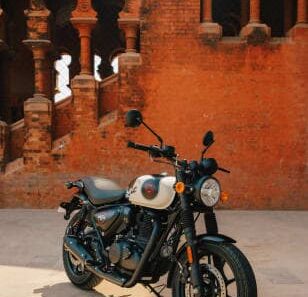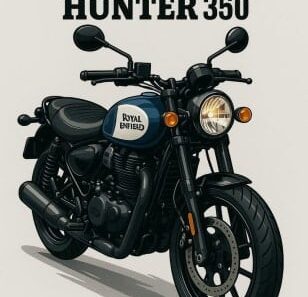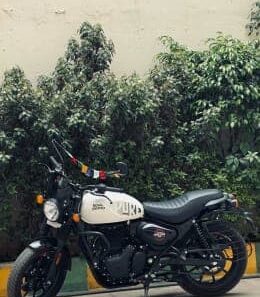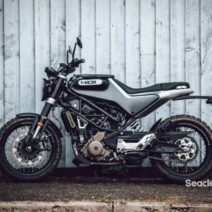


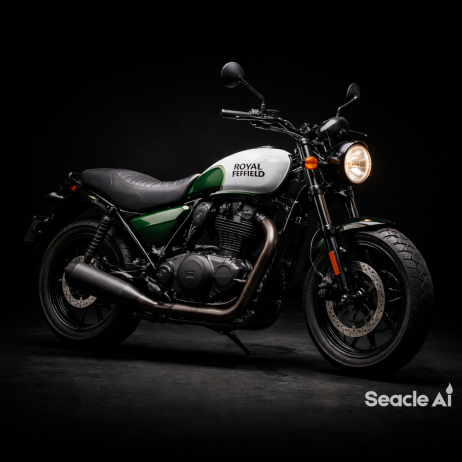

Statement: A clear, honest motorcycle that aims for everyday use can be more valuable than a technically superior model that misses the practicality most riders actually want. The Royal Enfield Hunter 350 answers a lot of routine needs with a small set of sensible choices, and this guide unpacks what it does well, where it does not, and who should consider it.
Table of Contents
- Introduction and Quick Summary
- What type of vehicle is it and who is it for?
- Confirmed specifications
- Expected or reported specs (if any)
- Safety, comfort and technology
- Minimum height to ride Royal Enfield Hunter 350
- Realistic drawbacks and use-case limitations
- Royal Enfield Hunter 350 vs TVS Ronin
- Frequently Asked Questions
- Conclusion
Introduction and Quick Summary
The Royal Enfield Hunter 350 is aimed at riders who want a compact, easy-to-ride machine that handles city commuting and short weekend trips comfortably. It pairs a single-cylinder, air-oil cooled engine with a straightforward chassis setup and rider-friendly ergonomics. Think of a bike that reads the road like a calm librarian would read stacks of books: quiet, orderly, and built for steady work rather than theatrical bursts.
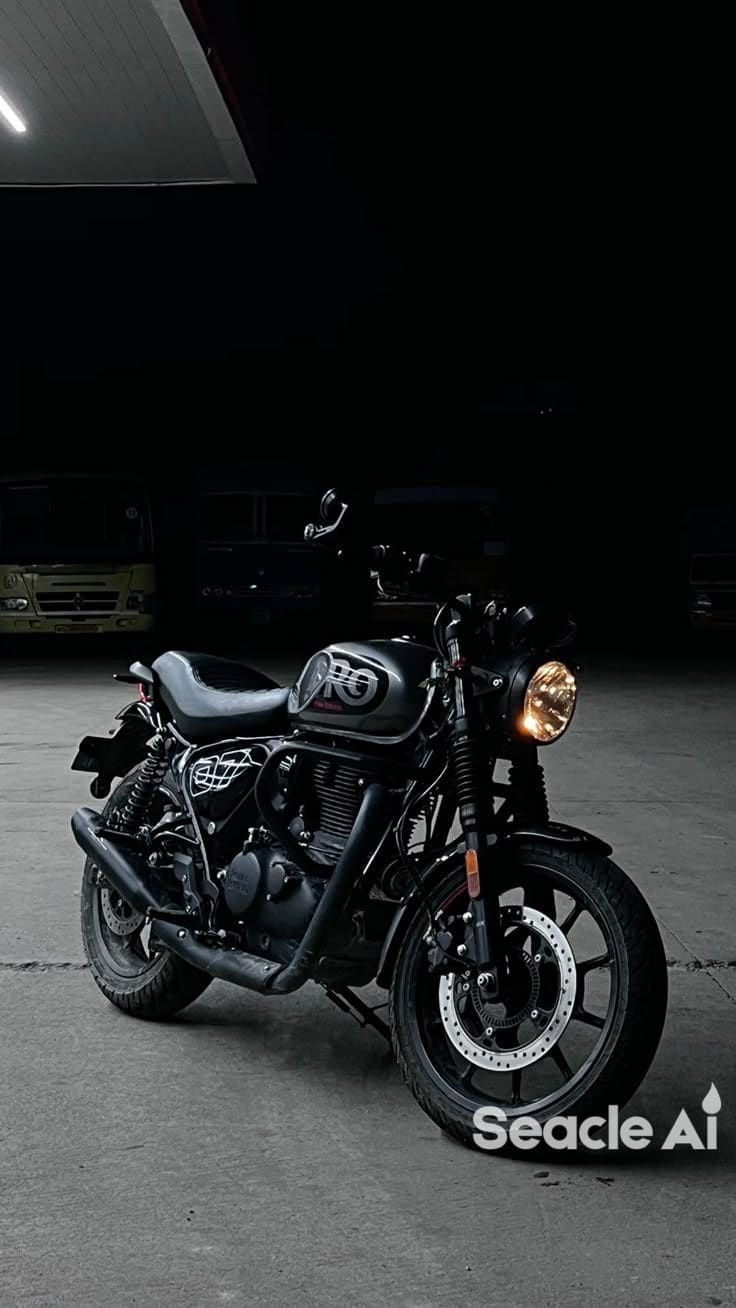
What type of vehicle is it and who is it for?
Type: The Hunter 350 is a light to mid-weight road motorcycle in the 350cc class. It blends classic styling with modern components to deliver a simple, user-focused package.
Who it suits:
- Urban commuters who prioritize comfort and predictability over outright speed.
- New riders stepping up from smaller displacement bikes seeking manageable power and torque.
- Riders who want a retro-influenced look without the complexity of high-end electronics.
Not ideal for: Serious off-roading, heavy long-distance touring with large loads, or riders who expect sportbike-level acceleration. The Hunter’s setup is tuned for balance and daily usability, not extreme conditions.
Confirmed specifications
Below are the confirmed technical details that Royal Enfield has published or repeatedly confirmed in official materials and owner documentation. When a spec differs by model variant, that is noted.
Engine
- Configuration: Single-cylinder, four-stroke
- Cooling: Air and oil cooled
- Displacement: 349 cc (typical for this model)
Power and torque
- Power: Around 20.2 bhp (15.1 kW) at roughly 6,100–6,250 rpm for the standard variant.
- Torque: Approximately 27 Nm at around 4,000–4,250 rpm.
Top speed and transmission
- Top speed: Typically in the 115–120 km/h range in stock form, depending on conditions.
- Transmission: 5-speed gearbox, wet multi-plate clutch.
Chassis and dimensions
- Kerb weight: Approximately 181–185 kg depending on variant and accessories.
- Seat height: Around 790 mm — this keeps the bike accessible to a wide range of riders.
- Ground clearance: Typically near 165–170 mm.
Mileage and fuel
- Real-world mileage: Expect 35–45 km/L depending on riding style and traffic.
- Tank capacity: Around 11 liters for the standard setup.
These numbers reflect confirmed factory figures and consistent third-party road tests up through late 2025. Exact figures may vary slightly by market, model year, and updates implemented by the manufacturer.
Expected or reported specs (if any)
Royal Enfield occasionally releases small updates and special editions. As of reports in 2025 and early 2026, the following items were mentioned in industry coverage and dealer notes. Treat these as likely or reported rather than final:
- Minor tuning changes to improve low-end torque in certain model runs, as per dealer notes.
- Additional colorways and accessory packs introduced in mid-2025 and rumored to continue into 2026.
- Occasional ABS upgrades or dual-channel ABS becoming standard on higher trims in some markets.
These items should be read as likely or rumored; official specifications posted by the manufacturer are the final word and can change with production updates.
Safety, comfort and technology
The Hunter 350 focuses on essential, rider-facing equipment rather than extensive electronic suites. That matters to many riders because less complexity often means lower real-world maintenance and fewer unpredictable behaviors.
Safety
- Braking: Single disc front and single disc rear across most models, with ABS as standard on many trims. Higher-end or special variants may offer dual-channel ABS.
- Tires: Road-oriented tires, tuned for grip on tarmac rather than loose surfaces.
- Lights: LED headlight or hybrid lamp setups depending on year and variant, improving nighttime visibility compared with older halogen systems.
Comfort
- Seating: Moderate padding and a flat shape that supports both city stops and short out-of-town rides.
- Riding position: Upright and neutral, designed for reduced fatigue during commutes.
- Suspension: Telescopic front forks and twin rear shocks tuned toward a balance of comfort and control. Expect predictable responses over urban irregularities.
Technology
- Instrumentation: A simple analogue-digital cluster that provides essential readouts — speed, rpm, trip, odometer, and sometimes a fuel gauge.
- Connectivity: Select variants may offer a basic phone-connect module for turn-by-turn prompts through the display or a companion app; this is not a full motorcycle infotainment system.
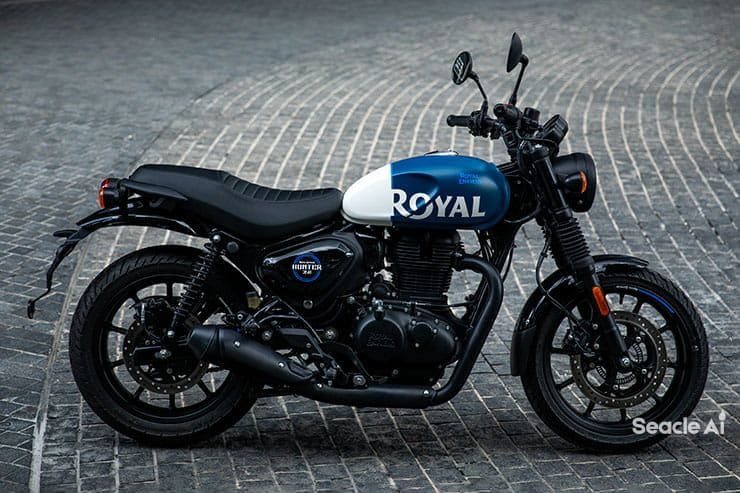
Minimum height to ride Royal Enfield Hunter 350
Seat height is around 790 mm. For safe flat-footed confidence at stops, riders typically need an inseam that allows at least one foot flat on the ground. Practically, this translates to a minimum rider height of roughly 160 cm (5 feet 3 inches) for many people to handle the bike comfortably, though individual leg length varies and taller riders will be more comfortable. Try a test sit to confirm confidence at a stop before purchasing.
Realistic drawbacks and use-case limitations
No motorcycle is perfect for every task. The Hunter 350 trades some capabilities to stay light, simple, and affordable. Below are clear limitations to consider.
Not a long-haul tourer
The seating and tank size are fine for short escapes and daily rides, but for continuous multi-day highway travel with luggage, the bike can feel strained in comfort and fuel range. Riders planning long interstate runs should consider larger tanks and touring-focused ergonomics.
Not built for aggressive sport riding
The chassis and engine tuning emphasize low to mid-range tractability rather than peak horsepower. Riders seeking aggressive cornering and high-speed runs will notice the bike’s moderatespeed focus.
Suspension trade-offs
The ride setup leans toward comfort for city bumps, which means it can squat under heavy loads or when pushed hard on long fast straights. Owners who carry heavy luggage or a pillion frequently may find the rear suspension requires aftermarket upgrades to maintain ideal ride height and handling.
Maintenance and ownership cost
Maintenance is generally straightforward and costs are moderate, but regular valve checks and oil changes are important with single-cylinder engines to keep performance consistent. Specialized parts and dealer labor in some regions can push costs higher than smaller commuter bikes.
Royal Enfield Hunter 350 vs TVS Ronin
The points below focus on how the Hunter compares against a particular peer in the market. The goal is to highlight where the Hunter’s choices make sense and where the other bike targets different priorities.
1. Engine and overall performance
The Hunter’s single-cylinder engine is tuned for low-end torque and smooth city response. That makes it feel lively off the line and easy to manage at low speeds. The alternative model approaches the segment with a somewhat different engine character, often emphasizing a broader spread of usable torque or slightly higher peak power depending on its design goals.
2. Torque, top speed, and mileage
In practical terms, the Hunter’s torque peaks lower in the rev range, giving it a relaxed, usable pull in urban riding. Top speed is modest and adequate for most highways but not designed for extended high-speed cruising. Mileage in real-world conditions tends to sit in the mid-30s to mid-40s km/L range, depending on traffic and riding style.
3. Key features
- Hunter: Simplicity, accessible ergonomics, and a straightforward feature set that prioritizes day-to-day use.
- Compared model: May offer different tech such as more aggressive styling cues, alternate instrument clusters, or slightly different riding aids.
4. Price range (current or expected)
Pricing for the Hunter is positioned to be competitive in the 350cc commuter-cruiser bracket. Exact numbers vary by market, taxes, and trim. The comparable model often sits in a similar band, with small differences depending on local promotions and versions. Always check local dealer listings for current on-road pricing.
5. Which type of user should choose which vehicle
- Choose the Hunter if you want a relaxed, predictable ride focused on comfort, ease of ownership, and a classic look.
- Consider the alternative if you prefer a slightly more modern feature set or a different character in engine performance that leans toward broader power delivery.
6. Tank capacity
The Hunter’s fuel tank sits near 11 liters in most confirmed trims, giving decent city range but limiting long-distance stretches without refueling. The competitor may offer a similar or slightly larger tank depending on its design focus.
7. Braking systems and safety features
Hunter models typically come with single discs front and rear and ABS on many trims. Higher trims or later model years may include dual-channel ABS. The peer model can vary between single and dual channel ABS across trims as well; check spec sheets for the exact variant you plan to buy.
| Specification | Royal Enfield Hunter 350 (confirmed) | Compared model (general) |
|---|---|---|
| Engine type | Single-cylinder, air-oil cooled, ~349cc | Varies; typically single-cylinder 300–350cc class |
| Power / Torque | ~20 bhp / ~27 Nm | Depends on tuning; similar class figures |
| Transmission | 5-speed | 5-speed common, some rivals may have similar gearing |
| Tank capacity | ~11 L | Often 11–12 L |
| Brakes | Disc front & rear, ABS on many trims | Disc front & rear, ABS availability varies by trim |
Note: The comparison column represents general points about the competing model family and not exact trim-by-trim matching. For purchase decisions, compare specific trim sheets and perform test rides.
Frequently Asked Questions
How does the Royal Enfield Hunter 350 perform in city traffic?
It is well-suited for city commuting due to its manageable weight, low-end torque, and upright ergonomics. The gearbox and clutch are designed for stop-and-go conditions.
Is the Hunter 350 good for a beginner rider?
Yes. Its predictable power delivery, approachable seat height, and simple controls make it a sensible option for riders stepping up into a 350cc class motorcycle.
Can the Hunter 350 handle long highway trips?
It can handle occasional highway stretches, but it is not optimized for continuous long-distance touring with heavy luggage. Fuel range, wind protection, and sustained high-speed comfort are moderate.
How often does the Hunter 350 need servicing?
Follow the manufacturer’s service schedule, which usually includes oil and filter changes at regular intervals and valve checks as recommended. Routine maintenance keeps single-cylinder engines running smoothly and extends component life.
Conclusion
The Royal Enfield Hunter 350 makes clear choices: comfort and rider-friendliness over outright performance. It fits riders who want a dependable daily motorcycle with classic styling and predictable behavior. Strengths include approachable ergonomics, a torque-focused engine, and a straightforward feature set that keeps ownership simple. Drawbacks are equally direct: not ideal for long-haul touring with heavy loads, limited top-speed headroom for sustained high-speed runs, and suspension that may need upgrades if the bike carries frequent heavy weight.
If your primary use is city commuting, short-to-medium weekend rides, and a motorcycle that is easy to live with, the Hunter delivers a lot of value. If your needs skew toward sport performance, heavy touring, or off-road work, look at machines focused specifically on those tasks. The Hunter excels where most riders do most of their miles: close to home, on familiar roads, riding with confidence and low fuss.
Final thought: This bike is best judged not by headline numbers but by how quietly and reliably it covers routine miles, like a small archive where every book is in its place and ready when you need it.