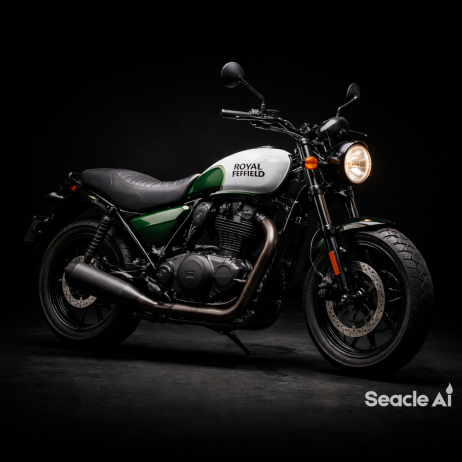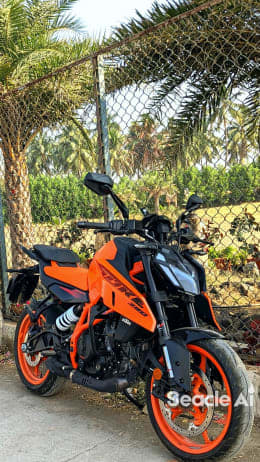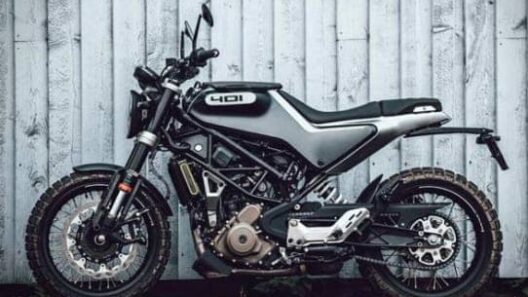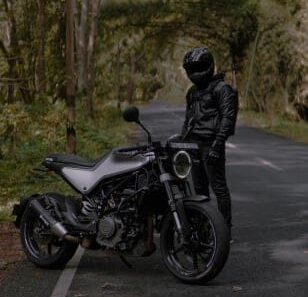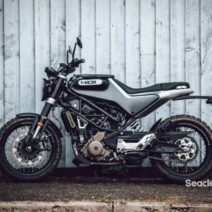
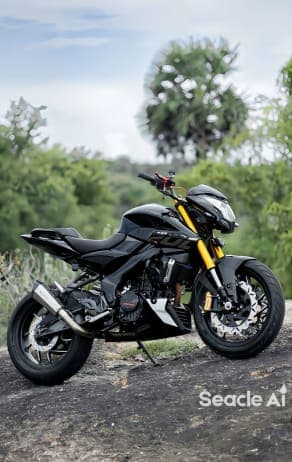

Fast and focused but not limitless. The Bajaj Pulsar NS200 is a popular 200cc-class motorcycle that targets riders who want a sporty feel without the complexity or cost of larger machines. In simple terms, it is a street-oriented naked sport bike built for city commutes, quick highway bursts, and agile lane changes, but not for serious off-road excursions or multi-day heavy touring.
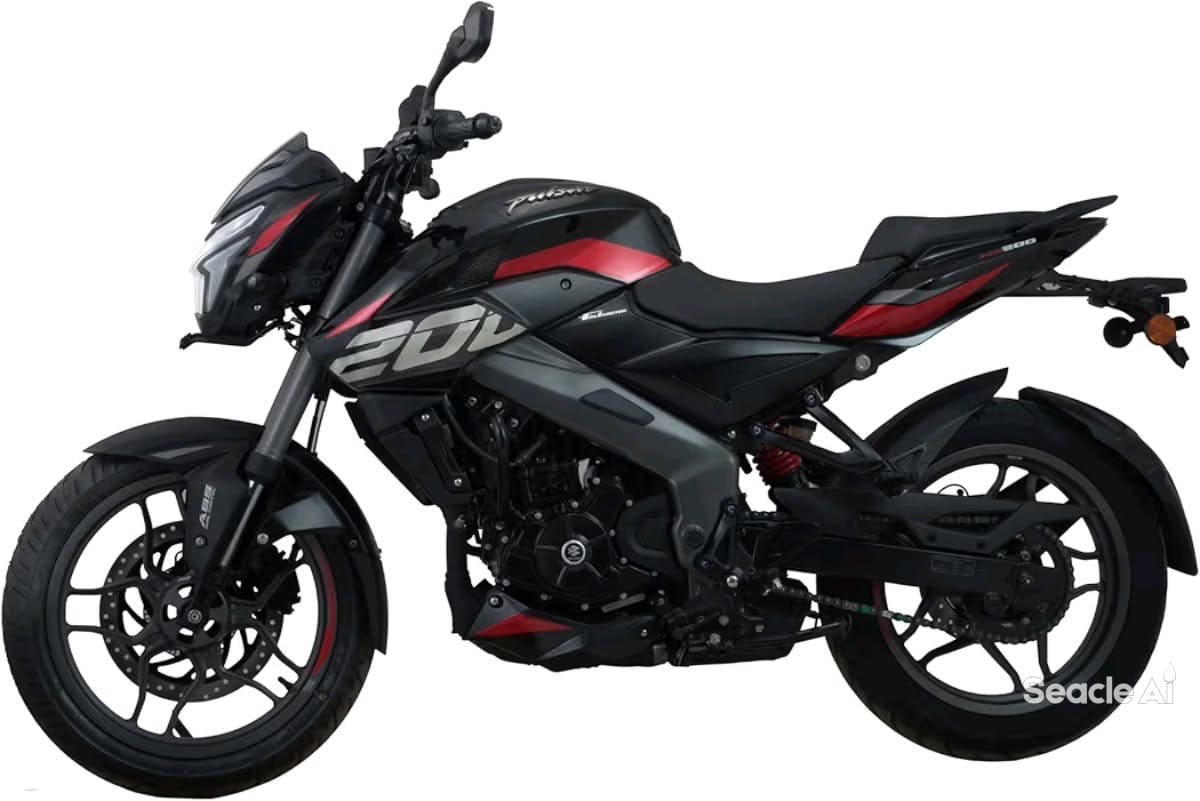
Table of Contents
Table of Contents
- Overview
- Bajaj Pulsar NS200: Key specifications
- Dimensions and minimum height
- Engine, performance and drivetrain
- Safety and braking
- Comfort and ride quality
- Technology and features
- Known drawbacks and limits
- Bajaj Pulsar NS200 vs TVS Apache RTR 200 4V
- Pricing and maintenance
- Frequently Asked Questions
- Conclusion
Overview
The Bajaj Pulsar NS200 occupies a clear niche: a compact, sporty naked bike that delivers strong midrange punch for urban and suburban riding. It is aimed at commuters who value crisp throttle response, short wheelbase agility, and a chassis that inspires confidence in quick maneuvers. Think of it like building a small structure by tightly packing grains so it can resist light forces; it is designed to be precise and efficient within its intended environment, but it will not behave like a fortress meant for heavy impacts.
Bajaj Pulsar NS200: Key specifications
Below are the confirmed specifications for the current model as released by the manufacturer and from late 2025 updates. Where details are still being updated or vary by market, I label them clearly.
- Type: Naked sport motorcycle / streetfighter
- Engine: Single-cylinder, liquid-cooled, four-stroke
- Displacement: 199.5 cc (typical for the model line)
- Power: Around 24.5 bhp (claimed); actual tested peak may vary by market and emissions tune
- Torque: Approximately 18.6 Nm at a midrange rpm (claimed)
- Top speed: Real-world top speed often in the 135–145 km/h range depending on rider weight, gearing, and conditions
- Mileage: Realistic fuel efficiency is often 35–45 km/l depending on riding style and traffic
- Transmission: 6-speed manual
- Fuel tank capacity: Roughly 12 to 13 liters (confirmed ranges vary by model year)
- Kerb weight: Generally in the 150–160 kg band
- Seat height: About 800 mm (see the next section for minimum rider height)
Dimensions and minimum height
For many riders, reach to the ground and legroom matter more than raw numbers. The seat height of the bike is set to give a sporty posture rather than a relaxed cruiser stance.
- Seat height (approx): ~800 mm
- Minimum height to ride Bajaj Pulsar NS200: Most riders need a minimum standing height of around 160 cm (5 feet 3 inches) to place at least one foot flat on the ground comfortably at stops. Shorter riders can manage with tip-toes or aftermarket lower seats, but stability at stops is reduced.
- Wheelbase: Short wheelbase for quick handling, typically around 1350–1365 mm depending on model year
Engine, performance and drivetrain
The heart of the bike is a single-cylinder, liquid-cooled motor tuned to offer accessible torque in the low to mid rpm band. That makes it responsive for city rides and gives usable passing power on highways without hunting for high revs constantly.
Key points about the engine and gearbox:
- Engine character: Torque-focused for everyday usability rather than peak horsepower racing.
- Power delivery: Noticeable midrange shove from 3,000 to 7,000 rpm that makes town overtakes easy.
- 6-speed gearbox: Provides flexibility: close ratios help acceleration, while the top gear keeps highway revs reasonable.
- Cooling and durability: Liquid cooling keeps temperatures stable in traffic; many owners report reliable long-term use with regular maintenance.
Think of how carefully compacted grains can carry load up to a point: the design concentrates strength where it helps most for daily use. For high sustained speeds or track-level runs, the package starts showing limits compared to larger machines.
Safety and braking
Braking and safety systems on the Pulsar NS200 are practical and aimed at street safety rather than high-end electronics.
- Brakes: Disc brakes front and rear; many markets include dual-channel ABS as standard or optional.
- ABS behavior: Single- or dual-channel ABS calibrations are tuned for predictable intervention on wet or rough surfaces.
- Chassis stability: A boxed frame adds stiffness that supports precise handling but also transmits more road input to the rider than more cushioned frames.
- Lighting: Contemporary models use full LED lighting for the headlamp and tail, improving visibility.
Comfort and ride quality
Comfort is a balancing act. The Pulsar NS200 leans toward sportiness, so its seating and suspension favor engagement over plush cruising comfort.
- Suspension: Telescopic fork at the front and mono-shock at the rear. Tuned firm to control body motions during spirited riding.
- Seat: Split stepped seat on many variants — offers decent support for short to medium rides but can get tiring on long highway stints.
- Rider ergonomics: Slight forward lean for a sporty position while remaining manageable in traffic.
- Vibration: Slight vibes at higher rpm are normal for a single-cylinder engine class; within expected limits if maintained properly.
Technology and features
The bike includes practical tech rather than headline-grabbing gadgets. Focus is on useful features for everyday riders.
- Instrument cluster: Fully digital or semi-digital displays depending on model year, showing speed, gear position, fuel, trip meters, and sometimes Bluetooth connectivity on newer trims.
- Connectivity: Higher trims or recent updates may have smartphone pairing for call alerts and navigation prompts; confirm specific model features for each market.
- Lighting: LED headlamp and DRL in contemporary trims, improving night visibility.
Known drawbacks and limits
No bike is perfect. Here are realistic limitations to keep in mind for the Pulsar NS200.
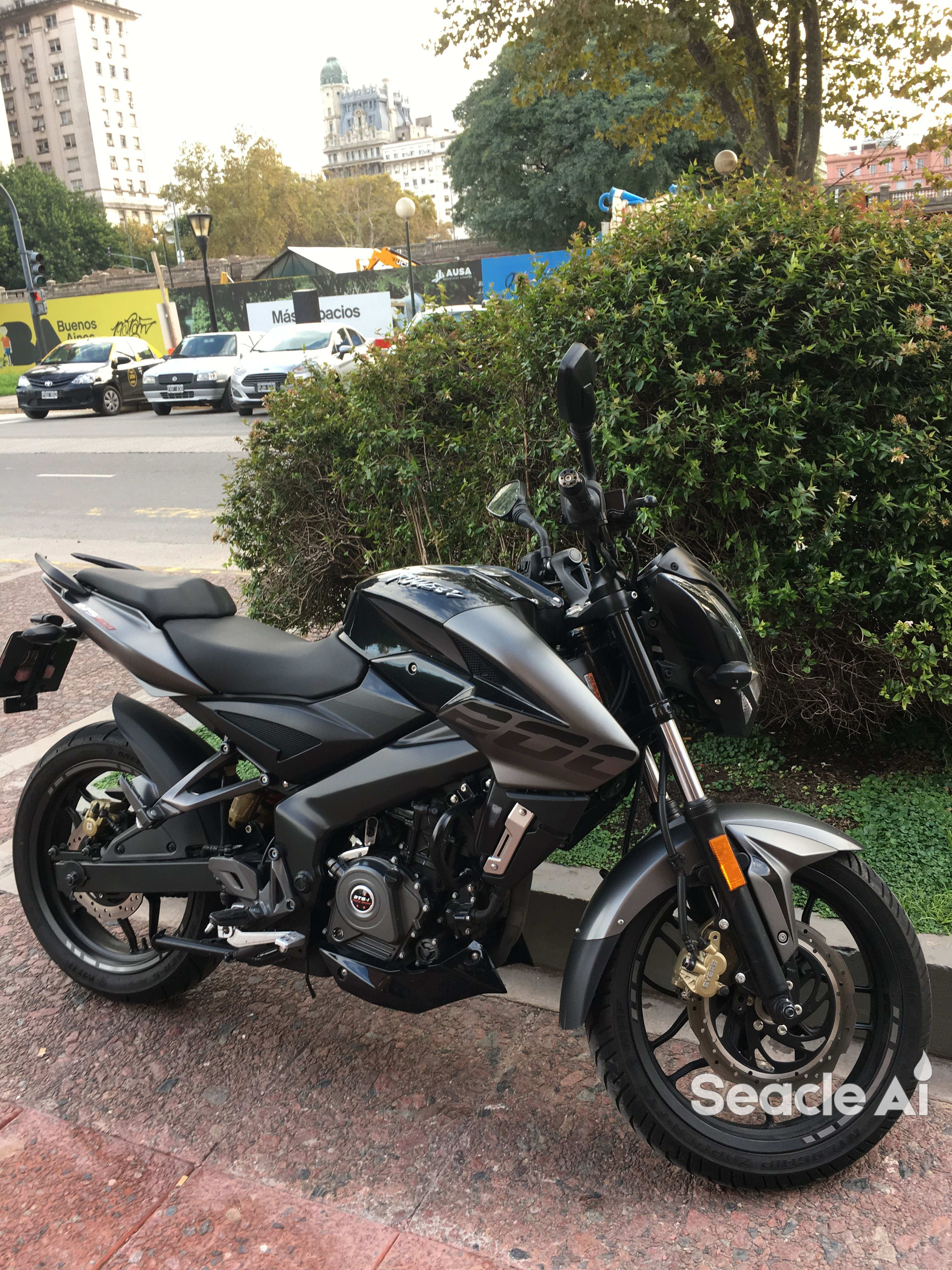
- Not ideal for heavy touring: The seat and suspension are not optimized for multi-day, heavy-luggage touring. Wind protection is minimal, so long highway stints at sustained high speed get tiring.
- Off-road capability: It is not designed for rough dirt or trail work. Ground clearance and suspension travel are limited for off-roading.
- Average fuel economy: While fuel efficiency is respectable, some riders may get lower real-world mileage if they ride aggressively; expect mid-30s km/l under spirited use.
- Suspension trade-offs: The firm setup improves handling but transmits more bumps to the rider, reducing long-ride comfort.
- Maintenance cost: Routine servicing is affordable relative to bigger manufacturers, but sportier tuning can mean more frequent brake and tyre replacement if ridden hard.
Bajaj Pulsar NS200 vs TVS Apache RTR 200 4V
Below is a focused comparison to help buyers choose between the two popular 200cc-class options. I keep the lens on what matters for real-world use—performance, torque, features, and safety. All comparisons are framed against the Pulsar NS200 to keep the primary subject central.
| Aspect | Bajaj Pulsar NS200 | TVS Apache RTR 200 4V |
|---|---|---|
| Engine and overall performance | Single-cylinder liquid-cooled ~199.5 cc tuned for midrange torque; strong in city and occasional highway bursts. | Also a single-cylinder 197.75 cc with a focus on higher rev power; often feels sharper in top-end punch. |
| Torque, top speed, mileage | Torque ~18.6 Nm; top speed ~135–145 km/h real-world; mileage typically 35–45 km/l depending on riding style. | Torque numbers similar but with slightly different delivery; top speed and mileage in comparable ranges, depending on tuning and gearing. |
| Key features | Practical features: LED lighting, digital cluster, optional Bluetooth on certain trims. | Often includes more performance-focused tech such as multiple riding modes on higher trims, and more aggressive ergonomics. |
| Price range (approx) | Positioned competitively in the mid-2000s INR segment in many markets; exact pricing varies by year and trim. | Similar bracket; sometimes priced a little higher for performance variants with extra features. |
| Which user should choose which? | Choose the Pulsar NS200 if you want a balanced streetfighter that is easy to live with daily and favors midrange usability. | Choose the Apache RTR 200 4V if you want sharper top-end performance and sportier ergonomics, and you prioritize on-track feel. |
| Tank capacity | Approximately 12–13 liters depending on model year. | Comparable tank size; check local specs for exact liters. |
| Braking systems and safety | Front and rear discs with single- or dual-channel ABS on many trims; predictable ABS calibration for urban conditions. | Similar disc brakes with ABS; some Apache trims add performance-centric braking aids and slipper clutch options. |
Which to pick in practice
If your riding is mostly urban with occasional weekend highway runs and you prioritize a composed midrange, the Pulsar NS200 is likely the better fit. If you spend time on twisty roads or expect sharper top-end acceleration and track-day potential, the Apache’s character may suit you more.
Pricing and maintenance
Pricing varies by market, taxes, and trim. For accurate numbers check dealer listings for the current model year. Maintenance costs are generally reasonable for both bikes in this class, but how you ride affects consumable wear. Aggressive riding shortens tyre and brake life and can increase service frequency.
Frequently Asked Questions
What is the minimum height to ride Bajaj Pulsar NS200?
Most riders need around 160 cm (5 ft 3 in) to reach the ground comfortably. Shorter riders can manage but may need aftermarket adjustments for better confidence at stops.
Is the Pulsar NS200 good for long highway touring?
It can do highway runs, but comfort and wind protection are limited. For regular long tours with heavy luggage, a more touring-oriented bike is a better choice.
How reliable is the Pulsar NS200 engine?
Reported reliability is good with proper maintenance. The liquid cooling and relatively simple single-cylinder design make it durable; follow the service schedule for long-term uptime.
Does it have ABS and modern safety features?
Many trims include single- or dual-channel ABS and LED lighting. Some markets and model years add smartphone connectivity or improved instrument clusters; check local specifications.
Conclusion
The Bajaj Pulsar NS200 is a practical, punchy street-focused motorcycle that fits riders who want short-wheelbase agility, solid midrange performance, and straightforward features for daily use. It is not ideal for serious off-roading, heavy touring with large luggage loads, or riders who need the plushest long-distance comfort. Consider it a compact, engineered machine that prioritizes usable power and nimble handling rather than outright top-speed theatrics. Like a carefully arranged small structure, it performs very well within its design limits but will not replace a larger, specialized machine when needs go beyond urban sport riding.
Strengths: accessible torque, nimble handling, affordable maintenance, contemporary lighting and instrument updates on recent trims. Drawbacks: limited long-distance comfort, suspension tuned on the firmer side, average mileage if ridden hard.
Make your choice based on how you ride most days. If daily commuting and spirited weekend rides define your use, this bike is a sensible pick. If you expect to tour heavily or demand track-level performance, consider options that are purpose-built for those tasks.