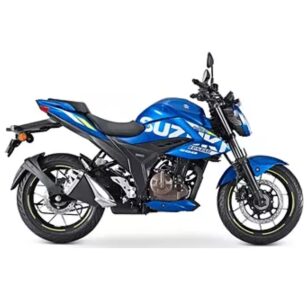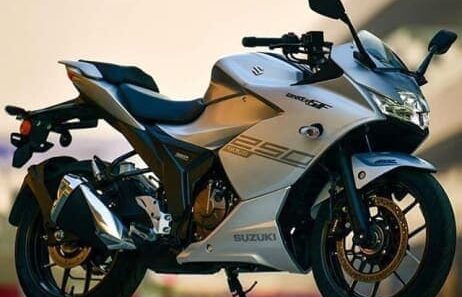


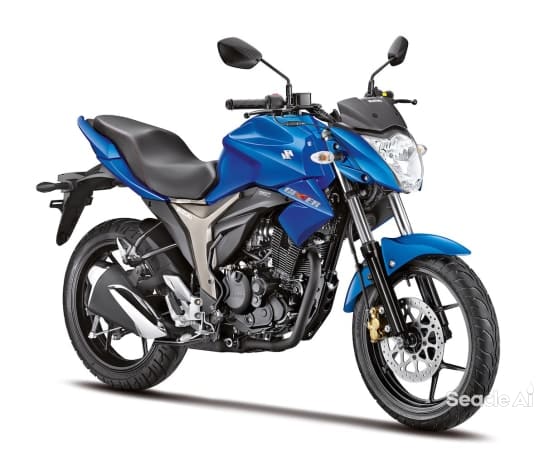

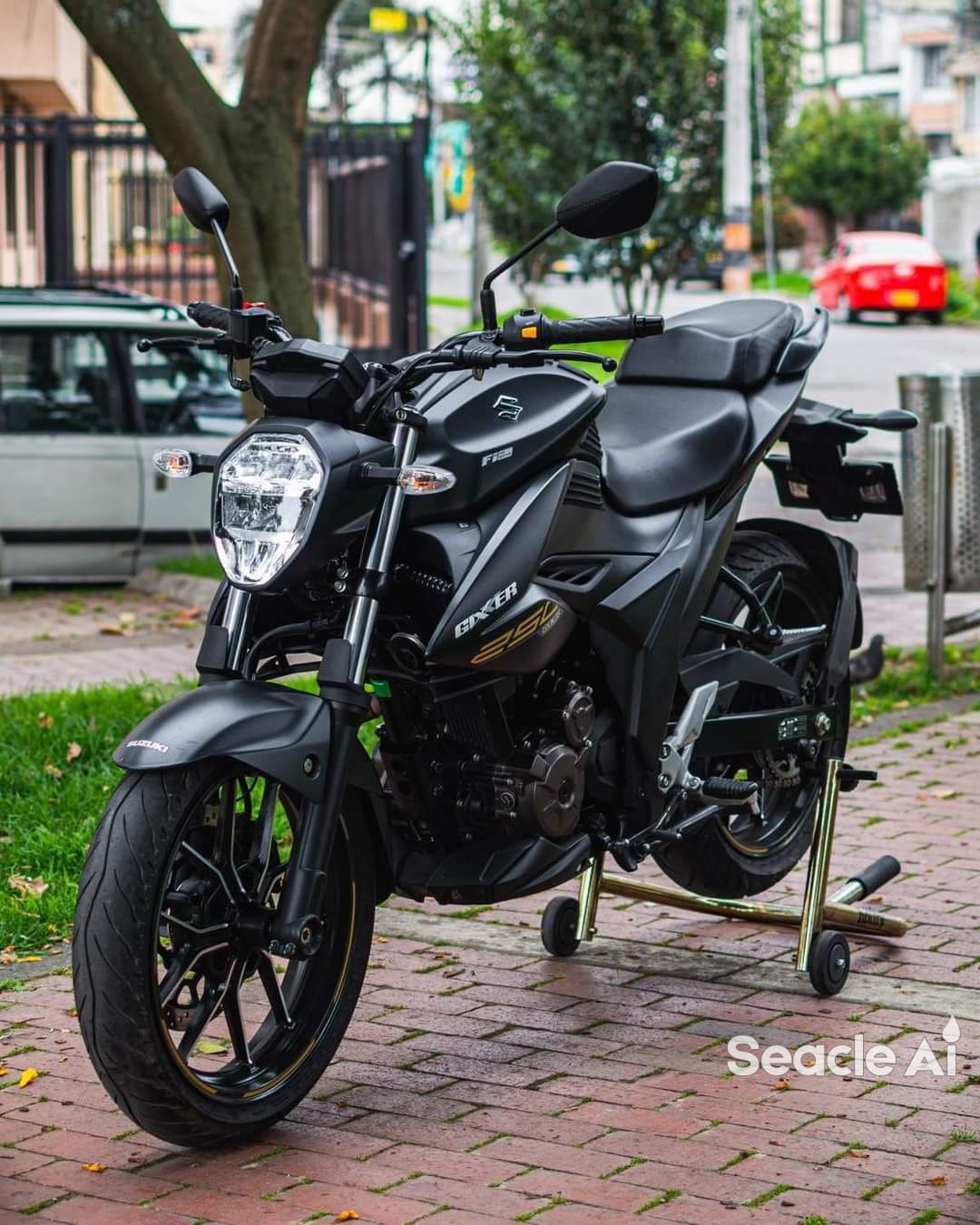
Start with a fact: the Suzuki Gixxer 250 is a simple, well-paced 250cc street motorcycle built for everyday riding, light touring, and city commuting. In this article I break down what it is, who it suits, the core technical numbers, and at least one real limitation every buyer should consider.
Below you will find a structured guide laid out like a calm reference shelf, each specification and observation placed so you can reach the right detail quickly.
Suzuki Gixxer 250: At a glance
The Suzuki Gixxer 250 sits in the 250cc naked/street segment. It is aimed at riders who want a manageable, predictable mid-capacity motorcycle for daily commuting, occasional two-up rides, and short to medium distance trips. It favors low-end and mid-range torque over peak horsepower, which makes it easier to ride in traffic and more pleasant on urban roads than a track-focused 250.
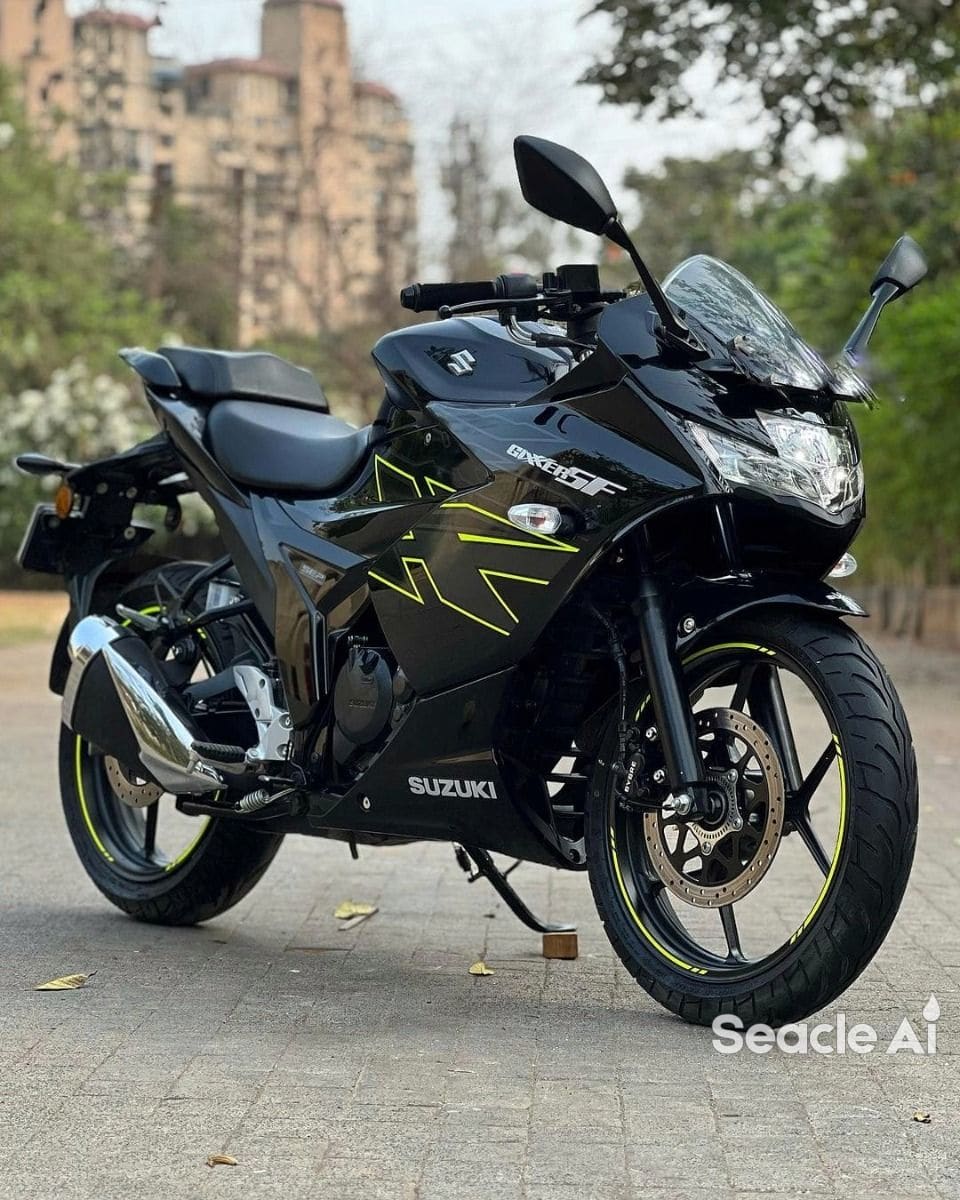
Confirmed specifications
Below are the confirmed technical details that Suzuki lists for the model available in mainstream markets as of 2025. These are the baseline numbers you can rely on from owner manuals, dealers, and official product sheets.
- Engine: 249 cc, single-cylinder, 4-valve, SOHC. The unit is tuned for usable mid-range torque and daily rideability.
- Cooling: Oil-cooled (sometimes described as air-oil combined cooling on dealer sheets).
- Power: Around 26.5 PS (roughly 19.5 kW) at high RPM. This number is a peak figure intended for reference, not how you will use the bike most of the time.
- Torque: Approximately 22 Nm, focused in the mid-range for smooth acceleration from city speeds.
- Top speed: Real-world top speed is in the 140 to 150 km/h range, depending on rider weight and wind conditions.
- Mileage: Official combined figures often read between 35 and 40 km/L; real-world urban riding usually sees numbers toward the lower end of that range.
- Transmission: 6-speed gearbox with an assist and slipper clutch on most trims to make downshifts smoother and reduce lever effort.
- Seat height: Approximately 800 mm (31.5 inches).
- Kerb weight: Roughly 160-165 kg depending on equipment and market variant.
- Fuel tank: About 12 litres usable capacity on confirmed specs.
- Suspension: Telescopic front fork and a linked mono-shock or single rear shock depending on market variant.
- Brakes: Front disc around 300 mm and a rear disc near 240 mm, with ABS fitted (single-channel ABS on some trims, dual-channel ABS available or standard in certain markets).
- Lighting and instruments: Full LED headlight and tail lamp with a digital instrument cluster that shows speed, rpm, gear position, fuel economy, trip meters, and a few other basic readouts.
What these numbers mean in practice
The engine is tuned to be forgiving, with usable torque at city speeds so you do not need to rev the motor hard to keep pace. The 6-speed gearbox helps keep high-speed noise down on open roads while providing flexibility in traffic. The seat height and weight make the bike accessible for most shorter riders as long as they are comfortable with an 800 mm saddle.
Expected or rumored updates
As of late 2025 there have been reports and dealer chatter about minor updates for model year 2026. Treat these as rumored or expected until Suzuki confirms them officially.
- Possible electronics upgrade: Some reports say a refined instrument cluster with Bluetooth pairing and turn-by-turn navigation compatibility may be offered on a higher trim.
- Safety update: There are rumors that dual-channel ABS will become standard in more markets, rather than being limited to premium trims.
- Tuning tweaks: A slightly revised fuel map for improved mid-range response in specific emission markets is being discussed.
These changes are reported in trade outlets and dealer notes; they remain subject to confirmation by Suzuki. If you are planning a purchase around a model refresh, verify the exact spec at the dealer or on Suzuki’s official site before finalizing.
Safety, comfort, and technology
The Gixxer 250 packs the basic safety and convenience features buyers expect in this class without stretching into high-cost technology. It keeps the core things right.
Safety
- ABS: Most markets get ABS on the front wheel, and some trims include dual-channel ABS. Check your market spec sheet as this varies.
- Braking hardware: A larger front disc and a capable rear disc deliver predictable stopping power for urban speeds and brief highway stints.
- Handling: The chassis is designed for neutral handling, with a stable wheelbase and predictable cornering characteristics rather than sharp, track-focused behavior.
Comfort
- Seat and ergonomics: Upright riding posture, reasonably wide seat, and relaxed reach to bars. Good for commuting and short touring days, but not designed for hours-long highway runs without breaks.
- Suspension: Tuned for a balance between comfort and control. It soaks up city bumps well, but riders carrying two people or heavier loads will notice more squat on the rear end.
Technology
- Instrument cluster: Fully digital with essential readouts. Advanced smartphone connectivity is limited to certain trims or may be part of rumored updates.
- Lighting: LED headlamp and tail lamp improve visibility and reduce power draw.
- Other aids: Assist and slipper clutch reduces rider fatigue and helps with smoother downshifts.
Minimum height to ride the Suzuki Gixxer 250
The seat height is around 800 mm. In practical terms, a rider who is at least about 160 cm (5 feet 3 inches) tall will be comfortable getting both feet on the ground and handling the bike at stops. For riders shorter than that, the bike is still manageable if they have good leg flexibility and confidence; adding a lower seat or using low-heel footwear helps. Test-riding is essential if you are near this threshold.
Limitations and real-world trade offs
No motorcycle is perfect for every use. The Gixxer 250 is strong in many daily roles but has clear limits.
- Not ideal for off-roading: The chassis, suspension travel, and tyres are tuned for tarmac. Taking it off-road will quickly expose limits in suspension travel and ground clearance.
- Long highway touring: The smallish fuel tank (about 12 litres) and limited wind protection make very long high-speed tours less convenient than on purpose-built tourers. Stops for fuel and breaks will be more frequent.
- Performance-focused riding: If your priority is peak lap times or aggressive high-rpm performance, a sport-focused 250 or 300 would be better. The Gixxer 250 emphasizes usable mid-range torque rather than peak horsepower.
- Maintenance and ownership: Maintenance costs are moderate for the class, but periodic valve checks and scheduled services add up. Choose a dealer network with good support to keep running costs predictable.
Think of the Gixxer 250 as a quiet archive of useful choices, where each spec sits like a labeled volume you can consult. It is built to be read and used rather than to impress with headline figures.
Comparison with Yamaha FZ25
Below is a direct, practical comparison between the Gixxer 250 and the Yamaha FZ25 across the points you care about. The aim is to help you pick by use case rather than emotion.
| Point | Suzuki Gixxer 250 | Yamaha FZ25 |
|---|---|---|
| Engine and overall performance | 249 cc single-cylinder, tuned for mid-range torque; smoother low-end pull suited to city and light highway work. | 249 cc single-cylinder, tuned for a linear response with a slightly more relaxed peak power; both are easy to ride in traffic. |
| Torque, top speed, and mileage | Approx 22 Nm torque; real top speed ~140-150 km/h; mileage usually 35-40 km/L in mixed riding. | Approx 20-20.5 Nm torque; top speed ~130-140 km/h; mileage often similar, 35-45 km/L depending on riding style. |
| Key features | 6-speed, assist and slipper clutch, LED lighting, digital meter, ABS (varies by trim). | 5-speed or 5/6 depending on market, conventional clutch, simple digital meter or mixed analogue-digital cluster, ABS varies by market. |
| Price range (2025 estimates) | Typically priced in the mid 1.5 to 2.0 lakh INR bracket in India (ex-showroom) depending on trim and region; check local dealer for exact numbers. | Usually slightly lower or comparable in entry trims, often targeted as a value option in the 1.4 to 1.9 lakh INR range in many markets. |
| Which user should choose which | Choose the Gixxer 250 if you want a modern feature set, a 6-speed gearbox, and stronger mid-range performance for mixed riding. | Choose the FZ25 if you prefer simpler ergonomics, potentially lower purchase cost, and are comfortable with a slightly different power delivery. |
| Tank capacity | About 12 litres usable. | Typically around 14 litres depending on the market and model year. |
| Braking systems and safety features | Front 300 mm disc and rear 240 mm disc; ABS on many trims, with dual-channel in select markets or trims. | Front large disc, rear disc; ABS availability varies and is often single-channel on lower trims, dual-channel on newer or premium versions. |
Short summary of the comparison
Both bikes are competent, reliable choices for riders who want an accessible 250. The Gixxer 250 leans into a slightly sportier package with a 6-speed gearbox and marginally stronger mid-range torque, while the FZ25 focuses on a straightforward, comfortable experience and often a slightly larger fuel tank.
Frequently Asked Questions
What is the city mileage I can expect on the Gixxer 250?
Real-world city mileage typically lands between 30 and 35 km/L if you ride aggressively in stop-start traffic. In mixed riding with steady cruises the bike can approach the higher end of its claimed figures.
Can the Gixxer 250 handle two-up riding for weekend trips?
Yes, it can carry two riders for weekend trips, but expect more rear suspension sag and slightly reduced acceleration. For long two-up touring, consider packing lighter or planning more frequent rest stops.
Is the Gixxer 250 reliable and cheap to maintain?
Reliability is generally strong. Maintenance costs are moderate: regular oil changes, chain maintenance, and periodic valve inspections are the main items. Costs are lower if you have access to competitive dealer or independent workshop rates.
Is the Gixxer 250 good for learning riders moving up from 150cc?
Yes, it is a solid step-up choice. The motor is friendly, the weight is manageable, and the 6-speed transmission allows learning riders to practice smooth shifts without a sudden leap in complexity.
Conclusion
The Suzuki Gixxer 250 is a balanced, user-friendly 250 cc street motorcycle that plays to practical strengths: a usable mid-range engine, manageable weight, modern braking hardware, and a comfortable riding position. Its main limitations are clear and factual: it is not a purpose-built off-roader, long-range touring machine, or a track specialist. The modest fuel tank and limited wind protection make long high-speed runs less convenient, and two-up touring will show the suspension’s compromise between comfort and load capacity. Maintenance and service are typical for the class; pick a dealer with strong support to keep ownership predictable.
If your daily routine is commuting, occasional spirited weekends, and short touring, the Gixxer 250 is a natural fit. If your priorities are heavy luggage touring, aggressive track days, or frequent off-road riding, look for a bike tailored to those roles instead.
Final insight: Machine specs are useful, but the real test is how the bike fits your day-to-day life. Try a test ride, check local service support, and compare final prices. The numbers above are a guide so you can match the motorcycle to your needs without distraction.