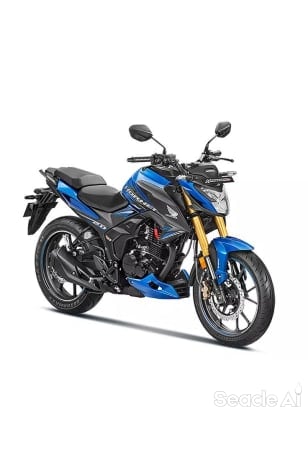

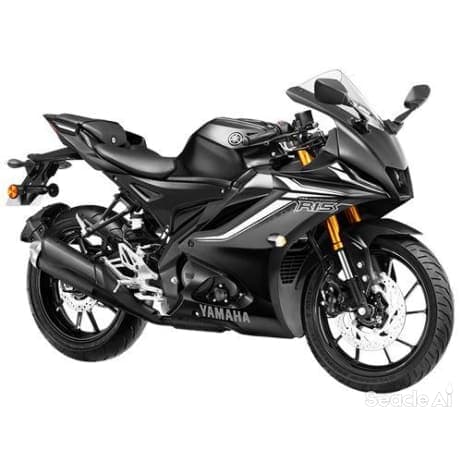

The opening line matters: a sport-focused 155cc motorcycle can be precise without being theatrical, and the Yamaha YZF R15 V4 is a good example. This article lays out what the bike is, who will appreciate it, what it cannot do well, and the numbers and features that matter when you decide to buy or ride one.
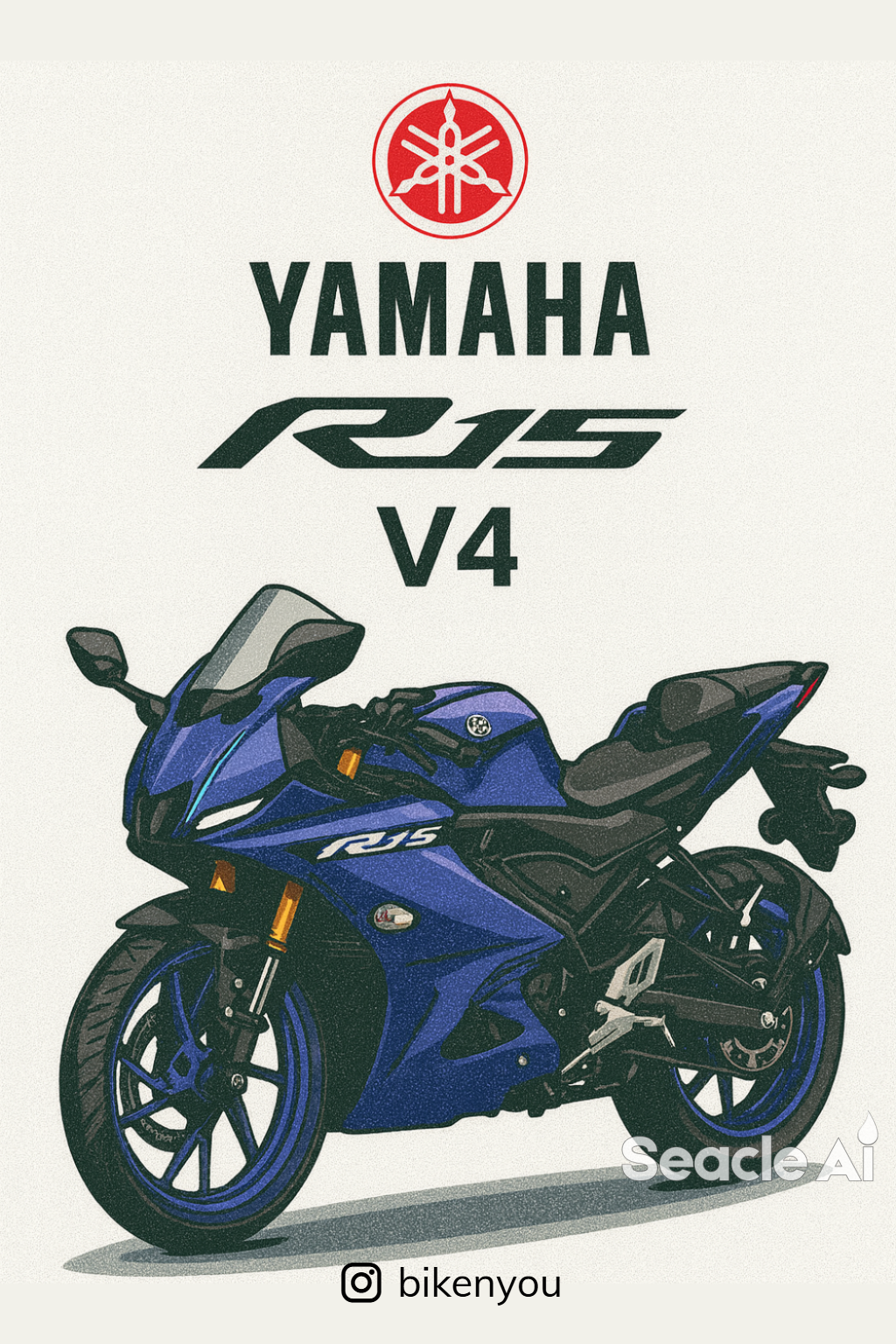
Yamaha YZF R15 V4 Overview
The Yamaha YZF R15 V4 is a small-displacement sportbike built around a 150–160cc class single-cylinder engine, focused on rider engagement, agility, and efficiency rather than outright top-end power. Think of its design like a delicate, carefully stacked structure: each piece must balance weight and strength so the whole holds together and resists collapse when stressed. For riders, that translates into light steering, predictable handling, and a compact ergonomics package that rewards precision.
Specifications
Confirmed Specifications
Below are the confirmed specifications that Yamaha has published or repeatedly confirmed through official channels up to early 2026. These are stable figures you can rely on when comparing bikes or planning maintenance.
- Engine type: Single-cylinder, liquid-cooled, 4-valve head with variable valve actuation (VVA).
- Displacement: Approximately 155 cc.
- Power: Around 18.5 PS (manufacturer-claimed peak power in standard tune).
- Torque: About 14.1 Nm at mid-range rpm.
- Transmission: 6-speed constant mesh gearbox with slipper clutch (where equipped).
- Top speed: Real-world top speed often reported near 130–140 km/h depending on conditions.
- Fuel economy: Typical combined highway/city figures in independent tests fall in the 38–45 km/l range, depending on riding style and test conditions.
- Seat height: Factory seat height is about 815 mm.
- Kerb weight: Around 142 kg (varies slightly by market and optional equipment).
- Fuel tank capacity: Approximately 11 liters.
Expected or Rumored Details
Reports and industry leaks through 2025 and early 2026 mention modest updates and regional variants. Treat these as provisional until an official release confirms them.
- Electronics: As per reports, some markets might get an updated TFT dash with smartphone connectivity; other markets will retain a semi-digital cluster.
- Weight reductions: Rumored use of revised bodywork and minor frame tweaks could shave a kilogram or two.
- Powertrain tune options: There are claims of slightly retuned ECU maps for better mid-range responsiveness in certain trims.
- Market-specific emissions tech: Newer Euro 5+ or Bharat Stage 6 updates could slightly alter power/torque figures in specific countries.
Note: Expected or rumored items above may change. Official Yamaha communications should be treated as final.
Safety, Comfort, and Technology
The motorcycle focuses on rider confidence. Safety and convenience features are balanced against cost and intended use.
Safety
- Brakes: Disc brakes front and rear, with dual-channel ABS available or standard in most markets. The system is tuned for predictable feel rather than aggressive bite.
- Chassis stability: The frame and suspension have been engineered to provide neutral handling; under hard braking the chassis remains composed.
- Lighting: Full LED headlamp and tail lamp for better visibility and lower power draw.
Comfort
- Ergonomics: A semi-sport seating position that balances control with daily comfort. Long rides are possible but the forward lean is more aggressive than a commuter bike.
- Seat padding: The standard seat favors feedback over plushness; taller riders may find it comfortable, while shorter riders might want to shop for aftermarket options for better reach to the ground.
- Suspension: Telescopic fork up front and a rear monoshock tuned for sportier responses; firmer than a commuter setup, so it can feel busy on rough surfaces.
Technology
- Ride aids: Basic to moderate—slip/assist clutch, VVA for better spread, and some trims offer multiple riding modes in certain regions.
- Instrument cluster: Varies by market; higher trims offer a color screen with Bluetooth, turn-by-turn navigation, and phone notifications while base versions use a hybrid digital-analog readout.
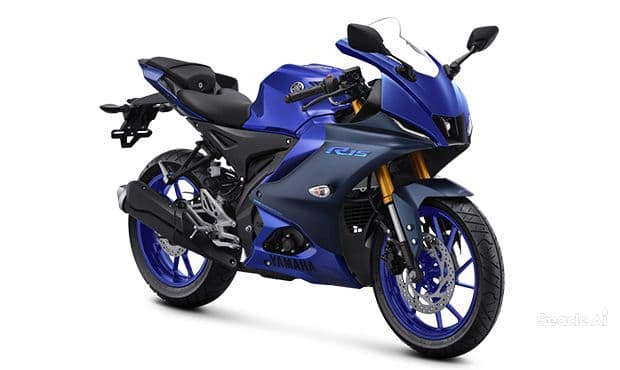
Who Is The Yamaha YZF R15 V4 For
The bike is a good match for riders who want a precise, lightweight sport machine for daily use, weekend canyon runs, and occasional track days. It is particularly well suited to:
- Newer riders who want a sporty experience without the intimidation of larger liter-class machines.
- Experienced riders who want a nimble city bike that can also be fun on twisty roads.
- Commuters who prioritize handling and style, and can accept firm suspension in return.
Important limitation: This model is not designed for long-distance heavy touring. Its seating position, fuel tank range, and pillion comfort make extended highway trips less comfortable than a touring or adventure motorcycle. If you plan to carry heavy luggage or spend many hours at highway speeds, consider a different platform.
Minimum Height to Ride Yamaha YZF R15 V4
The factory seat height is about 815 mm. For safe, confident foot placement and control, most riders will want an inseam that allows both feet to touch the ground or at least one foot flat with the other on tiptoe.
- Recommended minimum rider height: Roughly 160–165 cm is a reasonable guideline for average inseam proportions. Riders shorter than this can still ride the bike but may need modifications such as a lowered seat, aftermarket suspension linkage, or careful foot placement practice.
- Alternative options: Shorter riders should test the bike in person and avoid purchasing sight-unseen if ground reach is a concern.
Limitations and Drawbacks
No motorcycle is perfect for every purpose. Below are realistic downsides that matter in everyday ownership.
- Suspension trade-offs: The sport-biased suspension gives sharper handling at speed but transmits more road vibration over bumpy surfaces. Urban potholes and rough backroads feel firmer than on a commuter bike.
- Maintenance and running costs: Servicing intervals are typical for the segment, but performance-oriented engines with VVA can be more sensitive to neglected maintenance. Expect routine servicing costs comparable to other Japanese singles; tyre and brake pad wear may be slightly higher if ridden aggressively.
- Limited touring comfort: The seat and ergonomics are not optimized for multi-hour highway stretches, and the 11-liter tank limits range compared to larger bikes.
- Storage and pillion comfort: Minimal built-in storage and a compact pillion seat mean this is not ideal for frequent two-up touring.
Comparison with TVS Apache RTR 200 4V
The following comparison focuses on how the Yamaha positions itself against a popular competitor. The aim is to clarify relative strengths and suggest which user profile each bike suits best.
1. Engine and Overall Performance
| Attribute | Yamaha | TVS Apache RTR 200 4V |
|---|---|---|
| Engine type | Single-cylinder, liquid-cooled, 4-valve, VVA (approx. 155 cc) | Single-cylinder, oil-cooled/liquid-cooled variants, 197.75 cc |
| Character | Smoother top-end, peaky at high rpm, focused on rev-range and responsiveness | Stronger low-mid torque, punchy acceleration, more usable in urban riding |
2. Torque, Top Speed, and Mileage
| Metric | Yamaha (Typical) | TVS (Typical) |
|---|---|---|
| Torque | ~14.1 Nm | ~18.0 Nm |
| Top speed | ~130–140 km/h (real-world) | ~135–145 km/h (real-world) |
| Mileage* | ~38–45 km/l (economical riding) | ~30–40 km/l depending on tune and riding |
*Mileage varies with riding style and testing method.
3. Key Features
- Yamaha: VVA, slipper clutch on some trims, well-sorted chassis, LED lighting, optional TFT on higher trims.
- TVS Apache: Strong torque, aggressive styling, ride-by-wire and multiple ride modes on later variants, and aggressive performance tuning.
4. Price Range (Current or Expected)
- Yamaha: In 2025–26 most markets list the Yamaha in the mid-to-upper segment for 150–160cc bikes; expect pricing in the mid-range for sportbikes in its class. Exact on-road prices depend on options and region.
- TVS: Generally priced competitively and often undercuts higher-spec rivals, but final prices vary by market and available features.
Price sensitivity: check local dealer listings for current street prices and any promotional offers.
5. Which Type of User Should Choose Which Vehicle
- Choose the Yamaha if you want a lightweight, rev-happy sport machine that rewards precision riding and prefers a high-rev character with refined ergonomics for short spirited rides and town commutes.
- Choose the TVS if you prioritize low-to-mid torque, stronger acceleration from crawl speeds, and value ride modes and outright mid-range usability for mixed urban and highway use.
6. Tank Capacity
| Model | Fuel Tank |
|---|---|
| Yamaha | ~11 liters |
| TVS | ~12 liters (varies by model) |
7. Braking Systems and Safety Features
- Yamaha: Disc front and rear with dual-channel ABS in many markets; braking tuned for progressive feel.
- TVS: Disc brakes with ABS standard on most variants; later models include more advanced rider aids on premium trims.
Frequently Asked Questions
Is the Yamaha YZF R15 V4 suitable for beginner riders?
Yes. Its displacement and engine character are friendly for learners, but the sporty ergonomics mean new riders should practice and build confidence gradually. For absolute beginners who need a relaxed riding position, a commuter bike could be easier initially.
What is the realistic fuel economy I can expect?
Under mixed city and highway use expect between 38 and 45 km/l if you ride conservatively. Aggressive riding will lower that number significantly.
Can the Yamaha handle occasional track days?
Yes. The bike’s chassis and engine make it a good candidate for introductory track use. Brake pads, tyres, and routine checks should be upgraded and inspected before track outings.
Does the Yamaha come with slipper clutch and quickshifter?
Many trims include a slipper/assist clutch. A quickshifter is less common in standard trims; check the specific model variant and market for availability.
Conclusion
The Yamaha YZF R15 V4 is a compact sport motorcycle that emphasizes handling, rev-happy performance, and practical efficiency. Its strengths are chassis balance, accessible power delivery for its class, and a focused rider experience. The main drawbacks are its limited touring comfort, firmer suspension that transmits road imperfections, and modest fuel tank size that restricts long highway stints. For riders who value light weight, precise control, and sporty dynamics in city and twisty-road use, the bike is a strong fit. For those needing outright torque, extended range, or frequent two-up highway travel, other platforms might serve better.
Think of choosing this bike like building a fragile but well-made structure from granular pieces: if you know where it will stand and how it will be used, it holds up remarkably well. If you ask it to carry loads or endure conditions it was not designed for, the structure will show stress quickly. Make your decision based on how you intend to ride, and verify local specs and pricing before buying.
Final note: For confirmed technical specs and up-to-date pricing in your market, contact an authorized dealer. The market saw small updates and regional variants through 2025–26, so expect minor changes between regions and model years.