
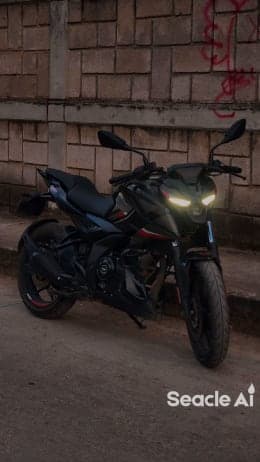

Strong machines are often judged by how well they do ordinary work. The Bajaj Pulsar N250 arrives at that test with a focused set of strengths and a clear list of trade-offs, and this article takes a practical look at what it is, who should buy it, and where it falls short. In simple language I break down specs, safety and comfort features, and a side-by-side comparison with the Yamaha FZ 25 so you can choose based on real needs.
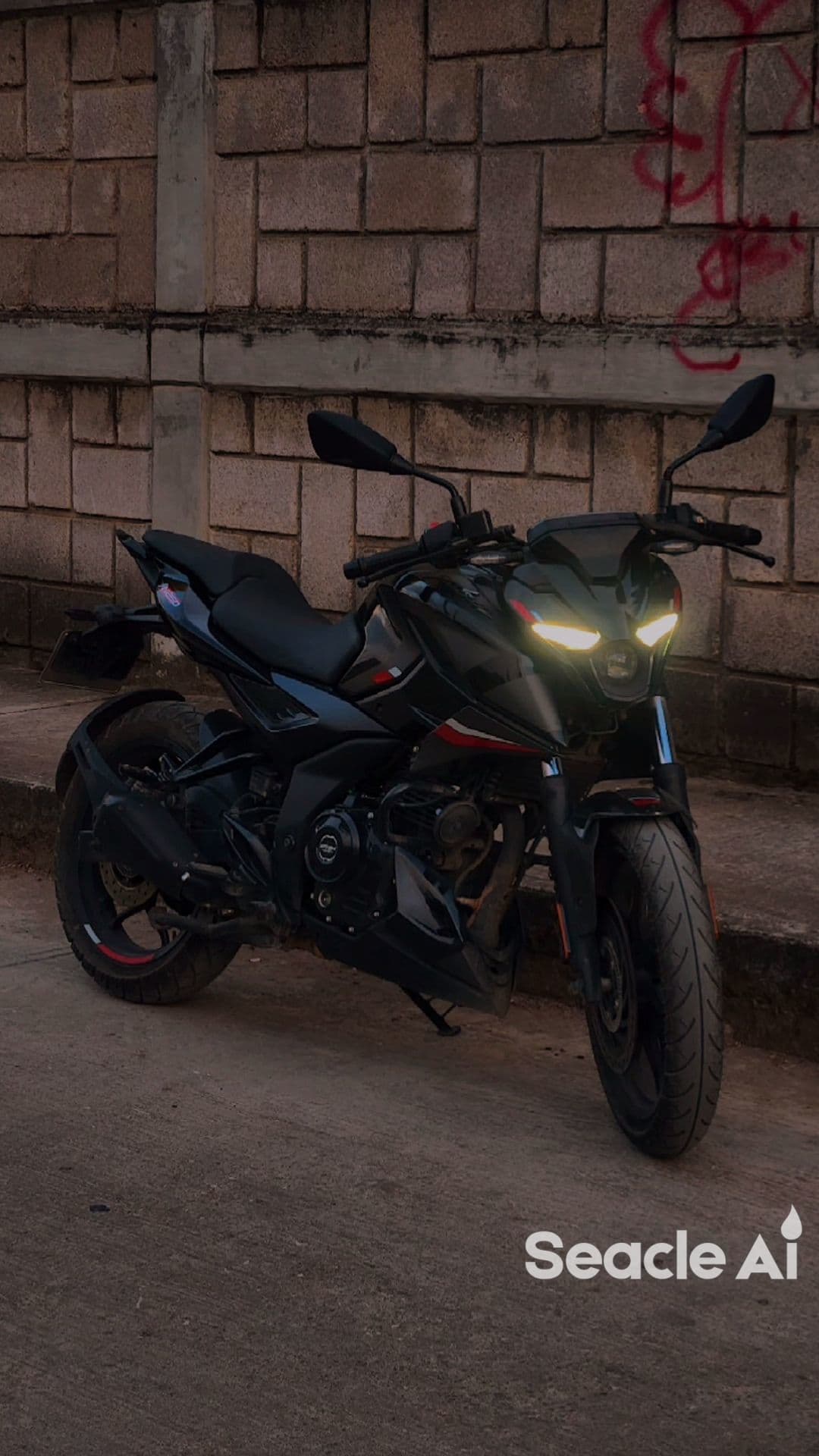
Table of Contents
- Bajaj Pulsar N250 — What it is and who it’s for
- Confirmed specifications
- Expected or rumored specifications
- Minimum height to ride the Bajaj Pulsar N250
- Safety, comfort, and technology features
- Realistic drawbacks and limitations
- Compare: Bajaj Pulsar N250 vs Yamaha FZ 25
- Practical buying guidance
- Frequently Asked Questions
- Conclusion
Bajaj Pulsar N250 — What it is and who it’s for
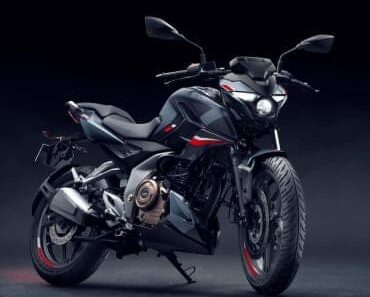
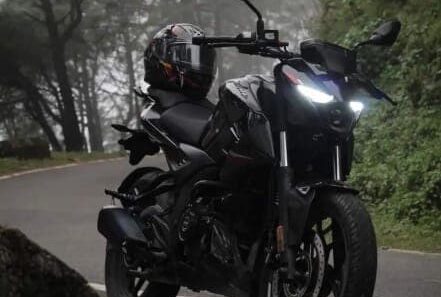
The Bajaj Pulsar N250 is a street-focused, 250cc class naked bike designed for city commuting and occasional highway use. It slots into the mid-size segment where riders want more punch than 150cc machines but do not need the complexity or cost of large-displacement sport bikes. The package is aimed at commuters who like a confident mid-range punch, weekend riders who prefer simple mechanics, and buyers who want modern safety features without a big price premium.
Confirmed specifications
Below are the core specs reported by the manufacturer and consistently verified in road tests and owner reports. These are the figures most buyers can treat as reliable unless the manufacturer issues updates.
| Item | Specification (confirmed) | Note |
|---|---|---|
| Engine | 249 cc, single-cylinder, SOHC, fuel-injected | Oil-cooled/air-assisted system depending on model year |
| Power | About 24 PS (manufacturer-claimed) | Peak power around high revs; usable mid-range is slightly lower |
| Torque | Approximately 21–22 Nm (manufacturer-claimed) | Good for city overtakes and steady cruising |
| Transmission | 5-speed manual gearbox | Positive, short-throw shifts on stock gearbox |
| Top speed | Expected 135–150 km/h range in real-world tests | Depends on load, wind and road incline |
| Mileage (claimed) | Manufacturer claims mid-30s km/l on standard test cycles | Real-world figures vary; see drawbacks section |
| Seat height | About 800 mm | See rider height note below |
| Brakes | Front disc, rear disc, ABS (dual-channel on many variants) | Model-year dependent; ABS standards tightened in recent updates |
| Fuel tank | Approx. 12–13 litres | Good for daily use; affects touring range |
Expected or rumored specifications
Where the manufacturer has not published a specific value or where press reports differ, I use terms like expected or rumored. Treat these as provisional until the company confirms them.
- Minor powertrain tweaks for 2025/26: Reports suggest small ECU mapping updates to improve low-end response and emissions compliance. These are likely software changes rather than hardware overhauls.
- Trim and accessory updates: Some market reports indicate cosmetic packages and optional accessories (ride modes are rumored for special editions) but these remain unconfirmed.
- Weight changes: Any weight reductions are expected to be modest, under 3–4 kg, primarily from trim or plastics revisions.
Minimum height to ride the Bajaj Pulsar N250
The seat height is around 800 mm. For practical control and confidence at traffic stops, most riders under 160 cm (about 5’3″) will find both feet on the ground a challenge. A recommended minimum rider height for comfortable and safe handling is roughly 160 cm (5’3″). Shorter riders can manage with practice and slight posture adjustments, but consider a lower seat or aftermarket drop kit if you are frequently stopping on inclines.

Safety, comfort, and technology features
On safety and day-to-day usability the machine focuses on practical items rather than luxury. The list below separates what you get as standard and what is optional or varies by market year.
Safety
- ABS: Dual-channel ABS is common on recent models, improving stopping stability by modulating front and rear braking under panic or low-adhesion conditions.
- Disc brakes: Disc brakes front and rear provide predictable bite; pad and rotor sizes favor steady deceleration rather than high-performance stopping.
- Lighting: LED headlamp and DRLs on newer trims improve visibility at night and in traffic.
Comfort
- Seating: The saddle is shaped for short- and medium-length rides; seat cushioning is firm, leaning toward durability over plush comfort.
- Riding position: Upright, slightly forward-leaning stance that balances control and city ergonomics. Good for commuting but not optimized for long, relaxed touring.
- Suspension: Telescopic front forks and a rear monoshock tuned for mixed urban roads. It favors stability and controlled rebound over soft comfort.
Technology
- Instrument console: A digital or semi-digital cluster with speed, trip info, fuel gauge and gear indicator on many trims.
- Connectivity: Smartphone-connectivity features are offered on selected trims or as an accessory. These typically include basic call and navigation prompts, not full app ecosystems.
- Engine management: Fuel injection and ECU mapping are standard, contributing to consistent starts and emissions control.
Realistic drawbacks and limitations
No motorcycle is perfect for every task. Below are practical limitations to keep in mind so you do not buy the bike for a use it is not designed to do.
- Not ideal for heavy touring: Small fuel tank and firm seating do not make this the best long-distance touring bike. If you plan multi-day highway trips with heavy luggage, you will want larger tank capacity and a more relaxed riding position.
- Off-road use is not recommended: Street-focused suspension and tyres limit capability on rough or unsealed roads. Avoid serious off-roading; the bike is designed for tarmac.
- Suspension trade-offs: The setup favors stability and handling in traffic over plush comfort. On poor urban surfaces you will feel more bumps than on a commuter-tuned machine.
- Average real-world mileage: While test-cycle figures suggest mid-30s km/l, expect real-world numbers in the low 30s with mixed city and highway riding, especially if you ride aggressively.
- Maintenance and spares: Regular service intervals and consumables (tyres, chain, pads) are affordable, but costs rise if you choose performance tyres or frequent servicing due to hard use.
Compare: Bajaj Pulsar N250 vs Yamaha FZ 25
Here I compare the two machines across the key buyer questions. The focus remains on the Pulsar N250 while offering a clear contrast so you can decide which platform fits your needs.
| Aspect | Bajaj Pulsar N250 (summary) | Yamaha FZ 25 (summary) |
|---|---|---|
| Engine and overall performance | 249 cc single-cylinder, torquey mid-range, tuned for city responsiveness and occasional highway cruising | 249 cc single-cylinder, known for linear delivery and smooth upper-midrange; slightly calmer character |
| Torque, top speed, and mileage | Torque around 21–22 Nm; top speed in the mid-130s to low-140s km/h range; real-world mileage commonly low 30s km/l | Torque slightly lower on paper; top speed similar in practical use; mileage comparable or a hair higher in steady-state highway riding |
| Key features | Dual-channel ABS (on many trims), digital console, LED lights, aggressive styling | Simple, robust chassis; comfortable ergonomics; single-channel ABS in some markets but reliable hardware |
| Price range | Positioned competitively in the mid-250cc bracket; generally priced slightly below equivalent Japanese rivals in many markets | Usually priced a bit higher depending on market due to brand positioning and perceived refinement |
| Which user should choose which | Choose the Pulsar N250 if you want stronger mid-range punch, sharper street presence, and modern safety features at a value price | Choose the FZ 25 if you prioritize calm, predictable power delivery, slightly better refinement, and a plush riding posture for longer runs |
| Tank capacity | Approximately 12–13 L | Typically around 14 L (varies with model year) |
| Braking systems and safety | Front and rear disc; dual-channel ABS on many variants; consistent stopping performance | Front and rear disc; ABS availability varies by trim and market (often single-channel); solid mechanical reliability |
Which is better for city riding?
The Pulsar N250’s torque and sharper throttle response make it more engaging in stop-and-go traffic. If you want quick mid-range response for lane changes and short overtakes, it has the edge.
Which is better for relaxed highway cruising?
The FZ 25’s calmer character and slightly lower vibration levels at steady rpm provide a less tiring highway experience for some riders, while the Pulsar N250 is still adequate for occasional touring.
Practical buying guidance
Deciding between models or trims requires matching the machine to your real use. Here are quick scenarios:
- Mostly commuting, some spirited weekend rides: Pulsar N250 is a strong candidate for its punch and braking package.
- Frequent long-distance touring with luggage: Consider whether the Pulsar’s tank and seating meet your needs; a dedicated tourer or a bike with larger tank might be better.
- Beginner rider seeking refinement: A smoother, friendlier power delivery like the FZ 25 can be less intimidating early on.
Frequently Asked Questions
What is the ideal rider height for the Pulsar N250?
With a seat height near 800 mm, riders around or above 160 cm will find it most comfortable. Shorter riders can manage but may want a lowered seat or practice to build confidence at stops.
Is the Pulsar N250 good for long highway trips?
It can handle highway rides, but the fuel tank and seating are not optimized for long, fully-loaded touring. For frequent long-distance travel, look at larger-capacity machines or carry auxiliary fuel and upgraded seating.
How does the Pulsar N250 perform in the city on fuel economy?
Expect real-world figures in the low 30s km per litre under mixed city-highway use. Aggressive riding or heavy loads will reduce this; steady-speed cruising on highways improves it.
Are maintenance and spare parts expensive?
Routine maintenance is reasonably priced compared with premium brands. Costs can increase if you opt for performance tyres, high-frequency servicing for sport use, or specialised aftermarket parts.
Conclusion
The Bajaj Pulsar N250 is a focused street bike: it offers a strong mid-range punch, a practical safety package and modern features at a competitive price. Its strengths are immediate throttle response, confident braking, and a chassis that suits urban riding and occasional highway runs. The clear limitations are fuel range for long tours, a firmer suspension that trades comfort for control, and a seat height that may be tall for shorter riders.
Match the bike to your regular use. If your riding is mostly urban, with occasional spirited runs, the Pulsar N250 is a sensible, value-rich choice. If your priorities are plush touring comfort or serious off-road capability, this is not the right tool. Think of the bike like a set of small, interacting ripples that shape the overall ride experience: small design choices add up to a distinct character. The key is to pick the machine whose natural tendencies fit how you plan to ride.
Final takeaway: If you want a mid-capacity naked that emphasizes city performance, safety features, and a strong price-to-spec ratio, the Bajaj Pulsar N250 deserves serious consideration. If your needs tilt toward long-range touring or soft suspension comfort, weigh those priorities before you buy.