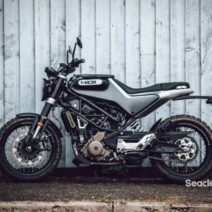




The Royal Enfield Meteor 350 arrived with a simple promise: a comfortable, easy-to-ride cruiser that makes daily miles pleasant without demanding a specialist rider. In this guide I cover what the Meteor is, who it is for, core specifications in plain language and at least one clear limitation so you can decide if it fits your needs.
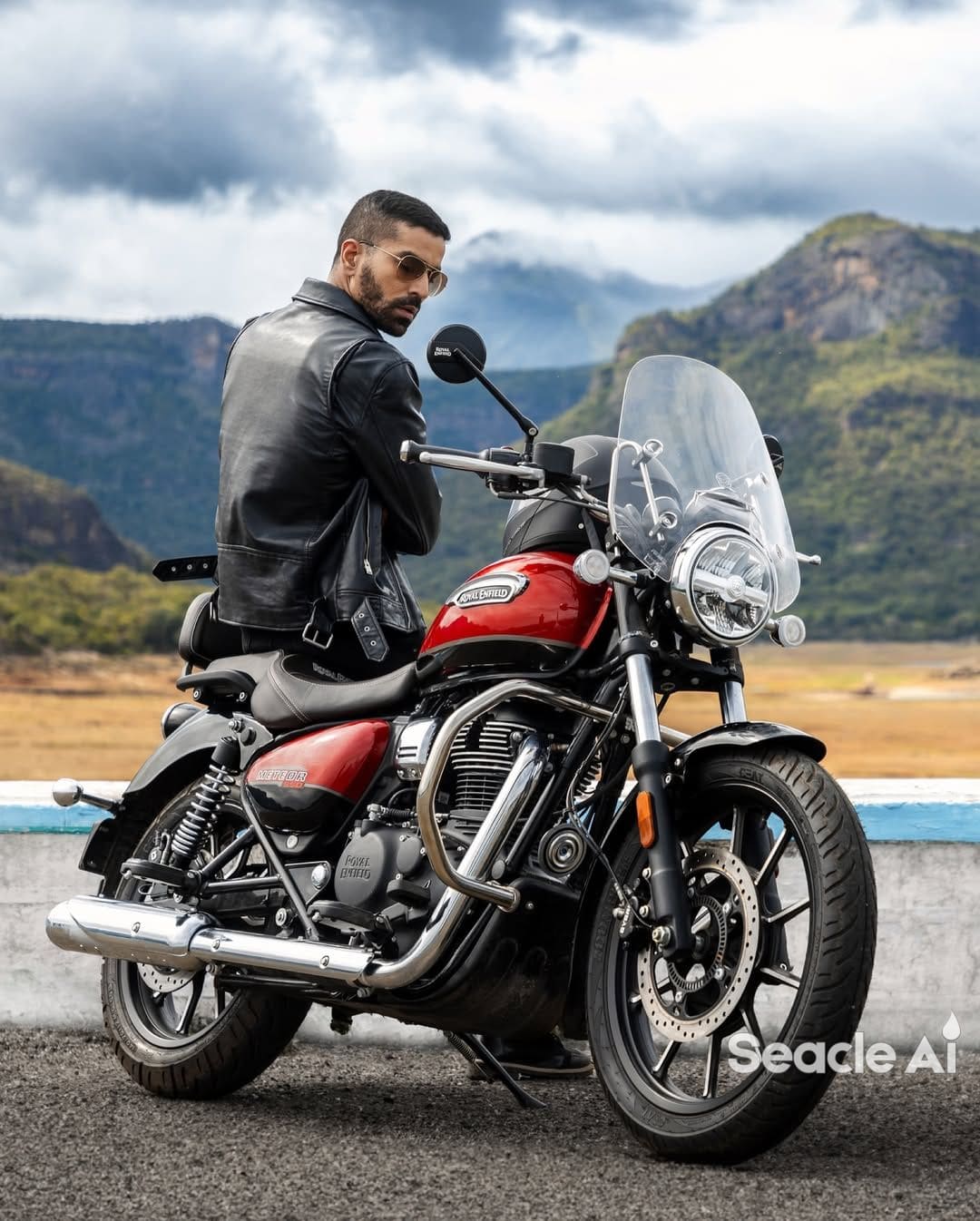
Table of Contents
- Royal Enfield Meteor 350 overview
- Key specifications and what they mean
- Safety, comfort and technology
- Minimum height to ride the bike
- Confirmed vs expected specifications
- Realistic drawbacks and limitations
- Royal Enfield Meteor 350 vs Honda H’ness CB350
- Frequently Asked Questions
- Conclusion
Royal Enfield Meteor 350 overview
The Meteor 350 is a mid-capacity cruiser designed for relaxed, upright riding. It is not aimed at sport riders or hard-core off-roaders. Instead, it targets commuters, cafe-cruiser enthusiasts and riders who want torque and feel at moderate speeds rather than outright performance numbers.
Key specifications and what they mean
Engine
The Meteor 350 uses a single-cylinder, 349 cc air-and-oil-cooled engine with an overhead camshaft. In straightforward terms, that means it is built for low- to mid-range grunt instead of high-revving power. The design favors easy throttle response and predictable power delivery in city and moderate-speed open-road conditions.
Power and torque
– Power: Around 20 to 21 PS (metric horsepower) depending on the exact variant and measurement method.
– Torque: Approximately 27 Nm of torque at low to mid rpm, which is where the bike feels most lively.
These numbers translate to confident acceleration from city speeds and relaxed overtakes on two-lane roads, not sharp sprinting or track-style bursts.
Top speed and mileage
– Top speed: Expect a practical top speed in the 110-125 km/h range under typical riding conditions. Wind, rider weight and gearing affect this.
– Mileage: Real-world fuel economy usually sits between 35 and 45 km/l depending on riding style and traffic. Cruising gently on highways will push you toward the higher end; aggressive city riding lowers the figure.
Transmission
The Meteor features a 5-speed manual gearbox. The gearing is tuned to make the bike relaxed at town speeds and comfortable at steady highway paces. It is not an overdrive-heavy 6-speed cruiser, which keeps simplicity and low-rpm tractability.
Dimensions, weight and seat height
– Seat height: About 765 mm (this is the key number for reachability).
– Kerb weight: In the region of 191 kg (wet), depending on variant and equipment.
– Fuel tank: Roughly 15 liters.
The relatively low seat and moderate weight make the Meteor approachable for a wide range of riders while still feeling stable on open roads.
Safety, comfort and technology
Braking and ABS
The Meteor comes with disc brakes at both ends and ABS. Depending on model year and variant, you will commonly find dual-channel ABS as standard or offered on higher trims. The brakes are tuned for predictable, progressive stopping rather than abrupt bite.
Suspension and ride comfort
Front telescopic forks paired with twin shock absorbers at the rear provide a suspension setup that prefers comfort. It smooths out city imperfections and highway bumps well, though very aggressive cornering will show the limits of the suspension travel and damping.
Ergonomics and long-ride comfort
The riding position favors an upright posture with mid-mounted footpegs on some variants and slightly forward pegs on others. The seat is broad and supportive. For most riders the Meteor is comfortable for multi-hour rides at moderate speeds, but it is not optimized for loaded long-distance touring with heavy luggage.
Technology and modern aids
Features include a semi-digital instrument cluster (speedometer, tachometer, trip meters, fuel gauge) and turn-by-turn navigation via a handlebar-mounted pod on some variants. Bluetooth connectivity for call alerts and navigation prompts is available on selected trims. No advanced rider aids like traction control are fitted as standard.
Minimum height to ride the bike
What is the minimum height to ride Royal Enfield Meteor 350? For a safe, confident reach to the ground and control, a practical minimum rider height is about 160-165 cm. Because the seat sits around 765 mm, riders shorter than that may need to tiptoe or adapt a bit, though many shorter riders manage with careful stance and slightly angled foot positioning.
Confirmed vs expected specifications
Confirmed (manufacturer and widespread road tests): 349 cc single-cylinder engine, 5-speed transmission, roughly 20-21 PS power, about 27 Nm torque, seat height ~765 mm, fuel tank ~15 liters, kerb weight ~191 kg, disc brakes front and rear, ABS present on modern trims.
Expected or rumored (as per reports and market chatter for 2025–2026 updates): minor ECU tuning tweaks, occasional equipment upgrades such as improved Bluetooth functionality or variant-specific styling cues. If you are reading this before an announced model release, treat those items as likely but not final.
Realistic drawbacks and limitations
No vehicle is perfect. Here are balanced points to consider before you buy:
- Not ideal for heavy highway touring with large loads — The Meteor can do long distances comfortably, but its suspension, fuel range and luggage fitment are not optimized for fully loaded, multi-day touring at high average speeds. If you plan frequent long-haul rides with heavy panniers and a pillion, you may find yourself making compromises.
- Performance-focused riding — This bike is not built for high-speed cornering or track use. The engine and chassis prioritize character and smooth torque over outright acceleration and high rpm stability.
- Average mileage variance — Mileage depends heavily on conditions. In congested urban use you will likely see lower numbers than on open roads, and regular servicing is important to keep economy steady.
- Maintenance and running costs — While generally affordable, a mid-capacity cruiser still needs regular valve checks and periodic servicing; parts and scheduled maintenance cost less than large-capacity bikes but more than low-displacement commuters.
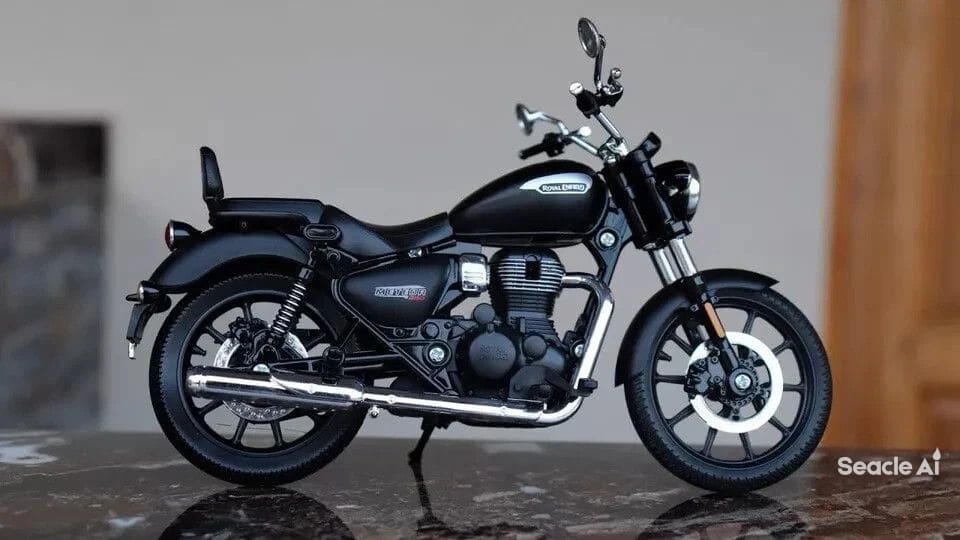
Royal Enfield Meteor 350 vs Honda H’ness CB350
Below is a focused comparison meant to highlight differences from the Meteor’s perspective. The goal is to help you choose based on what matters: daily comfort, touring potential, or measured performance.
| Comparison | Royal Enfield Meteor 350 | Honda H’ness CB350 |
|---|---|---|
| Engine and overall performance | 349 cc single-cylinder, tuned for low/mid torque and relaxed riding. Strong around town and for moderate cruising. | Around 348 cc single-cylinder, tuned slightly higher in peak output for a sportier feel while retaining cruiser ergonomics. |
| Torque, top speed, mileage | Torque ~27 Nm; practical top speed ~110-125 km/h; mileage typically 35–45 km/l in varied conditions. | Torque is commonly a bit higher on paper (~29–30 Nm), with top speeds often reported slightly higher and real-world mileage closer to 30–36 km/l depending on riding. |
| Key features | Semi-digital cluster with navigation pod on select trims, comfortable ergonomics, available ABS, simple tech focus. | Semi-digital instrumentation, refined chassis tuning and sometimes richer feature list depending on market; premium fit and finish aimed at a slightly more refined ride feel. |
| Price range (typical) | Positioned as value-oriented for a mid-weight cruiser; prices vary by market and trim but generally sit in a mid-range segment for cruisers. | Usually priced slightly higher in many markets due to positioning and perceived refinement, but actual numbers vary with local taxes and feature levels. |
| Who should choose which | Choose the Meteor if you want a relaxed, characterful cruiser for city and light touring, with an emphasis on comfort and throttle feel. | Choose the H’ness CB350 if you want a slightly more refined ride and are willing to pay a premium for extra polish and marginally stronger performance. |
| Tank capacity | About 15 liters, which gives practical range but requires reasonable planning on long trips. | Also around 15 liters on most trims; range differences come down to riding style and efficiency. |
| Braking systems and safety | Disc front and rear with ABS; braking is tuned for predictable stopping. Dual-channel ABS is common on modern trims. | Disc brakes with ABS standard on many trims; Honda’s brake feel is often tuned for confidence and modulation. |
Frequently Asked Questions
How much luggage can the Royal Enfield Meteor 350 carry?
The Meteor does not have an integrated large-capacity touring setup out of the box. With aftermarket panniers and a rack it will carry moderate luggage for weekend trips, but very heavy loads will upset handling and may require suspension tweaks.
Is the Meteor 350 good for two-up riding?
Yes, it accommodates two riders comfortably for city and medium-length rides. For extended touring with a pillion, consider luggage needs and suspension adjustments to maintain comfort.
What kind of maintenance should owners expect?
Routine servicing (oil, filter, valve clearance checks) at manufacturer-recommended intervals. Expect periodic items like chain maintenance and brake pad replacement. Costs are moderate compared to larger-capacity bikes.
Can the Meteor be used for light off-roading?
No. The chassis and suspension are not designed for off-road work. Light gravel or firm dirt tracks may be passable, but serious off-roading is not a use case for this bike.
Conclusion
The Royal Enfield Meteor 350 is a purposeful mid-weight cruiser built around comfort, approachable ergonomics and low-to-mid-range torque. It suits commuters who prefer relaxed riding, weekend cruiser riders and anyone who values character and simplicity over outright speed. The Meteor’s confirmed strengths are a friendly torque curve, manageable seat height, and usable tech on modern trims. Its clear limitations are that it is not the best choice for serious off-roading, heavy long-distance touring with large loads, or riders seeking performance-focused handling at high speeds.
If you prioritize easy daily riding and an engaging, uncomplicated experience, the Meteor makes sense. If your priorities are maximum top speed, race-style performance or heavy touring with lots of luggage, you should consider alternatives or add aftermarket modifications to the Meteor to close those gaps. Think of choosing a motorcycle like selecting a quiet section in an old library: you want the shelf that speaks in the tone you prefer, not the loudest shelf on the block. The Royal Enfield Meteor 350 offers a calm, confident voice for the majority of everyday riders.
Royal Enfield Meteor 350 is best understood as a practical cruiser with a few trade-offs, and a clear set of strengths that make it a sensible choice for many riders.