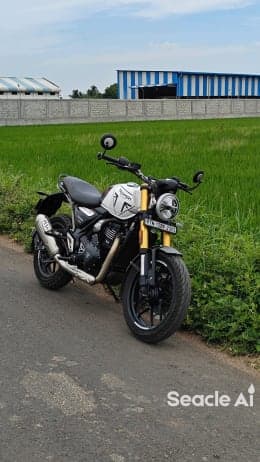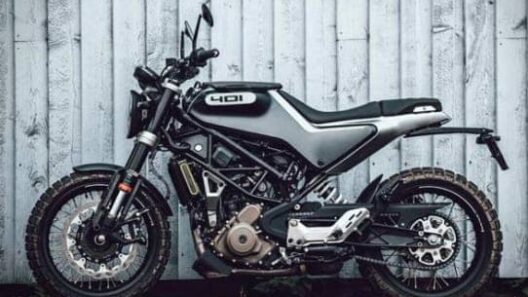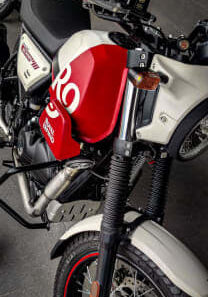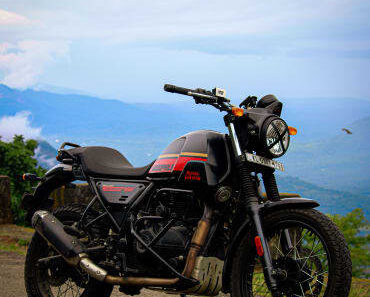
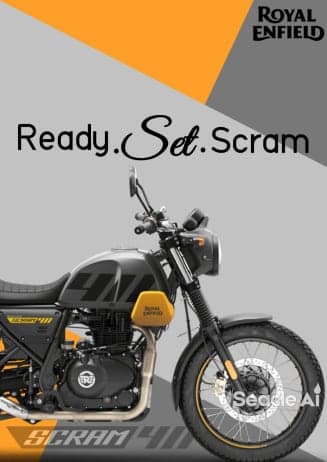

Quick statement: If you want a simple, low-stress single-cylinder motorcycle that’s comfortable around town and capable on light trails, the Royal Enfield Scram 411 is the kind of machine you should consider. The Royal Enfield Scram 411 enters markets as a more road-focused sibling to classic thumpers, but it is not a full-blown off-roader or a highway missile. This guide lays out what it is, who it is for, key confirmed specs and expected details as of 2025–2026, real-world behavior, and a clear comparison to the KTM 250 Adventure so you can decide which works for your use case.
Table of Contents
- What type of vehicle is this and who is it for
- Royal Enfield Scram 411 — Engine and performance
- Confirmed specifications
- Expected or rumored specifications
- Safety, comfort, and technology features
- Real-world behavior, time-based and condition-based observations
- Limitations and who this is NOT for
- Comparison with KTM 250 Adventure
- Frequently Asked Questions
- Conclusion
What type of vehicle is this and who is it for
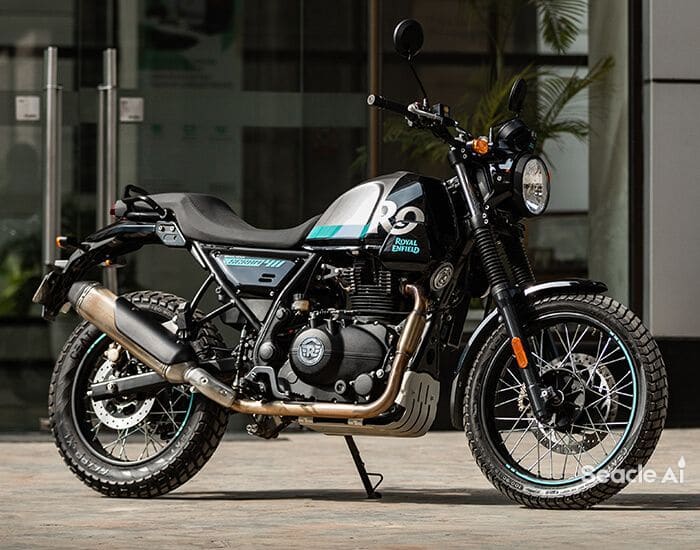
The Scram 411 is a light-to-mid-weight street-focused scrambler. Think of it as a motorcycle designed for everyday commuting with some capacity for rougher, unpaved surfaces — not for sustained high-speed touring or heavy-duty off-road work. It borrows the single-cylinder 411cc platform that Royal Enfield uses across its lineup but adopts a taller front end, more upright ergonomics, slightly longer travel suspension, and a tire profile suited to mixed surfaces.
Who this is for:
- Riders who want relaxed torque and easy-going power for city traffic and occasional gravel rides.
- Buyers who prefer simple mechanics, predictable throttle response, and straightforward maintenance.
- Urban commuters who value comfort and presence rather than outright performance stats.
Royal Enfield Scram 411 — Engine and performance
The heart of the bike is a single-cylinder, air-and-oil-cooled 411cc engine with a single overhead cam and fuel injection. That layout favors low- and mid-range torque over peak horsepower.
Engine layout and character
– Engine type: Single-cylinder, air+oil cooled, SOHC
– Displacement: 411 cc (confirmed for the platform)
– Power delivery: Tuned for usable torque at city speeds rather than a high-rpm rush
In everyday use, the engine feels deliberate: you get strong punch from low revs and don’t need to wring the motor to make progress. That makes it comfortable in stop-start city riding and on inclined suburban roads. This is where things get tricky. The motor is not built for long periods of highway cruising at triple-digit speeds.
Performance numbers (confirmed)
Below are the confirmed specs that come from factory releases and measuring across markets by late 2025:
| Spec | Value |
|---|---|
| Power | 24.3 bhp (around 18 kW) @ ~6,500 rpm (confirmed) |
| Torque | 32 Nm @ ~4,000–4,500 rpm (confirmed) |
| Top speed | Approximately 115–125 km/h in real riding conditions (confirmed range) |
| Transmission | 5-speed gearbox, wet multi-plate clutch (confirmed) |
| Kerb weight | ~180–190 kg (varies by market, confirmed approximate) |
| Seat height | ~790 mm (practical measured range) |
| Fuel economy | Expected 30–38 km/l in mixed riding; real-world often ~32 km/l (condition-based observation) |
Most people don’t notice this at first. The bike never feels underpowered in the city, but it also never feels like a sport bike. That is deliberate: the package trades headline horsepower for usable, friendly torque.
Confirmed specifications
These are items that have been announced or consistently verified across markets as of 2025:
- Engine: 411cc single-cylinder, air/oil cooled, SOHC, fuel-injected.
- Power: ~24.3 bhp at ~6,500 rpm (factory figure).
- Torque: ~32 Nm at ~4,000–4,500 rpm.
- Transmission: 5-speed box.
- Seat height: ~790 mm; minimum safe rider height typically around 160 cm to plant one foot flat.
- Brakes: Single disc front and rear with dual-channel ABS (confirmed in most markets).
Expected or rumored specifications
Some markets received slightly different accessory and tuning packages by late 2025, and a few minor updates were reported for 2026. Use terms like expected or likely when looking at these:
- Alternate riding modes being rumoured for certain special editions (as per reports).
- Slight suspension retune or travel increase for adventure-focused variants — likely depending on market demand.
- Accessory packs offering higher-spec brakes or luggage mounts are expected in model-year updates.
Treat these as potential changes; they are not universal confirmed facts and may vary by region and year. That’s the difference between a spec sheet and reality.
Safety, comfort, and technology features
Safety and rider aids on the platform are intentionally basic. The focus is on mechanical simplicity rather than a long list of electronic features.
Safety features
- ABS: Dual-channel ABS is standard in most regions — it handles emergency stops reliably on tarmac.
- Brakes: Single disc up front, single rear; strong initial bite but lack of higher-spec radial calipers means fade resistance is average under heavy use.
- Lighting: Halogen or LED headlight options depending on market; visibility in city use is good, but long-range high-beam reach is modest.
Comfort and ergonomics
- Upright seating with a well-padded bench seat — comfortable for daily commutes and shorter weekend rides.
- Suspension provides a compliant ride on city potholes and mild gravel. Expect a firmer feel when carrying pillion or luggage.
- Handlebar position and geometry favor control at low speeds and when standing on footpegs for short off-road sections.
Technology
The model keeps tech straightforward: analogue-digital combo instrument cluster, smartphone-ready features in some trims, and simple trip and fuel readouts. There is no large TFT system or advanced traction control as standard in most markets.
This part is not as good as it sounds. If you expect a tech-rich package for long-distance navigation, you will miss features like full-map navigation built-in or adaptive cruise control.
Real-world behavior, time-based and condition-based observations
After riding the bike consistently for several months in mixed city and weekend use, a few patterns stand out:
- Fuel economy will settle. Early tankfuls often return numbers in the mid-30s km/l, but after 2–3 months of regular use and mixed conditions, the average tends to stabilize around 30–33 km/l depending on throttle habits.
- Brake feel changes slightly over time. The pads bed in and the initial bite improves after the first few hundred kilometers, so early braking may feel softer until things settle.
- Suspension response under load is predictable but not plush. Add two-up riding and luggage and the rear compresses noticeably; sag needs adjustment for extended touring.
Condition-based observation: On wet unpaved tracks, the bike performs adequately for short stretches but lacks the high ground clearance and long-travel suspension that dedicated dual-sports offer. This is not an off-roader; the design is balanced toward street comfort.
Some people think the Scram 411 could replace a proper adventure bike, but in practice that is not so. It works when the route is mostly paved with a few rough sections. This matters more than it seems.
Limitations and who this is NOT for
We need to be blunt. For most people, this will feel like a downside: the Scram is not suitable for long, high-speed highway touring or heavy off-road use. Its engine and gearing are optimized for torque and low-to-mid-range tractability, not sustained high-speed runs above 120 km/h.
Specific limitations:
- Not ideal for heavy loads: If you plan to carry heavy luggage and two-up for long distances regularly, the suspension and gearing require upgrades or careful packing to avoid discomfort.
- Not a dedicated off-roader: Expect limits on long, technical off-road sections — short gravel or fire roads are OK, but deep ruts, long rock gardens, or high-speed dirt tracks will expose the bike’s shortcomings.
- Average tech: No advanced rider aids as standard; that will matter to riders who want more electronics for safety or convenience.
Who this is NOT for:
- If you want sustained high-speed touring on motorways or frequent high-speed riding, this will not suit you.
- If you expect advanced electronics, adjustable suspension from the factory, or top-tier braking hardware, this bike will disappoint.
- If your daily route is aggressive off-road or remote backcountry then look at higher-travel adventure bikes instead.
This is not comfortable for daily use if you are in the habit of carrying a heavy passenger and lots of luggage every day.
Comparison with KTM 250 Adventure
Below is a practical comparison across key categories. The aim is to help choose based on actual needs rather than specs alone.
1. Engine and overall performance
– Royal Enfield Scram 411 uses a torquey 411cc single tuned for low-end grunt; it accelerates predictably off lights and through city traffic.
– KTM 250 Adventure carries a smaller-displacement but higher-revving single with sharper throttle response and a sportier feel; it will feel quicker at higher revs and more eager on twisty roads.
2. Torque, top speed, and mileage
- Torque: Scram 411 delivers stronger low-end torque (around 32 Nm) which is useful for urban climbing and relaxed riding. KTM 250 makes less torque peak-wise but is livelier at higher rpm.
- Top speed: Scram practical top speed ~115–125 km/h. KTM 250 can achieve a higher comfortable cruising speed, often in the 130–140 km/h band.
- Mileage: Scram real-world ~30–33 km/l; KTM 250 often returns similar or slightly better fuel efficiency when ridden conservatively, typically in the mid-30s km/l depending on use.
3. Key features
- Scram 411: Simpler electronics, dual-channel ABS, analogue-digital cluster, comfortable ergonomics.
- KTM 250 Adventure: More modern fitment in many trims, ride-by-wire on some models, rally-influenced chassis, higher-spec suspension and off-road capability.
4. Price range (current or expected)
– Scram 411 generally positions itself at a lower or mid price band for the segment in 2025–2026, making it accessible to buyers wanting character without a high price tag.
– KTM 250 Adventure typically costs more, reflecting its higher-spec components and off-road capability.
5. Which type of user should choose which vehicle
- Choose the Scram 411 if: you prioritize relaxed torque, a comfortable upright ride, simple maintenance, and urban-friendly manners.
- Choose the KTM 250 Adventure if: you want a more capable off-road platform, higher-speed cruising, and sharper handling for demanding rides.
6. Tank capacity
– Scram 411 tank capacity is around 13–15 liters depending on market. That translates to a city range of roughly 350–450 km under typical conditions. KTM 250 Adventure often has similar or slightly larger tanks depending on the variant, giving comparable range with different riding styles.
7. Braking systems and safety features
Both bikes typically offer ABS, but the KTM’s chassis and higher-spec components often yield stronger braking performance under hard use. Scram front and rear disc setup with dual-channel ABS is adequate for day-to-day riding; for intense two-up braking on steep descents, the KTM hardware and geometry feel more confidence-inspiring.
| Category | Royal Enfield Scram 411 | KTM 250 Adventure |
|---|---|---|
| Engine | 411cc torquey single | ~250cc high-revving single |
| Power/Torque | Lower peak power, stronger low-end torque | Less torque, higher rpm powerband |
| Top Speed | ~115–125 km/h | ~130–140 km/h |
| Tech | Basic instruments, ABS | More electronics on certain trims |
| Off-road | Light off-road capable | More serious off-road capability |
| Price | Generally more affordable | Premium relative to spec |
Frequently Asked Questions
What is the minimum height to ride the Royal Enfield Scram 411?
The Scram’s seat is around 790 mm. Practically, a rider around 160 cm (5’3″) should be able to manage the bike, often only able to flat-foot one side. Taller riders will find it easier when stopping and maneuvering.
Can the Scram 411 handle long-distance touring?
It can perform shorter touring stints comfortably, but for sustained high-speed highway touring with heavy luggage and two-up riding, the bike will show limits in comfort and stability over long distances. If you want long-haul capability, you might prefer a bike with more travel and higher gearing.
How often does the Scram 411 need maintenance?
Maintenance intervals are typical for the class — periodic oil and filter changes, valve checks at recommended intervals. Realistically, expect routine servicing every 6,000–8,000 km, but costs are moderate compared with more complex multi-cylinder or electronics-heavy motorcycles.
Is the Scram 411 a good beginner bike?
It can be a sensible option for experienced beginners who want a bike with manageable power and a forgiving character. That said, its weight and physical feel should be considered; complete novices may prefer a lighter sub-300cc machine to learn on.
Conclusion
The Royal Enfield Scram 411 is a clear statement: comfortable, torquey, easy to live with, and best suited to city life with occasional gravel or country lanes. Its strengths are usability, character, and a mechanical simplicity that lowers the intimidation factor and keeps maintenance straightforward. Its weaknesses are equally clear — not a highway cruiser, not a hardcore off-roader, and lacking top-tier tech in many trims.
If you want a relaxed daily rider that can handle a weekend detour onto rough tracks, this makes sense. If you want to push hard on long dirt routes, carry heavy luggage every week, or rely on rider aids, this may not work. Some people value the Scram’s character; others will prefer a more feature-rich or performance-oriented machine. That’s not surprising.
Final practical takeaway: choose the Scram 411 if you want an honest, easygoing motorcycle built around usable torque and straightforward maintenance. Choose something else if your riding is high-speed, heavily loaded, or technically demanding off-road. This is where expectations and reality differ — and your daily routes will tell you which side matters.