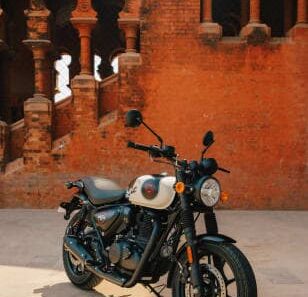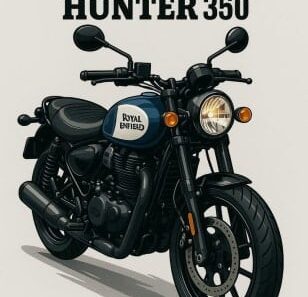


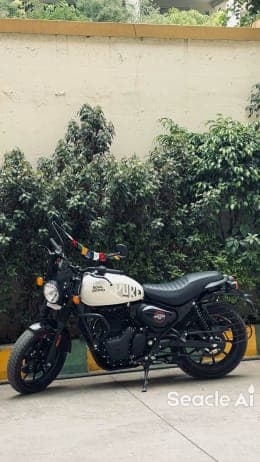

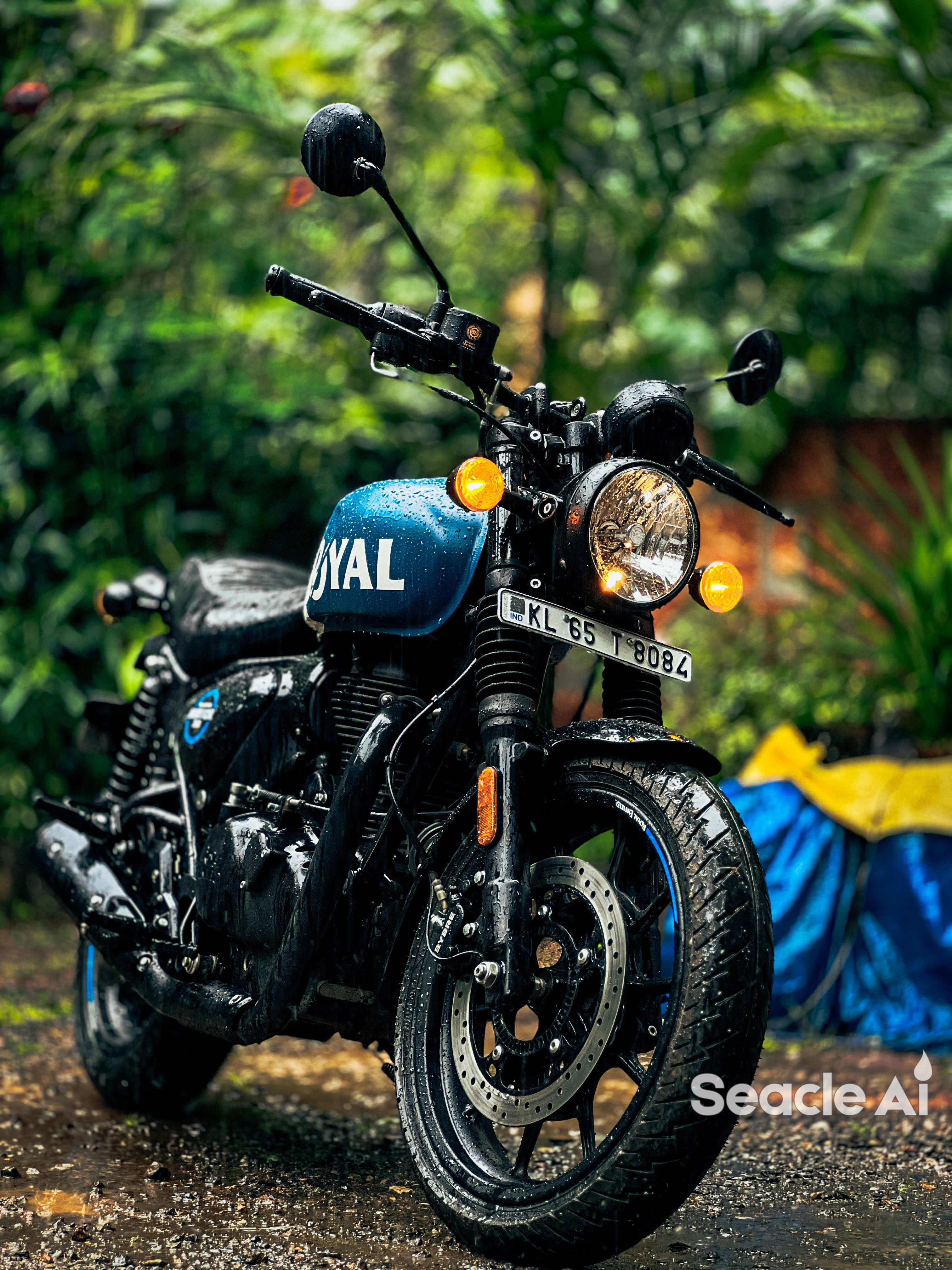
Short, to the point: the Royal Enfield Hunter 350 is a small-displacement street motorcycle built for everyday riding, easy handling and a classic-but-modern look, and it makes a lot of sense for riders who want simple charm rather than racetrack performance. In real use, it combines a friendly engine, comfortable ergonomics and basic tech that fits urban and light touring duties.
Table of Contents
- Royal Enfield Hunter 350 – What it is
- Confirmed specifications
- Expected or reported changes
- Practical use and ride impressions
- Safety, comfort, and technology
- Limitations and real-world drawbacks
- Comparison with KTM 250 Duke
- Who this is NOT for
- Frequently Asked Questions
- Conclusion
Royal Enfield Hunter 350 – What it is
The Royal Enfield Hunter 350 is a light, street-focused motorcycle aimed at riders who value easy manners, a relaxed riding position and simple mechanicals. It is neither a heavy tourer nor a performance bike; instead, it sits in the middle as an approachable everyday ride for city commutes, short weekend runs and casual two-up trips when you want style without complexity.
Confirmed specifications
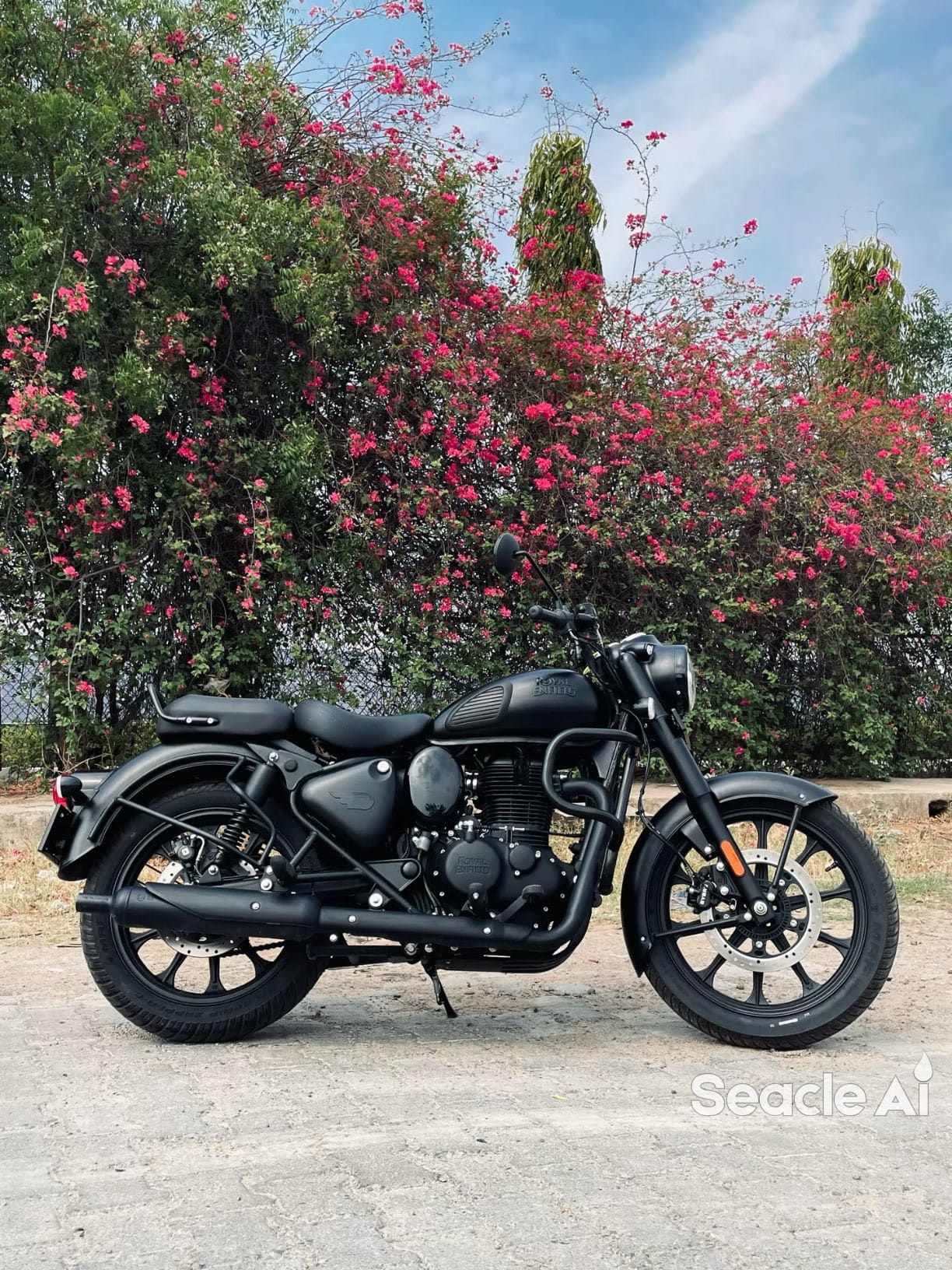
Here are the core, confirmed numbers you can use to compare or plan. These are taken from manufacturer specs and commonly validated sources as of 2025.
| Item | Value |
|---|---|
| Engine | Single-cylinder, air/oil-cooled, SOHC, 349 cc, fuel injection |
| Power | Approx. 20.2 PS (around 19.9 bhp) at ~6,100 rpm |
| Torque | Approx. 27 Nm at ~4,000 rpm |
| Transmission | 5-speed manual |
| Top speed (realistic) | About 110–120 km/h depending on load and wind |
| Fuel economy (real-world) | Typically 35–42 km/l under mixed riding |
| Seat height | Approx. 790 mm |
| Kerb/curb weight | Roughly 181 kg (model and trim can vary) |
| Fuel tank | About 13 litres |
| Brakes | Front disc (~300 mm) and rear disc (~270 mm) with ABS |
Most of these values are unchanged in recent model years; the engine and gearbox architecture remain a signature of Royal Enfield’s 350 family.
Expected or reported changes
As of reports in 2025 and early 2026, Royal Enfield has kept the Hunter 350 largely the same mechanically. Any updates through 2025 were cosmetic or software tweaks such as updated instrument cluster software, new colourways and small suspension retunes. If any future refresh appears, it is likely to be incremental: revised graphics, minor suspension calibration changes or additional accessory options. These items are expected or reported rather than confirmed and may vary by market.
Confirmed vs rumored
- Confirmed: 349 cc single, 5-speed, around 20 PS / 27 Nm, 790 mm seat height, 13 L fuel tank.
- Rumored / expected: software updates to the instrument cluster, possible small suspension tuning for 2026 model year in select markets.
Practical use and ride impressions
In city traffic the Hunter 350 feels calm, predictable and easy to place. The low-speed torque is friendly and you do not need to be constantly in high revs to make progress. For new riders or commuters this is a major advantage — the bike behaves like a steady companion rather than a wild animal.
On open roads, expect a composed but not sporty ride. Top-end performance is limited; the motor prefers to be used in the mid-range where torque is accessible. For highway stretches you can cruise comfortably at 90–100 km/h. Pushing past 110 km/h is possible but the engine becomes noisy and vibrations are more noticeable.
This is where things get tricky.
After long periods of riding (several hundred kilometres in a day) the seat does start to show its limits for tall riders; you will feel more fatigue than on a sport-touring machine. Over time, owners also report typical maintenance items like chain adjustments and valve checks coming around at regular intervals — nothing unusual for a motorcycle, but still part of ownership.
Minimum height to ride the bike
With a seat height of about 790 mm, most riders with an inseam of 75–80 cm can plant at least one foot flat on the ground comfortably. Practically, that translates to a recommended minimum rider height of around 158–162 cm (about 5’2″–5’4″) for confident stops. Shorter riders can still ride it, but you may need to tiptoe at lights or consider lowering options.
Safety, comfort, and technology
The Hunter 350 focuses on straightforward features rather than advanced electronics. That has pros and cons.
- Safety: Disc brakes front and rear with ABS provide reliable stopping power. The system is conventional ABS, tuned for road use rather than track performance. Some ABS-based linked features seen on higher-end bikes are not present here.
- Comfort: Upright seating, wide handlebars and a cushioned seat suit city and short touring. Suspension absorbs typical urban bumps well but busy two-up riding over long distances can get a bit harsh.
- Technology: The instrument cluster is a mix of analogue and digital or a fully digital unit depending on trim; it shows essentials like gear indicator, trip meters and basic connectivity in some variants. Expect Bluetooth pairing in higher trims, but advanced rider aids like traction control or multiple ride modes are not standard.
Most people don’t notice this at first.
Limitations and real-world drawbacks
Be frank: the Hunter 350 is not a do-everything motorcycle. Call out its limits so expectations match reality.
- Not for heavy touring: The bike is not ideal for long, high-speed interstate trips with a pillion and luggage. The engine and chassis are tuned for moderate loads; sustained high-speed touring will expose vibration and comfort limitations.
- Not designed for off-roading: The suspension travel, ground clearance and tyre choice suit paved streets rather than rough trails. This is not a dirt bike.
- Performance-focused riders will be disappointed: If your goal is lap times or rapid acceleration, this will feel underpowered compared with modern 250–400 cc sportier machines.
- Maintenance and ownership considerations: For most people, servicing costs are reasonable, but parts and labour for periodic checks (valve clearances, chain service, clutch adjustments) add up over years. This is not expensive to maintain compared to premium bikes, but it is not maintenance-free. This is expensive to maintain, no way around it. (Blunt, but owners must budget for service.)
This is not ideal for everyone.
Comparison with KTM 250 Duke
Below is a side-by-side look at the practical differences, followed by specific points of comparison.
| Spec / Item | Royal Enfield Hunter 350 | KTM 250 Duke |
|---|---|---|
| Engine | 349 cc single, air/oil-cooled, tuned for low-end torque | 248.8 cc single, liquid-cooled, DOHC, tuned for higher power and revs |
| Power | ~20.2 PS | ~29–31 PS (depending on market and model year) |
| Torque | ~27 Nm | ~24 Nm |
| Top speed (approx) | 110–120 km/h | 135–150 km/h |
| Mileage (real world) | 35–42 km/l | 25–35 km/l |
| Key features | Simple ergonomics, basic connectivity on higher trims, classic styling | Sport chassis, modern TFT display, sharper suspension, more aggressive ergonomics |
| Price (approx, 2025) | Lower mid-range price band; typically more affordable in many markets | Higher price band; premium small-displacement performance bike |
| Tank capacity | ~13 L | ~13.5 L (varies by model) |
| Braking / Safety | Front and rear discs with ABS; conventional setup | Front and rear discs, dual-channel ABS, more performance-oriented brake feel |
1. Engine and overall performance
The Hunter 350’s motor is built for usable torque and relaxed riding. It pulls well from low revs, making it easy in city traffic. The KTM’s engine is a revvier: more peak power and quicker acceleration, but you have to work it. Some people think the higher power equates to better everywhere performance, but in town the smoother low-end of the Hunter often feels more usable.
2. Torque, top speed, and mileage
Torque figures favor the Hunter on paper, which translates to easier city progress and simpler overtakes at moderate speeds. The KTM will win on top speed and outright acceleration due to higher power and a sportier chassis. If fuel economy matters, the Hunter generally wins a real-world mpg battle.
3. Key features
KTM leans into modern features: sharp chassis, advanced electronics in some trim levels and a very modern dash. The Hunter trades tech for simpler ergonomics and a classic look. That might be preferred if you want less gadgetry to manage.
4. Price range
Prices vary dramatically by country and dealer. As of 2025, Hunter 350 tends to sit lower in the price ladder than the KTM 250 Duke in most markets, making it attractive for buyers prioritising budget and style over outright sportiness.
5. Which user should choose which bike
- Choose the Hunter 350 if: you want an easygoing, stylish commuter that is comfortable in city riding and short trips. If you prefer torque in low rpm and classic character, this makes sense.
- Choose the KTM 250 Duke if: you want sharper performance, a sportier chassis, and more modern tech. This makes sense for riders who enjoy spirited riding, track days and a more performance-oriented feel.
6. Tank capacity
The Hunter’s roughly 13-litre tank gives a good urban range because of its efficient engine. That beats many small-displacement sport bikes on overall distance between fill-ups.
7. Braking systems and safety features
Both bikes feature disc brakes and ABS. The difference is in tuning: the KTM’s lighter chassis and sport brakes feel more immediate under hard braking. The Hunter stops reliably, but it is tuned for predictable, everyday use rather than performance braking.
Who this is NOT for
Be blunt: the Hunter 350 will disappoint certain buyers.
- Not for off-roaders: If you want to ride trails or rough dirt roads, this is not the right machine.
- Not for high-speed touring fans: If your regular use is long highway runs with a pillion and luggage, this may not work. The engine, wind protection and suspension will show limitations.
- Not for performance junkies: If you want the fastest acceleration or the highest top speed in the segment, look at sportier alternatives.
Some people think buying a Hunter means getting the best of all worlds, but in practice you get a specific set of strengths: urban manners, style and low-speed torque. That’s valuable if it matches your needs; otherwise look elsewhere.
Frequently Asked Questions
What is the minimum height to ride Royal Enfield Hunter 350?
Seat height is about 790 mm. Riders around 158–162 cm tall typically manage it comfortably. Shorter riders can ride it but may need to use tip-toe stance at stops.
How much mileage can I expect in daily use?
Expect around 35–42 km/l in mixed city and highway riding if you keep commuting speeds moderate. Aggressive riding will drop that number; very economical riding can push it higher.
Is the Hunter 350 good for two-up riding?
Yes for short trips and city errands. For extended two-up highway touring you will notice compromises in comfort and wind protection; luggage capacity is also limited unless you add accessories.
Are parts and service expensive?
Service costs are moderate compared with premium sport bikes. Regular servicing items like chain, oil and valve checks are expected costs. For some owners this feels higher than expected over several years, so budget for routine maintenance.
Conclusion
The Royal Enfield Hunter 350 is a clear, honest proposition: a friendly, torque-rich 349 cc motorcycle that prioritises everyday usability, classic styling and simple technology. Its strengths are apparent the moment you ride it in town — easy handling, comfortable ergonomics and a characterful engine. Over time, you will appreciate its low-speed manners and frugal real-world fuel use.
Drawbacks are straightforward: it is not made for off-roading, long high-speed touring or performance-focused riding. If your priorities are sharp handling, higher top speed and modern electronic aids, this may not work. For most urban riders who want an approachable, stylish motorcycle that is easy to maintain and comfortable for regular commuting, the Hunter 350 is a solid choice.
This part is not as good as it sounds. For buyers who want a mix of classic feel with modern convenience but without complex electronics, the Hunter 350 fits neatly. If you want a buzzworthy performance bike, look elsewhere. The decision comes down to use: If you want a relaxed urban bike that looks good and is simple to own, the Hunter 350 makes sense. If you want outright performance or long-distance comfort, it probably won’t.