
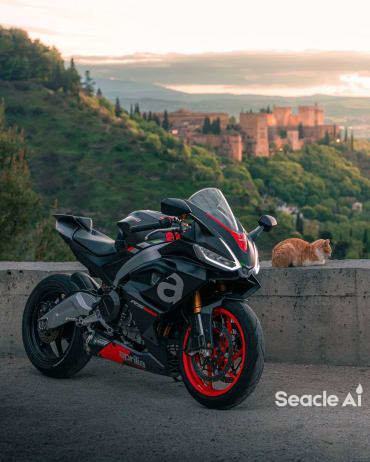

Hard facts first: the Aprilia RS 457 is positioned as a middleweight sport motorcycle aimed at riders who want sportbike dynamics without the full-on aggression and upkeep of a 600cc class machine. Aprilia RS 457 arrives as a compact, twin-cylinder sport option that suits a mix of spirited weekend rides and weekday commutes.
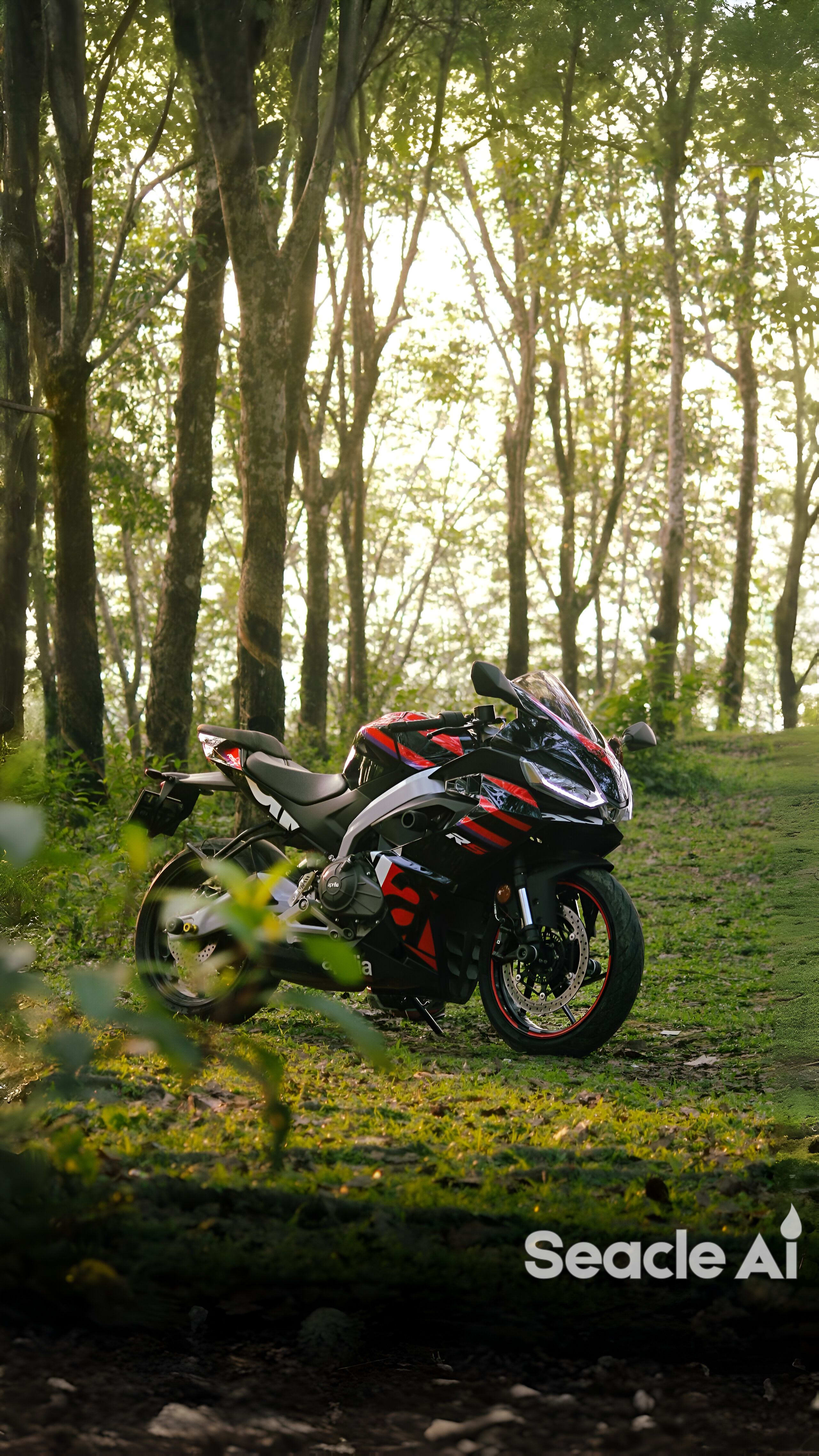
Table of Contents
- What is the Aprilia RS 457 and who is it for?
- Specifications: engine, power, torque, top speed, mileage, height and transmission
- Minimum height to ride the Aprilia RS 457
- Safety, comfort and technology
- Practical use cases and real-world observations
- Aprilia RS 457 vs Yamaha R7
- Confirmed vs expected specifications
- Frequently Asked Questions
- Conclusion
What is the Aprilia RS 457 and who is it for?
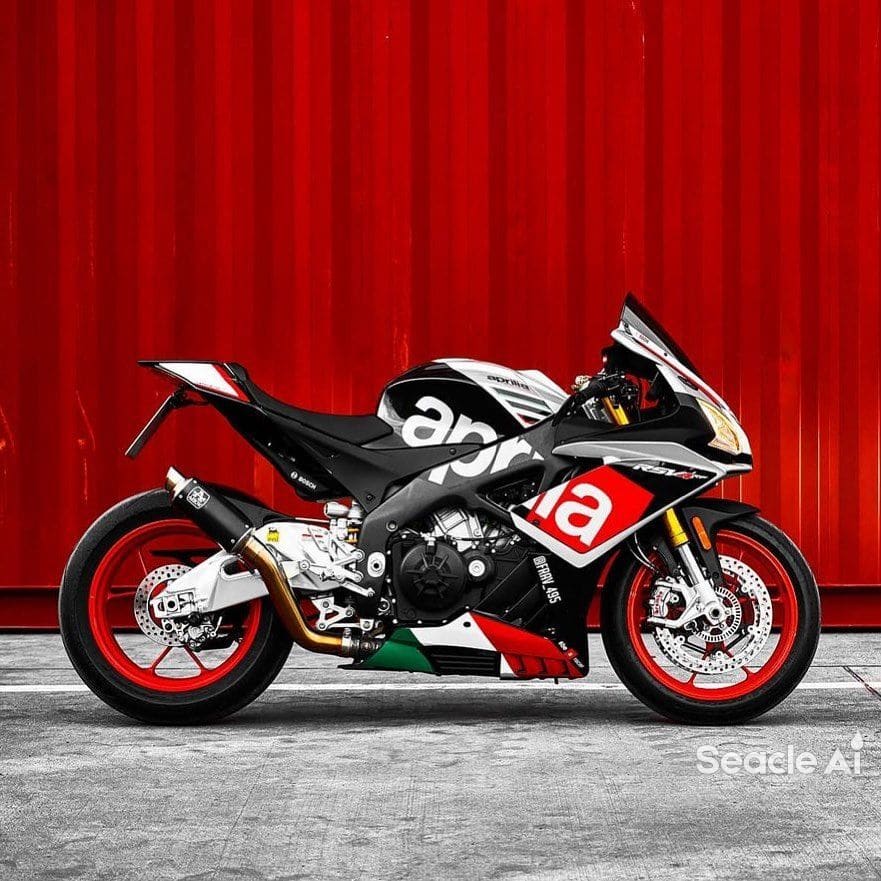
The Aprilia RS 457 is a middleweight sport motorcycle built around a compact parallel-twin engine and a chassis tuned for agility rather than outright top-speed hunting. It targets riders who want sportbike feel without the weight, cost, or throttle brutality of larger liter-class machines. If you value quick turn-in, easy city manners, and enough performance for canyon roads and occasional track days, this model is aimed at you.
This part is not as good as it sounds. The RS 457 makes sensible compromises; it does not try to be a superbike. Some people think a smaller sportbike is always a compromise, but in practice this one often delivers more usable speed in real traffic.
Specifications: engine, power, torque, top speed, mileage, height and transmission
Below are the key numbers and what they mean in everyday riding. Where details are confirmed I label them, and where they are reported or expected I do the same. Real-world behavior is included so you know how each spec affects riding.
Engine
- Type (confirmed): 457cc parallel-twin, liquid-cooled, with DOHC and four valves per cylinder — a compact, torquey layout that keeps maintenance simpler than high-revving four-cylinder engines.
- Transmission (confirmed): 6-speed gearbox with a slipper clutch option on many markets. This helps with downshifts and stability entering corners.
Power and torque
Manufacturers and press reports in 2025 and early 2026 settle around mid 40s horsepower for this engine in street tune. That power level is enough for lively city pace and confident backroad riding, but it will be outgunned by larger 600- and 700-class bikes on long straights.
- Reported peak power (likely): ~45–48 PS (roughly 44–47 bhp).
- Reported torque (likely): ~40–44 Nm at mid-range rpms — this matters more than peak horsepower for everyday overtakes.
Top speed
Expect real-world top speed in the 165–175 km/h range, depending on gearing, rider, and wind. That is plenty for most uses, but it is not a machine built to chase outright high-speed records on an Autobahn. This matters more than it seems when you plan long high-speed highway runs.
Mileage
Claimed and observed economy varies by riding style. In mixed use, 22–28 km/l is a reasonable estimate. If you ride hard on windy roads the number will drop. Most riders will find the trade-off acceptable, but this is where expectations and reality differ.
Height and ergonomics
Seat height (reported/confirmed): about 810–825 mm. That yields a riding position that is sporty but not extreme.
Transmission
The six-speed setup is practical. Low first gear for city starts, tall enough top gear for relaxed cruising. A slipper clutch is a useful feature on a sporty bike because it reduces rear-wheel hop on aggressive downshifts.
Minimum height to ride the Aprilia RS 457
Given the reported seat height, the minimum recommended rider height to handle the Aprilia RS 457 comfortably and safely is about 160–165 cm (5’3″–5’5″). That assumes a rider with average leg length and confidence putting at least one foot flat at a stop. If you have shorter inseam, try the bike at a dealer and consider removable seat options or lowering kits.
Most people don’t notice this at first. If you are on the cusp, a test ride and standing flat-foot check matter more than any number.
Safety, comfort and technology
The RS 457 focuses on a balance between safety and sport. Expect modern rider aids and reasonable ergonomics rather than track-only features.
- ABS and cornering ABS (likely/market dependent): Dual-channel ABS as standard with cornering modes on higher trims or as part of technology packs.
- Traction control: Multiple levels for wet and dry conditions in markets where electronics packages are offered.
- Braking: Twin front discs with radial calipers on higher trims and a single or simple two-piston caliper on lower trims in some markets.
- Suspension: Upside-down forks up front with preload-adjustable rear monoshock in many setups. Expect a firm, sporty tune that favors cornering and mid-corner precision.
- Comfort: Clip-on bars will be lower than a standard bike, so long rides are possible but not as relaxed as a sport-tourer. Seat padding trades off between support and thin sport-bike cushioning.
- Technology: A full-color TFT on higher trims, smartphone connectivity likely via Bluetooth, and ride modes to switch engine mapping.
This is where things get tricky. A firm suspension gives great feedback on twisty roads, but it can punish you on rough city surfaces.
Practical use cases and real-world observations
Here are how the numbers and features translate into everyday life.
- Commuting: The bike’s compact size and torque make it easy in city traffic. It’s nimble and easy to park. However, the sport seat and clip-ons mean long daily commutes can feel tiring after an hour.
- Weekend backroads: This is the RS 457’s sweet spot. The chassis is tuned to flick through corners with confidence, and the midrange torque delivers usable acceleration out of bends.
- Track days: You can take it to track, and it will be fun. But it is not a track-first machine; suspension and brakes can overheat under sustained, extremely demanding use without upgrades.
- Touring: This bike is not ideal for long cross-country touring with heavy luggage because of limited wind protection and seat comfort. For most riders, this will feel like a downside.
Condition-based observation: under sustained highway speeds with a passenger and luggage, mileage drops noticeably and the engine feels more strained compared with single-rider runs.
Over time, expect that chain maintenance and periodic valve checks will be the cost drivers. This is not a zero-maintenance bike; it is still a sport machine with higher maintenance needs than a commuter.
Aprilia RS 457 vs Yamaha R7
Below is a practical comparison across the areas most riders care about. I keep the focus on how the Aprilia RS 457 measures up, and what type of rider should pick each bike.
| Category | Aprilia RS 457 | Yamaha R7 |
|---|---|---|
| Engine and overall performance | Compact 457cc parallel twin, tuned for midrange torque and agility. Feels lighter and easier to manage in urban and twisty roads. | 689cc CP2 parallel twin, higher peak power and torque. More raw acceleration on open roads and straights. |
| Torque, top speed, mileage | Torque oriented in midrange; expected top speed ~165–175 km/h; mixed mileage ~22–28 km/l. | Higher torque and top speed; better on long straights; mixed mileage typically slightly lower under spirited use. |
| Key features | Modern electronics packages on higher trims, slipper clutch, agile chassis, likely cornering ABS and multiple ride modes. | Strong electronics suite on some R7 trims, proven engine platform, stable chassis for higher speeds. |
| Price range | Typically positioned below the R7 in many markets (expected). The RS 457 aims for middleweight affordability relative to bigger sportbikes. | R7 sits higher in price due to higher displacement and established global demand. |
| Which rider should choose which | Choose the RS 457 if you want a lighter, more manageable sportbike for mixed use and spirited backroad riding with lower running costs. | Choose the R7 if you want more straight-line performance and a more powerful base for track upgrades. |
| Tank capacity | Expected around 12–15 liters, tuned to balance weight and range. | R7 around 13 liters, similar practical range but R7’s higher consumption under hard use can reduce range. |
| Braking systems and safety features | Good twin-disc front setup on higher trims, ABS standard; electronic rider aids likely optional or trim-dependent. | Strong braking packages and standard ABS; some Yamaha models have more advanced electronics depending on market. |
Short verdict: the RS 457 is the more approachable sportbike; the R7 is more performance-focused. Some people think the higher displacement makes the R7 the obvious pick, but in practice the RS 457 is easier to live with day-to-day.
Price and ownership
Price varies significantly by market and trim. As of 2025, the Aprilia RS 457 is generally marketed to be more budget-friendly than mid-range 600-class bikes, and typically sits below the Yamaha R7 in MSRP. Ownership costs will include regular chain adjustments, tire wear if you ride aggressively, and periodic valve checks.
This is not ideal for everyone. If your primary goal is long highway touring with a pillion and luggage, you will be better served by a different category of motorcycle.
Confirmed vs expected specifications
Confirmed (from Aprilia and press releases through 2025):
- Engine layout: Parallel-twin, liquid-cooled
- Displacement: Approximately 457cc
- Transmission: 6-speed gearbox with slipper clutch option in some trims
- Seat height: Approximately 810–825 mm (varies by market)
Expected or reported (as per reports and typical market trims, and may change):
- Peak power: ~45–48 PS (reported)
- Peak torque: ~40–44 Nm (reported)
- Top speed: ~165–175 km/h (real-world dependent)
- Tank capacity: ~12–15 liters (reported)
- Electronics: Cornering ABS, ride modes, traction control likely on higher trims (rumored or market-dependent)
For upcoming market updates and regional differences, check local Aprilia dealers because trim levels and exact specifications differ by country. These reported numbers are consistent with motorcycle trade press coverage in 2025 and early 2026, but final specs can vary.
Frequently Asked Questions
What kind of rider is the Aprilia RS 457 best suited for?
It suits intermediate riders who want sportbike feel without extreme power, and experienced riders who want a lighter, more agile option for canyon rides and occasional track days. If you want a very relaxed, long-distance cruiser this is not the ideal choice.
Is the Aprilia RS 457 comfortable for daily commuting?
Yes, for short to medium commutes it is comfortable and nimble. For long daily highway rides the riding position and wind protection are less comfortable than dedicated sport-tourers.
How is maintenance and running cost compared to larger sportbikes?
Running costs are generally lower due to smaller displacement and simpler servicing intervals, but you still should budget for chain care, brakes, tires, and periodic valve checks—especially if you ride aggressively.
Can the Aprilia RS 457 be used on the track?
Yes, it can. It is a good beginner-to-intermediate track bike. However, if you plan frequent track days you should expect to upgrade brake pads, tires, and possibly suspension components for sustained hard use.
Conclusion
The Aprilia RS 457 is a clear-minded middleweight sportbike that favors usable performance and agility over headline power figures. Strengths include approachable handling, a compact and torquey engine layout, and modern features on higher trims. Drawbacks are its limited long-distance comfort, firm suspension that can be harsh on poor surfaces, and electronics packages that vary by market.
If you want a sporty, lightweight motorcycle that is fun on backroads and manageable in city traffic, the RS 457 makes sense when you prioritize handling and usability over outright top-end speed. This may not work if your priority is long-haul touring, off-road use, or top-tier track performance.
For most people, this will feel like a downside: the RS 457 is not ideal for long highway tours with heavy luggage. That blunt fact matters when choosing a bike.
Some people think bigger displacement always equals better fun, but in day-to-day riding the RS 457 often wins because of lower weight and easier controllability. Over time, owners note that electronics and maintenance expectations are reasonable, but tire and brake wear reflect spirited riding styles.
Final takeaway: the Aprilia RS 457 is a solid choice for riders who value agility, midrange punch, and modern amenities in a mid-capacity package. It is neither a touring machine nor a track-only rocket — it occupies a practical middle ground and does that job well.