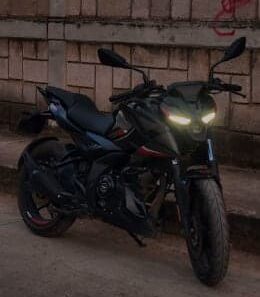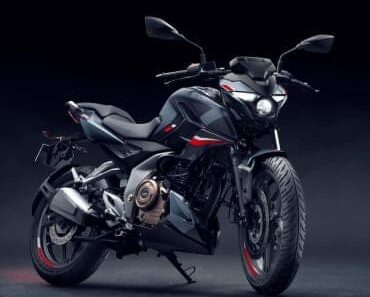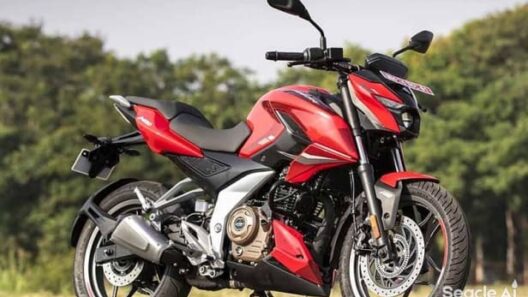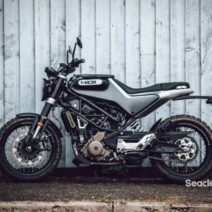


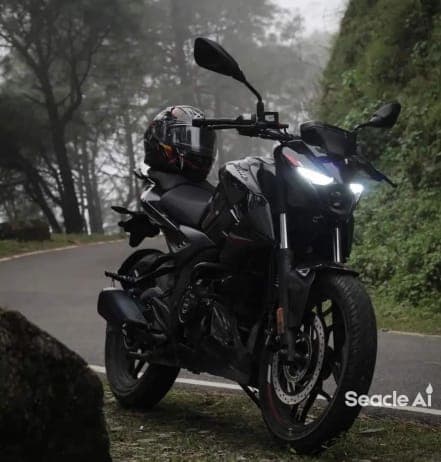

The Bajaj Pulsar N250 arrives as a focused 250cc street bike aimed at riders who want usable power in traffic and quick city overtakes without the fuss of a large, heavy machine. It mixes a torquey single-cylinder engine, upright ergonomics and familiar Pulsar styling into a package meant for everyday riding and short to medium weekend trips. Bajaj Pulsar N250 sits squarely between commuter bikes and full-on sport machines, so it’s targeted at urban riders who occasionally venture onto highways but don’t chase lap times.
Table of Contents
- What type of vehicle is the Bajaj Pulsar N250?
- Pulsar N250 mileage and real-world fuel economy
- N250 features: safety, comfort and tech
- minimum height to ride Pulsar N250 and ergonomics
- Pulsar N250 vs Gixxer 250 — detailed comparison
- Limitations, downsides and who should avoid the N250
- FAQs
- Conclusion
What type of vehicle is the Bajaj Pulsar N250?
The N250 is a naked/roadster-style 250cc motorcycle built for mixed urban and occasional highway use. It’s not a touring bike or an enduro—its chassis is tuned for nimble city handling rather than long-distance comfort or off-road traction. In daily commuting the N250’s compact footprint makes lane-splitting and U-turns easier than on a bigger twin; however, extended high-speed cruising will expose wind fatigue and the seat starts to show limits after ~2-3 hours.

Pulsar N250 mileage and real-world fuel economy
Claimed ARAI numbers and what owners see on the road diverge: official figures are around 35–40 km/l in ideal conditions, but city commuting with frequent acceleration tends to yield 28–33 km/l. On mixed routes with steady cruising at 80–100 km/h expect 32–36 km/l. This becomes noticeable during heavy stop-go traffic where throttle inputs and engine heat slightly cut efficiency.
- Engine type: 249.07 cc single-cylinder, oil-cooled (or as per latest model year tech)
- Transmission: 5-speed manual gearbox
- Power: ~24 PS (as per 2025-26 published specs)
- Torque: ~21–22 Nm at mid-range RPM
- Top speed: Around 140–150 km/h in optimal conditions
- Fuel tank: 12–14 litres depending on model year
- Kerb weight: Approximately 162–166 kg
N250 features: safety, comfort and tech
The bike includes essentials that matter day-to-day rather than headline tech. Expect a digital cluster with tripmeters, gear indicator and fuel gauge, LED lighting on recent trims, a slipper clutch on some variants, and a dual-channel ABS (on higher trims). Comfort is upright, with a flat seat that’s fine for two-up riding for short bursts, but the padding compresses on long rides.
Safety notes and practical impact:
- Dual-channel ABS helps stability under panic braking; noticeable on wet Chennai streets during monsoon showers.
- Suspension is tuned firm—useful for cornering in town, but you’ll feel sharper hits over potholes on Mumbai’s bylanes. Shorter riders usually notice the firmness first.
One small insight: the engine’s mid-range punch creates a compact forward shove rather than a linear, prolonged surge—pleasant for quick overtakes but not for track-style high-RPM runs. Think of feedback overlapping like faint ripples; small inputs have clear, immediate effects.
minimum height to ride Pulsar N250 and ergonomics
Minimum height guidance: riders around 165 cm (5’5″) can manage the N250 comfortably, though they may need to tip-toe on steep slopes. Seat height is roughly 795–800 mm depending on model year. Taller riders (>185 cm) may feel cramped on long rides due to the compact tank and slightly forward posture. Shorter riders notice footpeg distance and may prefer aftermarket lower pegs or a softer seat for daily use.
Ergonomics in practice: the handlebar position reduces wrist strain compared with clip-ons, so city commutes stay pleasant; the trade-off is slight wind blast at highway speeds, which becomes noticeable after 90 km/h.
Pulsar N250 vs Gixxer 250 — detailed comparison
| Aspect | Bajaj Pulsar N250 | Suzuki Gixxer 250 |
|---|---|---|
| Engine & Performance | Single-cylinder, ~249 cc, ~24 PS; torquey mid-range, great for city riding | Single-cylinder, ~249 cc, ~26–26.5 PS; slightly higher top-end performance and smoother revving |
| Torque / Top Speed / Mileage | ~21–22 Nm; top speed ~140–150 km/h; real-world 28–36 km/l | ~22–23 Nm; top speed ~150–155 km/h; real-world 30–38 km/l |
| Key Features | Digital cluster, LED lights, dual-ABS on higher trims, slipper clutch on some variants | Full-LED setup, slipper clutch (in many trims), more refined instrument cluster with smartphone connectivity on newer models |
| Price Range (India, 2025-26) | ₹1.40–1.65 lakh (ex-showroom) depending on trim | ₹1.65–1.90 lakh (ex-showroom) depending on trim and features |
| Who should pick which | Urban riders wanting low-maintenance torque and a lighter feel | Riders wanting slightly higher refinement, top-end power and more touring comfort |
| Tank Capacity | 12–14 L (model-dependent) | 12–15 L depending on model and year |
| Braking & Safety | Disc front/rear with optional dual-ABS; good bite but unspectacular stoppers | Strong brakes with dual-channel ABS standard on most trims; slightly better feel at the lever |
Nuanced take: the Gixxer 250 tends to feel smoother and a touch quicker on the highway, while the N250 rewards aggressive low- and mid-range inputs in town. If you often carry a pillion or luggage for long rides, the Gixxer edges ahead for comfort; for tight urban weaving, the N250’s lighter handling is preferable.
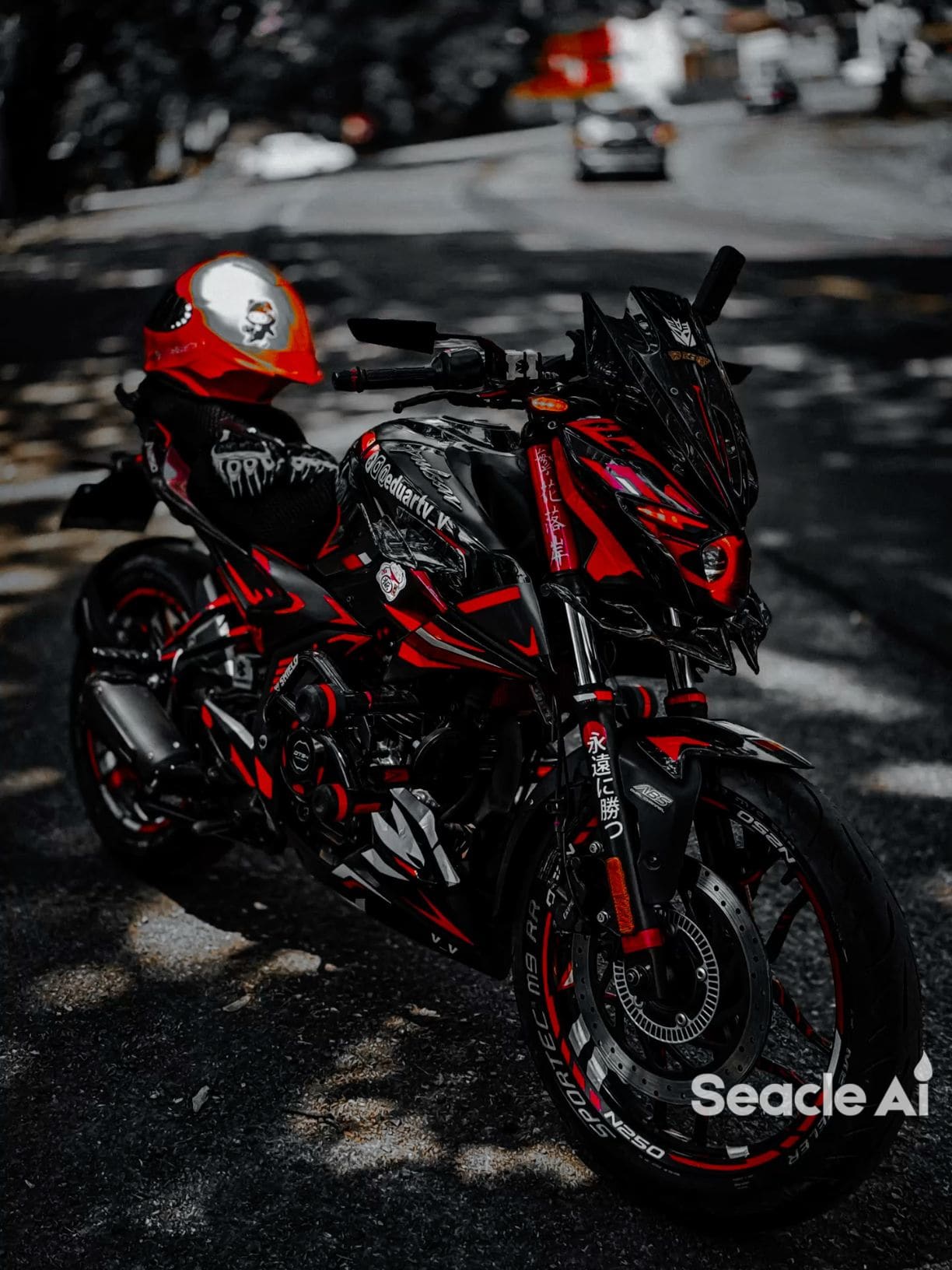
Limitations, downsides and who should avoid the N250
Important limitations to consider:
- Not for serious touring: limited wind protection and seat comfort mean fatigue builds after long highway stints beyond 3–4 hours.
- Not for off-roading: suspension travel and ground clearance are insufficient for rough trails.
- Maintenance and heat: single-cylinder 250s run hot in dense city traffic—expect periodic valve checks and more frequent oil changes under severe use.
- Suspension trade-offs: firmness helps cornering but transmits pothole impacts; on badly surfaced roads you’ll feel it.
Who should avoid it: riders planning regular long-distance touring with heavy luggage, or those who expect sportbike-level top-end performance. Also, if you’re under 165 cm and uncomfortable with the seat height, consider shorter alternatives or test-ride first.
Check Price — compare trims and local offers before deciding.
FAQs
What is the Pulsar N250 mileage in city and highway?
City: typically 28–33 km/l with frequent stop-start traffic. Highway/mixed: 32–36 km/l with relaxed cruising. Real figures vary with throttle use, load and traffic conditions.
How does the Pulsar N250 vs Gixxer 250 comparison affect my choice?
If you prioritize low-end torque and lighter handling for city riding, the N250 makes more sense. If you want slightly higher refinement, touring comfort and top-end, the Gixxer 250 is the better pick.
Are the N250 features enough for modern riders?
Yes for most daily users: LED lights, digital cluster and ABS hit practical marks. But if you want smartphone integration or advanced rider aids, you may prefer alternate trims or competing models.
What is the minimum height to ride Pulsar N250?
About 165 cm is a practical minimum to manage the seat height and footpeg reach comfortably; adjustments or test rides are recommended for shorter riders.
Is the Bajaj Pulsar N250 a good value?
It’s competitively priced for the mid-250 segment. Expect lower running costs than many twins but prepare for slightly firmer suspension and routine single-cylinder servicing.
Conclusion
The N250 is a focused 250cc roadster that does exactly what it promises: strong mid-range, nimble urban behavior, and a straightforward feature set. Strengths include accessible torque, light handling and reasonable pricing. Drawbacks are clear too—limited long-distance comfort, firmer suspension that transmits rough roads, and higher heat/maintenance under aggressive city use. Most buyers who commute daily, occasionally ride highways, and want a low-fuss, punchy single-cylinder will find it rewarding. Riders prioritizing long-haul comfort, electronic connectivity or higher top-end performance should look at alternatives like the Gixxer 250.
If you’re still unsure, take a long test ride with your typical load (pillion/luggage) and replicate a highway stint—this reveals seat and wind comfort faster than spec sheets. Compare Options locally and check current pricing before committing.