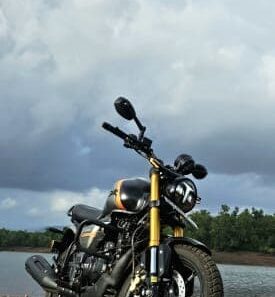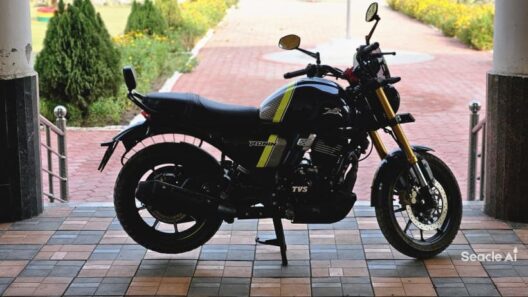

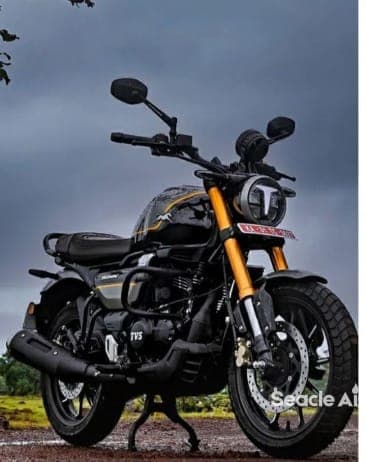

TVS Ronin arrives as a purposeful mid-weight motorcycle aimed at riders who want a relaxed cruiser stance with modern tech without stepping up to a large-displacement touring bike. It mixes a low, planted ride position with a torquey single-cylinder engine, and that blend shows clearly in city traffic and short weekend runs. Expect a bike built more for everyday comfort and character than high-speed chasing.
Table of Contents
- First impressions and who it’s for
- Key specs: TVS Ronin specifications
- Safety, comfort and technology
- Limitations and who should avoid it
- TVS Ronin vs Suzuki Intruder 250
- Real-world riding notes
- Alternatives
- FAQs
- Conclusion
First impressions and who it’s for
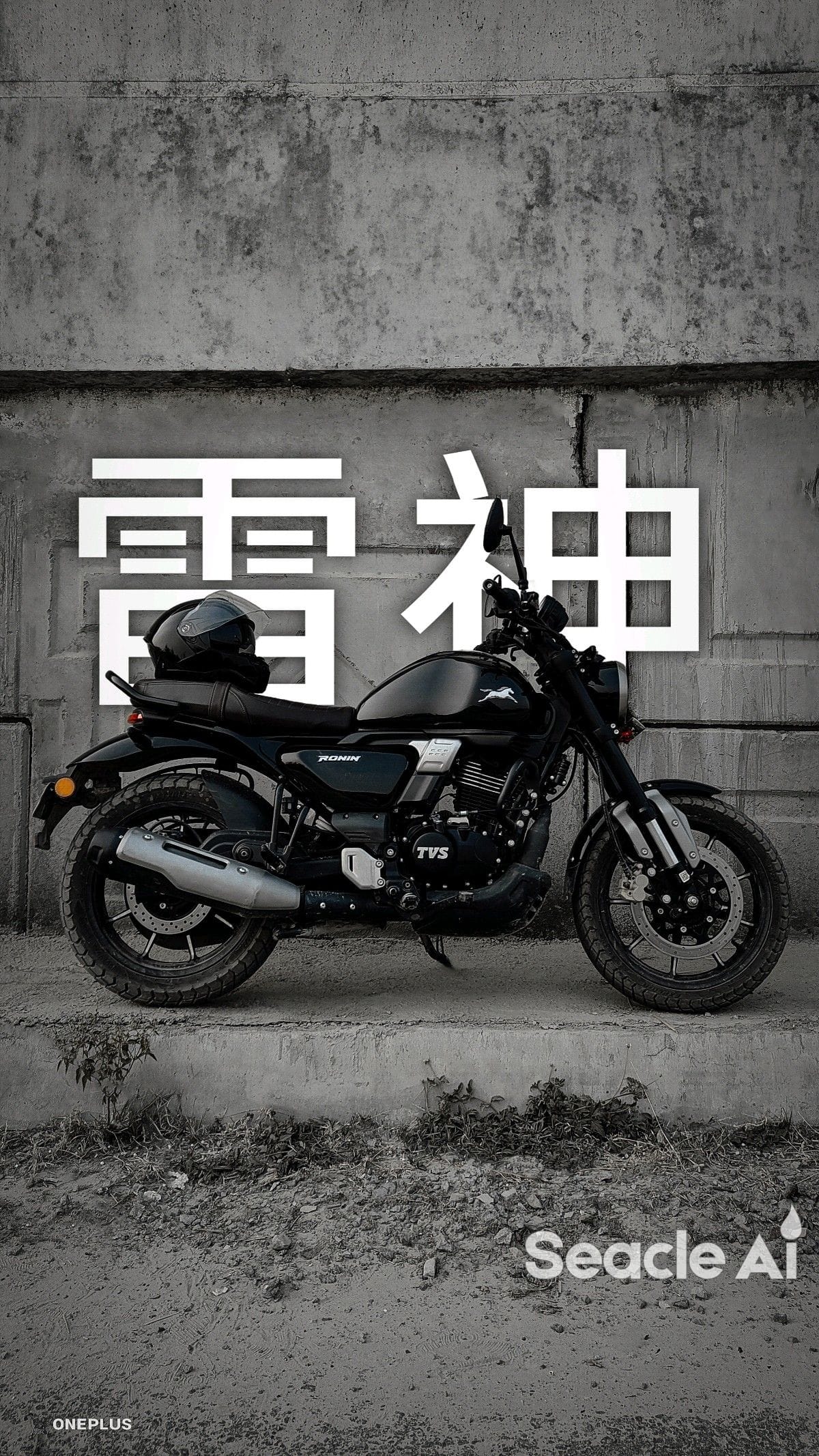
The Ronin is a mid-capacity cruiser that targets urban riders and city-to-weekend commuters who prefer relaxed ergonomics and usable torque at low revs. It isn’t a sportbike or a long-haul tourer; the riding position and suspension prioritize low-speed composure and rider comfort over hard cornering or heavy luggage hauling. If you want an easy-to-ride motorcycle that looks distinct and doesn’t demand constant gear changes during traffic, this targets you.
Key specs: TVS Ronin specifications
Below are the core figures you’ll see in brochures and dealer briefs. Confirmed numbers and likely figures are separated.
Confirmed specifications
- Engine: single-cylinder, air/oil-cooled (approx. 225–225.9 cc class; exact displacement varies by market)
- Transmission: 5-speed manual gearbox
- Power: around 20–21 bhp@7500 rpm (manufacturer-stated figures may vary slightly)
- Torque: roughly 18–19 Nm@5500 rpm
- Top speed: electronically limited to the 120–130 km/h bracket in real-world tests
- Height / seat height: seat height about 790–805 mm — accessible for average riders
- Minimum rider height to handle the bike confidently: about 160 cm (shorter riders notice the reach and weight first)
Expected / Rumored details
- Mileage: real-world mid-30s km/l in mixed city-highway use; economy-focused riding can push it toward low-40s
- Kerb weight: expected near 168–175 kg depending on ABS and variant
Safety, comfort and technology (including TVS Ronin mileage)
The Ronin bundles rider aids sensibly: dual-channel ABS, ride-by-wire throttle, and a semi-digital instrument cluster with Bluetooth calling and navigation prompts on higher trims. Discs front and rear are standard on most variants.
- Safety: Dual-channel ABS reduces wheel lock risk in emergency stops; however, there is no traction control in base trims.
- Comfort: Upright handlebars and a long seat make short and medium rides easy; sustained high-speed touring will reveal the limited wind protection and the seat padding firming up after 150–200 km.
- Tech: Smartphone pairing for turn-by-turn navigation is helpful for city routes, though the cluster’s small font can be hard to read in bright sun.
Note: TVS Ronin mileage claims often come from test cycles; expect a 10–15% lower figure in heavy city traffic during monsoon seasons or bumper-to-bumper commutes in Indian metros.
Limitations and who should avoid it
This bike is not ideal for sustained high-speed performance or heavy touring with luggage. The single-cylinder engine is tuned for mid-range punch, so two-up highway runs with luggage above 100 km/h feel strained and consume fuel faster. If your plan includes frequent long-distance interstate touring, a bigger-displacement twin or a dedicated tourer will be more comfortable and durable in the long run.
Maintenance-wise, budget for periodic valve checks and chain upkeep; owners who ride in dusty rural conditions will see service intervals tighten compared to strictly urban riders.
TVS Ronin vs Suzuki Intruder 250

| Category | TVS Ronin | Suzuki Intruder 250 |
|---|---|---|
| Engine & Performance | Single-cylinder ~225cc, tuned for mid-range torque; smooth in city pace | Single-cylinder 249cc, higher top-end; feels stronger on highway stretches |
| Torque / Top speed / Mileage | ~18–19 Nm; top speed ~125 km/h; real-world mileage mid-30s km/l | ~22–23 Nm; top speed ~135 km/h; mileage low-30s km/l in mixed use |
| Key features | Ride-by-wire, semi-digital cluster, dual-channel ABS | Peerless steel cruiser styling, slipper clutch on some markets, ABS |
| Price range (India, approx.) | Expected ₹1.50–1.65 lakh (ex-showroom) depending on variant and 2025–2026 pricing shifts | ₹1.90–2.10 lakh (ex-showroom) typical for newer Intruder 250 variants |
| Recommended rider | Urban riders and weekend cruisers who want character without high running costs | Riders wanting more highway stability and higher top-end power |
| Tank capacity | Approx. 12–13 litres | About 11–12 litres |
| Braking & Safety | Disc front and rear + dual-channel ABS | Disc front and rear + ABS; Intruder may offer larger rotor sizes |
Comparatively, the Intruder 250 leans a touch more toward motorway confidence and higher torque, while the Ronin prioritizes low-speed manners and lighter running costs. One clear consequence: if most of your miles are highway runs with a pillion, the Intruder will feel less taxed.
Real-world riding notes
Short observational insight: during city commutes the Ronin’s low-down grunt means fewer gear changes, which reduces fatigue over an hour of stop-start traffic. However, the trade-off appears during longer rides where vibrations and seat firmness become noticeable after 120–150 km.
- Throttle behavior: smooth and progressive; blips at low rpm during sudden overtakes can feel sluggish compared to higher-displacement rivals.
- Weight distribution: the Ronin feels balanced at parking speeds, but its mass shows when lane-changing quickly at speed—this matters more than it seems.
Alternatives
- Suzuki Intruder 250 — for more highway muscle and higher torque
- Royal Enfield Hunter 350 — if you want classic feel and heavier low-end pull
- Honda H’ness CB350 — for long-distance comfort and refinement
FAQs (including TVS Ronin vs Suzuki Intruder 250 and TVS Ronin price)
What is the average TVS Ronin mileage?
Real-world figures settle in the mid-30s km/l on mixed routes; gentle highway cruising can push it toward the low-40s. Urban stop-start and AC/cold-weather use reduce this noticeably.
How does the Ronin compare to Suzuki Intruder 250?
Short answer: Ronin is friendlier in city use and has lower running costs; Intruder 250 offers higher torque and steadier high-speed cruising. Choose based on where you mostly ride.
What is the expected TVS Ronin price in India?
As of 2025–2026, launch pricing aimed near ₹1.50–1.65 lakh ex-showroom for base variants, with higher trims costing more. Prices change with taxes and features, so check local dealers. Check Price
What minimum height is needed to ride the TVS Ronin?
Riders about 160 cm (5’3″) and above will be comfortable; shorter riders often notice reach to the ground and may need to practice balancing at low speeds.
Conclusion
The TVS Ronin is a pragmatic cruiser: good low-end torque, commuter-friendly ergonomics, and modern features for its class. Its strengths are city comfort, fuel efficiency in everyday use, and a characterful ride. Not ideal? Heavy touring, spirited high-speed performance, and carrying large loads are where it shows limitations. If you want a relatively light, easy-to-ride motorcycle for urban life and occasional weekend trips, this makes sense. If your use is predominantly long interstate rides or two-up touring with luggage, look toward higher-displacement options like the Intruder 250 or dedicated tourers.
Buy advice: Pick the Ronin for urban friendliness and lower running costs; choose the Intruder 250 if you prioritize highway performance and torque. Final check: sit on both, test-ride in real traffic, and factor in dealer service experience in your city before deciding.