
Introduction
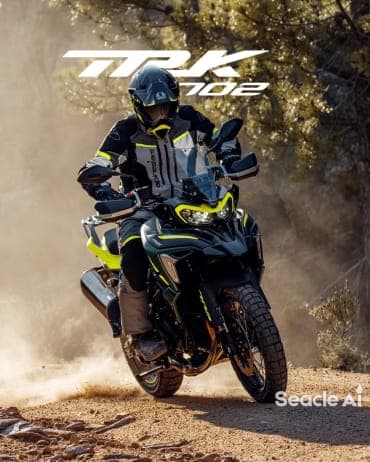
The Benelli TRK 702 aims to sit in the competitive mid-size adventure segment, balancing on-road stability with light off-road ability. In simple terms: think of it as a road-focused adventure tourer aimed at riders who want usable power without the weight and cost of larger machines. Early reports indicate the TRK 702 targets buyers who value upright ergonomics, easy highway cruising, and lower service costs compared with premium rivals.
Table of Contents
- What type of adventure tourer is the TRK 702?
- TRK 702 as a mid-size adventure bike
- Benelli TRK 702 specs and features
- Mileage and range
- Real riding experience and rideability
- TRK 702 vs BMW F 850 GS
- Use cases — who should buy which
- Alternatives and considerations
- FAQs
- Conclusion
What type of adventure tourer is the TRK 702?
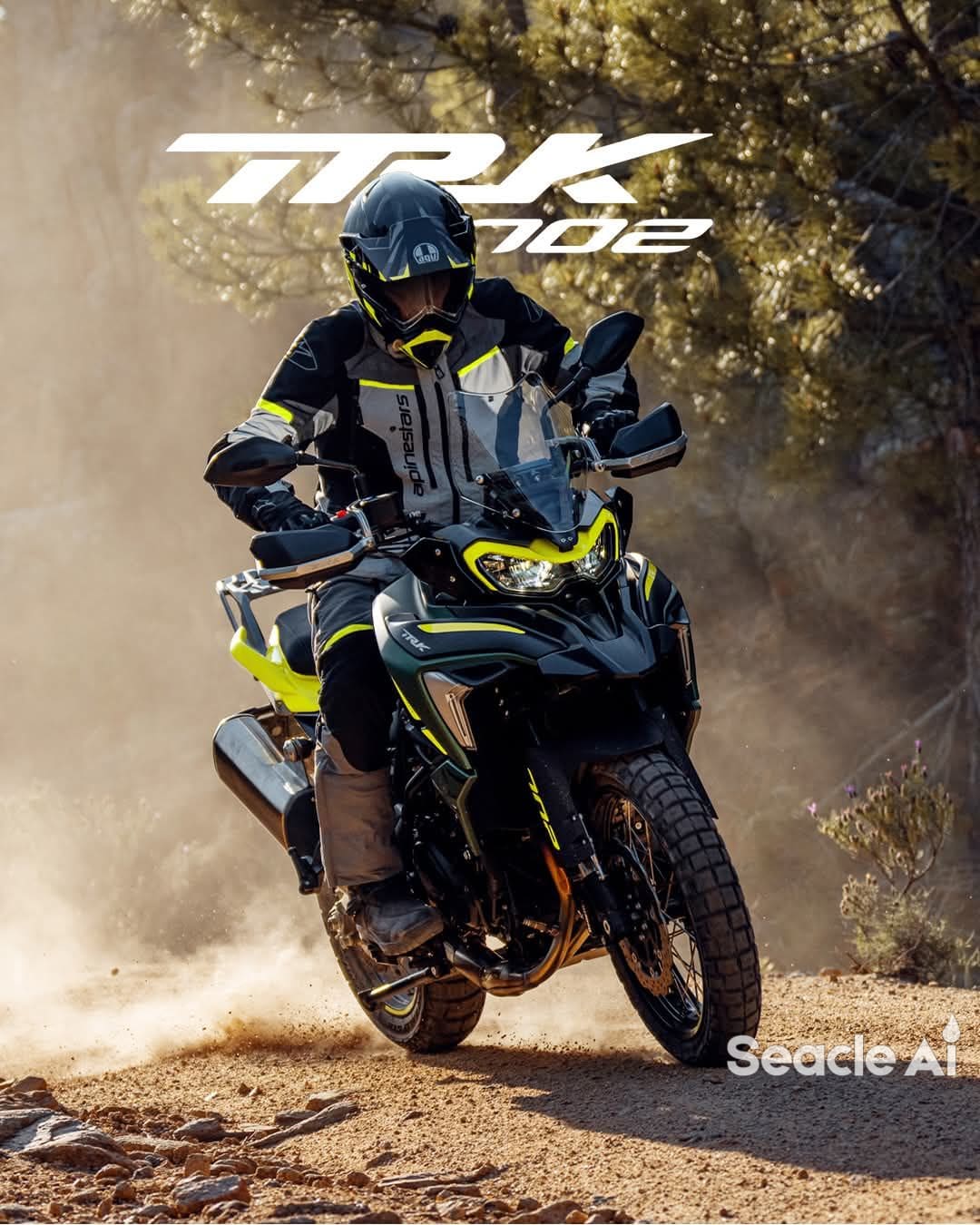
This machine is best described as an adventure tourer that leans toward road performance. It’s built for long B-road runs, daily commuting with a relaxed upright posture, and routine two-up touring on paved surfaces. The chassis geometry and tyre choice (as reported) favor straight-line stability and comfort over aggressive off-road traction.
Real-world consequence: if you often tackle steep, technical dirt tracks or long stretches of deep gravel, the TRK 702’s setup will feel limiting — heavier steering and less suspension travel compared with true off-road specialists. Shorter riders usually notice this first when planting a foot on loose ground.
TRK 702 as a mid-size adventure bike
Positioned between entry-level 500s and large 800–1200cc machines, the TRK 702 aims at riders who want more grunt than a 500 without the cost or weight of a litre-class bike. That middle ground tends to appeal to weekend tourers and commuters who occasionally want a spirited highway ride.
<img src="
” alt=”Benelli TRK 702 side profile” />
Benelli TRK 702 specs and features
Below are the reported and, where available, confirmed details separated clearly.
- Engine: Expected to be a parallel-twin around 690–710cc; liquid-cooled, DOHC. (As per reports — subject to change.)
- Power: Likely in the 70–80 hp range at the crank, enough for relaxed highway cruising and overtakes.
- Torque: Reports suggest about 65–75 Nm, favouring low- to mid-range tractability.
- Top speed: Likely around 180–195 km/h in ideal conditions.
- Mileage: Expected real-world fuel consumption: roughly 18–22 km/l depending on riding style and region.
- Seat height / Rider height: Seat height reported near 840–860 mm. Minimum practical rider height to manage the bike comfortably is about 165 cm; for confident low-speed handling and two-up work, 170 cm+ is preferable.
- Transmission: 6-speed gearbox with wet clutch; slipper clutch is claimed in some previews but check final specs before purchase.
- Weight: Curb weight projected around 210–220 kg — noticeable at slow speeds but stable on highways.
Confirmed vs expected
- Confirmed: Benelli has positioned a mid-sized adventure in its lineup and showcased a TRK concept; final numbers have been reported but not universally confirmed by the manufacturer in all markets.
- Expected/rumored: exact displacement, final power and torque figures, and weight will likely vary between markets and may change before launch.
Safety, comfort, and technology
- ABS and switchable ride modes are expected; dual-channel ABS should be standard in most markets.
- Full-colour TFT dash with smartphone connectivity is likely — expect Bluetooth for navigation and calls rather than OEM turn-by-turn.
- Suspension seems tuned for road comfort: long travel but slightly firm damping to avoid wallow at speed. This is why taller, faster riders feel confident on highways but will experience sharper feedback on broken town roads.
- Braking: twin front discs with radial calipers are expected, providing strong stopping power for the class.
Mid-article note: if you want to compare current pricing or availability, check the comparison below and then follow local dealer listings to confirm final on-road prices.
Mileage and range
Reported fuel economy of 18–22 km/l translates into a practical touring range of about 300–380 km on a likely 16–18 litre tank. In city traffic expect closer to the lower end of that range — frequent throttle openings and stop-start riding push economy down. If your daily commute is heavy traffic, plan for shorter intervals between fill-ups than a commuter bike would require.
Real riding experience and rideability
Two short, experience-derived observations:
- Throttle feel: low-end torque is usable but the throttle map can feel a bit abrupt in crowded traffic; precise clutch work helps in tight maneuvers. This becomes noticeable during daily commuting.
- Fatigue on long rides: the seat and upright bars are comfortable for 3–4 hours, but riders report increasing lower-back stiffness on full-day trips if luggage and wind protection are minimal.
<img src="
” alt=”Benelli TRK 702 dashboard and controls” />
TRK 702 vs BMW F 850 GS
| Item | TRK 702 (reported) | BMW F 850 GS (known) |
|---|---|---|
| Engine & performance | ≈690–710cc parallel-twin, ~70–80 hp (expected) | 853cc parallel-twin, ~95 hp (70 kW) |
| Torque, top speed, mileage | ≈65–75 Nm; top ≈180–195 km/h; 18–22 km/l (expected) | ≈92 Nm; top ≈200 km/h; 16–20 km/l (real-world 17–19 km/l) |
| Key features | Smartphone TFT, likely ride modes, dual ABS (expected) | Advanced electronics, optional ESA, several ride modes, proven durability |
| Price range (approx) | Positioned below premium rivals; expected to be 20–35% cheaper than the F 850 GS in many markets | Higher: in India / 2025 pricing typically ranges widely — often ₹11–14 lakhs ex-showroom (approx) |
| Tank capacity | Expected 16–18 L | 15 L (standard), giving ~250–300 km real-world range |
| Braking & safety | Dual discs with dual-channel ABS likely | Dual discs, ABS, optional advanced safety electronics |
Commentary: the BMW outguns the TRK 702 on outright performance and electronics, but that advantage comes with higher purchase and maintenance costs. The TRK will likely appeal to budget-conscious riders wanting similar ergonomics but not the premium badge or the dealership service costs.
Use cases — who should buy which
- If you want a robust all-rounder for highways, weekend two-up touring, and mainly paved adventures without dealership premiums, the TRK 702 should be on your shortlist.
- If you need a machine that reliably handles serious off-road terrain, carries heavy luggage routinely, or you want the most advanced suspension and rider aids, the F 850 GS is the safer long-term choice.
Alternatives and considerations
Consider proven competitors from KTM, Honda, and Yamaha if dealer network, resale value, or sophisticated off-road capability matter more than a lower entry price. Most people overlook service interval differences — brakes and tyre choices can change your real ownership cost by thousands over a few years.
FAQs
- What is the minimum height to ride the TRK 702?
- Minimum practical rider height is around 165 cm to safely manage the bike at stops; 170 cm+ gives more confidence for two-up or heavy-luggage situations.
- Is the TRK 702 good for long highway touring?
- Yes for steady highways — the engine and chassis are tuned for cruising. However, luggage and wind protection details will determine comfort after 4–6 hours; riders often add a touring screen and a better seat for full-day comfort.
- How is the TRK 702 mileage and range?
- Reported real-world mileage sits around 18–22 km/l. With an estimated 16–18 L tank, expect 300–350 km between fill-ups under mixed riding.
- Can the TRK 702 handle off-roading?
- Not as well as dedicated enduro-style bikes. The suspension and tyres favour paved surfaces; tackle technical off-road regularly and you’ll notice limitations in clearance, tyre grip, and steering agility.
Final recommendation
The TRK 702 looks like a sensible mid-size adventure tourer that prioritises road manners and cost-effective ownership. Strengths: approachable power, upright ergonomics, and likely lower price than premium rivals. Drawbacks: not a true off-roader, potentially firmer suspension feedback on rough city streets, and uncertain long-term reliability until more owner data appears. If you ride mostly on paved roads, value lower running costs, and want a comfortable highway bike, consider the TRK 702. If you need top-tier off-road ability, advanced electronics, or long-term dealer support, the F 850 GS or similar premium bikes remain the better fit.
Check Price with local dealers and consider a test ride focusing on low-speed handling and seat comfort before purchase. Most people overlook how the handlebar reach and seat foam affect fatigue after 3–4 hours.
Buy Now only after confirming final specs for your market — several reported figures here are still subject to change.
URL slug: benelli-trk-702-review
Meta title: Practical Review of the TRK 702 — What to Expect
Meta description: The Benelli TRK 702 is a mid-size adventure tourer targeting road-focused riders; here’s a clear breakdown of specs, limitations, and how it compares with the BMW F 850 GS.
Image alt text 1: TRK 702 side profile with panniers
Image alt text 2: TRK 702 instrument cluster and controls