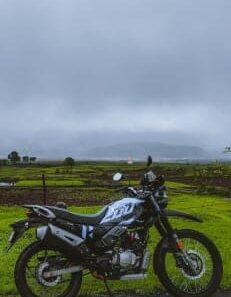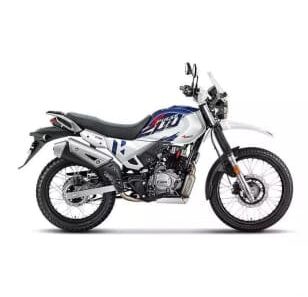
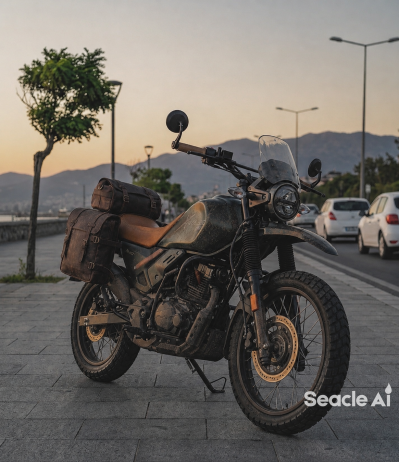

Hero Xpulse 200 4V arrives as a compact, adventure-focused motorcycle designed for city commutes and light off-road work while keeping ownership costs low; it targets riders who want a tall, tractable single-cylinder bike without the complexity or weight of larger adventure models. In everyday use it behaves more like a do-it-all commuter with extra clearance than a hardcore dirt machine, and that shapes most practical trade-offs discussed below.
What is the Hero Xpulse 200 4V | Xpulse 200 specs | Real Use Impressions | Xpulse vs Pulsar | FAQs
What is the Hero Xpulse 200 4V
The Xpulse 200 4V is a lightweight adventure-styled motorcycle with a high seat, long-travel suspension and an emphasis on low-end tractability rather than outright speed. It is aimed at daily riders who occasionally want to explore gravel tracks or rural roads. Think of it as a flexible tool: useful across varied surfaces but not optimized for sustained high-speed highway cruising or carrying heavy pillion loads for long distances.
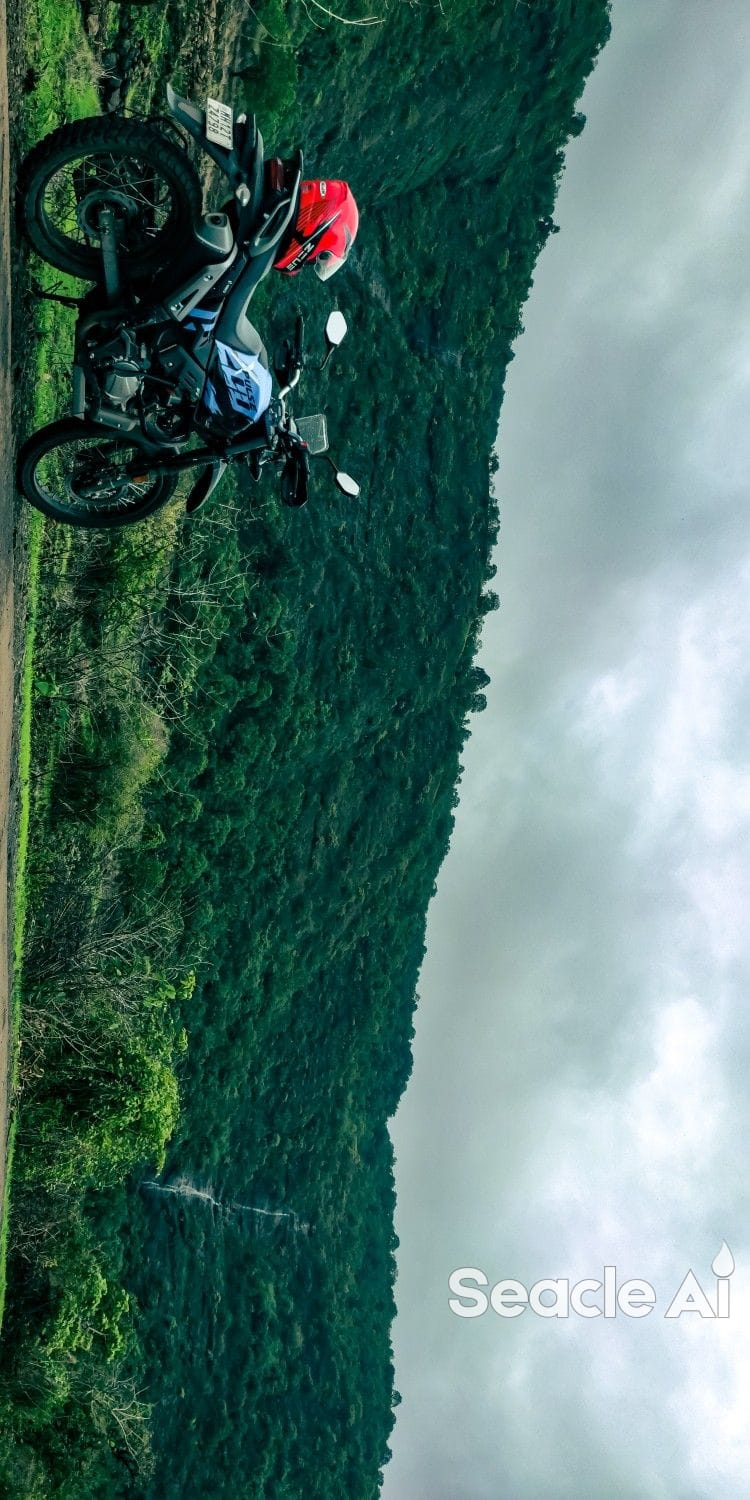
Key technical specs (Xpulse 200 specs)
- Engine: 199.6 cc, single-cylinder, air-cooled, 4-valve (SOHC) — tuned for low-end torque.
- Power: ~18.4 PS at 8,000 rpm (manufacturer figures vary slightly by year).
- Torque: ~17.1 Nm at 6,500 rpm.
- Top speed: practical top speed around 110–115 km/h on level roads with a solo rider.
- Mileage: real-world figures usually 35–42 kmpl depending on use; city riding and off-road drops it toward the lower end.
- Seat height: ~823 mm.
- Transmission: 5-speed gearbox with light, predictable shifts.
- Fuel tank: 13 litres (usable range 400–520 km depending on riding style).
- Kerb weight: ~157 kg (relatively light for an adventure-styled bike).
Confirmed vs reported: the engine displacement and seat height above are confirmed on current production models; minor power or torque tweaks may be reported in later 2025/2026 updates.
What is the minimum height to ride Hero Xpulse 200 4V?
With a seat height of about 823 mm, a practical minimum rider height to feel confident is around 165 cm (5’5″). Shorter riders can manage with careful foot positioning and slight tip-toe at stops, but long traffic lights or frequent mounting/dismounting will reveal the strain. Shorter riders usually notice this first.
Real use impressions — safety, comfort, technology
Safety: The Xpulse comes with single-channel or dual-channel ABS depending on variant, and a disc brake setup front and rear. For Indian roads, ABS on gravel and wet surfaces makes a measurable difference in emergency braking; it reduces lock-up on unpredictable surfaces.
Comfort: The tall seat and long-travel suspension soak small bumps well, but the firm springing means sustained touring can create rider fatigue after 3–4 hours on tarmac — your lower back will tell you when the suspension is doing its job off-road. The seat is narrow at the nose, helping ground reach, but less comfortable for long pillion work.
Technology: Expect a basic instrument cluster with digital readouts, Bluetooth in higher trims, and simple trip computers. There’s no cruise control or wheelie/traction electronics — systems rarely missed at this price, but their absence becomes obvious on long highway stints.
One short observation: throttle response in low gears is forgiving but can feel vague in slow technical sections — good for beginners, slightly annoying for aggressive riders.
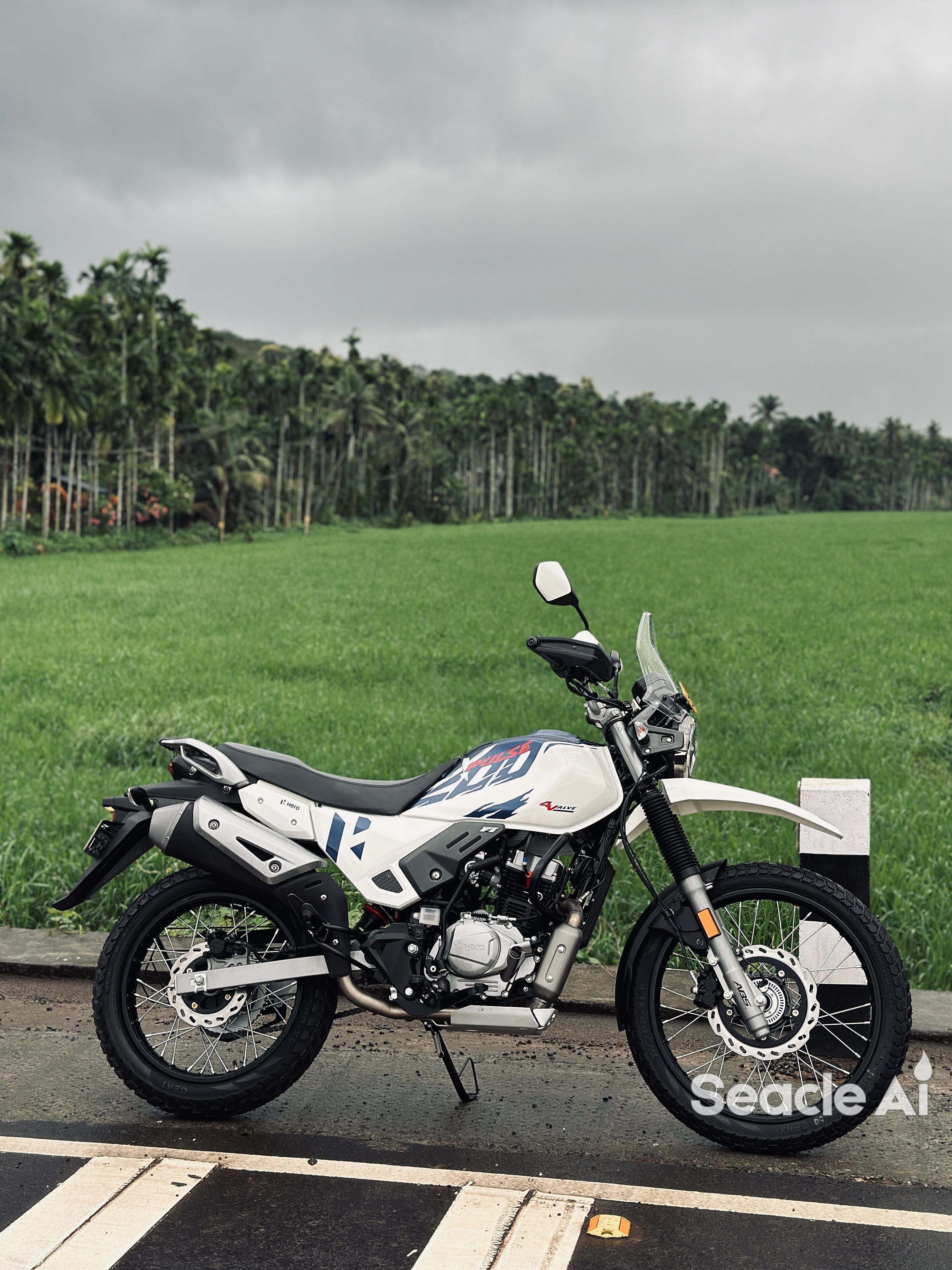
Where it works well and where it doesn’t
Works well:
- City commuting with the occasional dirt track — light weight and low-rev torque help in stop-and-go traffic and slow-speed obstacles.
- Short adventure outings where agility matters more than top speed.
Doesn’t work well:
- Long high-speed touring — the power curve, seat comfort, and wind protection are not designed for sustained 120+ km/h runs.
- Heavy pillion or loaded luggage over long distances — the suspension and engine are optimized for solo or light-load use.
Xpulse vs Pulsar (Xpulse vs Pulsar)
Below is a focused comparison with the Bajaj Pulsar N250 across the requested points.
| Item | Hero Xpulse 200 4V | Bajaj Pulsar N250 |
|---|---|---|
| Engine & Performance | 199.6 cc single-cylinder, 18–19 PS; tuned for torque and low-end tractability. | 249.07 cc single-cylinder, ~24.5 PS; higher outright power and more highway stability. |
| Torque / Top speed / Mileage | ~17.1 Nm; top ~110–115 km/h; real mileage 35–42 kmpl. | ~21–22 Nm; top ~135–140 km/h; mileage 30–36 kmpl in mixed use. |
| Key features | Long-travel suspension, higher ground clearance, ABS, light weight. | Stiffer chassis, better top-end, more road-focused ergonomics, optional slipper clutch in some trims. |
| Price range | Typically INR 1.40–1.60 lakh (ex-showroom) depending on variant and updates (range as per 2025/2026 market). | Typically INR 1.50–1.70 lakh (ex-showroom) depending on state and variant. |
| Who should choose | Buyers wanting a nimble, light adventure-lite bike for mixed surfaces and low running costs. | Riders who prefer faster commuting, better highway manners and outright performance. |
| Tank capacity | 13 litres (Xpulse). | 12–13 litres (Pulsar N250). |
| Braking & safety | Disc front/rear, ABS (variant-dependent), adequate for mixed use. | Disc front/rear, dual-channel ABS on higher trims, more aggressive brake tuning. |
Summary: If you value low-speed control, light weight and occasional dirt-road competence, Xpulse is more suitable. If you need higher top speed, stronger mid-range and better highway stability, the Pulsar N250 is the clearer choice.
Alternatives and buying advice
If you want true off-road capability, consider a larger-displacement adventure or modify suspension and tyres. For mostly highway commuting, a 250cc road-focused commuter will be more satisfying. Check local dealer inventory and ask for a test ride over mixed terrain; the difference in everyday comfort is surprisingly tangible — like how a fragile mound holds differently when you step on damp versus dry sand.
Check Price at local dealers before you decide — pricing and variant features change across states in India.
FAQs
Is the Xpulse 200 4V good for long highway trips?
Not ideal. It will cruise, but fatigue increases after 3–4 hours because of seat firmness, wind exposure and limited top speed. If you tour long distances frequently, a bike with better wind protection and higher top-end makes more sense.
What is the expected maintenance cost for the Xpulse 200 4V?
Routine service costs are modest compared to larger adventure bikes—basic periodic service every 3,000–5,000 km is inexpensive. However, off-road use accelerates wear on chain, sprockets, tyres and brakes; budget for slightly higher consumable replacement if you ride on gravel regularly.
Can a shorter rider handle the Xpulse comfortably?
Shorter riders can manage but may struggle at stops because of the 823 mm seat. Lowering links or a softer seat are common owner modifications. Most people adapt with technique, but expect initial awkwardness in heavy traffic—this matters more than it seems.
How does the Xpulse mileage compare in city vs highway?
In city traffic and off-road sections expect 35–38 kmpl; steady state highway riding at moderate speeds pushes numbers toward 40+ kmpl. Heavy luggage or pillion reduces these figures noticeably.
Conclusion
The Hero Xpulse 200 4V is a practical, lightweight adventure-lite motorcycle that excels in urban use and short dirt-road exploration. Strengths are low-end tractability, light kerb weight, and forgiving suspension for rough city streets. Its main limitations are long-distance highway comfort, outright performance, and relatively tall seat for shorter riders. Choose it if you want a versatile daily rider that occasionally ventures off the beaten path; avoid it if your priority is sustained high-speed touring or carrying heavy loads regularly.
View Product at a dealer and take a mixed-surface ride before buying — the real-world feel settles the decision more than spreadsheets.