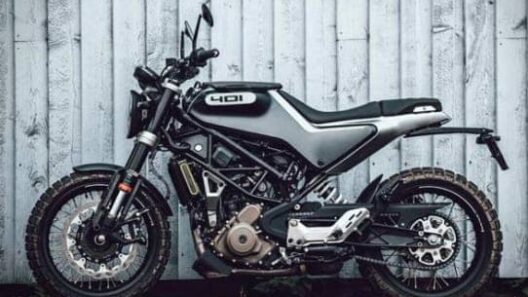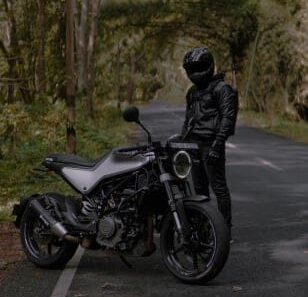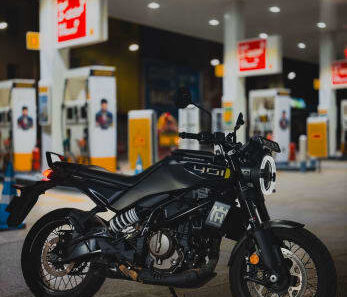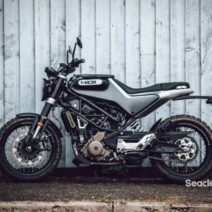
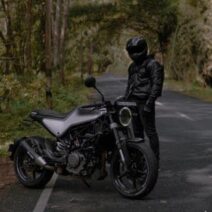
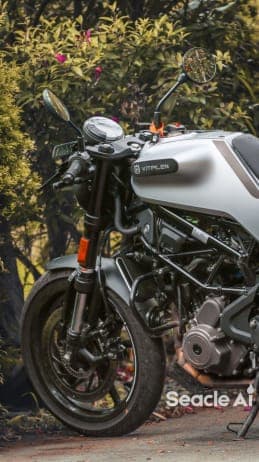

The Husqvarna Svartpilen 250 is a compact, urban-focused roadster that blends minimalist styling with a tuned 250cc single-cylinder engine. It’s aimed at commuters and newer riders who want a light, agile machine for city traffic and short weekend rides, but not for serious off-road adventures or extended high-speed touring.
Table of Contents
- What it is and who it’s for
- Key specifications and confirmed figures
- Features: safety, comfort and tech
- Real-world impressions and usability
- Husqvarna Svartpilen 250 vs KTM 250 Duke
- Downsides and who should avoid it
- FAQs
- Conclusion
What it is and who it’s for
The Svartpilen 250 is a lightweight street bike with a neo-retro, scrambler-influenced look. It’s designed primarily for urban and suburban riders needing low-speed agility and predictable responses in traffic. Riders who value easy parking, low fuel cost and simple maintenance will find it appealing. Riders who want long highway blasts, heavy pillion loads, or technical off-roading will feel its limits quickly.
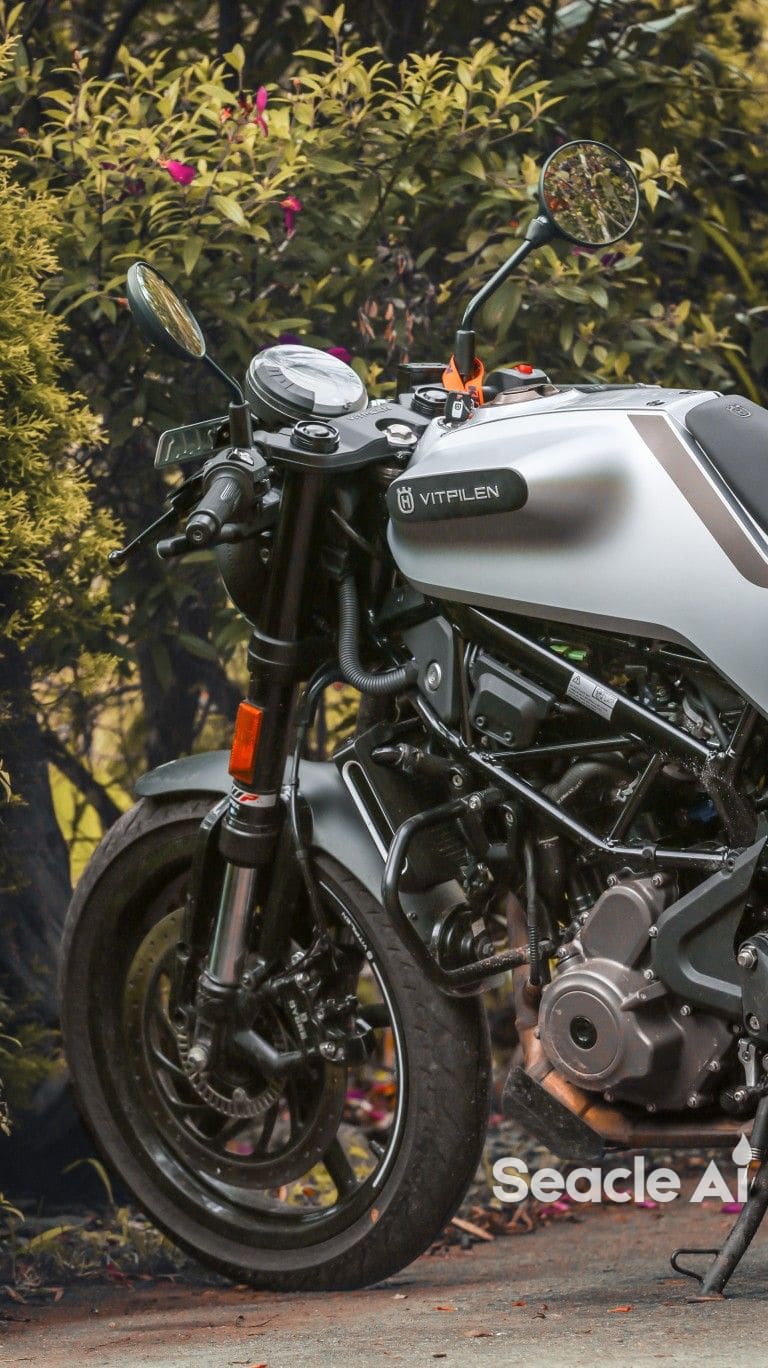
Key specifications: engine, power, torque, top speed, mileage, height and transmission (Svartpilen 250 specs)
Below are confirmed and commonly reported numbers. Note that some regional models vary slightly due to emission tuning.
- Engine: Single-cylinder, liquid-cooled 249–252 cc (typical modern 250cc layout)
- Power: Around 29–31 PS (rear-wheel numbers drop ~10–15% compared to crank due to drivetrain loss)
- Torque: Roughly 24–26 Nm, peaky enough for city overtakes but not explosive acceleration
- Top speed: Expected 135–150 km/h in optimal conditions — sustained cruising above 110 km/h becomes noisy and less efficient
- Mileage: Real-world figures tend to be 30–35 km/l in mixed city/highway riding; heavy traffic drops this noticeably
- Height / Seat height: Seat height typically ~835 mm; minimum rider height to manage confidence and emergency stops: about 165 cm (shorter riders usually notice this first)
- Transmission: 6-speed manual, slipper clutch available on some trims
Confirmed vs expected: Engine capacity and 6-speed transmission are confirmed on production models; exact peak power and torque vary slightly by market due to emission controls and gearing.
Features — safety, comfort and technology (Svartpilen 250 features)
The bike typically offers:
- ABS with switchable modes on some trims — essential for wet-city stops
- LED lighting, simple LCD or mono-color instrument cluster with fuel gauge
- Upside-down forks or conventional forks depending on market and model year
- Comfort-focused seat but firm padding — good for short commutes, less forgiving after 2–3 hours
How that plays out in daily use: ABS and predictable brakes reduce commuter anxiety in monsoon-like conditions; however, the firm seat and upright ergonomics make longer rides tiring after 2–3 hours. The suspension set-up favours urban control over plushness, so you feel potholes more directly — the trade-off is sharper steering and better feel in traffic.
Check price at local dealers to compare trims and features suitable for your city and budget.
Real-world impressions and usability
Two practical, experience-driven observations:
- Throttle response is immediate at low revs, which helps in stop-and-go traffic, but that immediacy can feel twitchy when carrying a pillion or luggage.
- Rider fatigue builds around the lower back and wrists after sustained 100+ km days because the seat is compact and the pegs are positioned for control rather than long-haul comfort.
A short observational insight: the bike’s narrow profile cuts through morning traffic like a knife — this matters more than it seems for daily commute time savings.
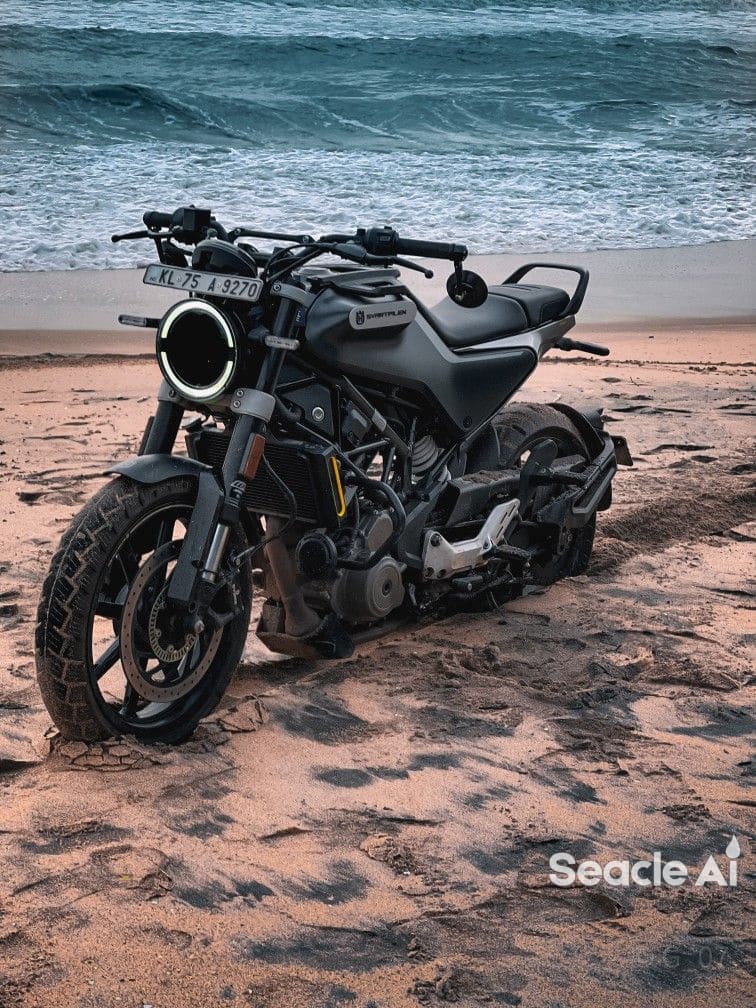
Husqvarna Svartpilen 250 vs KTM 250 Duke (Husqvarna 250 vs KTM 250 Duke)
| Spec / Area | Husqvarna Svartpilen 250 | KTM 250 Duke |
|---|---|---|
| Engine & performance | Single-cylinder ~250cc, tuned for mid-range torque and urban tractability | Single-cylinder 248.8 cc, sharper throttle mapping, sportier rev range |
| Torque / Top speed / Mileage | ~24–26 Nm; top ~140 km/h; 30–35 km/l real-world | ~24–26 Nm; top ~145–155 km/h; 28–33 km/l depending on riding style |
| Key features | Minimalist styling, comfortable upright ergonomics, often slipper clutch | Sharper ergonomics, more aggressive electronics in newer Dukes, TFT in higher trims |
| Price range (India, 2025–26 estimates) | Expected ₹2.20–2.70 lakh (ex-showroom) depending on trim and taxes | ₹2.00–2.40 lakh (ex-showroom), often slightly cheaper or similarly priced depending on dealer offers |
| Which rider should choose | Choose Svartpilen if you prefer relaxed ergonomics and distinctive styling | Choose Duke if you want sharper performance and sportier handling |
| Tank capacity | ~9–11 litres (typical for Svartpilen 250) | ~13.5 litres |
| Braking & safety | Single disc front with ABS; some variants offer dual-channel ABS | Disc front with dual-channel ABS commonly standard; often more aggressive calipers |
Nuanced note: the Duke feels faster on paper and on twisties; the Svartpilen trades a bit of outright pace for everyday composure and cooler ergonomics in traffic.
Downsides, limitations and who should avoid it
Limitations to consider:
- Not ideal for long highway touring — wind protection is minimal and sustained speeds above 110 km/h become noisy and fuel-inefficient.
- Suspension settings emphasize control; riders seeking plush comfort will feel road harshness after long rides.
- Maintenance can be slightly costlier than mass-market 150–200cc bikes due to brand positioning and service network density in some Indian cities.
Who should avoid it: riders planning regular interstate touring with a pillion, off-road enthusiasts, or anyone needing maximum luggage and passenger comfort.
FAQs (Svartpilen 250 mileage, Svartpilen 250 specs)
What mileage can I realistically expect from the Svartpilen 250?
Expect 30–35 km/l in mixed urban and highway use; heavy city idling or aggressive throttle will drop this to the mid-20s. Road conditions and fuel quality in India affect these figures noticeably.
Is the Svartpilen 250 good for beginners?
Yes, its manageable power delivery and light weight make it friendly for new riders, though seat height near 835 mm can intimidate shorter riders. Training on weight transfer and braking before riding in traffic is recommended.
Does it have modern safety tech like traction control?
Most trims include ABS; traction control is uncommon on this displacement and may not be standard. Check trim specifications before buying.
How does maintenance cost compare to KTM 250 Duke?
Service intervals are similar, but parts and labour for Husqvarna-badged bikes can be marginally higher in some regions; warranty packages and dealer support vary, so inspect offers carefully.
Conclusion — who should buy and who should walk away
If you want a stylish, urban-focused 250 that makes daily commuting easier and offers distinctive design, the Svartpilen 250 is a strong contender. It shines in city traffic and short weekend rides, with manageable fuel consumption and engaging low-to-mid range performance. However, its limitations are clear: not the bike for long-distance highway touring, heavy pillion duty, or serious off-road work. Expect firmer suspension and higher running costs than smaller commuter bikes; if that trade-off for sharper handling and looks matters to you, it can be worth it.
Most practical buyers will be solo commuters, style-conscious riders, or those upgrading from 150–200cc machines who want a more planted feel without sacrificing city agility. If you need more outright pace or touring comfort, the KTM 250 Duke or a larger-displacement bike may be a better fit.
Compare options at your nearest dealer and check price for available trims and offers before deciding. If you care about daily ergonomics and city manners more than top-end speed, this bike will serve you well. If long rides and pillion comfort are priorities, look elsewhere.