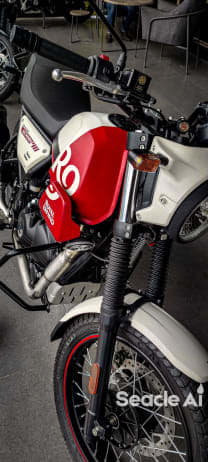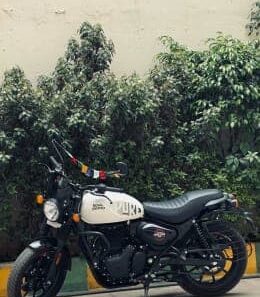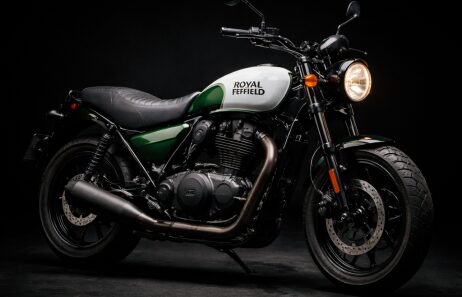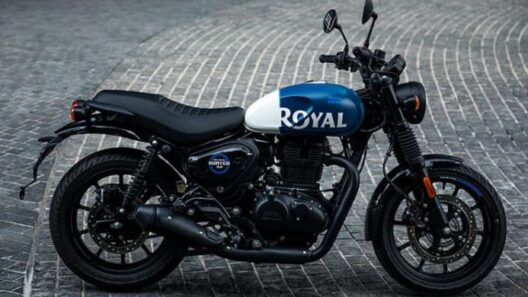



The Royal Enfield Hunter 350 sits between retro cruisers and scrubby city bikes: a compact, 349cc single-cylinder machine tuned for usable low-end power, easy handling and affordable ownership. It’s aimed at new riders, shorter commuters and anyone who wants classic RE character without the bulk of a Classic 350. The Hunter doesn’t pretend to be a sportbike or a long-distance tourer; that’s important when you choose one.
Table of Contents
- Quick verdict
- Hunter 350 specs
- Confirmed specifications
- Expected or rumored updates
- Safety, comfort and technology
- Minimum height to ride Hunter 350
- Real-world impressions
- Pros & cons
- Royal Enfield vs Honda CB350
- Alternatives
- FAQs
- Conclusion
Quick verdict
If you ride mostly in cities and want an easy-to-park motorcycle with classic single-cylinder feel and low-speed confidence, the Hunter fits well. It’s lighter and more agile than bigger REs, with a relaxed 5-speed gearbox and a motor tuned for traffic. If your plan is sustained high-speed highway touring, carrying two-up for long distances, or off-road work, this isn’t the ideal choice.
Hunter 350 specs
The following section covers what is broadly confirmed versus what’s been reported or expected for later updates.
Confirmed specifications
- Engine: 349 cc single-cylinder, air-oil cooled, SOHC, 4-stroke.
- Power: ~20.2 PS (around 20 bhp) at ~6,100 rpm.
- Torque: ~27 Nm at ~4,000 rpm.
- Top speed: Around 110–120 km/h in real-world conditions (varies with load).
- Mileage: Typical real-world figures 35–42 km/l depending on riding style and city/highway mix.
- Seat height: 805 mm.
- Transmission: 5-speed manual with wet multi-plate clutch.
- Kerb weight: Roughly 181 kg (varies by variant).
- Fuel tank: About 12–13 litres.
These are the numbers found on manufacturer spec sheets and verified road tests. Real-world mileage and top speed will change with rider weight, luggage and traffic—expect lower average economy on stop-start urban commutes.
Expected or rumored updates
- Reports through 2025–26 suggested small feature tweaks: new colourways, revised seat foam for improved comfort and wider availability of dual-channel ABS across trims. Treat these as likely but not final—Royal Enfield has made incremental updates rather than full mechanical changes so far.
Safety, comfort and technology
Brakes & safety: Standard front disc + rear disc with dual-channel ABS on most higher trims; single-channel or lower-spec ABS on base models in some markets. Brake feel is progressive rather than aggressive, which helps in traffic stops but requires firm leverage for wet braking.
Comfort: The seat is narrow and feels forgiving for 1–2 hours of city riding; rider fatigue becomes noticeable after 3–4 hours on continuous highway sections because of the upright but slightly forward posture and limited wind protection. Shorter riders usually notice the padding and peg position first.
Tech: Basic analogue-digital cluster with tripper on selected variants; some trims include Bluetooth navigation pod. There’s nothing exotic—no big TFT or semi-active suspension—so ownership and repairs stay comparatively simple and cheaper.
One subtle observation: throttle response is calm at low rpm, which helps in traffic, but when you ask for more acceleration the motor needs to be worked into the midrange—expect more vibration and audible drone at higher rpms. This matters more than it seems once you take long dual-carriageway stretches.
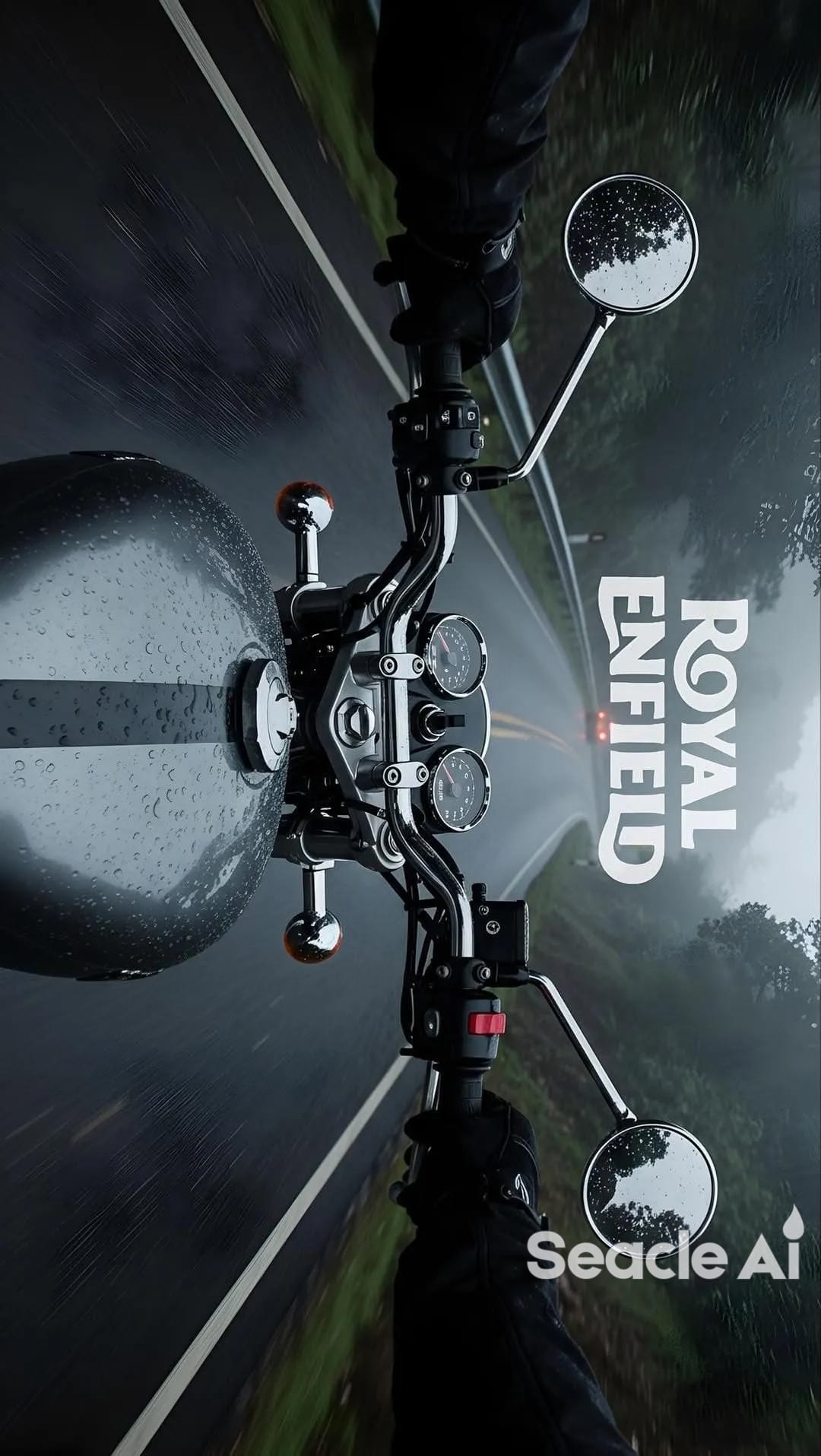
Minimum height to ride Hunter 350
The seat height of 805 mm means a recommended minimum rider height of about 160 cm (5’3″) to place at least one foot flat and manage stops confidently. Riders shorter than this can still use the bike but will notice limited reach to the ground and may prefer to fit lower aftermarket seats or raise confidence through practice.
Real-world impressions
Practical riding notes based on road tests and owner feedback:
- City commute: Light steering and compact wheelbase make lane changes and U-turns easy. Throttle modulation becomes key in bumper-to-bumper traffic because the motor has a soft low-end but sudden midrange pickup.
- Two-up riding: Manageable for short runs; the suspension is tuned more for urban comfort than sustained pillion loads, so expect sag and reduced comfort beyond 80–100 km stretches.
- Heat and maintenance: The J-style engine runs warm in slow traffic—nothing extreme, but off-idle heat and periodic valve checks are expected in the first 10–20k km service cycles.
Pros & cons
Pros: Accessible ergonomics, low-speed manners, simple tech and relatively low maintenance costs.
Cons: Not meant for performance-focused riding or long-distance touring without aftermarket support; the limited wind protection and narrow tank make sustained highway comfort mediocre.
Royal Enfield vs Honda CB350
Below is a direct comparison to help decide between these two popular 350cc machines.
| Area | Royal Enfield Hunter 350 | Honda H’ness CB350 |
|---|---|---|
| Engine & overall performance | 349cc J-series single, tuned for low-end tractability; lively midrange when pushed. | 348cc single, smoother refinement, slightly higher peak power in some tests; more linear acceleration. |
| Torque, top speed, mileage | ~27 Nm; top speed ~110–120 km/h; real-world mileage 35–42 km/l. | ~30 Nm; similar top speed window; mileage closer to 30–35 km/l in mixed use. |
| Key features | Simpler cluster, optional Bluetooth pod on trims, lighter chassis for city agility. | More premium fit & finish, larger tank options, often better instrumentation and ride refinement. |
| Price range (2025–26) | Typically positioned lower: roughly INR 1.65–1.85 lakh ex-showroom (varies by trim). | Higher by ~₹10k–30k depending on market and variant; positioned as slightly premium. |
| Which user should choose which | Choose Hunter 350 if you want lighter city handling, lower initial cost and simpler tech. | Choose H’ness CB350 if you want smoother refinement, longer distance comfort and a more premium feel. |
| Tank capacity | About 12–13 litres. | ~15 litres (larger touring range). |
| Braking & safety | Disc front/rear with ABS (dual-channel on higher trims); progressive feel. | Disc front/rear with standard dual-channel ABS on most trims; stronger initial bite reported. |
A quick note: the Hunter rewards riders who prefer nimble city behavior; the H’ness leans a bit more toward stable highway cruising. The difference is practical—pick based on your regular ride profile, not just looks.
Check Price or visit local dealerships to compare test-rides—nothing replaces how each bike feels under you.
Alternatives
If the Hunter’s limitations—limited wind protection, moderate tank size, and pared-back tech—are dealbreakers, consider slightly larger or more touring-focused 350s that offer bigger tanks and softer suspension. Otherwise, the Hunter remains one of the most city-friendly options in its class.
FAQs
What is the minimum height to ride Hunter 350?
Recommended minimum rider height is about 160 cm (5’3″). The seat at 805 mm lets many riders touch the ground comfortably, but exact confidence depends on inseam length and saddle modifications.
What mileage can I realistically expect from the Hunter 350?
Expect 35–42 km/l in mixed city/highway use. Heavy traffic, fast cruising and pillion riding push economy to the lower end.
Is Hunter 350 good for long highway trips?
Not ideal. The engine can maintain highway speeds but the narrow seat, light windscreen and gearing make sustained high-speed touring tiring beyond 200–300 km per day without breaks.
How does maintenance compare to the Honda CB350?
Royal Enfield spares and labour are generally cheaper; however, REs require more frequent valve checks on the J-platform compared with the Honda. Owners often accept slightly higher service cadence for a lower per-service bill.
Conclusion
The Royal Enfield Hunter 350 is best for riders who prioritise city agility, classic single-cylinder character and a low barrier to ownership. It’s not the bike for you if you frequently do long highway runs, need heavy load-carrying capacity, or expect sportbike-level performance. Expect a friendly learning curve, modest running costs and practical short-trip comfort—while planning upgrades for long-distance comfort or pillion-heavy use. Most people overlook how much the seat and gearing matter on long days; on the Hunter those limits become clear after a few hundred kilometres.
If you want a nimble, character-rich commuter with straightforward upkeep, the Hunter is worth test-riding. If your life includes long touring, heavy pillion work, or you want a smoother top-end for long straights, the Honda H’ness CB350 edges ahead.
View Product or Compare Options at your nearest showroom to decide—feel matters more than spec sheets.