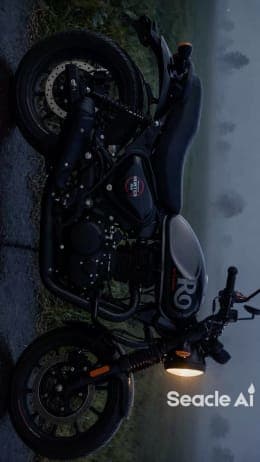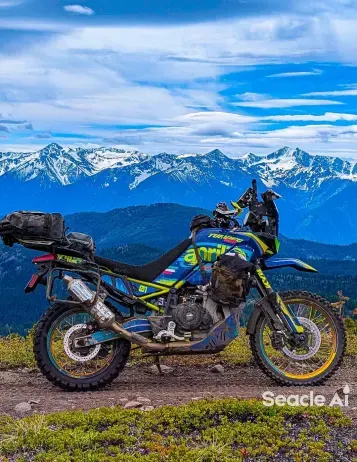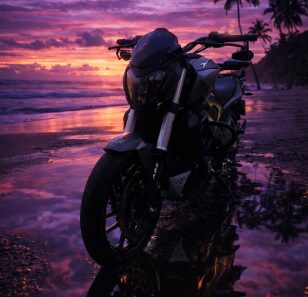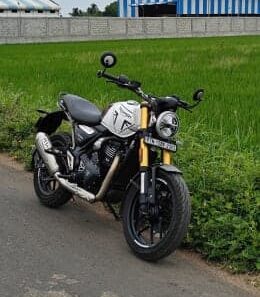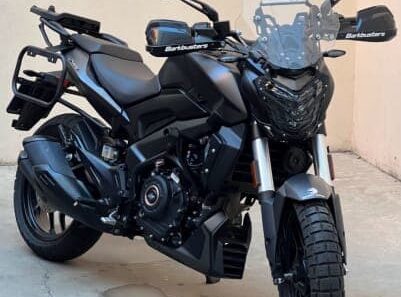


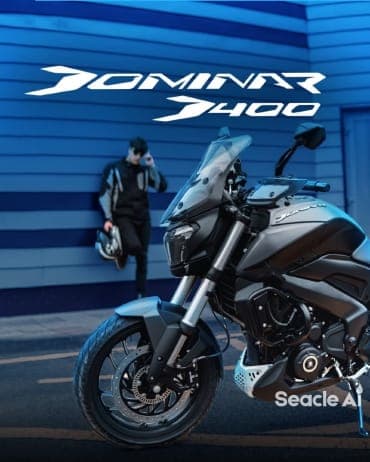

Bajaj Dominar 400 arrives in conversations as a big-bore commuter-tourer that tries to balance usable mid-range power with highway comfort, and it’s worth understanding where that balance holds and where it doesn’t.
Table of Contents
- Quick intro to Bajaj Dominar 400
- Dominar 400 specifications
- Dominar 400 safety features
- Dominar 400 mileage
- Real riding experience and limitations
- Comparison: Dominar 400 vs KTM 390 Duke
- Where the Dominar shines and falls short
- Alternatives and buying advice
- FAQs
- Conclusion
Quick intro to Bajaj Dominar 400
The Dominar 400 is a heavyweight-feeling motorcycle from Bajaj designed for riders who want a torquey single-cylinder with a comfortable upright position for city riding and occasional highway touring. It’s not a lightweight sportbike nor a dedicated off-roader — think of it as a compact structure that needs a solid foundation: strong midrange torque and chassis stability rather than razor-sharp handling. That analogy helps explain why it feels stable with a pillion and luggage, yet not as flickable as smaller naked sport machines.
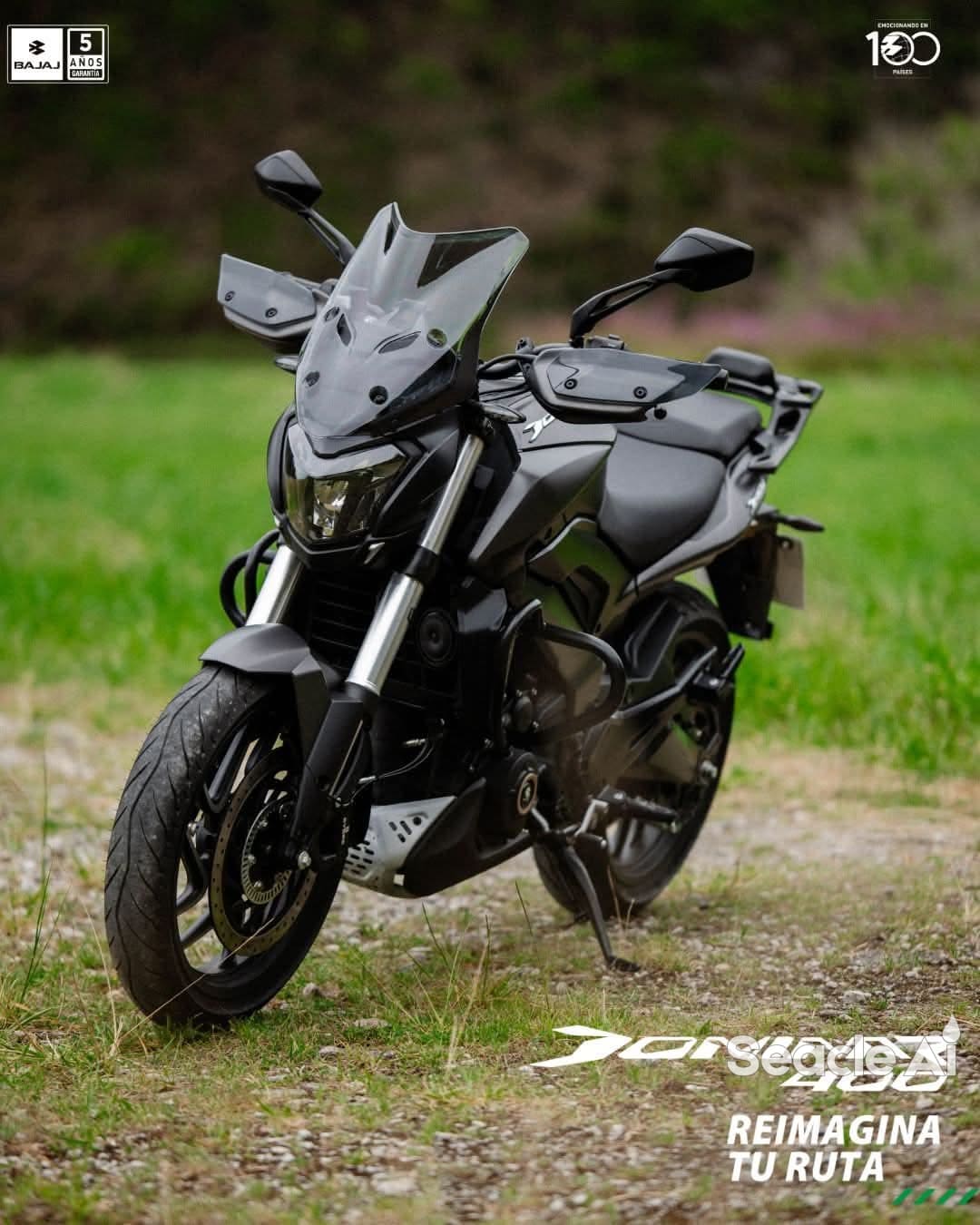
Dominar 400 specifications
- Engine: 373.3 cc, single-cylinder, liquid-cooled, DOHC
- Power: ~39–40 PS (about 29–30 kW) at ~8,000 rpm (factory figure varies by model year)
- Torque: ~35 Nm at ~6,500 rpm
- Top speed: around 145–150 km/h in real-world tests
- Mileage: real-world 22–28 km/l depending on city/highway split and riding style
- Seat height: 800 mm; minimum height to ride Bajaj Dominar 400: about 160 cm (5’3″) to plant feet reasonably at stops
- Transmission: 6-speed gearbox with slipper clutch
- Kerb weight: approx. 187–190 kg
- Fuel tank: 13 litres (usable ~12.5 litres)
Confirmed vs variable: the engine capacity and gearbox are stable across recent model years; power and torque can vary a little with model updates and emission-related mapping changes.
Dominar 400 safety features
The bike typically includes dual-channel ABS, a large front disc (around 320 mm) and a rear disc (around 230 mm), and a steel perimeter frame. Practical effect: braking confidence is decent for two-up riding, but in wet, high-speed braking you’ll notice the bike’s mass makes ABS intervention more frequent than on lighter bikes.
Dominar 400 mileage
Claimed figures are often optimistic; in mixed Indian traffic expect 22–28 km/l depending on throttle habits. On steady highway runs at 80–100 km/h you can push toward the higher end — 28 km/l or slightly more — but spirited rides drop consumption below 22 km/l. This affects range: with a 13 L tank your realistic touring range is about 250–320 km between stops.
Real riding experience and limitations
First real-world note: throttle response is smooth but not razor-sharp — useful in traffic, but it hides the engine’s absolute performance. Shorter riders notice the seat height immediately and may find manoeuvring at low speeds a bit awkward until they get used to the weight distribution. Rider fatigue builds less in the lower back than on fully-faired sportbikes, but longer rides (6+ hours) make the pillion seat and stock seat padding feel firm; swapping to a softer touring pad makes a measurable difference.
Important limitation: this is not an off-road bike. The suspension is tuned for pavement; heavy gravel, ruts, or rough trails will quickly highlight limited suspension travel and risk bottoming out. Likewise, if you want track-day agility or extreme cornering precision, a lighter, more focused machine is a better bet.
Mid-content suggestion: Want a closer look at prices and variants near you? Check Price on the latest Dominar 400 trims.
Comparison: Dominar 400 vs KTM 390 Duke
| Spec / Feature | Bajaj Dominar 400 | KTM 390 Duke |
|---|---|---|
| Engine & performance | 373.3 cc single, ~39–40 PS, focus on mid-range torque | 373.2 cc single, ~43–44 PS, more peak power and rev-happy |
| Torque, top speed, mileage | ~35 Nm, top ~145–150 km/h, 22–28 km/l | ~37 Nm, top ~160–165 km/h, 20–25 km/l |
| Key features | Comfortable ergonomics, big frame stability, slipper clutch | Sharper chassis, WP suspension (on many models), TFT display options |
| Price range (India, indicative) | Approx. ₹1.90–2.10 lakh (ex-showroom, varies by state & year) | Approx. ₹2.20–2.60 lakh (ex-showroom) |
| Who should choose | Riders wanting comfortable mid-range touring and two-up capability | Riders prioritizing performance, lighter handling, and sportier ride |
| Tank capacity | 13 L | 13–13.4 L |
| Braking & safety | Disc brakes, dual-channel ABS; heavier feel under emergency braking | High-spec brakes, dual-channel ABS, generally sharper stopping feel |
Nuanced note: the Duke rewards aggressive riding and quick direction changes; the Dominar rewards stability under load and a forgiving midband. If you commute in heavy traffic most days, the Dominar’s torque and relaxed ergonomics matter more than the Duke’s outright agility.
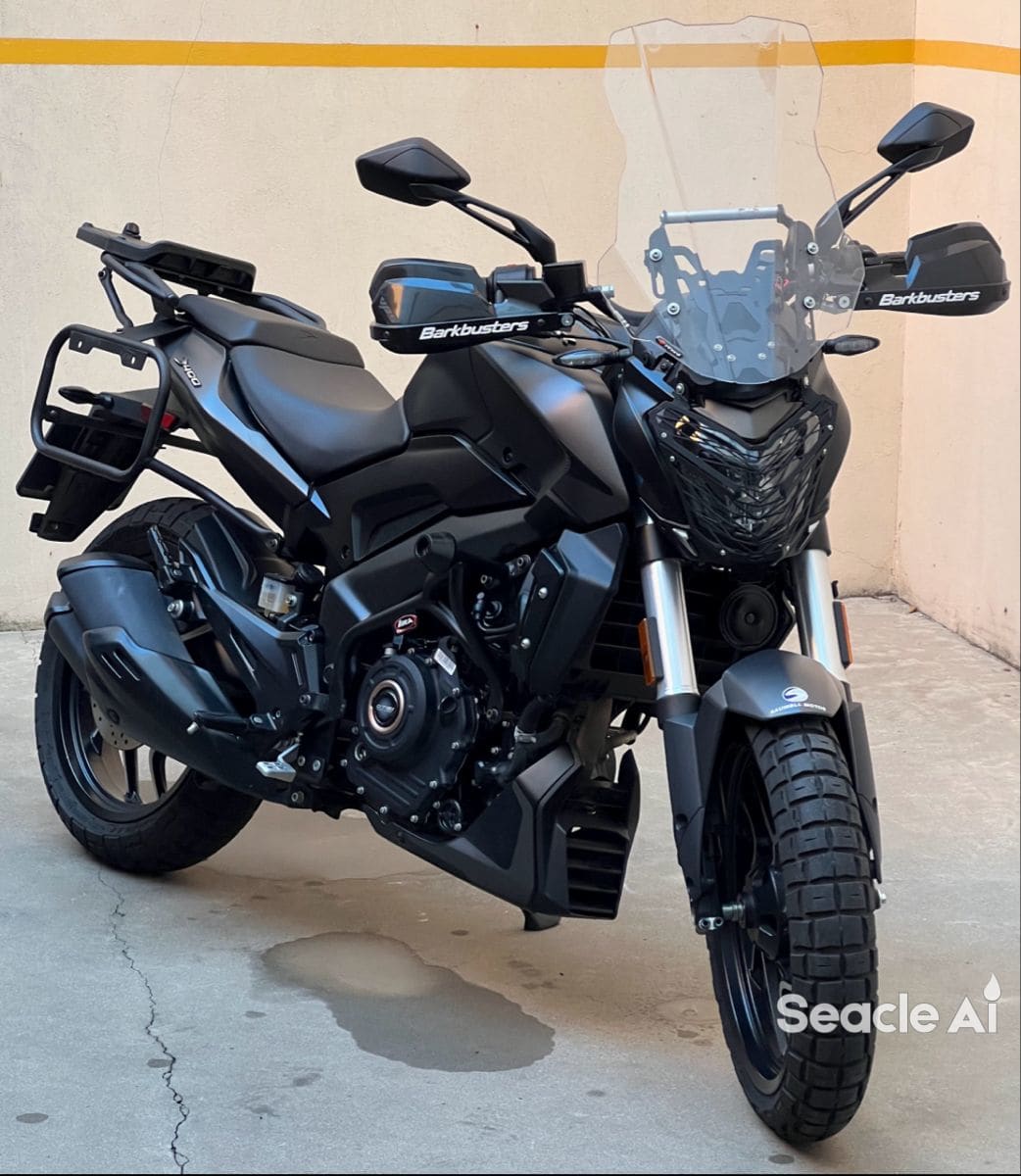
Where it shines and where it falls short
- Strengths: strong mid-range torque for overtakes, comfortable ergonomics, relatively low maintenance (compared to twin-cylinder options), good two-up stability.
- Downsides: heavier kerb weight reduces flickability; stock suspension is firm for long-distance touring on poor roads; average mileage under spirited use; missing advanced rider aids like cornering ABS or traction control.
Who should avoid it: riders who need a lightweight, track-focused bike or serious off-road capability. If your daily commute is full of tight U-turns and you like a sprightly front-end, look elsewhere.
Alternatives and buying advice
If you want more sport and less weight, the KTM 390 Duke is the most direct alternative. If you want better long-range comfort, consider adding aftermarket suspension and a touring seat to the Dominar — these modifications often produce a bigger comfort change than upgrading to a different bike at modest extra cost.
FAQs
Is the Dominar 400 good for long highway touring?
Yes, up to a point: it manages steady cruising and overtakes well thanks to strong mid-range torque, but the firm stock seat and limited wind protection mean fatigue appears around 5–7 hours without adjustments. A taller screen and a softer seat extend comfort markedly.
What is the Dominar 400 mileage in city and highway?
Real-world: roughly 20–25 km/l in city traffic and 26–30 km/l on steady highways, depending on throttle use and traffic conditions.
Is the Dominar 400 suitable for beginners?
It’s manageable for experienced beginners comfortable with heavier bikes; however, the weight and seat height can intimidate absolute first-timers. Shorter or lighter riders often get easier control on smaller-engined bikes first.
How does Dominar 400 braking compare to the KTM 390 Duke?
The Dominar has strong brakes for its weight, but the Duke’s lighter chassis and higher-spec brake setup typically deliver sharper feel and shorter stopping distances in aggressive situations.
Conclusion
The Dominar 400 is a practical choice for riders who value mid-range tractability, steady highway performance, and two-up usability without the premium price of some rivals. Its limitations are clear: not suitable for serious off-road work, less nimble than lighter sport bikes, and stock comfort needs tweaks for long-distance touring. If you mostly ride city and occasional highways with a pillion or luggage, it’s a sensible pick. If you crave sharp handling or track performance, the KTM 390 Duke or a lighter naked bike will serve you better.
Final action: Decide by use-case — if you prioritise relaxed touring and loaded stability, View Product for the Dominar; if you want sharper handling and top-end performance, Compare Options.