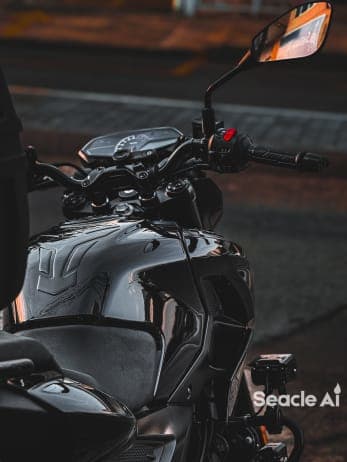

Bajaj Pulsar N160 arrives as a middleweight naked bike aimed at riders who want a balanced daily commuter with a sporty feel — not a full-on performance machine. In city traffic it settles nerves with predictable throttle, and on short highway stretches it can keep pace without drama. This review breaks down what it is, who it fits, clear limitations, and how it stacks up against the Hero Xtreme 160R.
Table of Contents
- What the Bajaj Pulsar N160 is and who it’s for
- Key specifications (engine, power, torque, top speed, mileage, height and transmission)
- 160cc naked bike: safety, comfort and technology
- Confirmed specifications vs expected updates
- Real riding experience and everyday observations
- Comparison: Pulsar N160 vs Xtreme 160R
- Drawbacks, who should avoid it and practical verdict
- FAQs
What the Bajaj Pulsar N160 is and who it’s for
The Bajaj Pulsar N160 is a 160cc naked bike positioned between commuter-friendly models and outright sporty machines. It targets urban riders and learners stepping up from 125–150cc bikes who want sharper styling and a bit more punch without the expense or fuss of a performance-focused motorcycle. Think short to medium commuting, occasional canyon runs, and weekend errands rather than full-day highway touring or off-road adventures.
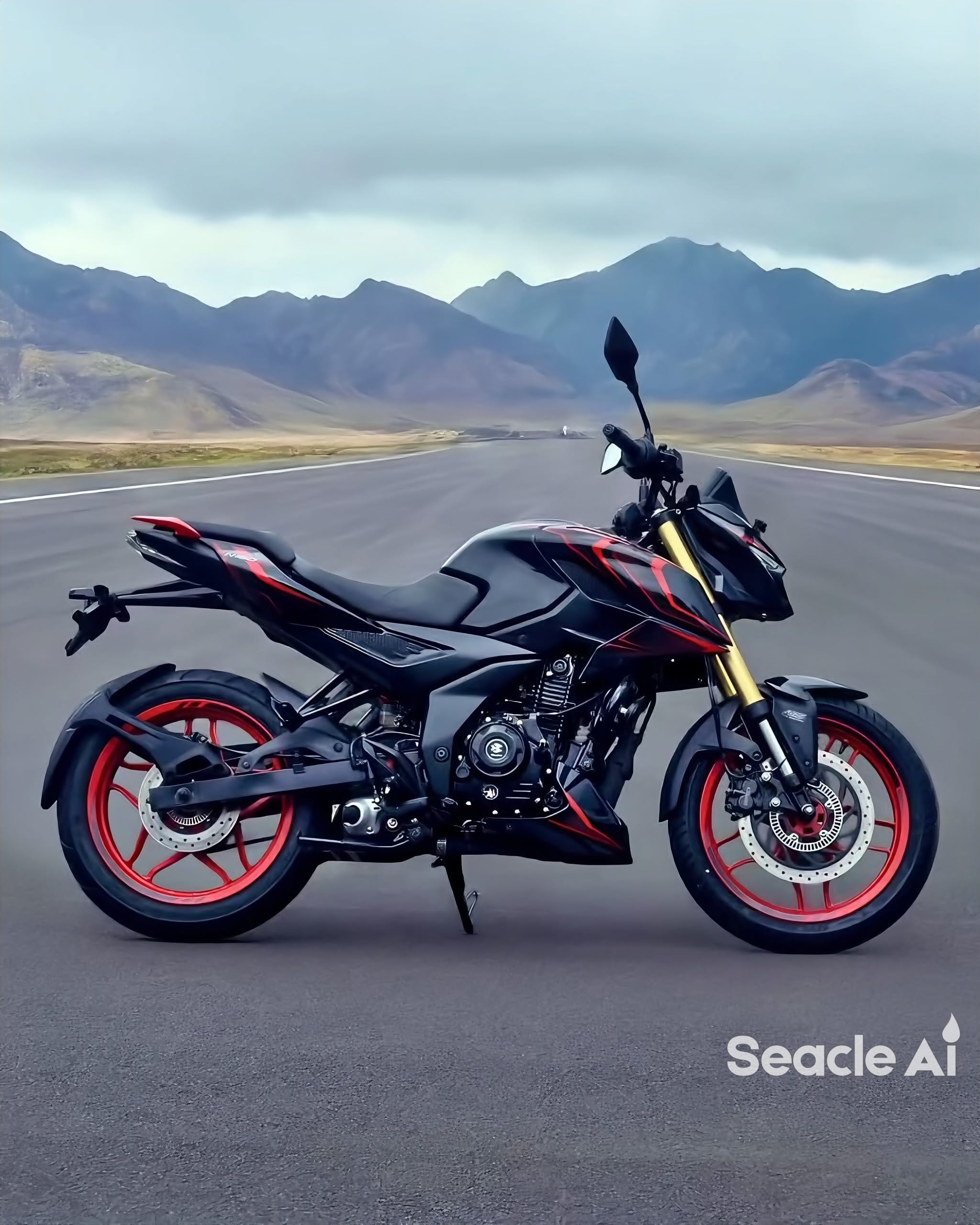
Key specifications (engine, power, torque, top speed, mileage, height and transmission)
- Engine: Single-cylinder, air/oil-cooled, ~160cc (SOHC).
- Power: Around 16–17 PS at mid-to-high revs (varies by tune and model year).
- Torque: Roughly 14–15 Nm, focused on usable mid-range pull.
- Top speed: Expect 110–120 km/h in real-world conditions with a pillion and light luggage.
- Mileage: Typical real-world figures: 45–50 kmpl in mixed city/highway use; peak figures can hit low-50s on steady-speed runs.
- Seat height / Minimum rider height: Seat height about 800–810 mm; minimum height to ride Bajaj Pulsar N160 comfortably is roughly 160 cm — shorter riders usually notice this first at stops and during low-speed maneuvers.
- Transmission: 5-speed manual gearbox with a light clutch — geared for city responsiveness rather than top-speed sprinting.
Bajaj N160 mileage
Observed fuel efficiency varies by riding style. Aggressive throttle use lowers returns into the low-40s kmpl; relaxed commuting keeps it around 48–52 kmpl. On long steady highways it can briefly touch higher numbers, but in stop-start Mumbai or Delhi traffic you’ll consistently see mid-40s. This matters more than it seems for daily cost-of-ownership calculations.
160cc naked bike: safety, comfort and technology
It comes with basic but useful tech: a semi-digital console, LED headlamp in newer trims, and twin-channel ABS on higher variants. Suspension is typically telescopic front and mono-shock rear tuned toward firm handling. That firmness helps in twisty urban lanes but translates into a slightly bouncy ride over bad city patches — the trade-off appears during longer rides when rider fatigue builds.
- Safety: Disc brakes with single or dual-channel ABS options. Stopping power is predictable; ABS intervention is smooth but not aggressive.
- Comfort: Upright ergonomics and a flat seat make short commutes pleasant; longer rides (2–3 hours) show how the seat padding compresses and the rear peg positioning invites leg fatigue.
- Technology: Phone-connectivity variants may offer turn-by-turn navigation on the instrument cluster; cheaper trims stick to a basic digital readout.
Confirmed specifications vs expected updates
Confirmed: The production model uses a ~160cc SOHC engine, 5-speed gearbox, and an 800–810 mm seat height. Twin-channel ABS is offered on higher variants. These are in dealer spec sheets and verified test rides through 2025.
Expected/rumored: As per reports in early 2026, Bajaj may introduce a fuel-injection tweak for emissions and a slightly retuned ECU for smoother low-end torque — specs and final outputs may change before official updates land. Treat those as likely but not final.
Real riding experience and everyday observations
In traffic the engine pulls cleanly from 3,000–6,000 rpm; that mid-range is where you live most of the time. Throttle response is linear, which reduces small jerks at lights and makes lane filtering less stressful. Shorter riders tend to notice the weight when placing a foot down; longer riders appreciate the planted feel at 80–100 km/h.
Two experience-driven observations:
- On uneven urban tarmac the firm rear damping shows up after 40–60 minutes — you’ll feel it in the lower back more than the arms.
- Throttle snatch is minimal once warmed up, but heavy luggage magnifies heat through the engine casing during slow traffic, making long traffic jams less pleasant.
Check Price: If you’re considering buying, compare dealer offers for ABS and non-ABS variants — the difference often matters more than a cosmetic accessory.
Comparison: Pulsar N160 vs Xtreme 160R
Below is a focused look at how the two bikes compare in key rider-relevant areas.
| Area | Bajaj Pulsar N160 | Hero Xtreme 160R |
|---|---|---|
| Engine & overall performance | ~160cc SOHC focused on mid-range usability; smoother at low revs. | ~160cc DOHC or tuned variant in some years; slightly peppier top-end acceleration. |
| Torque, top speed, mileage | Torque ~14–15 Nm; top speed 110–120 km/h; mileage 45–50 kmpl mixed. | Torque marginally similar; top speed similar but Xtreme can feel livelier above 90 km/h; mileage often similar or a touch lower under aggressive riding. |
| Key features | Often has LED lights, twin-channel ABS on select trims, semi-digital cluster. | Competitive tech; some variants include Bluetooth console and sportier ergonomics. |
| Price range (India) | Approx. ₹1.20–1.35 lakh (ex-showroom) depending on variant and city. | Typically a few thousand lower or similar — around ₹1.10–1.30 lakh (ex-showroom), depending on offers. |
| Which rider should choose | Buy if you want a comfortable mid-range commuter with predictable handling. | Choose Xtreme 160R if you value sharper top-end response and slightly sportier ergonomics. |
| Tank capacity | About 12–13 litres — practical for daily use with 300–350 km real range. | Similar tank size around 12 litres. |
| Braking & safety | Disc front, ABS options; braking is linear and confidence-inspiring. | Comparable braking hardware; stopping feel may be firmer on Xtreme depending on tyre choice. |
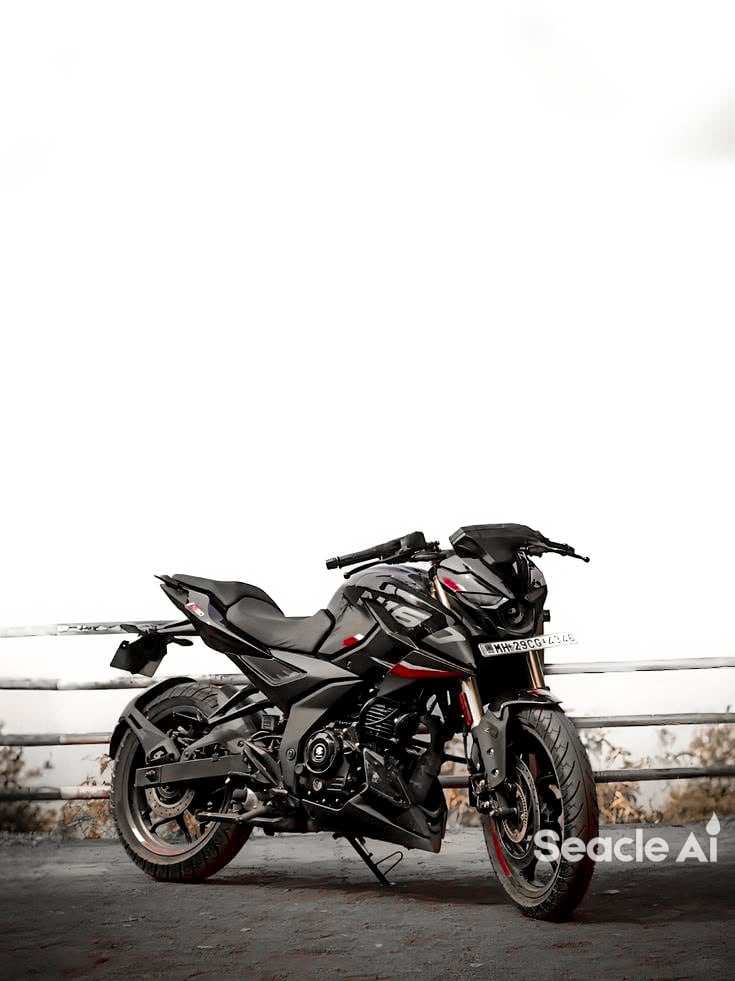
Drawbacks, who should avoid it and practical verdict
Downsides you should weigh:
- Not ideal for long highway touring: Seat padding and fuel range make full-day touring tiring unless you plan frequent stops.
- Suspension trade-offs: Firm setup helps cornering but punishes potholes — riders doing long inner-city rides over rough roads will feel it.
- Maintenance and heat: Occasional valve checks and the cost of genuine parts at service centres are normal ownership costs; in heavy Mumbai traffic the engine heat becomes more noticeable in summer.
Who should avoid it: If you primarily need a long-distance tourer, an off-roader, or want a race-style performance bike, this is not the right pick. For two-up long rides with luggage, look elsewhere.
Final recommendation: The Pulsar N160 suits urban riders and weekend commuters who want a solid mid-range engine, manageable running costs, and sporty styling without high maintenance. If you value outright top-end zip or long-distance comfort, consider alternatives.
Compare Options: Visit local dealers to ride both ABS and non-ABS trims, and check real-world mileage numbers in your traffic patterns before deciding.
FAQs
- Q: What is the minimum height to ride Bajaj Pulsar N160?
- A: Minimum comfortable height is around 160 cm because the seat is roughly 800–810 mm; shorter riders often need to be careful at slow-speed balancing.
- Q: How does the Bajaj N160 mileage compare to other 160cc bikes?
- A: Real-world mileage sits around 45–50 kmpl for mixed use. Compared with some tuned 160cc rivals, it’s competitive — but aggressive riding will drop it into the low-40s.
- Q: Is Bajaj Pulsar N160 suitable for highway touring?
- A: Not ideal. It can handle short highway legs, but seat comfort, wind protection, and heat management make longer tours tiring.
- Q: Does the bike come with ABS and modern features?
- A: Higher trims offer twin-channel ABS and LED lighting; basic trims keep a simple semi-digital cluster. Always verify trim specifics with the dealer before purchase.
- Q: How does it compare to the Hero Xtreme 160R?
- A: The Pulsar N160 leans toward mid-range usability and comfort; the Xtreme 160R feels a touch sportier up top. Choose based on whether you prioritize daily rideability or peppy high-rev behaviour.