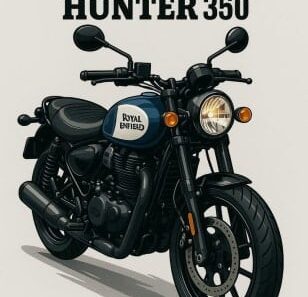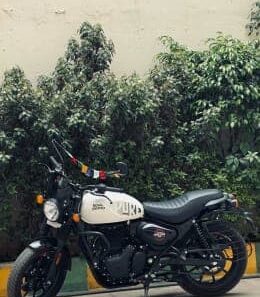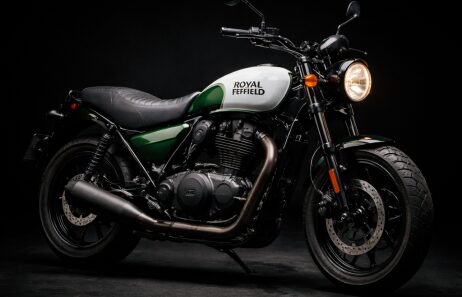


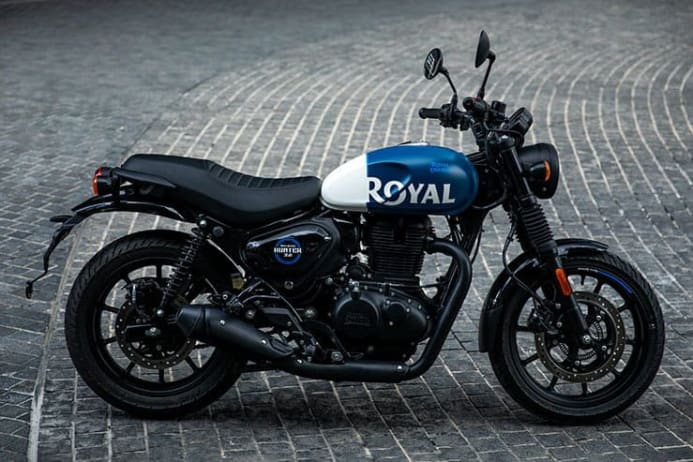

The Royal Enfield Hunter 350: Purpose-Built Urban Riding
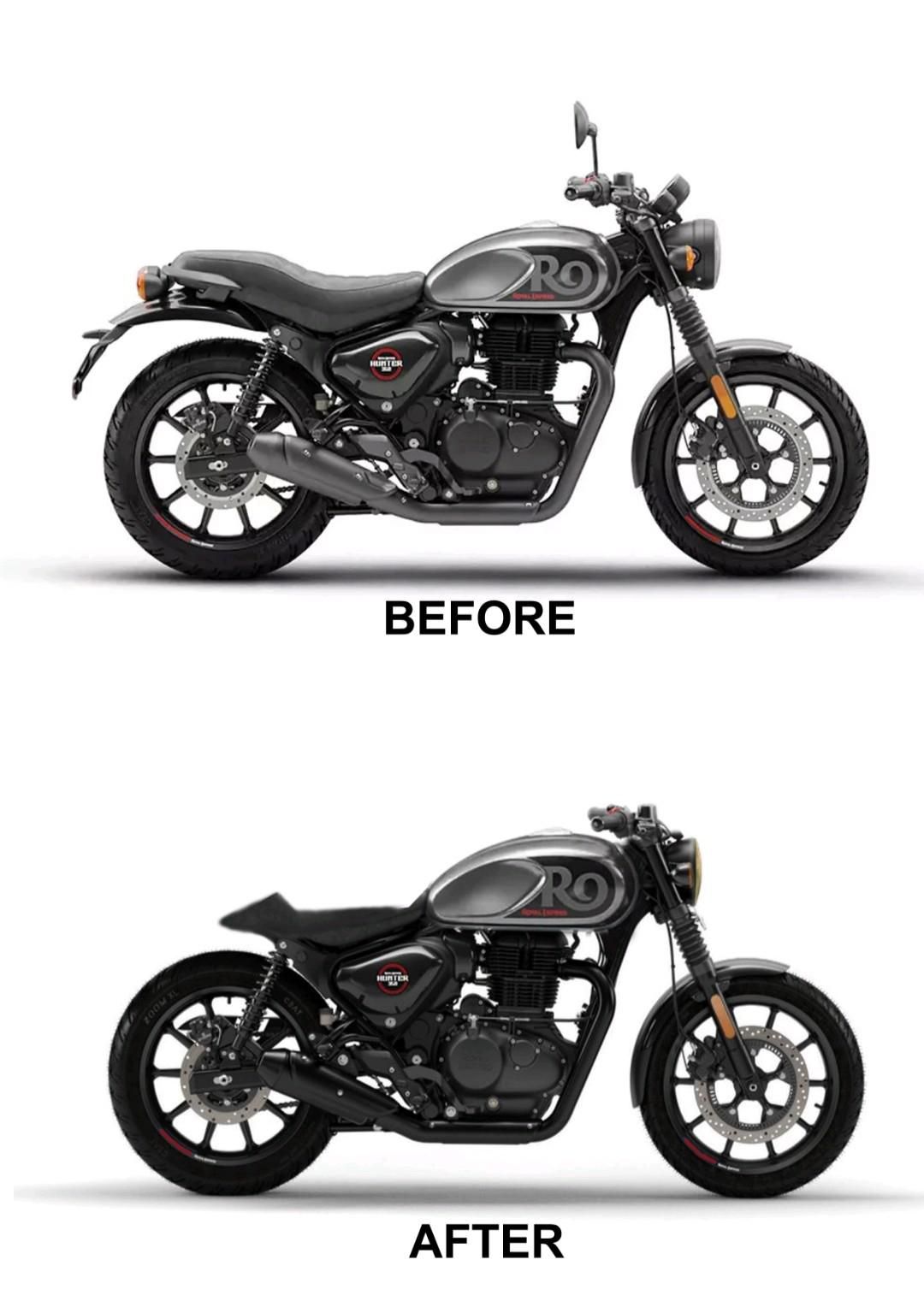
Royal Enfield Hunter 350 brings a fresh approach to city motorcycling while maintaining classic DNA. Designed as an accessible entry point to Royal Enfield’s lineup, this bike combines manageable weight, low seat height, and torquey engine performance for daily urban use. First arriving in showrooms in late 2023, the 2025-2026 models incorporate subtle refinements based on rider feedback.
What Exactly Is the Hunter 350?
The Royal Enfield Hunter 350 is a standard/naked motorcycle with upright ergonomics, designed primarily for:
- City commuters needing agile handling in traffic
- New riders seeking approachable power delivery
- Urban explorers prioritizing style and comfort over outright speed
Built on Royal Enfield’s J-platform (shared with Classic 350 and Meteor 350), the Hunter 350 distinguishes itself with shorter wheelbase, reduced weight, and contemporary styling emphasizing minimalism over retro flair.
Confirmed Specifications (2025 Model)
Engine & Performance
- Engine Type: 349cc air/oil-cooled single cylinder
- Power Output: 20.2 bhp @ 6,100 rpm
- Torque: 27 Nm @ 4,000 rpm
- Transmission: 5-speed manual with slipper clutch
- Top Speed: 114 km/h (tested)
- Fuel Efficiency: 35-37 km/l in city conditions
Dimensions & Capacity
- Seat Height: 800 mm (lowest in RE’s 350cc range)
- Kerb Weight: 181 kg
- Fuel Tank: 13 liters
- Ground Clearance: 150 mm
2026 Expected Updates (Not Confirmed)
- Possible addition of Bluetooth-enabled Tripper Navigation as standard
- Rumored weight reduction to 177 kg through component revisions
- Expected color refresh with two new matte finish options
Key Features Breakdown
Safety Components
Asymmetric dual-channel ABS is standard, with:
- ByBre (Brembo subsidiary) front caliper
- 300mm front disc / 270mm rear disc
- Steel-braided front brake hose (2025 upgrade)
Comfort & Ergonomics
- Wide rubber footpegs reduce vibration
- Flat handlebar enables upright posture
- Firmer seat foam formulation (2025 update improves long-ride comfort)
Technology Package
- Analog-digital combo instrument cluster
- USB-C charging port under seat
- Optional Tripper Navigation pod (factory accessory)
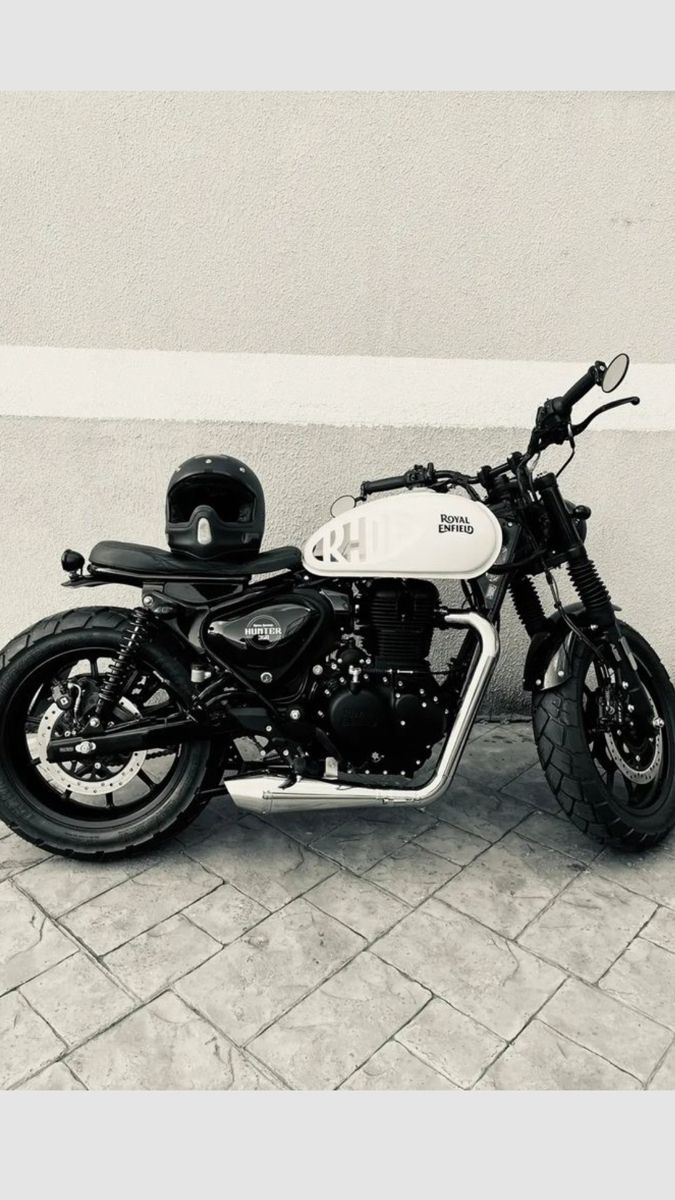
Hunter 350 vs Bajaj Pulsar NS200: Detailed Comparison
| Category | Royal Enfield Hunter 350 | Bajaj Pulsar NS200 |
|---|---|---|
| Engine | 349cc single-cylinder (torque-focused) | 199.5cc single-cylinder (high-revving) |
| Power | 20.2 bhp @ 6,100 rpm | 24.5 bhp @ 9,750 rpm |
| Torque | 27 Nm @ 4,000 rpm | 18.7 Nm @ 8,000 rpm |
| Top Speed | 114 km/h | 136 km/h |
| Mileage (ARAI) | 37 km/l | 40 km/l |
| Braking | Dual-channel ABS | Single-channel ABS |
| Tank Capacity | 13 liters | 12 liters |
| Ex-showroom Price (2025) | ₹ 1.89 – 2.12 Lakh | ₹ 1.48 – 1.63 Lakh |
Performance Philosophy
Hunter 350 emphasizes low-end torque, delivering strong pickup from 30-80 km/h – ideal for city stoplight sprints and occasional highway use. The Pulsar NS200 requires higher RPMs to access its powerband, rewarding sportier riders who actively work the gearbox.
Rider Recommendations
Choose Royal Enfield Hunter 350 if you:
- Prioritize relaxed city commuting over outright speed
- Prefer classic styling with modern reliability
- Need confidence-inspiring low-speed handling
Choose Bajaj Pulsar NS200 if you:
- Seek sportier performance on tighter budgets
- Frequently ride on open roads/highways
- Prefer aggressive riding position for cornering
Ownership Realities
Hunter 350 maintenance follows Royal Enfield’s 6,500 km/6-month service intervals, with oil changes and valve clearance checks being critical service points. 2025 models benefit from improved center stand design for easier chain lubrication compared to previous model years.
Frequently Asked Questions
Is the Hunter 350 suitable for highway rides?
While capable of highway speeds, the Hunter 350 works best for sub-100 km/h cruising. Vibrations become noticeable beyond 95 km/h – fine for occasional highway use, but not ideal for daily long-distance commutes.
What’s the real-world mileage for 2025 models?
As per multiple user reports, actual city mileage ranges between 33-36 km/l depending on riding style. Highway figures reach 38-40 km/l when maintaining 75-85 km/h speeds.
Can taller riders comfortably use the Hunter 350?
Riders up to 6’1″ report adequate comfort for 90-minute rides. Those taller may find the pegs slightly cramped. The handlebar position generally accommodates most statures better than RE’s cruiser models.
Does the price difference vs Pulsar NS200 justify Hunter 350?
If heritage styling, low-speed torque, and brand prestige matter to you – yes. Purely on performance metrics per rupee, the Pulsar offers higher specifications. Test rides are strongly recommended before deciding.
The Final Decision Matrix
When evaluating the Royal Enfield Hunter 350 beyond specifications, consider that its appeal lies in measuring ride quality differently than pure metrics suggest. Think of navigating city streets with the assuredness one might find studying celestial patterns – knowing exactly where and when to move with minimal energy expended.
Ultimately, the Hunter 350 excels when judged by these parameters rather than racing-style benchmarks. Conversely, the Bajaj Pulsar NS200 better serves riders seeking traditional sport bike experiences at accessible price points. Both represent competent choices rooted in vastly different engineering philosophies.