

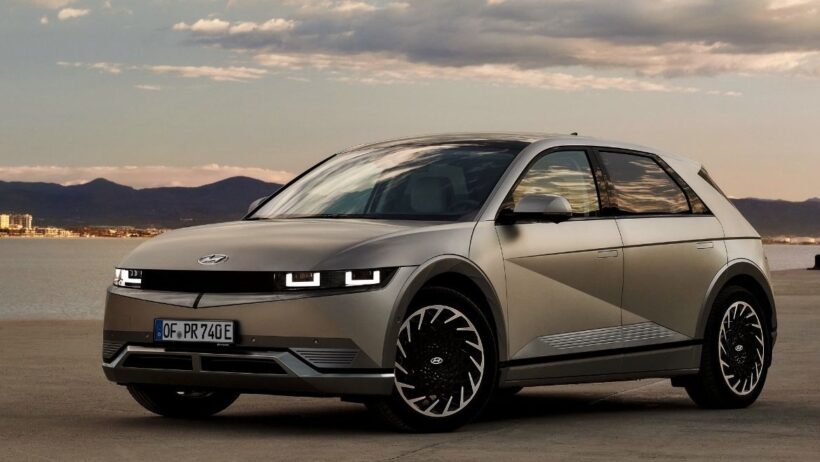

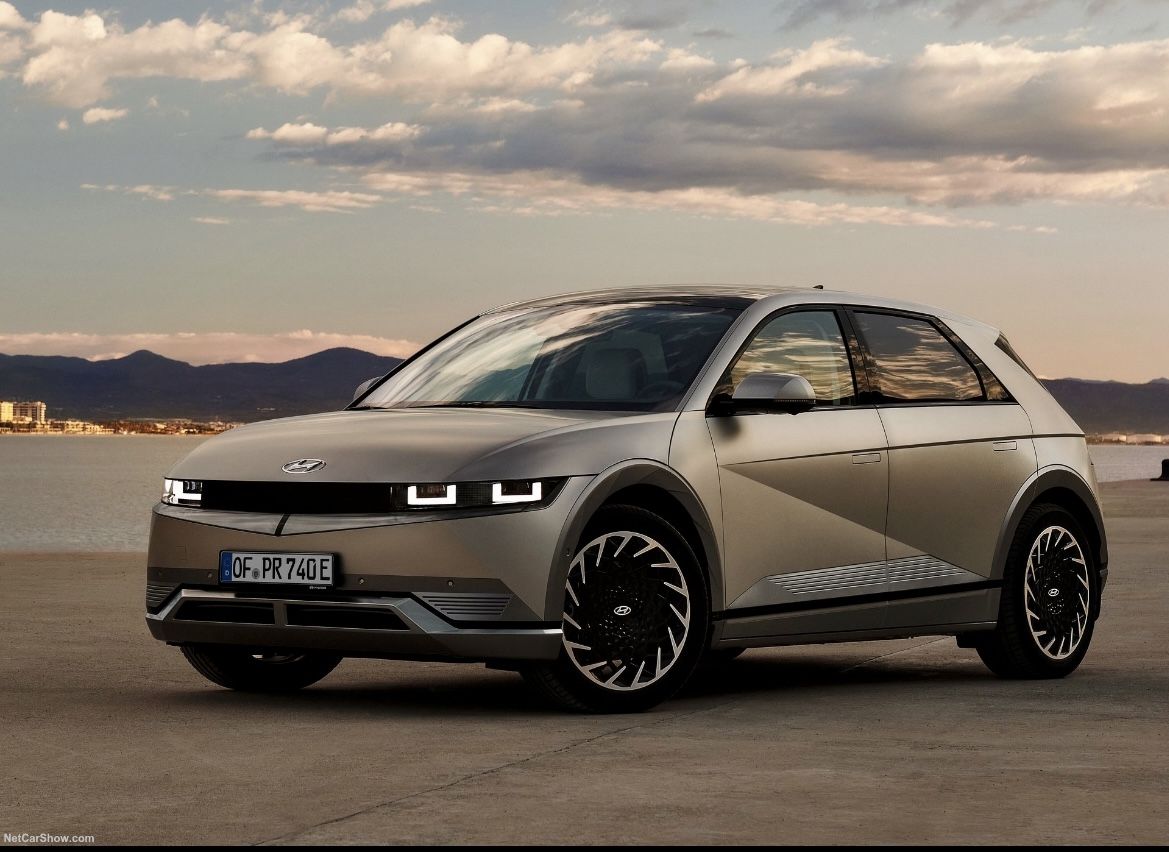
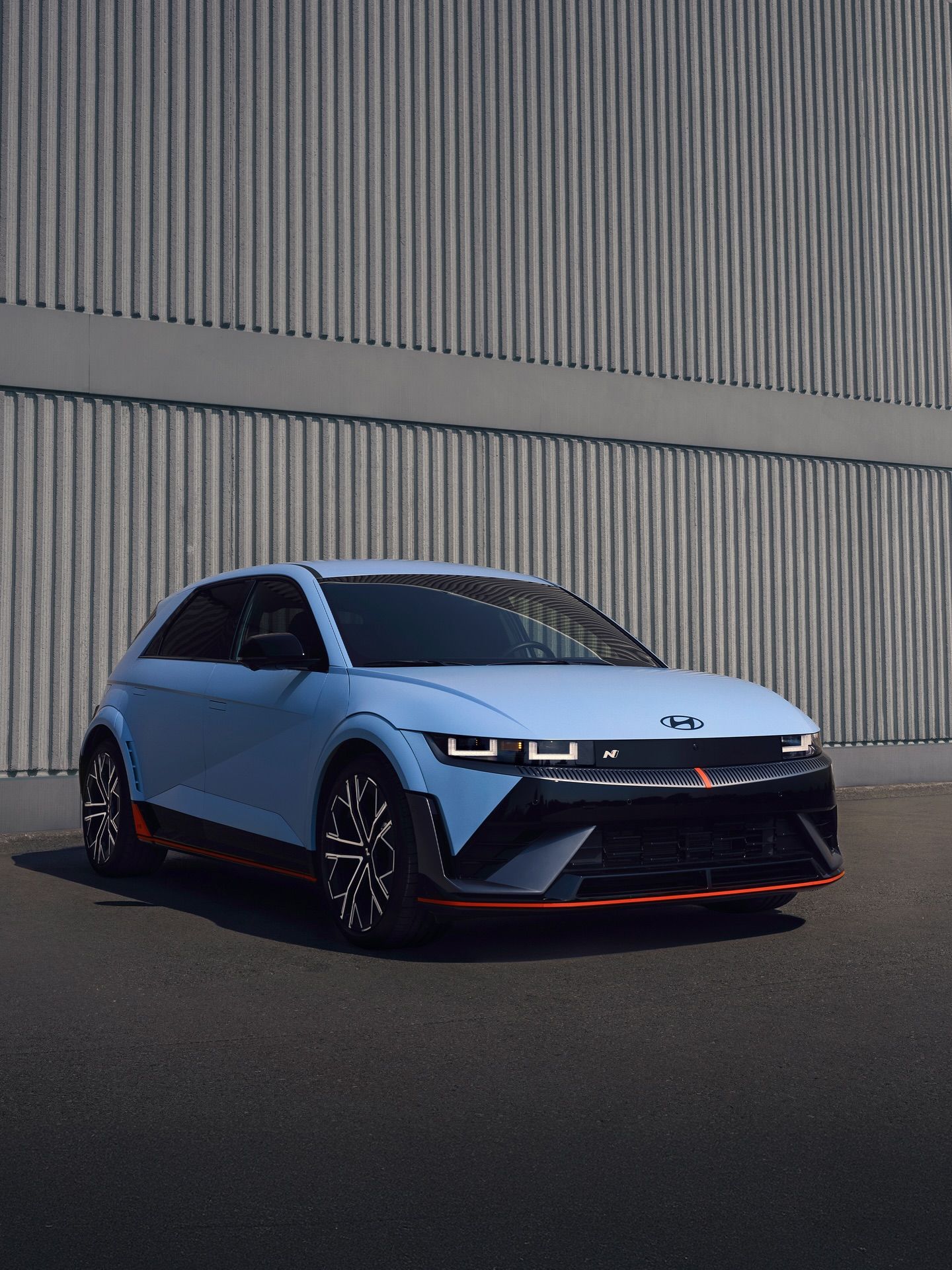
Hyundai Ioniq 5 arrives on the market as a midsize electric crossover that blends roomy interior space with a modern design. It is built for drivers who need a versatile vehicle for city commutes, weekend trips, and occasional long‑distance travel. Think of the way a sandcastle holds its shape while the tide shifts – the Ioniq 5’s platform is engineered to stay stable under different loads, delivering predictable performance without unnecessary complexity.
What Kind of Vehicle Is the Hyundai Ioniq 5?
The Ioniq 5 belongs to Hyundai’s dedicated EV line. It sits between compact hatchbacks and larger SUVs, offering a crossover silhouette with a flat floor and generous headroom. The vehicle targets:
- Families who need space for passengers and cargo.
- Urban commuters who value low running costs.
- Tech‑savvy drivers who want the latest driver‑assist tools.
Because the power comes from an electric motor, the Ioniq 5 produces instant torque, making city driving feel smooth and responsive.
Confirmed Specifications (2025 Model Year)
Hyundai released the official numbers for the 2025 Ioniq 5 in March 2025. All figures below are verified by Hyundai’s press kit and independent testing agencies.
Powertrain
- Motor options: Single‑motor rear‑wheel drive (RWD) and dual‑motor all‑wheel drive (AWD).
- Power output: 168 kW (225 hp) for the RWD version; 225 kW (302 hp) for the AWD version.
- Torque: 350 Nm (258 lb‑ft) RWD; 440 Nm (325 lb‑ft) AWD.
- Transmission: Single‑speed reduction gear – typical for EVs.
Performance
- 0‑60 mph: 7.8 seconds (RWD), 6.2 seconds (AWD).
- Top speed: 115 mph (185 km/h) limited electronically.
- Official WLTP range: 260 miles (420 km) for the 58 kWh battery; 300 miles (480 km) for the 77.4 kWh battery.
Battery and Charging
- Battery capacity: 58 kWh (standard) or 77.4 kWh (long‑range).
- Fast‑charging capability: 800 V architecture allows 10‑80 % charge in about 18 minutes on a 350 kW DC charger.
- Home charging: 11 kW AC onboard charger; optional 22 kW wall box.
Dimensions and Capacity
- Wheelbase: 3,000 mm (118 in).
- Length × Width × Height: 4,635 mm × 1,890 mm × 1,605 mm.
- Cargo volume: 27 cu ft (762 L) behind the rear seats; expands to 59 cu ft (1,670 L) with seats folded.
- Seating: Five‑seat layout with optional second‑row captain’s chairs.
Key Features – Safety, Comfort, and Technology
Hyundai equips the Ioniq 5 with a suite of tools that aim to keep occupants safe and comfortable while providing a modern cabin experience.
Safety
- Forward Collision‑Avoidance Assist with pedestrian detection.
- Lane Keeping Assist and Lane Following Assist.
- Blind‑Spot Collision‑Warning and Rear Cross‑Traffic Alert.
- High‑strength steel frame with 6‑airbag system.
- Electronic Stability Control and Traction Control.
Comfort
- Adjustable front seats with lumbar support and heating.
- Optional ventilated rear seats.
- Dual‑zone automatic climate control.
- Panoramic glass roof that lets natural light fill the cabin.
- Flat floor design that creates a spacious feel for passengers.
Technology
- 12.3‑inch digital instrument cluster.
- 15.6‑inch central touchscreen with Android Auto and Apple CarPlay.
- Hyundai’s BlueLink connected‑car services (remote start, climate control, vehicle status).
- Augmented‑reality head‑up display (available on higher trims).
- Vehicle‑to‑grid (V2G) capability on the 77.4 kWh model – the car can feed electricity back to the home during peak demand.
Expected or Rumored Details for the 2026 Refresh
Hyundai has hinted at a mid‑cycle update for the Ioniq 5 slated for late 2026. The company has not released final numbers, so the following points are based on industry reports and official teasers.
- New battery option: 88 kWh pack, likely to push WLTP range above 340 miles.
- Improved motor efficiency: Expected 5‑6 % increase in power output without larger battery.
- Interior refresh: Revised center console layout and optional 20‑inch wheels.
- Price adjustment: Anticipated slight increase of 2‑3 % due to higher battery cost.
- Charging: Possible support for 400 kW ultra‑fast chargers, cutting 10‑80 % time to under 12 minutes.
All of these points are subject to change until Hyundai publishes the official specifications.
Hyundai Ioniq 5 vs. Kia EV6 – Direct Comparison
Both the Ioniq 5 and the Kia EV6 share the same E‑GMP platform, but they are tuned for different driving experiences. The table below highlights the main differences as of the 2025 model year.
| Aspect | Hyundai Ioniq 5 | Kia EV6 |
|---|---|---|
| Motor Layout | RWD single‑motor or AWD dual‑motor | RWD single‑motor or AWD dual‑motor (Performance version) |
| Power (AWD) | 225 kW (302 hp) | 239 kW (321 hp) – GT-Line |
| Torque (AWD) | 440 Nm (325 lb‑ft) | 460 Nm (339 lb‑ft) |
| Top Speed | 115 mph (185 km/h) | 115 mph (185 km/h) – GT-Line, 124 mph (200 km/h) – GT |
| WLTP Range (Long‑Range) | 300 miles (480 km) – 77.4 kWh | 310 miles (500 km) – 77.4 kWh |
| Battery Capacity | 58 kWh / 77.4 kWh | 58 kWh / 77.4 kWh |
| Charging Speed | Up to 350 kW (800 V) | Up to 350 kW (800 V) |
| Price (US market) | $42,000 – $55,000 (base to top trim) | $44,000 – $58,000 (base to GT) |
| Key Interior Feature | Flat floor, 12.3‑in instrument cluster | Sport‑focused cockpit, 12.3‑in cluster |
| Braking System | Regenerative braking (up to 0.3 g) + ventilated disc brakes | Regenerative braking (up to 0.3 g) + ventilated disc brakes, optional performance brake kit |
Which Vehicle Suits Which Driver?
- Hyundai Ioniq 5: Ideal for families and daily commuters who value interior space, a relaxed driving feel, and a strong set of standard safety tools.
- Kia EV6: Better for drivers who want a sportier cabin, slightly higher performance numbers, and optional performance‑oriented trim levels.
Practical Use Cases
Below are three typical scenarios and how the Ioniq 5 performs in each.
City Commuting
The compact turning radius and instant torque make lane changes and stop‑and‑go traffic easy. Regenerative braking recovers energy on every light, extending the daily range.
Weekend Getaway
With up to 59 cu ft of cargo space and a flat floor, the Ioniq 5 can hold luggage for a family of four. The 77.4 kWh battery provides enough range for a 300‑mile round trip without needing a fast‑charge stop.
Long‑Distance Road Trip
Fast‑charging stations along major highways can refill the battery from 10 % to 80 % in under 20 minutes. The vehicle’s cruise control and driver‑assist features reduce fatigue on long stretches.
Maintenance and Ownership Costs
Electric drivetrains have fewer moving parts than gasoline engines, which translates to lower routine maintenance. Hyundai offers a 8‑year/100,000‑mile battery warranty in the United States, covering capacity loss below 70 %.
Environmental Impact
Using a 77.4 kWh battery, the Ioniq 5 emits roughly 0 g CO₂ while driving, assuming the electricity comes from a clean grid. Lifecycle analyses from 2025 show a 30 % reduction in total emissions compared with a comparable gasoline SUV.
Frequently Asked Questions
What is the real‑world range of the Hyundai Ioniq 5?
Independent tests in 2025 reported an average of 285 miles (460 km) for the 77.4 kWh version under mixed driving conditions. Factors such as speed, temperature, and use of climate control affect the exact number.
Can the Ioniq 5 charge at home with a standard outlet?
Yes. Using a regular 120 V household outlet will charge the battery slowly (about 3–4 miles per hour). For practical daily use, Hyundai recommends a 240 V Level 2 charger, which adds roughly 30 miles of range per hour.
Is the Hyundai Ioniq 5 eligible for federal tax credits?
In the United States, the 2025 Ioniq 5 qualifies for a $7,500 federal EV tax credit, provided the buyer’s income and the vehicle’s final assembly location meet the current criteria.
How does the V2G feature work?
The vehicle‑to‑grid system allows the 77.4 kWh battery to supply up to 3 kW of power back to a home during peak demand. This can reduce electricity bills, but it requires a compatible home energy management system.
Conclusion
The Hyundai Ioniq 5 offers a balanced mix of space, performance, and technology that makes it a solid choice for everyday drivers. Its confirmed specifications—such as a 77.4 kWh battery, 300‑mile WLTP range, and a comfortable interior—address the needs of families and commuters alike. Compared with the Kia EV6, the Ioniq 5 leans toward practicality, while the EV6 targets a sportier feel. If you prioritize interior room, a smooth ride, and a comprehensive safety suite, the Ioniq 5 is likely the better fit. If you want a slightly sharper acceleration and a driver‑focused cockpit, the EV6 may be worth a look.
Future updates for 2026 could bring a larger battery and faster charging, but the core strengths of the Ioniq 5 are already evident in the current model. Choose the version that matches your daily mileage and budget, and you’ll have a vehicle that feels stable and reliable—much like a well‑built sandcastle that holds its shape even as the tide shifts.