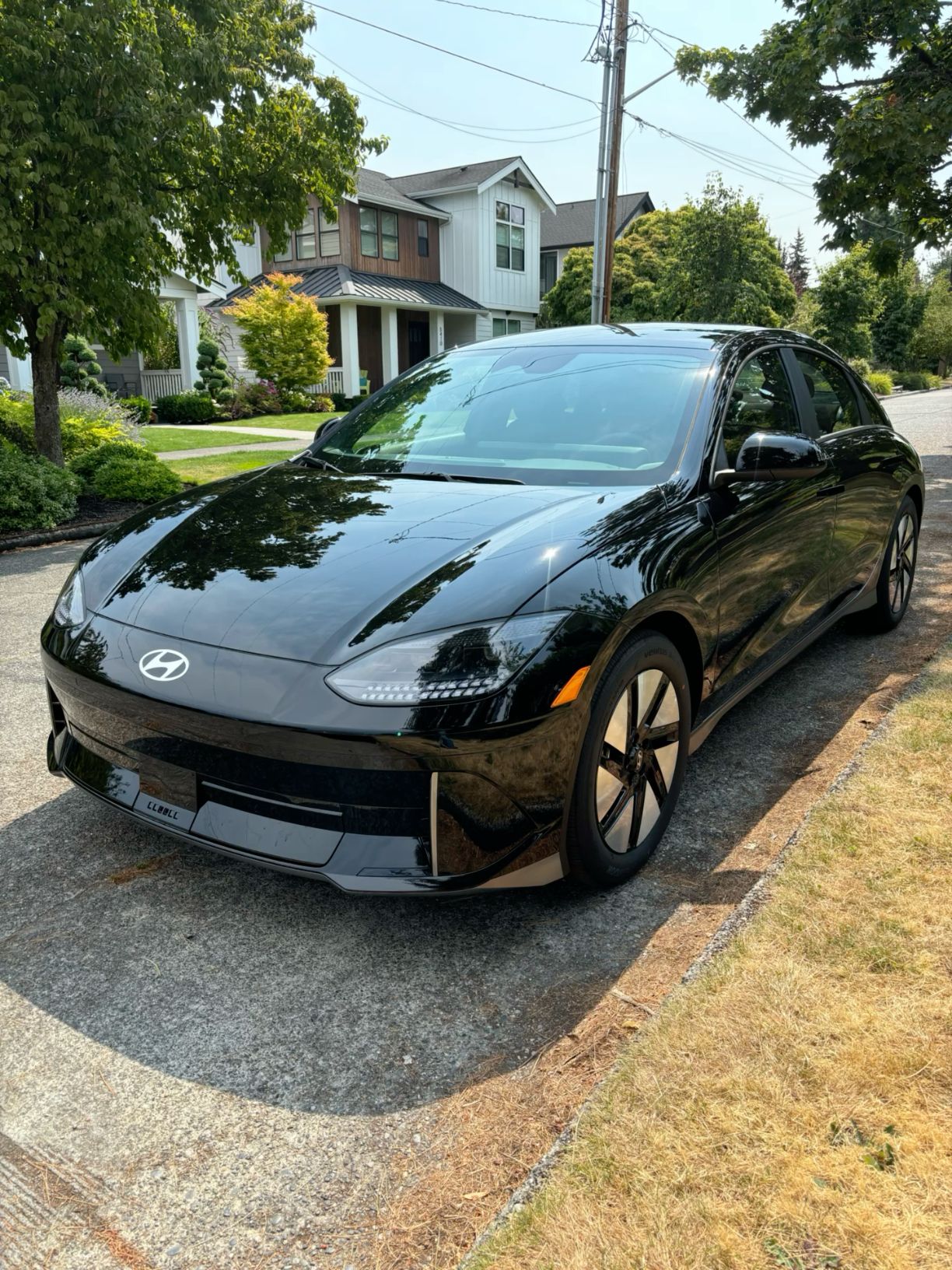


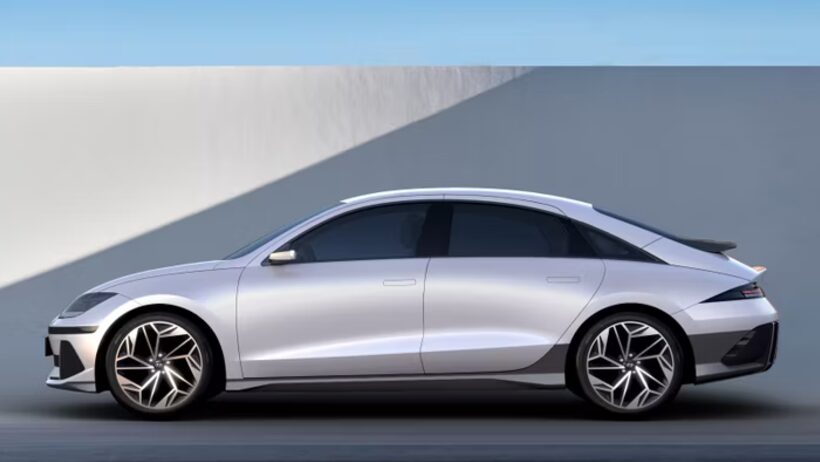

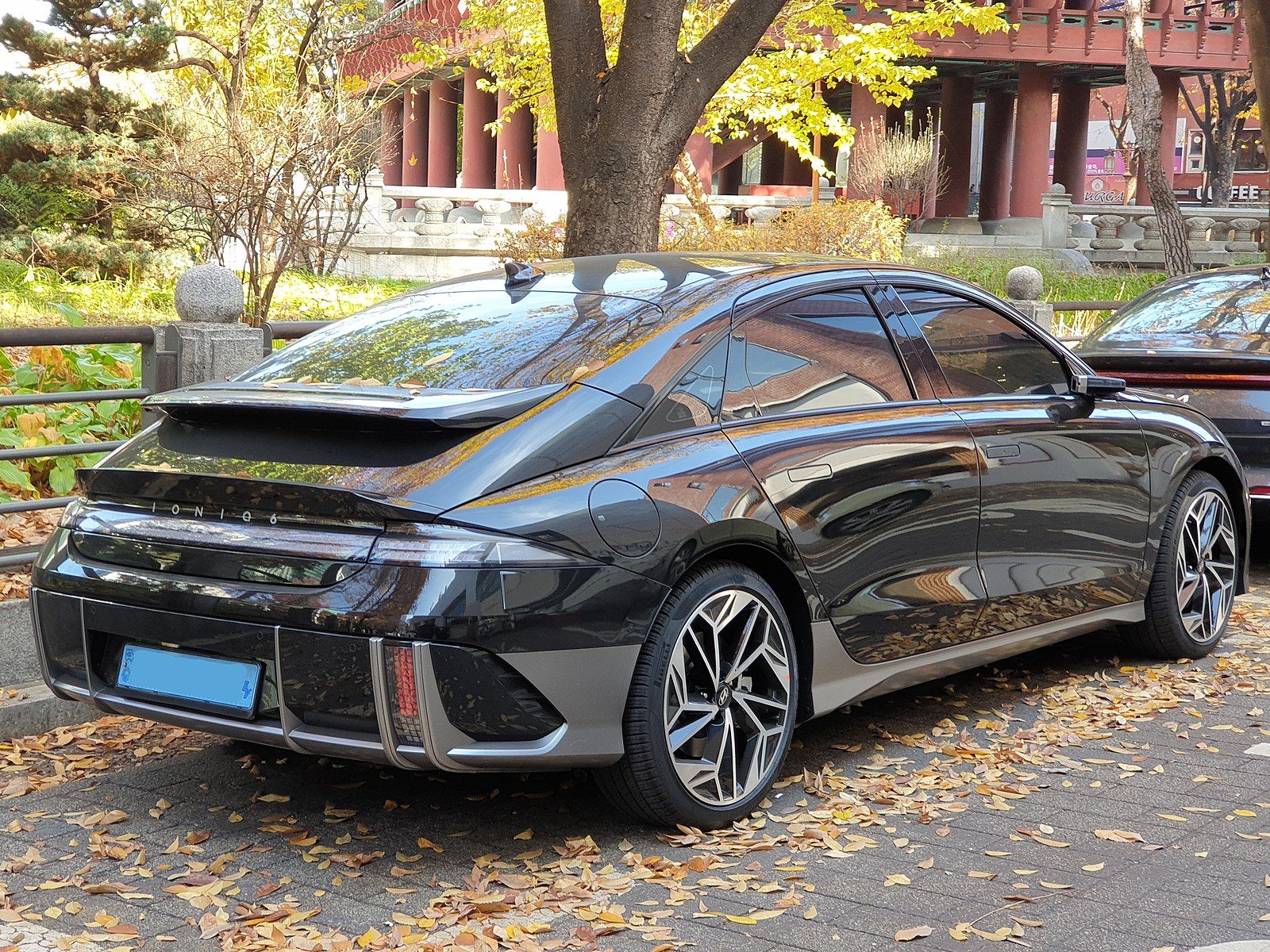
When you first see the Hyundai Ioniq 6, its sleek silhouette catches the eye, but the real story lies under the skin. This electric sedan aims to blend efficiency with everyday comfort, targeting drivers who want a modern EV without the premium price tag. Below we break down what the Ioniq 6 offers, who it is built for, and how it compares to the Tesla Model 3.
What Kind of Vehicle Is the Hyundai Ioniq 6?
The Hyundai Ioniq 6 is a fully electric, five‑door sedan built on Hyundai’s dedicated E‑GMP platform. It sits between the compact Ioniq 5 and the larger Ioniq 7, offering a balance of interior space and aerodynamic shape. The car is marketed as a “mid‑size electric sedan” and is positioned for families, commuters, and tech‑savvy buyers who need a practical daily driver with a respectable electric range.
Who Is the Hyundai Ioniq 6 For?
- Urban commuters who need a reliable EV for daily trips and occasional longer drives.
- Small families looking for a roomy cabin, rear‑seat space, and a decent boot.
- Value‑focused buyers who want many premium features without paying a luxury‑brand premium.
- Environmentally aware drivers who prefer a low‑emission vehicle with a solid warranty.
Confirmed Specifications (2025 Model Year)
Hyundai released the 2025 Ioniq 6 with three power‑train options. All versions share the same battery pack but differ in motor output.
Battery and Charging
- Battery capacity: 77.4 kWh (gross), 73.0 kWh usable.
- Charging speed: Up to 250 kW DC fast charge, adding roughly 80 km of range in 5 minutes.
- Charging port: CCS‑2, compatible with most public chargers.
Motor Options and Power Output
| Trim | Motor Layout | Power (kW) | Power (hp) | Torque (Nm) |
|---|---|---|---|---|
| Standard | Rear‑wheel drive | 125 | 168 | 258 |
| Extended | Rear‑wheel drive | 150 | 201 | 310 |
| Dual‑Motor (AWD) | Front + rear | 225 | 302 | 460 |
Performance Figures
- 0‑100 km/h (0‑62 mph): 8.5 seconds (Standard), 7.2 seconds (Extended), 5.8 seconds (Dual‑Motor).
- Top speed: 185 km/h (115 mph) for all trims, limited electronically.
- Estimated WLTP range: 480 km (298 miles) for Standard, 530 km (329 miles) for Extended, 460 km (286 miles) for Dual‑Motor.
- Transmission: Single‑speed reduction gear, typical for EVs.
Dimensions and Capacity
- Length: 4,945 mm
- Wheelbase: 2,950 mm
- Boot space: 440 L (seats up), 1,300 L with rear seats folded.
- Seating: 5 adults
Expected or Rumored Details for 2026 Refresh
Hyundai has hinted at a mid‑cycle update for the 2026 model year. While nothing is final, the following points are based on official statements and reputable leaks:
- Possible introduction of a 92 kWh battery pack, pushing WLTP range above 600 km for the AWD version.
- New “Smart Cruise” system that integrates traffic‑sign recognition with adaptive cruise control.
- Revised interior trim with optional vegan leather and a larger 15‑inch infotainment screen.
- Minor aerodynamic tweaks aimed at reducing drag coefficient from 0.24 to 0.22.
All the above should be treated as expected or rumored until Hyundai confirms them.
Safety Features
The Ioniq 6 comes with a comprehensive safety suite that meets global standards.
- Forward collision‑avoidance assist with pedestrian detection.
- Lane keeping assist and lane following assist.
- Blind‑spot collision‑avoidance assist for rear‑side monitoring.
- High‑strength steel frame covering 70 % of the body.
- Eight airbags including front, side, and curtain.
- Electronic stability control and traction control.
Comfort and Interior Features
- Adjustable lumbar support for driver and front passenger.
- Heated and ventilated front seats as standard on Extended and AWD trims.
- Dual‑zone automatic climate control with air‑quality sensor.
- Panoramic glass roof that provides a spacious feel.
- Ambient lighting with three color options.
Technology and Infotainment
- 12.3‑inch digital instrument cluster with customizable layouts.
- 10.25‑inch touchscreen running Hyundai’s latest infotainment OS, supporting Android Auto and Apple CarPlay wirelessly.
- Navigation with real‑time traffic updates and EV‑specific routing (charging stations).
- Wireless phone charging pad for compatible devices.
- Over‑the‑air (OTA) updates for software improvements.
Comparison: Hyundai Ioniq 6 vs Tesla Model 3
Both cars target the same segment – affordable, mid‑size electric sedans. Below is a side‑by‑side look at the most relevant data points.
| Aspect | Hyundai Ioniq 6 (2025) | Tesla Model 3 (2025 Refresh) |
|---|---|---|
| Powertrain | Single‑motor RWD (125‑150 kW) or Dual‑motor AWD (225 kW) | Standard‑Range RWD (150 kW), Long‑Range AWD (258 kW), Performance AWD (340 kW) |
| Torque (Nm) | 258 – 460 | 310 – 580 |
| Top Speed (km/h) | 185 (all trims) | 225 (Standard), 250 (Long‑Range), 261 (Performance) |
| WLTP Range (km) | 480 – 530 (Standard/Extended), 460 (AWD) | 430 (Standard), 560 (Long‑Range), 500 (Performance) |
| Battery Capacity (kWh) | 77.4 kWh gross (73 kWh usable) | 60 kWh (Standard), 82 kWh (Long‑Range/Performance) |
| Charging Speed (kW) | Up to 250 kW DC | Up to 250 kW DC (V3 Supercharger) |
| Price (USD) | $44,900 – $58,900 (US market) | $42,900 – $61,900 (US market) |
| Tank Capacity (Battery) | 73 kWh usable | 60 kWh (Standard) or 82 kWh (Long‑Range/Performance) |
| Braking System | Regenerative braking (up to 0.3 g), 4‑wheel ABS, electronic brake‑force distribution | Regenerative braking (up to 0.4 g), 4‑wheel ABS, electronic stability control |
| Key Safety Tech | Forward collision‑avoidance, lane‑keeping, blind‑spot assist, 8 airbags | Autopilot hardware, forward collision‑avoidance, lane‑keeping, 8 airbags |
| Key Comfort Tech | Heated/ventilated seats, panoramic roof, dual‑zone climate | Heated seats, optional premium interior, dual‑zone climate |
Which Vehicle Fits Which Driver?
- Hyundai Ioniq 6 appeals to buyers who value a traditional interior layout, a strong warranty (5‑year/100,000‑mile bumper‑to‑bumper), and a design that feels less futuristic. The AWD version offers solid performance without the premium price of Tesla’s Performance model.
- Tesla Model 3 suits drivers who prioritize the fastest charging network, higher top speeds, and the option to add Full Self‑Driving (FSD) capabilities. The Long‑Range AWD version gives the longest electric range in this segment.
Frequently Asked Questions
What is the real‑world range of the Hyundai Ioniq 6?
Independent tests in 2025 show the Extended RWD version achieving about 460 km (286 miles) on a mixed‑city/highway cycle, slightly lower than the WLTP figure due to real‑world conditions.
How long does it take to charge the Ioniq 6 from 10 % to 80 %?
At a 250 kW DC charger, the Ioniq 6 reaches 80 % in roughly 30 minutes. Using a 7.2 kW home AC charger, a full charge takes about 9 hours.
Is the Hyundai Ioniq 6 eligible for federal EV tax credits in the United States?
Yes, the 2025 model qualifies for the federal tax credit of up to $7,500, provided the buyer meets income and vehicle price caps set by the Inflation Reduction Act.
Can the Ioniq 6 be serviced at any Hyundai dealer?
All Hyundai service centers are equipped to handle the Ioniq 6’s electric components. Hyundai also offers a mobile service option for routine maintenance.
Conclusion
The Hyundai Ioniq 6 delivers a well‑rounded package: respectable power, a spacious cabin, and a suite of safety and tech features that rival the Tesla Model 3. Its pricing sits comfortably between the entry‑level Model 3 and the higher‑priced Performance version, making it a solid choice for families and commuters who want an EV that feels familiar yet modern. If you need a longer warranty, a more conventional interior, and a design that blends into everyday traffic, the Ioniq 6 is worth a close look. For drivers who chase the fastest charging experience, the highest top speed, and the option to add advanced driver‑assist features, the Model 3 still holds an edge. Ultimately, the decision comes down to which set of priorities aligns with your daily routine and budget.