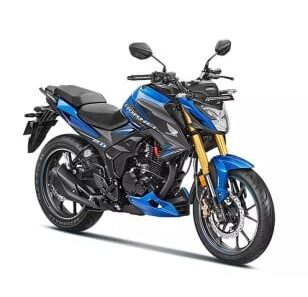
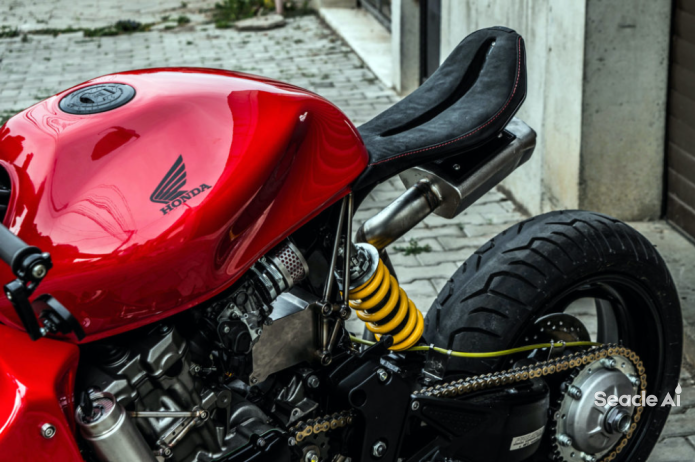

The Honda Hornet 2.0 arrives as a pragmatic motorcycle designed for city riders who want a balanced mix of torque, manageable weight, and modern features. The model targets commuters who value everyday usability and a friendly riding position over track-focused performance.
Table of Contents
Honda Hornet 2.0 – Quick Snapshot
The Honda Hornet 2.0 is a street-oriented naked motorcycle focused on practicality. It blends an accessible powerband with upright ergonomics that suit daily commuting, short weekend rides, and occasional city highways. If you picture a compact motorcycle that feels like a well-organized library of essential features, where every shelf is tidy and easy to reach, that is the kind of calm, purposeful design Honda has aimed for with this model.
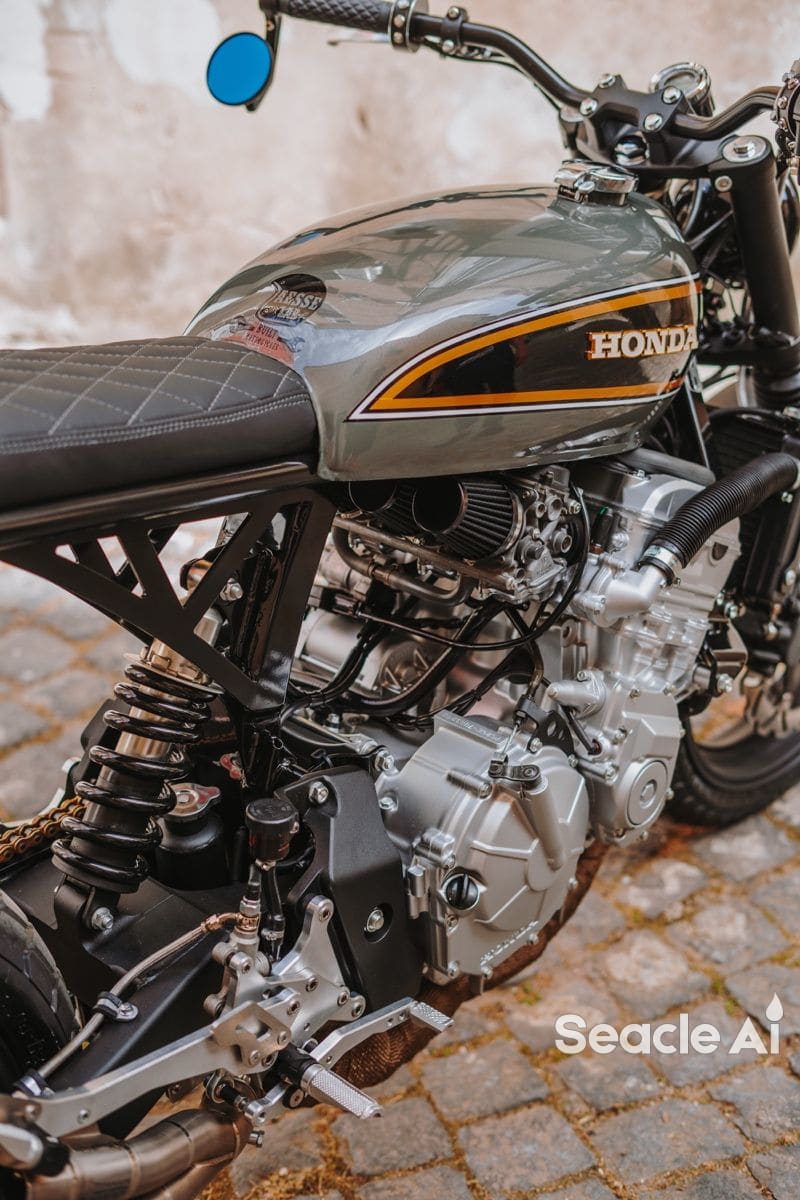
Confirmed specifications
Below are the confirmed figures released by Honda (as available through 2025 official releases). Any numbers listed as confirmed are taken from manufacturer releases or reliable dealer communications. Note that regional models or later updates may alter these values.
| Specification | Value (confirmed) |
|---|---|
| Engine type | Single-cylinder, four-stroke, DOHC |
| Displacement | Approximately 184 cc (confirmed for main market models) |
| Max power | About 17.5 PS @ ~8,500 rpm (manufacturer-stated figure for 2025 model) |
| Max torque | ~16 Nm @ ~6,500 rpm |
| Top speed | Practical top speed around 110-120 km/h depending on conditions |
| Claimed mileage | 35-42 kmpl in mixed riding (real-world varies) |
| Seat height | Approximately 795-800 mm |
| Transmission | 6-speed manual |
| Kerb weight | Around 143-150 kg |
| Fuel tank capacity | 12-12.5 liters |
These figures are the backbone for evaluating how the motorcycle will perform in daily life. The engine is tuned more for usable mid-range than outright peak power, which is a deliberate choice for urban and mixed-use riders.
Expected or rumored details (if any)
Honda has followed incremental updates for this line through 2025. Some market-specific updates and accessories were reported by dealers and news outlets. Use the labels below to tell what is not fully verified.
- Likely updates: Small tuning revisions to emission mapping and a revised slipper clutch in some regional variants as per dealer notes (rumored for certain 2025 shipments).
- Possible spec changes: Slight changes in ride modes or traction assist were mentioned in a few reports for later model years. These remain as expected or rumored until Honda provides a blanket update.
Confirmed specs should be taken as the reliable baseline; any expected items above are subject to change.
Design, ergonomics, and who it is for
The Hornet 2.0 sits in the compact naked segment. The geometry favours an upright posture: handlebars are placed for controlled steering in traffic, and the footpegs are slightly rear-set to allow a comfortable but engaged stance.
Who should consider this bike:
- Commuters who ride daily in cities and want a light, predictable machine.
- Newer riders who prefer torque available at low revs rather than a peaky, high-revving engine.
- Riders who want a modern feature set without the weight and complexity of larger machines.
Who should not pick it:
- If you plan on regular long-distance touring with heavy luggage, this is not ideal. The chassis and fuel range are oriented toward short to medium trips rather than multi-day loaded tours.
- Serious track riders or those who want top-tier outright performance will find the Hornet 2.0 less satisfying than higher-displacement sport bikes.
Safety, comfort, and technology features
The Hornet 2.0 emphasizes practical safety and convenience. Below are the main items that affect everyday use.
Braking and chassis
- Single disc up front (typically 276 mm) and disc at the rear (240 mm) in most confirmed markets.
- Dual-channel ABS is standard in confirmed trims, helping with predictable braking in urban conditions.
- Frame is a steel diamond or box-section unit tuned for balance between agility and stability.
Suspension and ride
- Showa or Honda-sourced front forks with a conventional setup; rear uses a monoshock with preload adjustment on some trims.
- Suspension is tuned for city use: compliant over potholes but not excessively plush. It prefers lightness and control over long-travel comfort.
Electronics and convenience
- Fully digital LCD instrument cluster with trip meters, fuel gauge, gear position indicator on confirmed models.
- LED lighting for headlamp and tail, which improves night visibility.
- Optional features such as smartphone connectivity were reported as available on higher trims in certain regions (expected, not universal).
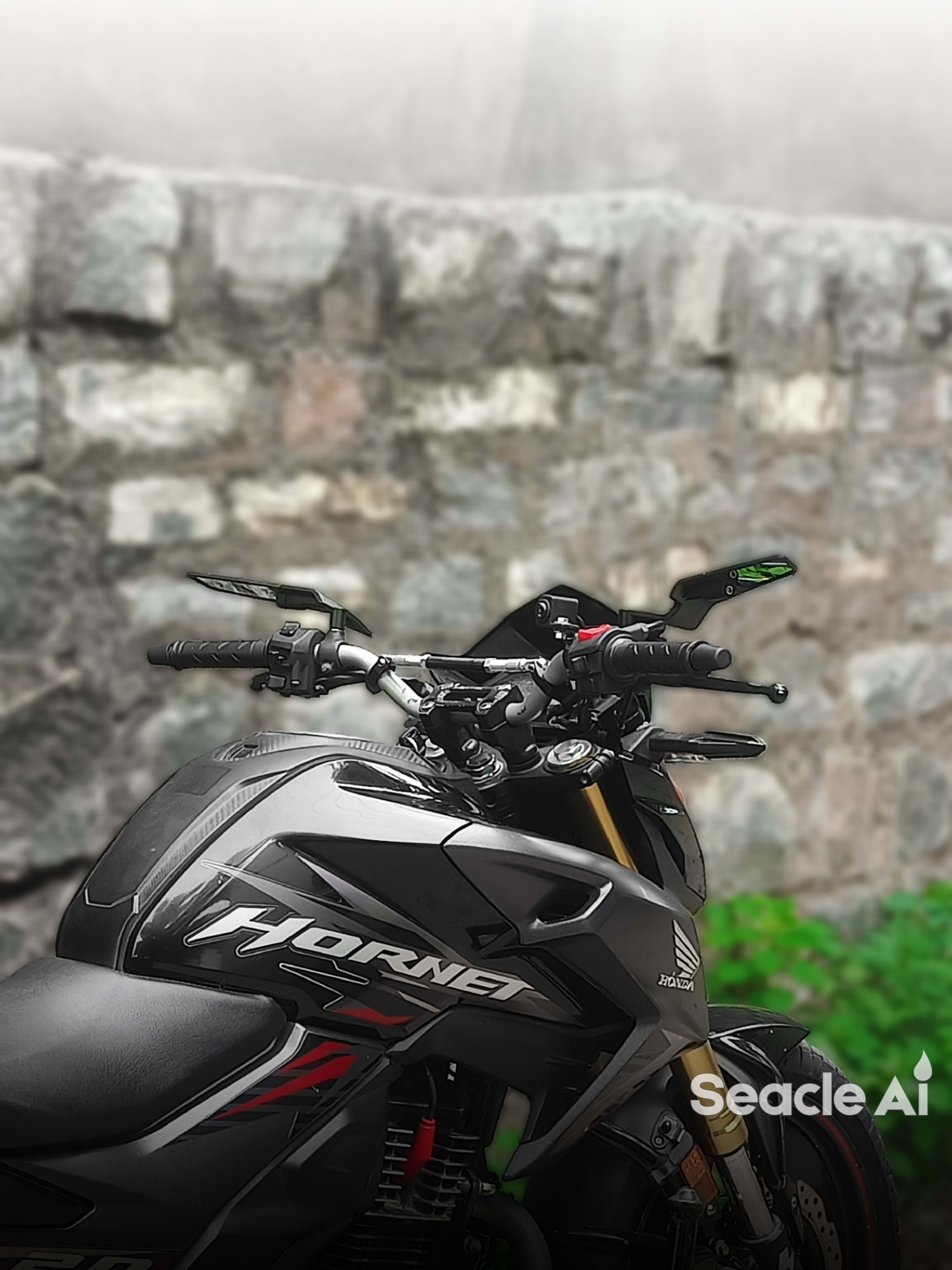
Key limitations and realistic drawbacks
No motorcycle is perfect for every rider. Here are factual limitations to keep in mind when evaluating the Hornet.
- Not ideal for off-roading: The suspension travel and tyre profile are aimed at paved roads, so avoid rough trails or long gravel sections.
- Highway cruising limits: While it can cruise at highway speeds, sustained high-speed touring exposes the engine to higher revs for longer periods, which affects comfort and fuel efficiency compared with larger capacity touring bikes.
- Mileage is average: Real-world mileage typically falls in the mid-30s kmpl under mixed use. If your priority is maximum economy for long daily commutes, a smaller-displacement commuter will do better.
- Suspension trade-offs: The setup makes the bike nimble in traffic but can feel firm on long, uneven highways. Expect some compromise between urban agility and long-distance comfort.
- Maintenance costs: Routine maintenance is generally affordable, but service intervals and parts costs for mid-capacity engines are higher than entry-level 100-125cc bikes. Budget for periodic servicing and tyre replacements accordingly.
Honda Hornet 2.0 vs TVS Apache RTR 200 4V
Below is a clear comparison across the areas riders care about. Remember that the comparison focuses on how each machine fits a rider’s needs rather than making a blanket statement about which is “better.”
| Comparison point | Honda Hornet 2.0 | TVS Apache RTR 200 4V |
|---|---|---|
| Engine and overall performance | Single-cylinder, ~184 cc, tuned for low- to mid-range tractability. Emphasis on smooth, usable power for city and occasional highway. | Single-cylinder, 197.75 cc (Apache 200 spec), tuned for sharper throttle response and higher peak power. The Apache is more performance-oriented in its character. |
| Torque, top speed, and mileage | Torque around 15.5–16.5 Nm, top speed practically around 110–120 km/h, and real-world mileage in the 35–42 kmpl range. | Torque is higher in many Apache variants (around 17–18 Nm depending on tune), top speed slightly higher in open runs, and mileage generally a bit lower due to sport tuning (mid-30s kmpl under spirited riding). |
| Key features | Digital cluster, LED lighting, dual-channel ABS, user-friendly ergonomics. Priority is ease of use. | More sport-focused features such as race-tuned ergonomics, more aggressive chassis setup, and in some trims ride modes or quick-shift options depending on year and market. |
| Price range | Generally positioned competitively in the mid-100s (local currency) for street-naked buyers; actual pricing varies by market and 2025 updates. | Often similar or slightly higher, reflecting its more aggressive positioning and sport-tuned hardware. Exact numbers depend on variant and region. |
| Which user should choose which? | Choose the Hornet 2.0 if you want a balanced daily rider with approachable power and comfortable ergonomics for city use. | Choose the Apache 200 if you want a sportier ride, quicker on-track potential, and a more aggressive performance character for spirited riding. |
| Fuel tank capacity | Confirmed around 12–12.5 liters. | Apache 200 typically has a tank in the 12–12.5 liter range as well; exact numbers vary by generation. |
| Braking systems and safety features | Disc brakes with dual-channel ABS on most trims; predictable bite and tuned for urban use. | Disc brakes with advanced ABS variants; some Apache trims offer more performance-oriented brake hardware and tuning. |
If you prioritize a relaxed, composed commuter that is forgiving and easy to live with, the Hornet 2.0 is the better fit. If you want sharper throttle, a sportier chassis, and more aggressive feedback, the Apache is the pick.
Frequently Asked Questions
What is the minimum height to ride the Honda Hornet 2.0?
The seat height is approximately 795–800 mm. Riders with an inseam of roughly 78–82 cm will likely find it manageable. For many riders around 165 cm tall, a flat-foot stance on one side or tip-toe on both feet is common. Taller riders will be comfortable. Visit a dealer and sit on the bike to confirm your reach and footing.
How much does the Hornet 2.0 really return in city riding?
Expect around 35–40 kmpl in mixed urban riding with occasional highway use. Very conservative riding can push numbers higher, while aggressive riding or frequent high-speed runs will reduce mileage.
Is the Hornet 2.0 suitable for highway touring?
It can handle occasional highway trips, but sustained high-speed touring is not its strong suit. Wind protection is limited on a naked machine, and fuel stops will be more frequent than on larger-displacement touring bikes.
How does maintenance compare with smaller commuter bikes?
Routine service intervals are similar, but parts and service costs for mid-capacity motorcycles are typically higher than for 100–125cc commuter machines. Plan for periodic tyre and clutch wear depending on your riding style.
Conclusion
The Honda Hornet 2.0 is a sensible, well-balanced motorcycle for riders who want an easy-to-live-with machine for city and short-distance rides. It delivers approachable power, modern safety features, and a user-friendly riding position. Think of it as a tidy reference shelf where each book has a clear purpose: nothing excessive, everything in reach.
Strengths:
- Predictable mid-range power and friendly throttle response.
- Practical safety features like dual-channel ABS and LED lighting.
- Comfortable ergonomics for daily commuting.
Drawbacks and limitations:
- Not built for off-road use or heavy touring with lots of luggage.
- Real-world mileage is average for the class and may not please riders seeking maximum economy.
- Suspension and tyre choices are tuned for urban use, so long-distance rough-road comfort is limited.
If your riding is primarily urban and you value a composed, low-stress machine with enough performance for overtakes and weekend rides, the Honda Hornet 2.0 is a sensible choice. If you need a sport-focused ride or plan frequent long-distance tours with heavy loads, consider alternatives that match those specific priorities.