
Table of Contents
- What is the bike and who is it for?
- Confirmed specifications
- Expected or rumored updates (2025-2026)
- Safety, comfort and technology
- Minimum height to ride Honda H’ness CB350
- Realistic drawbacks and limitations
- Honda H’ness CB350 vs Jawa Forty Two
- Conclusion
- Frequently Asked Questions
What is the bike and who is it for?
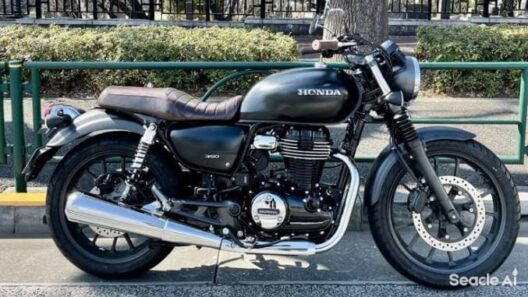
The Honda H’ness CB350 is a modern-retro standard motorcycle built around a mid-capacity, air-cooled single-cylinder engine. It emphasizes upright ergonomics, predictable handling, and user-friendly power delivery. Think of it as a machine for riders who value day-to-day usability, relaxed long-ride comfort at moderate speeds, and a classic appearance paired with contemporary reliability.
Typical buyers include solo commuters who want a comfortable daily ride, weekend riders who prefer scenic backroads over racetrack performance, and new-to-mid-level riders who appreciate a forgiving powerband. The bike aims for broad appeal rather than a narrow performance niche.
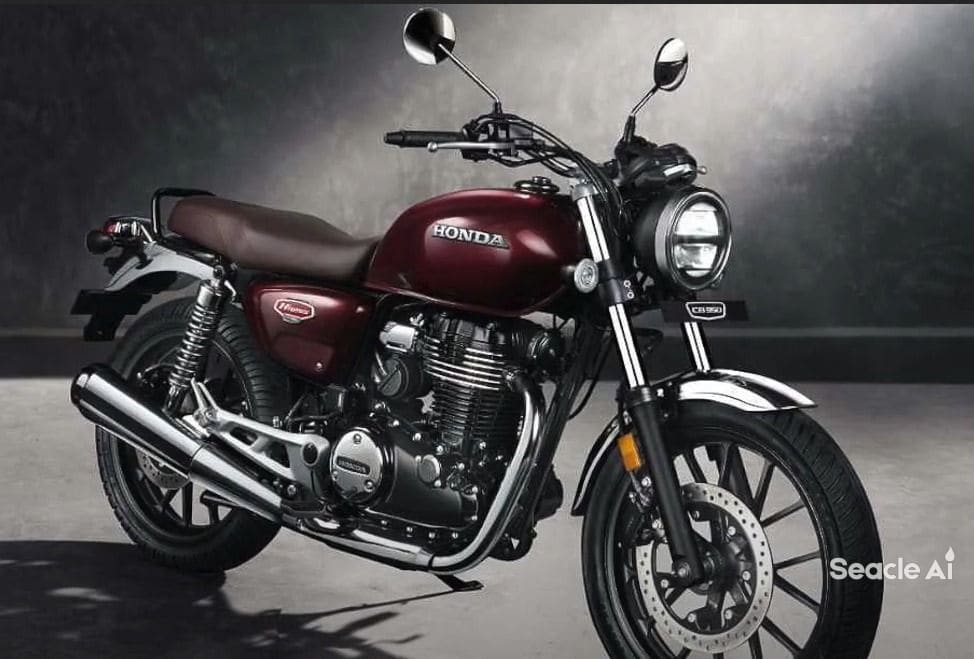
Confirmed specifications
Below are specifications that are confirmed by manufacturer literature and widely reported technical sheets through 2025. These are the stable facts to base decisions on.
- Engine: 348.36 cc single-cylinder, four-stroke, air-cooled, SOHC with fuel injection. This layout prioritizes low- to mid-range torque and straightforward maintenance.
- Power: Approximately 20.8 PS at 5,500 rpm. The motor is tuned for tractable midrange response rather than peak output.
- Torque: Around 30 Nm at about 3,000 rpm, giving usable pull in typical urban and suburban conditions.
- Top speed: Real-world top speed typically falls in the 120 to 135 km/h range, depending on conditions and rider weight.
- Mileage: Typical combined fuel efficiency settles between 35 and 40 km/l under normal riding; city figures will be lower and steady-state highway riding can improve this number.
- Transmission: 5-speed manual gearbox with a conventional wet multi-plate clutch.
- Seat height: Approximately 800 mm, which contributes to a planted seating position and relatively low center of gravity.
- Kerb weight: Around 181 kg (wet), which is moderate for the class and helps stability at low speeds.
- Fuel tank capacity: 15 liters, giving a realistic riding range of roughly 450 to 600 kilometers depending on conditions and riding style.
- Brakes: Front disc (310 mm) and rear disc (240 mm) with dual-channel ABS on most variants.
- Suspension: Telescopic front forks and twin rear shock absorbers with preload adjustments on higher trims.
- Wheels and tyres: Typically 19-inch front and 18-inch rear rims with tubeless tyres designed for balanced grip and ride comfort.
Why these specs matter
That power and torque package gives relaxed throttle response in city traffic and enough reserve for steady highway cruising. The seat height and weight aim to balance comfort with predictability, and the fuel tank capacity supports longer days without frequent refueling.
Expected or rumored updates (2025-2026)
Honda has kept the H’ness CB350 largely consistent since launch, but industry reporting through 2025 and early 2026 suggests modest updates rather than a wholesale redesign. These points are reported or rumored and should be treated as possible changes rather than confirmed facts.
- Electronics: Some reports indicate availability of a variant with Bluetooth connectivity and basic turn-by-turn display features as an option in select markets. This is likely to be a software and instrument cluster update rather than a hardware overhaul.
- Variant updates: Expect cosmetic packages and limited editions with different paint schemes and minor accessory options to continue through 2026.
- Tuning tweaks: There have been rumors of minor ECU retunes aimed at improving low-end torque feel without raising peak power numbers. If implemented, expect subtle changes in throttle mapping rather than significant performance gains.
Note: Treat the items above as likely but not final. Honda’s official announcements should be referenced for purchase decisions.
Safety, comfort and technology
The H’ness CB350 focuses on practical features that matter for everyday riding. Below are the elements relevant to safety, comfort and modern convenience.
Safety
- Dual-channel ABS: Standard on most trims, which prevents wheel lockup on sudden hard braking and is useful on mixed-surface urban roads.
- Disc brakes front and rear: Large-diameter front disc contributes to strong stopping force for the class.
- Frame and ergonomics: A stable chassis and upright seating posture help in emergency maneuvers, making the bike predictable when reacting to hazards.
Comfort
- Seat and ergonomics: A wide, cushioned seat and upright handlebars make daily commuting and medium-length rides comfortable for most riders.
- Suspension setup: Tuned for a balance between stability and comfort; it absorbs urban irregularities well but is not set up for aggressive track use.
- Wind protection: Minimal; the bike has modest airflow control suitable for speeds up to the bike’s comfortable cruising range.
Technology
- Instrument cluster: A mix of analog and digital readouts on most models, with trip, fuel gauge and gear position indicators.
- Connectivity: Some markets may see optional Bluetooth integration on newer trims as per 2025 reports, adding call and navigation notifications to the cluster.
- Maintenance simplicity: Conventional engineering makes servicing straightforward and part replacement predictable in markets with Honda dealer networks.
Minimum height to ride Honda H’ness CB350
What is the minimum height to ride Honda H’ness CB350? The seat height of roughly 800 mm means riders with an inseam that allows flat-footing both feet at stops will be most confident. Practically, a rider height of about 160 cm (5 ft 3 in) can manage the bike, but comfort and confident control improve around 165 cm (5 ft 5 in) and above.
Two feet-flat on the ground is not mandatory, but being able to plant at least one foot solidly improves low-speed maneuvering. If you are shorter, look for options like lower seat accessories or suspension adjustments, or test-ride to confirm fit.
Realistic drawbacks and limitations
No motorcycle is perfect for every role. Here are clear, factual limitations to keep in mind when evaluating this model for your needs.
- Not for high-performance riding: The engine is tuned for usable midrange torque and calm power delivery. If you want racetrack performance or rapid acceleration above class norms, this is not the bike for that use case.
- Long-distance touring trade-offs: While competent on long rides, the H’ness CB350 is not optimized for sustained very high-speed touring. Wind protection is limited and vibrations at sustained highway top speeds can be noticeable compared with larger displacement tourers.
- Suspension limits: The twin-shock rear setup is comfortable for most road conditions but can feel soft under heavy loads or aggressive cornering. Heavy two-up touring with luggage will expose those limits.
- Maintenance and parts: Routine maintenance is straightforward, but costs are market-dependent. Higher service costs can appear where OEM parts are imported.
These are practical trade-offs, not failures. They reflect design priorities: approachable power, simple mechanics, and classic styling rather than sportbike performance or adventure-bike capability.
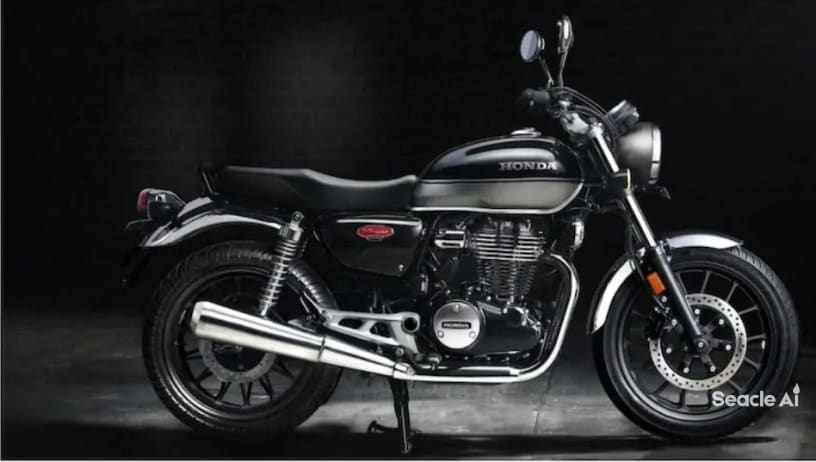
Honda H’ness CB350 vs Jawa Forty Two
The comparison below focuses on how the Honda stacks up against the Jawa Forty Two in areas that matter when choosing between the two. The analysis uses confirmed Honda specifications and public information on the Jawa Forty Two as available through 2025; where figures vary by market or model year, I note that explicitly.
| Aspect | Honda H’ness CB350 | Jawa Forty Two |
|---|---|---|
| Engine and overall performance | 348.36 cc air-cooled single, tuned for low-to-mid torque and smooth delivery suited to city and relaxed highway riding. | Single-cylinder classic-styled engine; generally tuned for a slightly sharper midrange pulse and characterful exhaust note. Exact displacement and tuning vary by model year and market. |
| Torque, top speed, mileage | Approx. 30 Nm at 3,000 rpm; real-world top speed ~120–135 km/h; economy typically 35–40 km/l. | Torque and top speed are competitive within the same mid-capacity segment; mileage is similar in mixed use. Exact numbers depend on the specific Jawa variant. |
| Key features | Dual-channel ABS, modern classic styling, reliable Honda engine, comfortable ergonomics and straightforward instrument cluster. | Classic retro styling with brand character, distinctive exhaust note, available ABS and feature sets vary by trim and year. |
| Price range (2025) | Positioned in the mid-premium commuter-retro bracket. Pricing varies by market and trim but is generally competitive for its segment. | Similarly positioned, with pricing that competes closely depending on local taxes, trim, and availability. |
| Who should choose which | Choose the Honda H’ness CB350 if you prefer a smooth, easy-to-live-with engine, predictable handling, and strong dealer support for maintenance. | Choose the Jawa Forty Two if you prioritize characterful styling and a different brand personality, and if you are comfortable with the Jawa dealer/service network where you live. |
| Tank capacity | 15 liters, giving good range for its class. | Tank capacities are similar across the segment; many Jawa Forty Two models also offer around 13–15 liters depending on variant. |
| Braking systems and safety | Front disc 310 mm and rear disc 240 mm with dual-channel ABS on most trims. | Disc brakes with ABS available on many trims; exact sizes vary by model year and market. Both brands emphasize basic safety features like ABS. |
Short comparison summary
- If you want fuss-free ownership, predictable power delivery and a refined low-end, the Honda H’ness CB350 is a strong choice.
- If you prioritize distinctive styling and a different character, the Jawa Forty Two offers an alternative personality, but service and parts availability can vary by region.
- Both sit in a similar price and performance window; your choice should depend on dealer support, aesthetic preference and the type of rides you do most often.
Conclusion
The Honda H’ness CB350 is a practical mid-capacity motorcycle that blends old-school looks with modern reliability. It suits riders who want a calm, usable powerband, comfort for daily use and medium-distance rides, and straightforward maintenance. Confirmed specs show a 348.36 cc single-cylinder engine, around 20.8 PS peak power, roughly 30 Nm torque, a five-speed gearbox, 15-liter fuel tank, and a seat height near 800 mm.
Limitations are clear: it is not tailored for high-performance riding, and those seeking sustained high-speed touring or aggressive cornering may find the setup wanting. Suspension and ergonomics favor comfort over sporty feedback, and real-world mileage and maintenance costs depend on region and riding style.
When stacked against the Jawa Forty Two, the Honda offers a smooth, reliable platform with predictable servicing through Honda networks. The Jawa provides a different aesthetic and riding character; choose based on service support, stylistic preference and the type of riding you expect to do most.
Final thought: pick the bike that fits your daily needs and the kind of rides you enjoy. The Honda H’ness CB350 rewards measured riding and practical ownership; it is a motorcycle that prefers steady roads and thoughtful cruising over track days and heavy luggage loads. Think of its appeal like faint reflections in a room that guide you without shouting; subtlety is its strength.
Frequently Asked Questions
Is the Honda H’ness CB350 suitable for a new rider?
Yes. The power delivery and ergonomics make it accessible for new riders who want a manageable learning platform with real-world usability. Take a test ride to confirm fit and comfort before buying.
What is the real-world mileage I can expect?
Expect around 35–40 km/l in mixed use. City riding with frequent stops will lower the figure; steady highway cruising can improve it. Riding style and maintenance play a significant role.
Can the bike handle two-up touring with luggage?
It can handle occasional two-up touring, but the suspension and engine tuning are not optimized for heavy loads over long distances. For frequent, heavy touring, a larger touring-focused bike would be a better fit.
How reliable is maintenance and part availability?
Honda’s dealer network provides predictable maintenance in most markets where the bike is sold. Parts and servicing tend to be more straightforward compared with smaller brands, though regional differences exist.