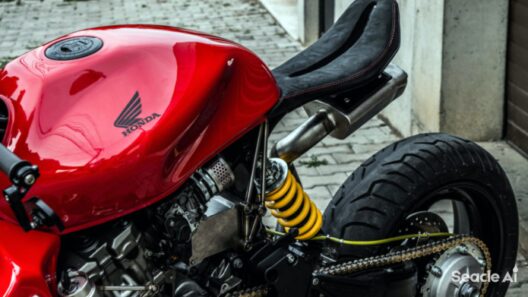
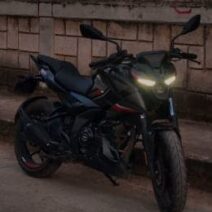
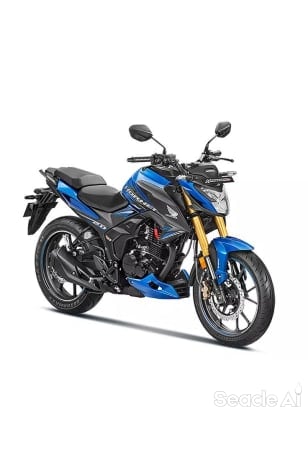

Hook: If you want a compact, street-focused naked bike that balances commuter ease with a little sportiness, the Honda Hornet 2.0 is a clear contender. The Honda Hornet 2.0 launched with a 184.4 cc single-cylinder engine and a short, upright chassis that suits urban riders and daily commuters who like a bit of pace without heavyweight commitments.
Table of Contents
- Honda Hornet 2.0 – Engine and key specs
- Confirmed specifications
- Expected or rumored updates (if any)
- Safety, comfort and technology
- Realistic limitations and drawbacks
- Comparison with Yamaha FZ-X
- Which rider should choose which
- Frequently Asked Questions
- Conclusion
Honda Hornet 2.0 – Engine and key specs
The Hornet 2.0 is a street naked motorcycle designed for daily use and light sport riding. Its character is compact, nimble and aimed at riders who want a friendly riding position, manageable weight and enough power for city and occasional highway runs. Below I separate the confirmed technical details from estimates and expected items so you know what is factual and what is tentative as of 2025 and early 2026 reporting.
Confirmed specifications (as widely published)
- Engine type: Single-cylinder, four-stroke, fuel-injected engine with an air-oil cooling approach tuned for mid-range response.
- Displacement: 184.4 cc.
- Power: Around 17.0 PS at about 8,500 rpm (manufacturers list this figure; real-world numbers can be a fraction lower on the road).
- Torque: Approximately 16.1 Nm at roughly 6,000 rpm.
- Transmission: 5-speed gearbox with a conventional clutch. No slipper clutch is fitted on base variants.
- Top speed: Typically in the 115 to 125 km/h band depending on rider weight, wind and road grade.
- Mileage (real world): Expect 35 to 45 km/l in mixed riding. Claim figures are often slightly higher under ideal test conditions.
- Seat height: About 795 mm from the ground.
- Kerb weight: Around 142 kg in standard trim on earlier model years.
- Fuel tank capacity: Around 12 litres.
Expected or rumored updates (2025-2026)
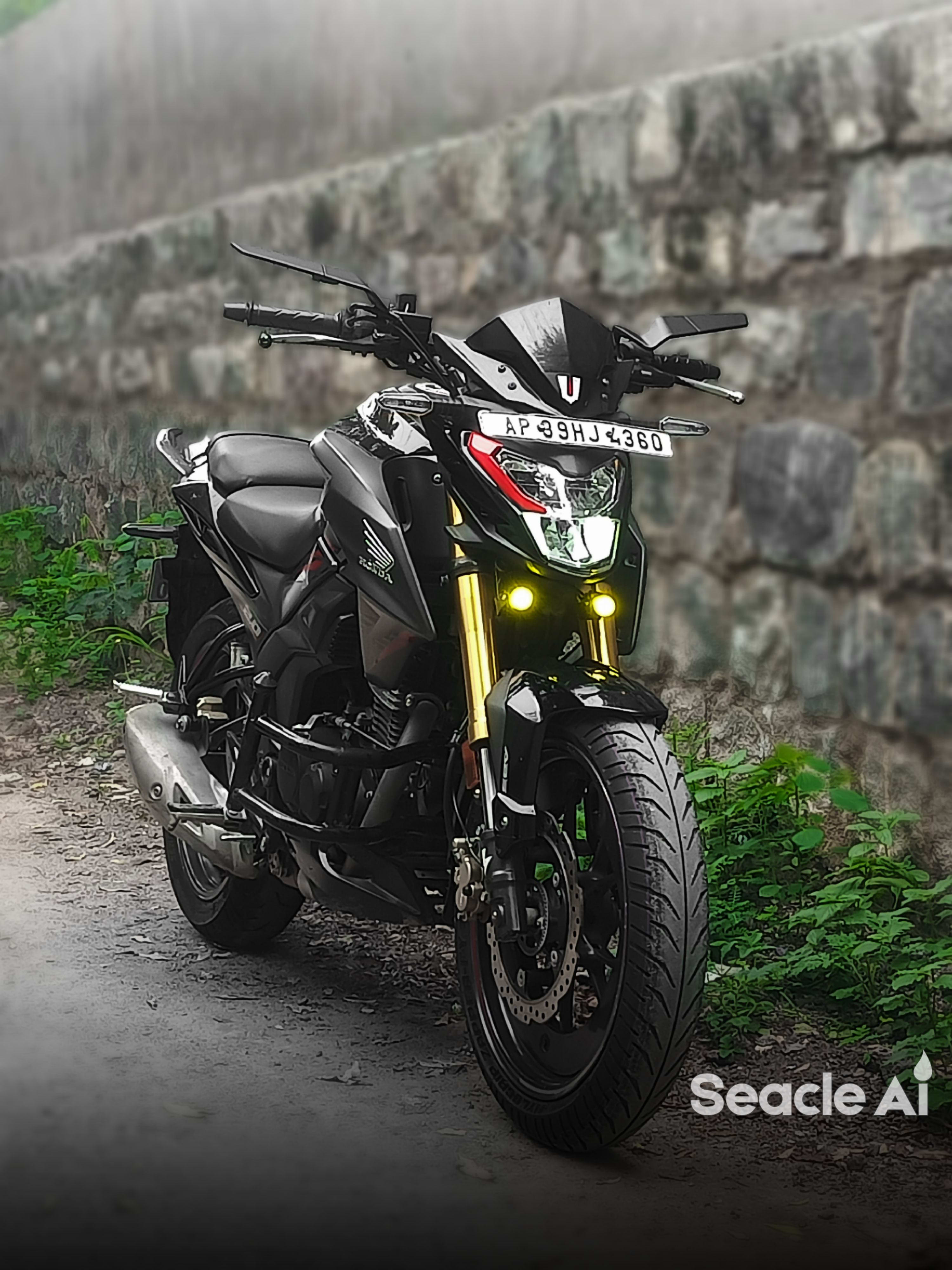
Honda has maintained the Hornet 2.0 largely unchanged in mechanical layout since introduction, while rolling out color and minor equipment updates. As of early 2026 there are reports that Honda may offer:
- Dual-channel ABS on certain higher trims or special editions as an option or standard fitment in more markets.
- New colourways and small styling changes to keep the model fresh.
- Software tweaks to optimize fuelling for emission norms in specific markets.
These items are reported by dealers and industry outlets and should be treated as expected or likely rather than confirmed until Honda issues an official statement. Specifications and fitment may vary by market.
Safety, comfort and technology
The Hornet 2.0 keeps the focus on usable, everyday equipment rather than on top-tier electronic aids. Here are the main items you will interact with daily.
Braking and safety
- Single-disc front brake with a two-piston caliper and a rear disc brake as standard.
- Single-channel ABS was standard on some model years; dual-channel ABS may be available in select variants or markets as noted above in rumors.
- Frame and chassis geometry prioritise stability in city traffic and predictable behavior at modest speeds.
Comfort and ergonomics
- Upright riding position with a slightly rearward footpeg placement for a relaxed posture.
- Seat is designed for short-to-medium distance comfort; pillion space is adequate for occasional two-up rides.
- Suspension setup leans toward firm-but-composed: it keeps the bike agile in corners while handling potholes adequately on city roads.
Technology and convenience
- Digital instrument cluster providing speedometer, tachometer, gear position, fuel gauge and trip meters.
- Fuel injection for consistent cold starts and smoother throttle response compared with carbureted designs.
- No advanced rider aids such as traction control on standard variants; these are not typical in this category unless offered as part of higher trims.
Realistic limitations and drawbacks
No motorcycle is perfect for every job, and the Hornet 2.0 has practical limits you should evaluate against your use case.
- Not ideal for long-distance touring: The Hornet 2.0 is compact with a modest tank and a seat that is best for short to medium trips. Expect limited wind protection and a fuel range of approximately 250 to 300 km per tank in mixed riding. For sustained long highway touring, a larger bike with a touring chassis and better wind management is more comfortable.
- Suspension trade-offs: The suspension is tuned for a balance between agility and ride quality. On very rough roads you will feel sharper hits than on a cruiser or adventure bike. Riders seeking plush long-travel suspension will find the Hornet too firm.
- Maintenance cost and service intervals: Routine servicing costs are in line with small-displacement Honda motorcycles, but parts such as tyres and brake pads will still require periodic replacement. If you ride hard or keep high annual mileage, plan for regular maintenance costs.
- Feature set: The Hornet 2.0 focuses on core functionality. If you want advanced electronics like multiple ride modes, traction control or a slipper clutch, this model may not include them on base variants.
Comparison with Yamaha FZ-X
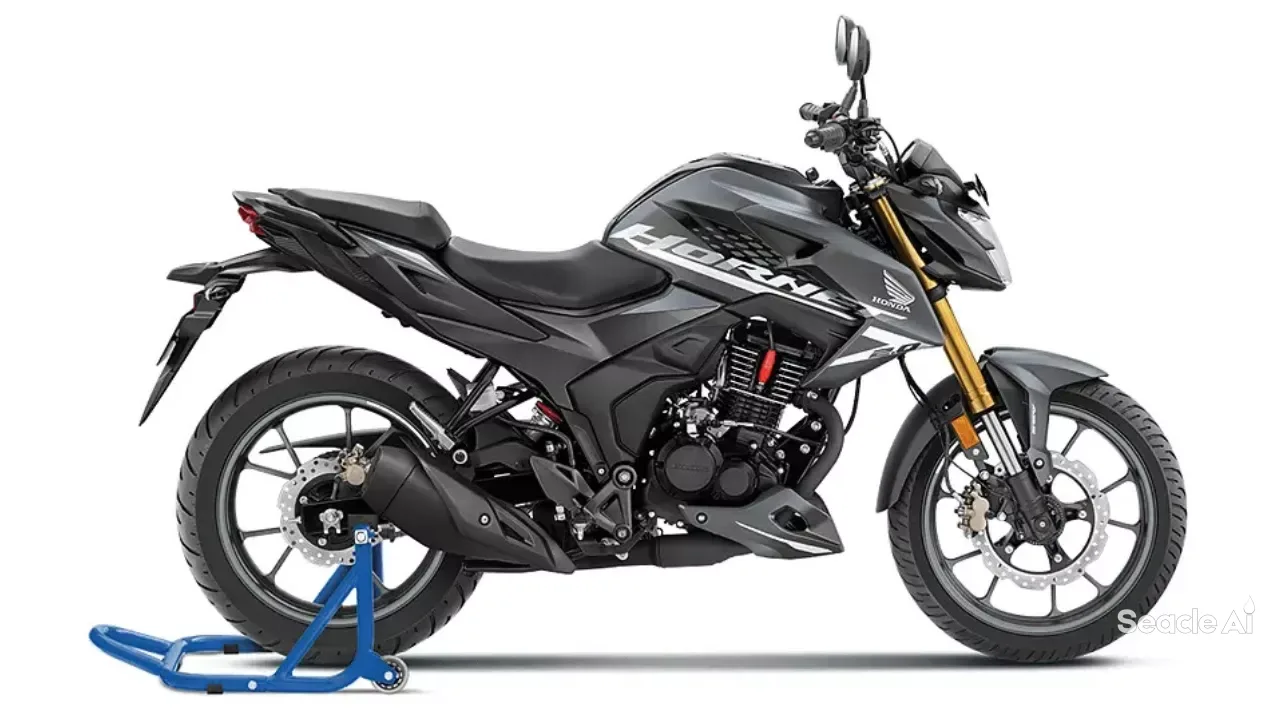
The Yamaha FZ-X is often compared with the Hornet 2.0 because both aim at urban riders who want a rugged look and practical performance. Below is a clear, side-by-side look at the key comparison points.
| Aspect | Honda Hornet 2.0 | Yamaha FZ-X |
|---|---|---|
| Engine and overall performance | 184.4 cc single-cylinder tuned for mid-range torque and city agility; around 17.0 PS output. | Typically around 149 cc single-cylinder (depends on market) designed for smooth city performance with lower peak power than the Hornet but lighter overall feel. |
| Torque, top speed, mileage | About 16.1 Nm torque, top speed roughly 115-125 km/h, real-world mileage 35-45 km/l. | Lower torque than the Hornet, top speed generally under 115 km/h, and similar mileage figures in the 40-50 km/l band depending on riding style. |
| Key features | Fuel injection, digital cluster, compact chassis, firm but composed suspension. | Modern retro-styled bodywork, digital console, typically lighter ergonomics and often a more relaxed suspension tune for comfort. |
| Price range (as of 2025) | Market prices around the mid to upper small-displacement range; roughly mid-rupee to lower mid-rupee segment in South Asian markets. Exact prices vary by year and state taxes. | Often slightly less expensive in base trims, positioned to attract buyers seeking style and economy over outright engine displacement. |
| Which user should choose which | Better for riders who want a bit more outright power and a sportier edge without stepping up to a heavier machine. | Better for buyers who prioritise style, lightness and daily comfort with economical running costs. |
| Tank capacity | About 12 litres. | Typically around 12 litres on many trims; exact figure depends on model and market. |
| Braking systems and safety | Front disc and rear disc. ABS availability varies by model year and market; single-channel ABS is common, dual-channel reported as possible in certain trims. | Disc brakes front and rear with ABS on many trims; Yamaha often equips higher trims with dual-channel ABS depending on region. |
Which type of user should choose which vehicle
Choose the Hornet 2.0 if:
- You want stronger mid-range power for motorway on-ramps and quick overtakes.
- You prefer a more direct, sporty throttle feel and slightly heavier build for stable lane-holding at speed.
- You plan mostly urban commutes with occasional longer rides and value a compact, straightforward motorcycle.
Choose the FZ-X if:
- You prioritise minimal weight, ease of handling and a comfortable, relaxed riding position.
- You want something that feels easier to manage in slow traffic and is economical to run.
- Style is a major consideration and you prefer the FZ-X aesthetic and ergonomics.
Frequently Asked Questions
What is the minimum height to ride Honda Hornet 2.0?
The seat height is around 795 mm. For comfortable confidence at stops and while maneuvering, a rider height of roughly 160 cm (about 5 feet 3 inches) is a reasonable minimum in most cases. Shorter riders can manage with practice and confident foot placement, but try the bike in person to ensure comfort.
What is the real-world mileage I can expect?
On mixed city and highway use expect between 35 and 45 km per litre. Relaxed highway riding can push the figure higher, while aggressive stop-start city traffic will lower it.
Is the Hornet 2.0 suitable for long highway tours?
Not ideally. The Hornet 2.0 is better suited to daily commutes and short to medium distance rides. Limited wind protection, a modest fuel tank and a compact seat make long uninterrupted highway touring less comfortable than on larger, touring-focused bikes.
Does the Hornet 2.0 have advanced electronics like traction control?
No. Standard variants focus on core mechanical competence: fuel injection, a digital cluster and basic ABS in many markets. Traction control and multiple riding modes are not typical in this class unless offered on special editions.
Conclusion
In practical terms the Honda Hornet 2.0 is a thoughtfully packaged small-displacement naked bike that sits between commuter machines and larger sport bikes. It pairs a user-friendly 184.4 cc engine with a tidy chassis, making it ideal for urban riders who want a bit more power and sharper handling than typical 150 cc bikes offer. Confirmed specifications include the displacement, advertised power and torque figures, a 5-speed gearbox, and a seat height near 795 mm. Expected updates in 2025-2026 focus largely on fitment and safety options rather than fundamental engine redesigns.
Strengths include approachable power delivery, light kerb weight and practical ergonomics. Limitations are clear too: the Hornet 2.0 is not built for long-distance touring with heavy luggage, and riders seeking plush suspension or extensive electronic aids will find the model modest in those areas. If your rides are mostly city commutes, occasional highway runs and you value directness and simplicity, the Hornet 2.0 remains an attractive choice. For those prioritising long-range comfort, touring capability, or advanced electronic rider aids, a different platform may suit better.
Think of the Hornet 2.0 like a compact instrument tuned for precise urban performance — small adjustments to expectations deliver a satisfying experience, but pushing it into roles it was not designed for will expose its limits, much like the way small ripples reveal the structure of a larger field when observed closely.
Final note: Where I flagged expected or rumored updates, treat those as subject to manufacturer confirmation. Confirmed numbers are based on factory specifications and widely published figures as of 2025.