
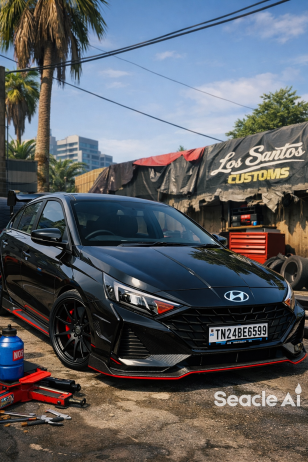

Statement: The Hyundai i20 is one of the most consistently sensible small hatchbacks available, offering a balance of equipment, comfort, and economy for everyday urban and suburban driving.
In the paragraphs that follow I will explain what type of vehicle the Hyundai i20 is, who it is best suited for, its key confirmed specifications, likely or reported updates for upcoming models, and at least one clear limitation you should factor into a buying decision. The article also includes a direct comparison with the Maruti Suzuki Baleno on performance, torque, mileage, features, price range, tank capacity, and braking systems.
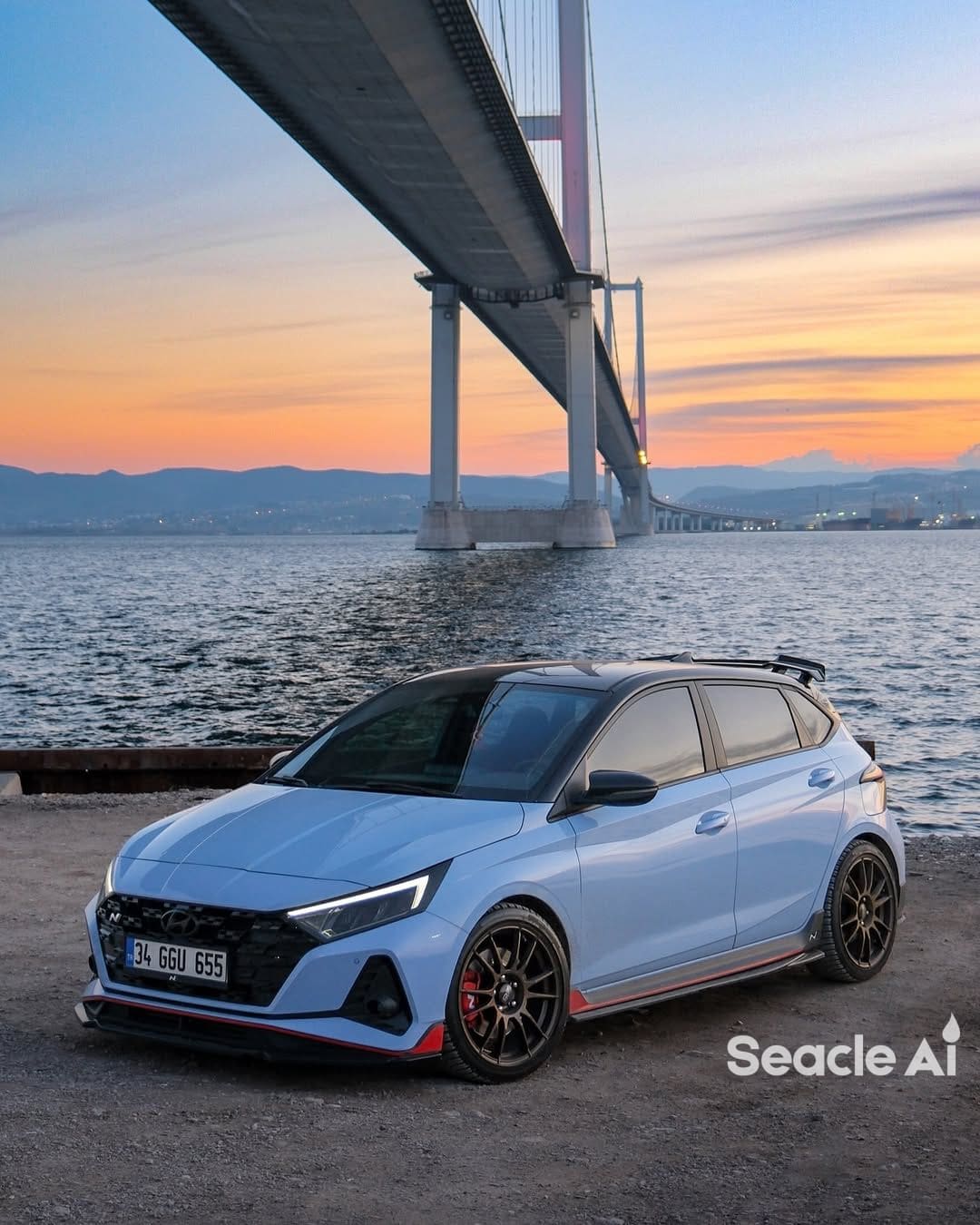
What kind of vehicle is the Hyundai i20 and who is it for?
The Hyundai i20 is a premium compact hatchback. It sits above city microcars and below small crossover SUVs in size and intent. The i20 is designed mainly for drivers who spend most of their time in town and on short to medium highway trips, and who value a comfortable cabin, straightforward driving dynamics, and modern equipment.
Who should consider the i20:
- City commuters who want more space and features than an entry-level hatch.
- Small families looking for a practical second car with decent boot space and safety equipment.
- Tech-oriented buyers who appreciate touchscreen infotainment, connected car features, and driver aids in a compact package.
Who should not choose the i20:
- Anyone planning extensive off-road use – the i20 has low ground clearance and is not built for rough terrain.
- Drivers seeking high-performance dynamics for regular spirited driving – this car prioritizes comfort and efficiency over outright performance.
- Habitual long-haul tourers who need long-range fuel efficiency and touring comfort comparable to larger sedans and SUVs.
Confirmed specifications (common, market-specific variants)
The i20 is offered with multiple engine options across global markets. Below are the confirmed, commonly available options and core mechanical facts that apply to many markets as of 2025.
Engine options
- 1.2-litre naturally aspirated petrol (Kappa / MPI) – a simple, low-cost engine typically used in base trims. It is tuned for economy and city friendliness rather than outright power.
- 1.0-litre turbocharged petrol (T-GDi) – the more powerful option. It uses turbocharging to deliver stronger mid-range power from a small displacement unit.
Power and torque (typical confirmed ranges)
- 1.2-litre MPI: around 80-85 PS (metric horsepower) and roughly 110-120 Nm of torque. This is adequate for city driving and light highway duties.
- 1.0-litre turbo (T-GDi): typically in the 100-120 PS range, with torque commonly around 160-175 Nm depending on tuning. This gives noticeably stronger mid-range acceleration.
Transmissions
- 5-speed or 6-speed manual transmissions are commonly offered with naturally aspirated engines.
- A 7-speed dual-clutch automatic (DCT) or a 6-speed torque-converter automatic is commonly paired with the turbo engine in many markets.
Mileage and efficiency (confirmed test-cycle ranges)
Fuel economy depends heavily on market test cycles. Expect the following typical ranges:
- 1.2-litre MPI: roughly 15-20 km per litre in real-world mixed driving, with city figures at the lower end and steady highway at the upper end.
- 1.0-litre turbo: roughly 13-18 km per litre in mixed real-world driving; automatic versions can vary compared to manuals.
Top speed
Top speed is not a primary focus for small hatchbacks and varies by engine and final gearing. Typical top speed figures:
- 1.2 MPI – about 160-175 km/h (approximate).
- 1.0 T-GDi – about 180-195 km/h (approximate) on more powerful tunes.
Important safety, comfort, and technology features
Safety
- Dual front airbags are standard in most markets, with side and curtain airbags available on higher trims.
- Anti-lock braking system (ABS) with electronic brakeforce distribution (EBD) is standard.
- Electronic stability control (ESC) and traction control are commonly available on mid and high trims.
- Rear parking sensors and rear-view camera are often standard or widely available.
- Higher-spec models may include advanced driver assistance such as lane-keeping assist, forward collision warning, and autonomous emergency braking – availability varies by market and trim.
Comfort
- Roomy front seats for the class and reasonable rear seat space, making it practical for small families.
- Features such as automatic climate control, ventilated front seats (on select trims), and leatherette upholstery appear on higher trims.
- Boot capacity is competitive for a B-segment hatchback and seats fold to increase cargo volume.
Technology
- Touchscreen infotainment systems with Apple CarPlay and Android Auto are common even on mid trims.
- Connected car features such as remote vehicle functions, live navigation updates, and vehicle health reports are often available depending on region.
- Digital instrument clusters or part-digital clusters feature on higher trims.
One clear limitation – where the Hyundai i20 is not ideal
Short answer: The i20 is not the right choice if your primary use case is frequent off-roading or you need a high-performance car for sustained spirited driving.
Here is a factual breakdown:
- Off-roading: Ground clearance and suspension travel are designed for paved roads. Gravel or uneven tracks will quickly expose the limits of the chassis and underbody protection.
- Performance focus: The turbo engine improves acceleration, but the i20’s suspension tuning prioritizes comfort and compliant ride over flat-out handling. Enthusiasts who want track-capable dynamics or very high-speed stability are better served by larger, performance-focused models.
- Long highway tours: While the i20 is comfortable for occasional long trips, sustained high-speed driving will expose higher engine noise and less relaxed cruise comfort compared with midsize sedans or larger crossovers. Fuel tank size also limits single-run distance compared with larger cars.
Maintenance and ownership considerations
Maintenance costs for the i20 are typically mid-range for its class. Parts availability is generally good in major markets, and dealer networks are extensive in regions where Hyundai has a strong presence. Service intervals are standard; following the recommended schedule keeps running costs predictable.
One practical ownership note: turbocharged small engines can be more sensitive to oil-change intervals and the quality of fuel used. That affects longevity and real-world efficiency. For buyers who prioritize minimalist maintenance, naturally aspirated options often present fewer long-term variables.
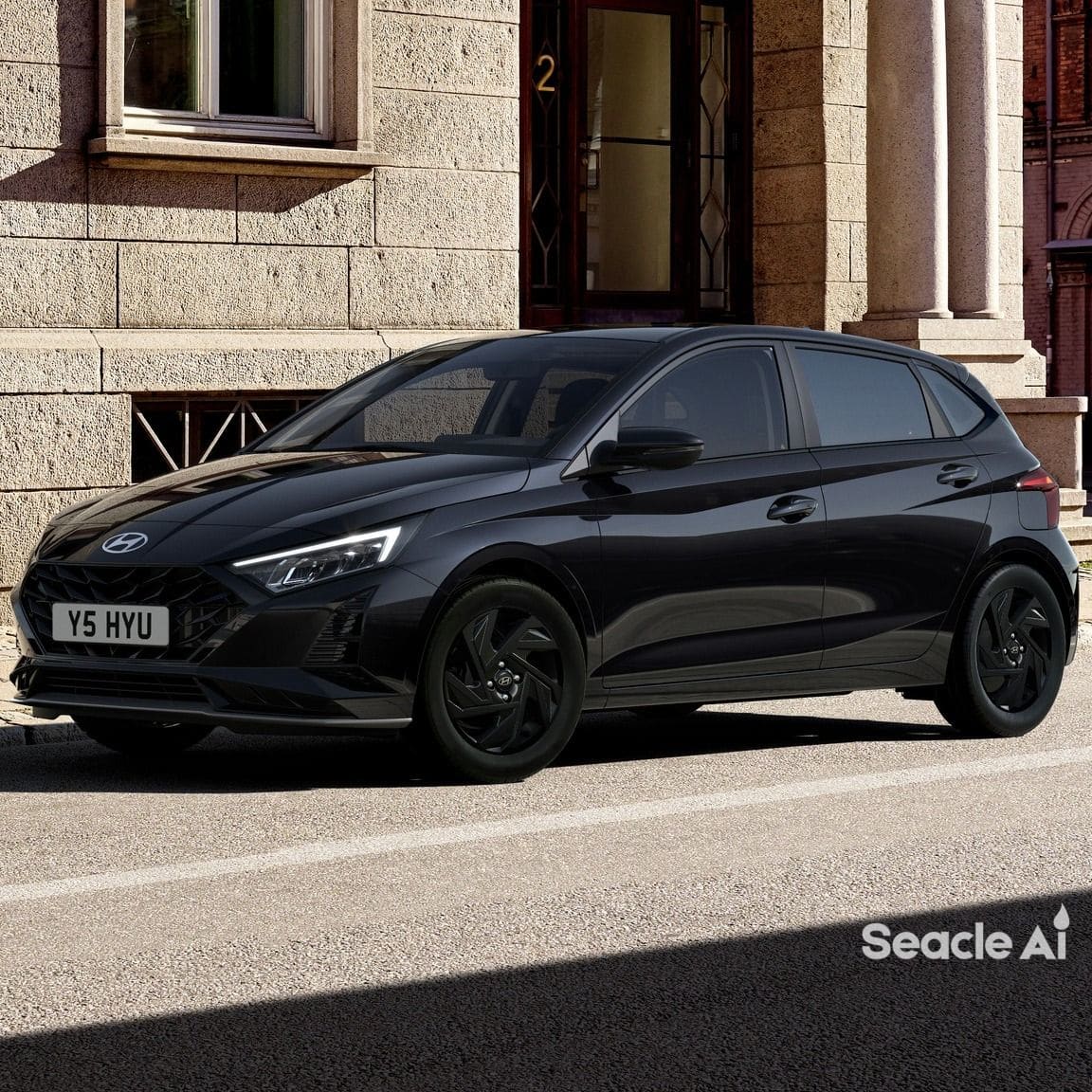
Confirmed vs expected / rumored updates (2025-2026)
Confirmed as of 2025
- Current production i20 line-up continues with the 1.2 MPI and 1.0 T-GDi engines in most markets.
- Infotainment and connected features are standard on mid and higher trims.
- Safety equipment levels are aligned with regional regulations; higher trims in many markets include ESC and multiple airbags.
Expected or rumored for 2026
Several reports and industry whispers point to modest updates rather than a full redesign:
- Exterior styling tweaks and new wheel designs are likely as a mid-life refresh.
- Software updates to infotainment and connected services are expected to keep the cabin tech competitive.
- In some markets, mild-hybrid technology or slight tuning changes to improve real-world efficiency may be introduced as per emissions requirements.
Important: These 2026 items are reported or expected and may change. Treat them as probable directions rather than finalized features.
Hyundai i20 vs Maruti Suzuki Baleno – direct comparison
Below is a clear, side-by-side comparison focused on the aspects buyers usually weigh. The comparison emphasizes the i20 while showing how the Baleno measures up in the same categories.
| Aspect | Hyundai i20 | Maruti Suzuki Baleno (comparison) |
|---|---|---|
| Engine and overall performance | Offers 1.2 MPI and 1.0 T-GDi turbo engines. The turbo model provides stronger mid-range acceleration. Drive is tuned for comfort and ease in urban traffic. | Typically offered with a 1.2-litre petrol (DualJet in some markets) and in earlier years a small turbo option in select regions. The Baleno prioritizes refinement and fuel efficiency over sporty dynamics. |
| Torque, top speed, mileage | Torque for turbo models around 160-175 Nm; top speed approximately 180-195 km/h for turbo tunes. Mileage varies by engine and transmission – expect real-world 13-20 kmpl depending on conditions and tune. | Torque typically lower than the turbo i20; top speed in similar compact hatch ranges. Baleno is often slightly more economical in city driving thanks to DualJet tuning and lighter curb weight in many trims. |
| Key features | Modern infotainment, connected car features, available driver aids, and a comfortable interior. Higher trims include digital clusters and better materials. | Baleno focuses on practicality: roomy cabin, efficient engines, and good standard kit on higher trims. May have fewer advanced connected car features depending on market. |
| Price range (current/expected) | Price varies by market and trim. Generally positioned as a slightly premium compact hatch with trims that can push into near-crossover pricing for top-spec models. Exact prices depend on region and local taxes. | Baleno is often priced competitively and can be marginally cheaper at entry trims, making it attractive to value-conscious buyers. Pricing varies regionally. |
| Which user should choose which vehicle | Choose i20 if you want a slightly more feature-rich cabin, modern tech, and a comfortable ride for mixed urban and highway use. | Choose Baleno if you want marginally better fuel economy in city driving and the best value at lower price points. |
| Fuel tank capacity | Typical tank sizes are in the 40-45 litre range in many markets, which provides medium range per fill-up. | Baleno tank sizes commonly sit in a similar band, often 37-40 litres depending on year and region. |
| Braking systems and safety features | ABS with EBD is standard, ESC and multiple airbags available on higher trims. i20 often offers better options for advanced driver assists in higher-spec models. | Baleno provides ABS, EBD, and airbags; ESC availability depends on market and trim. Both cars meet regional crash safety norms, and higher trims of each improve active safety kit. |
Which of the two fits your needs?
- Pick the Hyundai i20 if you want slightly more cabin tech, a more modern interior layout, and a turbo option with stronger mid-range pull.
- Pick the Maruti Suzuki Baleno if you prioritize the lowest running cost possible in city driving and prefer the best value at base trims.
Quick practical specs summary (confirmed)
- Body type: Premium compact hatchback.
- Common engines: 1.2-litre MPI and 1.0-litre T-GDi turbo.
- Transmissions: 5- or 6-speed manual, 6-speed automatic or 7-speed DCT in many markets.
- Fuel economy: real-world range typically 13-20 kmpl depending on engine and conditions.
- Safety: ABS, EBD standard; ESC, multiple airbags available on higher trims.
- Fuel tank: commonly around 40-45 litres (market dependent).
Realistic drawbacks and trade-offs
Every car has trade-offs. For the i20, consider these practical points:
- Average mileage in real-world mixed use – In everyday stop-start city driving, mileage numbers can fall toward the lower end of the official range, especially with the turbo engine and automatic transmissions. If you need class-leading economy for long commutes, check official combined figures for your market and consider the naturally aspirated option.
- Suspension tuning – Tuned for comfort; that means body roll under hard cornering is greater than tuned, sportier equivalents. The trade-off favors ride quality over flat handling.
- Maintenance sensitivity of turbo engines – Turbocharged small engines reward regular maintenance and higher quality oil and fuel. Owners should follow service intervals closely to avoid premature wear.
- Space limits for taller occupants – While roomy for the class, taller passengers in the rear may find knee and headroom less generous than in larger segments.
Buying advice and practical tips
- Test drive both the 1.2 MPI and 1.0 T-GDi if available; you will notice clear differences in throttle response and mid-range pull.
- Compare fuel economy figures under conditions you care about – city versus highway.
- Check which safety and driver-aid features are standard in the trim you plan to buy, rather than relying on brochure top-spec items.
- Consider resale and service network strength in your region — both affect long-term ownership costs more than headline figures.
Frequently Asked Questions
Is the Hyundai i20 good for highway cruising?
The i20 is competent on highways for routine trips and overtaking. However, sustained high-speed cruising will be more comfortable in larger cars. For long-distance touring, consider engine choice and the higher-torque turbo option for easier overtakes.
Which engine should I pick for city use?
If your driving is overwhelmingly urban, the naturally aspirated 1.2 MPI tends to be simpler and often returns better city economy. The turbo engine gives stronger acceleration but may deliver lower stop-start efficiency.
Are advanced safety features available on the i20?
Yes. Depending on market and trim, you can get ESC, multiple airbags, lane-keeping aids, and autonomous emergency braking. Always confirm what is standard on the trim you are considering.
How often does the i20 need servicing?
Service intervals vary by region and powertrain. Follow the dealer schedule in the owner’s manual. Turbo engines in particular benefit from timely oil changes and quality fuel.
Conclusion
The Hyundai i20 is a well-rounded premium compact hatchback that suits urban drivers, small families, and those who want a feature-rich cabin without stepping up to a larger vehicle. Its confirmed strengths are a comfortable ride, modern interior tech, and a choice between simple, economical engines and a punchier turbo option.
At the same time, the i20 is not ideal for off-road use or drivers who demand high-performance handling. Expect trade-offs in fuel economy with turbo versions, and be aware that maintenance discipline matters more for the turbo powerplants. If your driving is mostly city commutes and occasional highway trips, the i20 will deliver sensible value. If you need rugged off-road capability or sustained high-speed touring comfort, consider larger or differently focused vehicles.
Think of choosing an i20 like following an old family recipe: it gets the core elements right for everyday meals, you can tweak it with a more powerful ingredient for occasional treats, but it is not a substitute for a professional chef’s tools when you need something specialist. The i20 does what it sets out to do consistently well; your task is to match that to your needs.