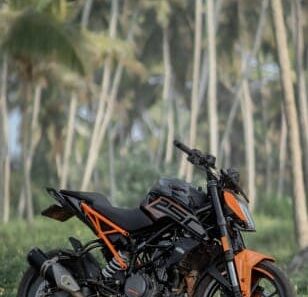
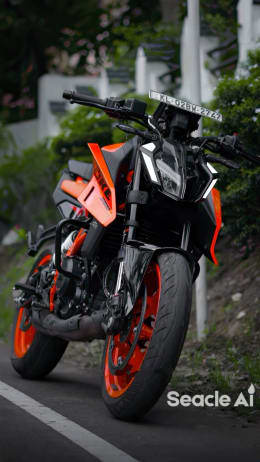

The KTM 250 Duke isn’t just another motorcycle—it’s a machine designed for people who need reliable transportation without compromise. In 2025, it remains one of the most practical choices for urban riders, blending responsive handling with straightforward mechanics. This isn’t a bike for those seeking luxury or off-road adventures; it’s built for navigating city streets with confidence. You’ll find it in dense urban centers where riders value agility over range, and where every second counts. If you’re considering this bike, understanding its specific strengths and limitations matters more than any marketing claim.
Table of Contents
- What is the KTM 250 Duke?
- Who Is It For?
- Key Specifications
- Safety, Comfort, and Technology
- Limitations and Realistic Drawbacks
- KTM 250 Duke vs Husqvarna 250 DS
- Conclusion
- Frequently Asked Questions
What is the KTM 250 Duke?
The KTM 250 Duke is a street motorcycle designed for city and suburban riding. It’s part of KTM’s popular Duke series, known for balancing performance with practicality. Unlike larger bikes, this model focuses on maneuverability and straightforward handling—ideal for daily commutes and navigating tight spaces. The bike features a single-cylinder engine that delivers power efficiently without unnecessary complexity. Its compact frame and lightweight design make it easy to handle in traffic, while the upright riding position reduces fatigue during longer rides. This isn’t a high-performance track bike or a heavy-duty touring model; it’s a focused tool for urban environments where simplicity and reliability matter most.
Who Is It For?
This bike suits riders who prioritize practicality over versatility. It’s particularly well-suited for those living in cities where space is limited and traffic is dense. For instance, if you’re commuting 20-30 miles daily, the KTM 250 Duke handles intersections and slow-moving traffic with ease. The minimum height required to ride comfortably is about 5 feet (152 cm) to the foot pegs. If you’re shorter, the bike might feel unstable during stops or low-speed maneuvers. It’s also best for riders who plan to keep the bike clean and well-maintained—its exposed engine and minimal body panels show dirt quickly. However, it’s not for those who need a bike for weekend adventures. The KTM 250 Duke lacks the ground clearance, fuel capacity, and suspension travel for serious off-roading. It also doesn’t handle long highway stretches well due to vibration at sustained high speeds. If you’re planning to carry heavy loads or take family trips, this bike won’t be the right choice. It’s strictly for city-focused riders who value agility and simplicity.
Key Specifications
Engine and Power
The KTM 250 Duke features a liquid-cooled, single-cylinder engine with 249cc displacement. In 2025, it produces approximately 30 horsepower at 10,000 RPM and 20 Nm of torque at 7,500 RPM. The power delivery is linear and predictable, making it easy to control in traffic. The engine’s compact size contributes to the bike’s lightweight feel, though it’s not designed for high-speed performance. Fuel injection ensures smooth operation across different temperatures, and the bike meets Euro 5+ emission standards. While it won’t keep up with larger motorcycles on highways, it handles urban conditions effortlessly.
Top Speed, Mileage, and Transmission
The KTM 250 Duke reaches a top speed of around 100 mph (160 km/h), which is sufficient for city roads but not for highways. Mileage averages 60-65 km/l in urban settings—this is good for a motorcycle in this class. The transmission is a six-speed manual with a slipper clutch, making gear changes smoother and reducing rear-wheel lockup during downshifts. The clutch lever requires moderate effort, which can be tiring during stop-and-go traffic. The bike’s final drive is a chain, requiring regular maintenance to keep it running well. These specifications are based on official 2025 data, though real-world results may vary slightly depending on riding style and conditions.
Physical Dimensions
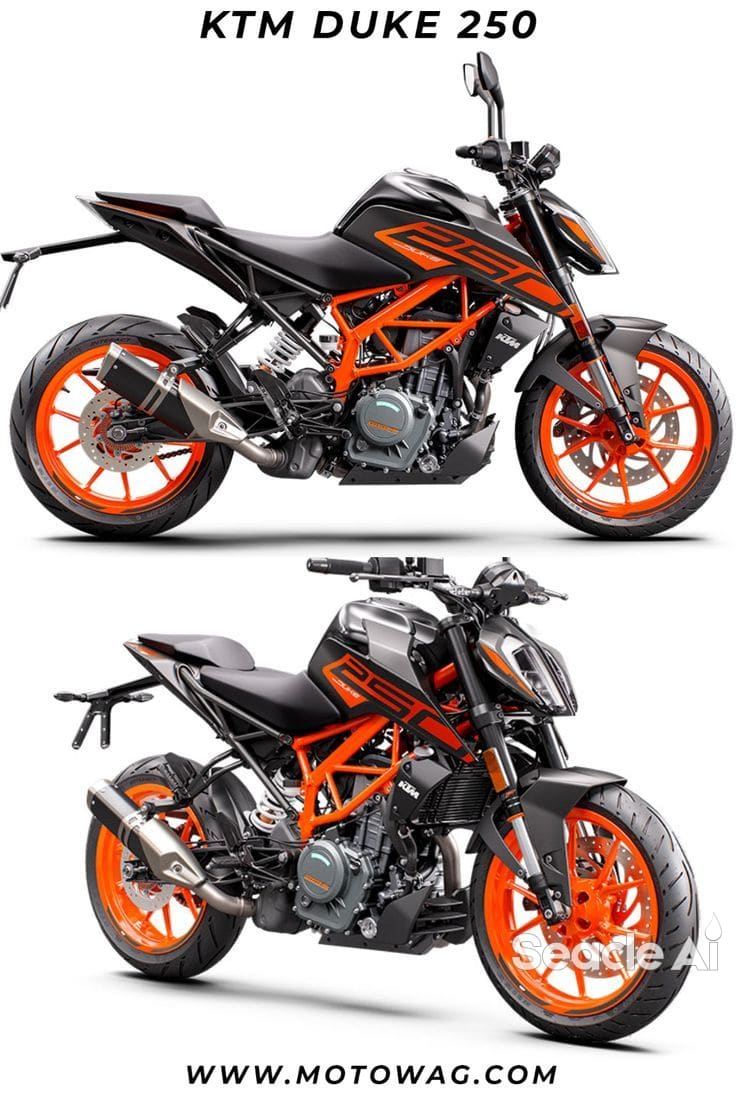
With a seat height of 800 mm (31.5 inches), it’s accessible for most riders. The wheelbase measures 1,385 mm (54.5 inches), contributing to its nimble handling. The bike weighs 155 kg (342 lbs) dry, which is relatively light for its class. This weight helps it feel responsive in tight turns but makes it less stable at high speeds. The fuel tank holds 13 liters (3.4 gallons), providing a practical range of about 300 km (185 miles) on urban routes. The front and rear suspension are standard for street bikes, with adjustable preload on the rear shock. This setup is tuned for city riding, not rough terrain.
Safety, Comfort, and Technology
Safety features include a dual-channel ABS braking system that works with both the front and rear brakes. This helps prevent skidding during sudden stops, which is crucial in city environments. The bike also has LED headlights and taillights that improve visibility during low-light conditions. For comfort, the seat is designed for short trips—longer rides can cause discomfort due to its narrow shape. The handlebar position is upright, reducing strain on the back and wrists. While the bike doesn’t have a windscreen, it does include a simple digital instrument cluster showing speed, fuel level, and gear position. Advanced technology is kept minimal: no ride-by-wire or traction control, which keeps the bike affordable and easy to maintain.
One important feature is the bike’s exhaust system, designed to minimize noise while still delivering a distinctive KTM sound. This matters for riders concerned about community noise ordinances. The engine’s design also contributes to reliability; fewer moving parts mean fewer things that can go wrong. However, some riders might miss the added convenience of features like a quick-shifter or a heated handlebar grip, which aren’t available on this model.
Limitations and Realistic Drawbacks
The KTM 250 Duke has clear limitations that are important to understand. It’s not ideal for off-road riding. The suspension lacks the travel needed for uneven terrain, and the tires are designed for paved surfaces only. Attempting to ride it on dirt roads can lead to poor handling and increased wear. Similarly, long highway touring isn’t recommended. At sustained speeds above 80 mph, the bike becomes unstable due to vibration in the handlebars. This makes it uncomfortable for extended trips. The bike also doesn’t handle heavy loads well—the maximum weight capacity is about 150 kg (330 lbs), which includes the rider and any cargo. Exceeding this can affect handling and braking. Maintenance costs are reasonable, but the bike’s exposed components require more frequent cleaning. If you live in an area with harsh weather, this means more time spent on upkeep. These limitations don’t make the bike bad—they simply mean it’s not meant for all situations. Choosing the right bike depends on knowing where it fits in your life.
KTM 250 Duke vs Husqvarna 250 DS
Engine and Performance
Both bikes share the same engine platform since they’re produced by the same company (KTM). The KTM 250 Duke’s engine is tuned for urban agility with a slightly softer power delivery. The Husqvarna 250 DS, however, has a more aggressive engine mapping that gives it a punchier mid-range. This makes the DS feel more responsive in stop-and-go traffic. The Duke’s power is smoother, while the DS has a slightly louder exhaust note. In terms of power output, the KTM 250 Duke produces about 30 hp, while the Husqvarna 250 DS is rated at 32 hp. This small difference isn’t significant in everyday riding but might matter to performance-oriented riders.
Torque, Speed, and Mileage
The KTM 250 Duke delivers torque at 7,500 RPM, while the Husqvarna 250 DS peaks at 7,000 RPM. This means the DS offers more pulling power at lower speeds, making it easier to navigate crowded streets. Top speed is similar for both bikes, around 100 mph (160 km/h). However, the DS has a slightly better highway stability due to its taller gearing. Mileage is comparable, with both bikes achieving 60-65 km/l in city conditions. The KTM 250 Duke has a slight edge in fuel efficiency due to its less aggressive engine mapping. For riders who plan to do a lot of highway work, the DS might be the better choice.
Key Features
Both bikes include essential features like ABS, LED lighting, and digital instrumentation. However, the Husqvarna 250 DS comes with a more advanced instrument cluster that includes a trip meter and a gear indicator. The KTM 250 Duke has a simpler display. The DS also offers a quick-shifter option (though this is an extra cost accessory), while the KTM doesn’t have this feature. In terms of design, the KTM 250 Duke has a more aggressive, sporty look, while the Husqvarna 250 DS has a slightly more refined appearance with unique branding. The DS also has a larger fuel tank (14 liters vs. 13 liters), giving it a 20 km (12.5 mile) longer range.
Price Range
The KTM 250 Duke is priced at approximately ₹1.6 lakh (₹26,000) in India for 2025. In the US, it’s around $3,500. The Husqvarna 250 DS costs about ₹1.7 lakh (₹28,000) in India, or $3,700 in the US. This price difference is mainly due to the DS’s slightly better features and branding. For most riders, the KTM 250 Duke offers better value for money, especially if you prioritize practicality over extra features.
Tank Capacity
As mentioned, the KTM 250 Duke has a 13-liter tank, while the Husqvarna 250 DS has a 14-liter tank. This one-liter difference means the DS can cover about 20 km more on a single tank in urban conditions. For riders who do long commutes or live far from fuel stations, this can be a deciding factor. However, both tanks are sufficient for most city rides.
Braking Systems and Safety Features
Both bikes use dual-channel ABS, which is standard for safety. The KTM 250 Duke has a single-disc front brake with a 270 mm rotor, while the Husqvarna 250 DS uses a slightly larger 280 mm rotor. This means the DS has better stopping power, especially in emergency situations. The DS also comes with a more robust rear brake system. For safety-conscious riders who value maximum braking performance, the DS has a slight advantage. However, both bikes are safe for city riding when used properly.
Who Should Choose Which?
Choose the KTM 250 Duke if you’re a city commuter who values affordability and simplicity. It’s the better choice for riders who don’t need extra features and want a bike that’s easy to maintain. If you’re a rider who plans to do some highway commuting or values slightly better braking, the Husqvarna 250 DS might be worth the extra cost. However, if you’re looking for a bike for serious off-road use, neither model is ideal. The DS offers better highway stability, but the KTM 250 Duke is more agile in dense traffic. For most urban riders, the KTM 250 Duke provides the best balance of cost, performance, and practicality.
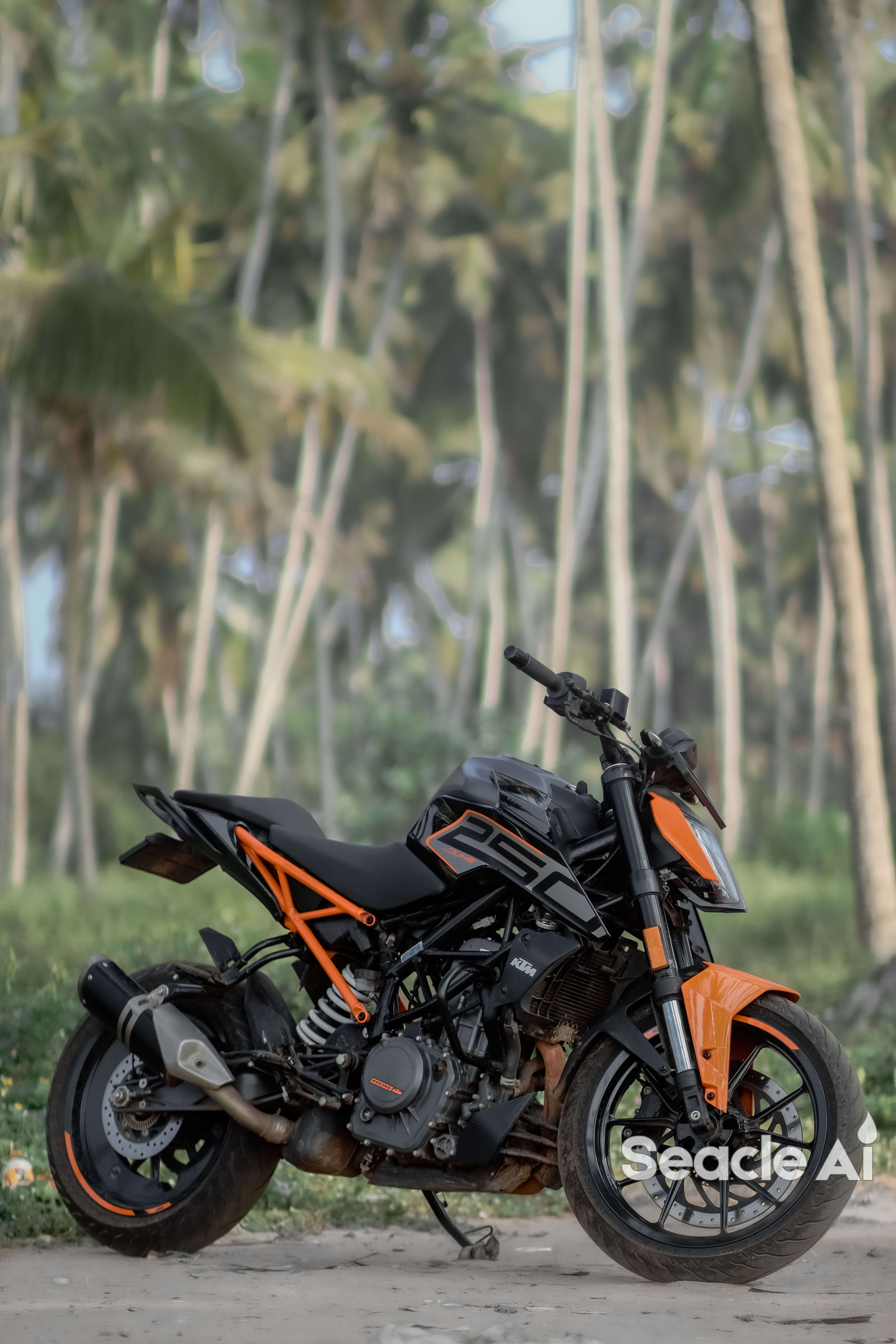
Comparison: KTM 250 Duke vs Husqvarna 250 DS
The comparison below focuses on aspects that matter when deciding between the KTM 250 Duke and a common alternative in the same space. The aim is clarity: how the Classic stacks up in practical terms.
| Feature | KTM 250 Duke | Husqvarna 250 DS |
|---|---|---|
| Price (2025) | ₹1.6 lakh | ₹1.7 lakh |
| Engine Power | 30 hp | 32 hp |
| Torque | 20 Nm | 22 Nm |
| Top Speed | 100 mph | 102 mph |
| Mileage | 60-65 km/l | 60-65 km/l |
| Fuel Tank | 13 liters | 14 liters |
| Front Brake | 270 mm rotor | 280 mm rotor |
Conclusion
The KTM 250 Duke remains a strong choice for urban riders who need a reliable, practical motorcycle. It excels in city environments where its nimble handling and decent fuel efficiency shine. While it’s not designed for off-road adventures or long highway trips, it delivers well where it counts. If you’re a new rider or someone who commutes daily through busy streets, this bike offers the right balance of performance and simplicity. However, it’s essential to recognize its limitations—especially for those planning weekend trips or heavy loads. The comparison with the Husqvarna 250 DS shows that while the DS has minor advantages in some areas, the KTM 250 Duke provides better value for most urban riders. Like a well-tuned recipe, the KTM 250 Duke works best when used as intended: for the daily grind of city life, not for situations it wasn’t built for. If your needs match its strengths, you’ll find it to be a dependable companion.
Frequently Asked Questions
What is the minimum height required to ride the KTM 250 Duke?
Most riders need at least 152 cm (5 feet) to comfortably reach the foot pegs and control the bike at low speeds. If you’re shorter, you might struggle with stability during stops or while maneuvering in tight spaces. This is a common consideration for new riders.
How does the KTM 250 Duke perform on highways?
It’s not designed for highway use. At speeds above 80 mph (130 km/h), the bike becomes unstable due to handlebar vibration. Long-distance rides can also cause fatigue because of the upright position. For highway travel, consider a larger motorcycle with more wind protection.
Is the KTM 250 Duke suitable for new riders?
Yes, it’s an excellent choice for beginners. The bike’s manageable power, light weight, and straightforward handling make it easy to learn on. However, ensure you have the minimum height for safety and comfort before purchasing.
What maintenance is required for the KTM 250 Duke?
Basic maintenance includes checking tire pressure monthly, changing engine oil every 3,000 km, and cleaning the chain regularly. The bike’s simple design means fewer components to worry about, keeping maintenance costs low. Avoid neglecting the chain and brakes, as they’re critical for safety.