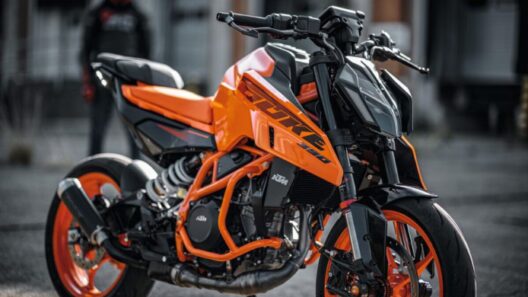
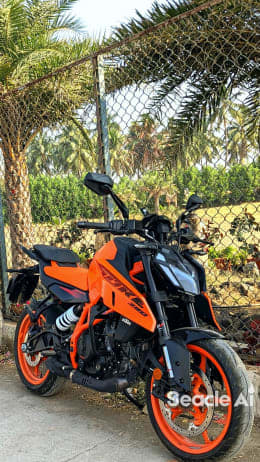

Quick opening note: This piece is written for riders and buyers who want practical, no-nonsense detail. The KTM 390 Duke appears early in the first paragraph because this is the subject we will examine closely, from engine and ergonomics to realistic limitations and how it stacks up against a sportier 300-class rival.
Below you’ll find a focused, technical look at the bike, an easy table of key specs, a clear comparison with the Yamaha YZF R3, and a closing recommendation based on real use cases. Expect measured claims, and plain language so you can decide if this bike fits your riding pattern.
Table of Contents
- Introduction and key claim
- KTM 390 Duke: Engine and Specs
- Confirmed specifications
- Practical performance and mileage
- Safety, comfort and technology features
- Limitations and real-world drawbacks
- KTM 390 Duke vs Yamaha YZF R3
- Which rider should choose which bike
- Frequently Asked Questions
- Conclusion and final advice
Introduction and key claim
The central point: the KTM 390 Duke is a lightweight, high-revving naked motorcycle designed for urban riders and sport-minded commuters who want lively power without the bulk of a full-size sportbike. Think of it as a sharp tool for day-to-day riding and short spirited trips, not a touring machine. Like faint echoes in a complex field, the way its character returns to you depends on how you ride it—quick inputs highlight the bike’s strengths, long-distance comfort less so.
KTM 390 Duke: Engine and Specs
The KTM 390 Duke has one key identity: a compact single-cylinder motor tuned for punchy mid-range and brisk high-rpm response. Below I break that down into plain terms so you can see how it behaves on the road.
Core engine details
- Type: Single-cylinder, liquid-cooled, fuel-injected, DOHC
- Displacement: 373 cc (approx)
- Transmission: 6-speed gearbox with slip-and-assist clutch
- Power output: Claimed around 43 to 44 PS (32-33 kW) in production-spec models
- Torque: Claimed peak roughly 37 Nm, delivered in the midrange
These numbers translate to a bike that accelerates strongly from city speeds and pulls willingly through the midrange. It does ask to be revved if you want the most energetic response; this is part of the character you buy into.
Performance figures in everyday language
- Top speed: Real-world top speed typically in the 165–180 km/h range, depending on rider weight, gearing and wind conditions.
- Mileage: Manufacturer claims vary by market; a reasonable mixed-ride expectation is 25–30 km/l under typical conditions, with city-only riding dropping closer to 20–22 km/l.
- Seat height: Around 830 mm (seat height), which affects who can plant both feet cleanly.
Confirmed specifications
Below are the confirmed production specs that apply to recent 2024–2026 model years in most markets. Manufacturers may tune or update components by year and market, so always check the spec sheet for your local model year.
| Item | Specification (typical / confirmed) |
|---|---|
| Engine | 373 cc single-cylinder, liquid-cooled, DOHC, fuel-injection |
| Power | ~43–44 PS @ ~9,000 rpm |
| Torque | ~37 Nm @ ~7,000 rpm |
| Transmission | 6-speed, slip-and-assist clutch |
| Seat height | ~830 mm |
| Kerb weight | ~167–170 kg (varies slightly by model year and market) |
| Fuel tank | ~13–13.5 liters |
| Brakes | Front: 320 mm disc; Rear: 230 mm disc; dual-channel ABS standard |
| Suspension | Upside-down fork (adjustable preload on some models), rear monoshock |
Practical performance and mileage
In real use, the motorcycle’s single-cylinder layout gives strong low- to mid-range delivery with a lively top-end. That pattern suits city traffic and twisty roads where you want immediate response and easy overtakes.
Fuel economy will depend on riding style. For mixed commuting and weekend rides expect the mid-to-high 20s in km per liter. If you spend time in aggressive riding or high-speed cruising, expect the number to drop. Maintenance intervals and service costs are reasonable for a performance-oriented small-displacement bike, but service items such as valve checks and chain maintenance can add to running costs compared with very basic commuter machines.
Safety, comfort and technology features
The bike is relatively well-equipped for its class. Below are the practical features that matter day to day.
- ABS: Dual-channel ABS is standard on modern models, often with cornering ABS in higher trims or in some markets.
- Brakes: A large front disc (usually 320 mm) with a strong radial caliper gives predictable stopping; the rear disc complements it. Brake feel is firm and progressive.
- Suspension: Upside-down front fork and a rear monoshock; settings favor precision and feedback, which means a firmer ride on coarse surfaces.
- Electronics: Ride-by-wire throttle, traction control in some variants, a clear TFT instrument cluster with Bluetooth on recent models, and multiple riding modes in select trims.
- Comfort: The seating position is upright and sporty; the seat is firm and supportive for short to medium rides but can become tiring over long stretches without breaks.
Safety-wise, the combination of strong brakes and ABS makes the bike confidence-inspiring for street riding. On the comfort side, plan for firm suspension and a compact tank and seat—fine for city rides and short weekends, less ideal for all-day touring.
Limitations and real-world drawbacks
No bike is perfect. Below are factual limitations to keep in mind when considering this motorcycle.
- Not a long-distance touring bike: The KTM 390 Duke has a small tank and limited wind protection. For sustained highway runs and multi-day touring, you will notice fatigue more quickly than on a dedicated touring machine.
- Firm suspension trade-off: The chassis and suspension bias toward agility and feedback, so the ride can feel harsh on badly surfaced roads. If your daily route includes many potholes, the setup will transmit more shock to the rider.
- Average fuel range: With a ~13.5 liter tank and mixed economy, expect a practical range around 300–350 km between fill-ups. That is adequate for many urban users but limits non-stop touring legs.
- Maintenance considerations: Performance-tuned machines often need more frequent checks: chain, brake pads, periodic valve clearance inspections — factor some extra servicing cost compared with purely commuter bikes.
- Seat height and access: The roughly 830 mm seat height means riders under about 165 cm will need to check fitment and reach. A common guideline: minimum height to ride KTM 390 Duke comfortably is about 165 cm (5’5″), depending on inseam and confidence at stops.
One realistic drawback to emphasize: the bike performs best in short, active stints rather than slow long hauls. That is a trade-off you accept for sharp handling and strong single-cylinder character.
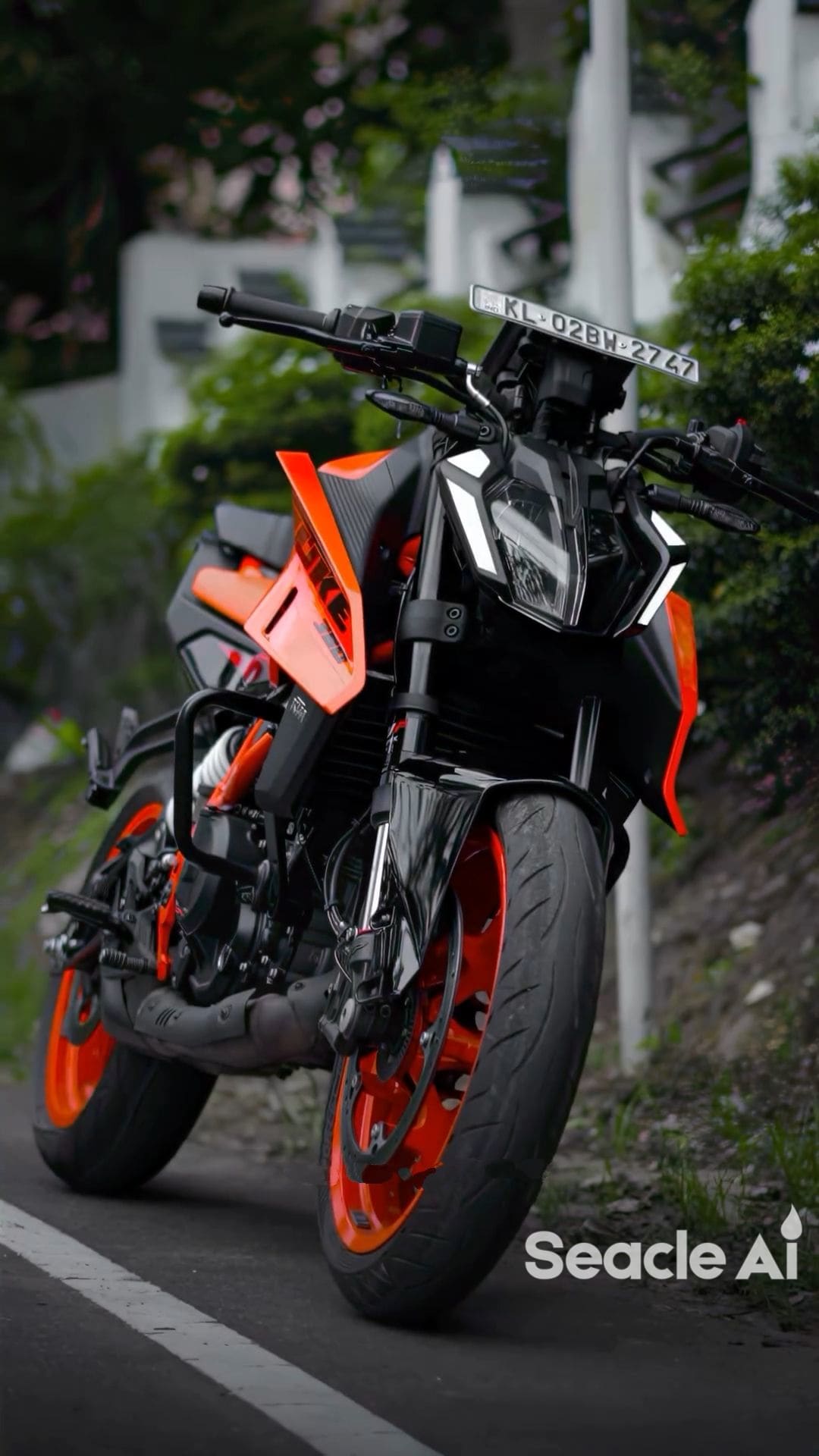
KTM 390 Duke vs Yamaha YZF R3
Below is a straight comparison across the requested points. The focus remains on how the KTM 390 Duke performs relative to the R3, but the comparison centers on practical impact for everyday riders and buyers.
1. Engine and overall performance
| Aspect | KTM 390 Duke | Yamaha YZF R3 |
|---|---|---|
| Engine type | Single-cylinder, 373 cc, high-revving, strong mid-range response | Twin-cylinder, 321 cc, smoother top-end and more linear power delivery |
| Character | Punchy, lively, requires revs for peak performance | Smoother, more refined at higher revs, less vibration |
2. Torque, top speed, and mileage
- Torque: KTM offers around 37 Nm with a strong midrange; the R3’s twin layout gives slightly less low-end shove but a more linear delivery overall.
- Top speed: Both bikes can reach highway speeds without major stress; the KTM typically peaks near the high 160s to 170s km/h in normal conditions, while the R3 has a similar or slightly higher top speed due to aerodynamic fairing and gearing.
- Mileage: The R3’s twin-cylinder can be slightly more efficient on steady highways; expect the KTM’s real-world average to sit in the mid-20s km/l, with the R3 often returning similar or marginally higher figures depending on ride style.
3. Key features
- KTM 390 Duke: Lightweight chassis, advanced electronics in some trims (TFT, smartphone connectivity), aggressive ergonomics, and strong braking hardware.
- YZF R3: Full fairing with better wind protection, twin-cylinder smoothness, stable at high speeds, and more traditional sportbike ergonomics.
4. Price range (current or expected)
Prices vary by market and taxes. As of 2025–2026, approximate ranges:
- KTM 390 Duke: Varies widely by region; expect mid-range pricing within the 300–6000 USD equivalent band in many countries after market-specific taxes. In markets like India, prices historically fall around INR 2.9–3.5 lakh depending on year and trim (check latest local listings).
- Yamaha YZF R3: Typically close to or slightly above the KTM in some markets when comparing road-legal sport variants, largely due to different supply and tax structures.
Always check current local dealer quotes: exchange rates, taxes and model year changes affect final retail price strongly.
5. Which type of user should choose which vehicle
- Choose the KTM 390 Duke if: you want a nimble urban-focused bike with strong single-cylinder punch, lightweight handling, advanced tech options, and you prioritize agility over long-distance comfort.
- Choose the Yamaha YZF R3 if: you prefer a smoother twin-cylinder feel, more wind protection for highway work, and a sport-market look with a slightly more relaxed long-distance posture.
6. Tank capacity
- KTM 390 Duke: ~13–13.5 liters (confirmed range)
- YZF R3: Generally larger, around 14–14.5 liters depending on model year — this helps longer stretches between fill-ups.
7. Braking systems and safety features
- KTM 390 Duke: Large front disc (~320 mm), rear disc (~230 mm), dual-channel ABS standard. Modern models include traction control and multiple ride modes in certain trims.
- YZF R3: Single front disc (slightly smaller in diameter on older models), dual-channel ABS is available or standard depending on year and market; less aggressive brake hardware compared to the Duke but often adequate for the bike’s weight and power.
Which rider should choose which bike
If you spend most of your time in stop-and-go city riding with occasional weekend canyon runs, the KTM 390 Duke’s light weight and responsive engine make a compelling package. If you regularly do long highway stints or prefer a smoother twin-cylinder character and fairing for wind protection, the Yamaha R3 edges ahead.
Frequently Asked Questions
Is the KTM 390 Duke suitable for a new rider?
Yes, for a new rider with some confidence and training, the Duke can work well because it is light and easy to manage at low speeds. However, the power delivery is eager—new riders should spend time learning throttle control and use lower ride modes where available.
What is the minimum height to ride the KTM 390 Duke?
Seat height is roughly 830 mm. A practical minimum rider height for comfortable foot placement and confidence at stops is about 165 cm (5’5″), though inseam and personal reach vary. A shorter rider should test-sit the bike and consider aftermarket seat or peg adjustments.
How often does the KTM 390 Duke need servicing?
Service intervals vary by market; oil changes and inspections are typically every 6,000–10,000 km, with valve checks at longer intervals in many regions. Budget for routine consumables like chain maintenance, brake pads and tyres at rates typical for sporty small-displacement machines.
Can the KTM 390 Duke handle light off-road or gravel paths?
It is not designed for off-road use. The chassis, suspension travel and tyres are optimized for tarmac. Occasional smooth gravel will be possible at low speeds, but serious off-road work or heavy dirt use is not recommended.
Conclusion and final advice
The KTM 390 Duke is a clear-choice lightweight sport-naked: it pairs a responsive 373 cc single with a chassis that favors agility and rider feedback. For commuters and weekend riders who enjoy sharp handling and quick on-the-road manners, this bike fits well. It is not ideal for extended highway touring, heavy loads, or serious off-road riding — the small tank, limited wind protection and firmer suspension are practical limitations.
Strengths include strong midrange punch, light weight, modern electronics and strong brakes. Realistic drawbacks are average long-distance comfort, service needs common to performance bikes, and a seat height that can be tall for shorter riders. Compare those trade-offs to your typical ride: if your daily patterns are short to medium trips with occasional spirited riding, the KTM 390 Duke is worth a test ride.
Final practical tip: test-ride with luggage and a pillion if you expect to carry both regularly. Fit affects the bike more than pure numbers, and real-world ergonomics determine how well the bike fits your life.
Memorable close: if you want a compact, quick, communicative bike that rewards active riding, the KTM 390 Duke will return the favor. If your priorities tilt toward long-range comfort or heavy touring capability, consider alternatives before committing.