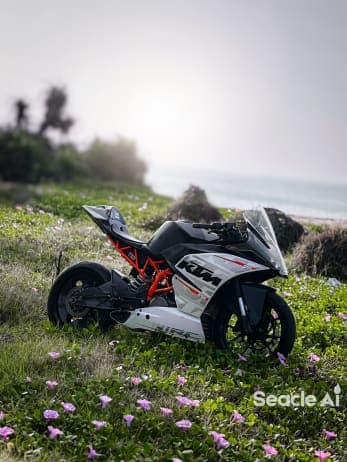

Strong performance in a compact package has kept the KTM RC 390 relevant through 2025 and into 2026. In this guide I explain what the bike is, who it is best for, and where it falls short within realistic riding scenarios. The goal is to give you clear, practical detail so you can decide whether this sport-focused single-cylinder is the right tool for your needs.
Table of Contents
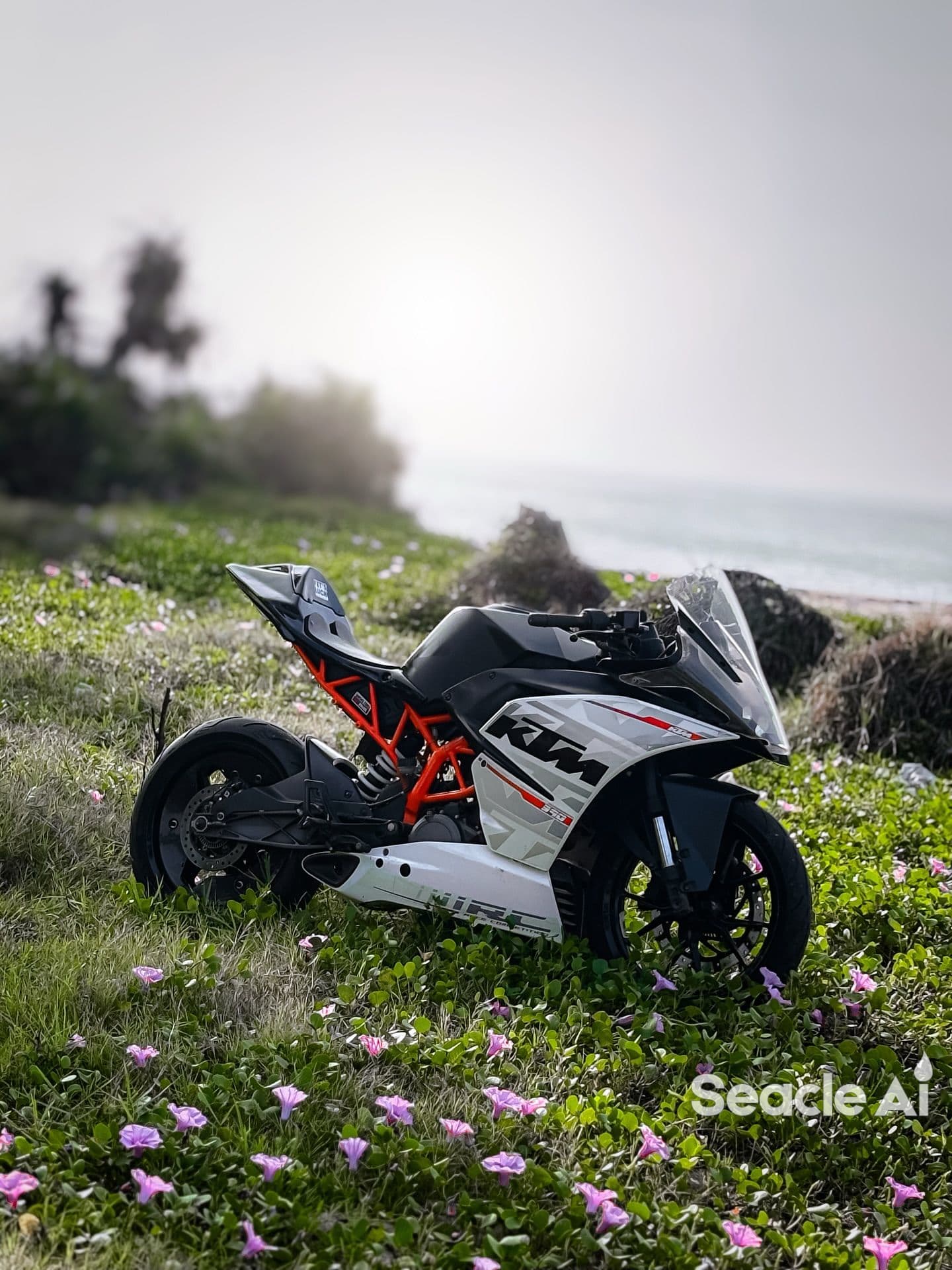
KTM RC 390 – Overview
The RC 390 is a lightweight, sport-oriented motorcycle designed to offer an entry-level to intermediate riding experience with an emphasis on agility and rideable power. Built around a single-cylinder engine and a compact chassis, it targets riders who want a sharp-handling machine for spirited weekend rides, urban commutes with flair, or track-day practice without the complexity and weight of larger sportbikes.
KTM RC 390 Specifications
Below are the practical specifications you will want to know. I separate confirmed factory specs from expected or rumored updates announced in late 2025 and early 2026 so you can tell what to rely on.
Confirmed specifications (as per 2024-2025 factory data)
- Engine type: Single-cylinder, liquid-cooled, four-stroke
- Displacement: 373 cc (commonly quoted as 373.2 cc)
- Power: Around 43.5 bhp at 9,000 rpm (retains established peak power figure in road-legal trim)
- Torque: Approximately 37 Nm at 7,000 rpm
- Top speed: Expect 165-170 km/h in real-world conditions depending on rider weight and gearing
- Fuel economy: Real-world mileage typically ranges 25-30 km/l depending on riding style
- Seat height: About 820 mm (saddle height)
- Transmission: 6-speed gearbox with slipper clutch on recent model years
Expected or rumored updates (as per 2025-2026 reports)
- Minor ECU refinements for smoother low-end throttle response are likely on certain markets.
- Some markets reported availability of an updated ABS mapping and optional connectivity features; these remain market-specific and not globally confirmed.
Practical explanation of the key specs
– Engine and displacement: The single-cylinder layout favors light weight and simple maintenance. Displacement around 373 cc gives a strong midrange for spirited riding without the complexity of twin engines.
– Power and torque: Peak numbers are engineered to deliver usable thrust through the rev range rather than sheer top-speed numbers. That makes the bike lively in town and on twisty roads.
– Transmission: The six-speed gearbox lets you keep the engine in its preferred powerband for acceleration or relaxed cruising. The slipper clutch reduces rear-wheel hop on aggressive downshifts.
Design, ergonomics and minimum height
The RC 390 uses a trellis frame and a sporty riding position. That posture is sportier than a standard commuter bike, but it is not as extreme as full race fairings. The seat is narrow at the tank, which helps reach the ground, and the chassis encourages an active riding style.
- Minimum rider height: With a seat height near 820 mm, most riders around 165 cm (5 ft 5 in) can manage the bike comfortably with both feet touching the ground at least on tip-toe on level surfaces. Shorter riders may prefer aftermarket seat lowering or boots with a thicker sole.
- Weight: Dry weight is competitive in the class, making the bike easy to flick into corners and manage at low speeds.
Engine, power and performance
The RC 390’s single-cylinder engine is the core of its character. It is designed to be lightweight, responsive, and relatively easy to maintain. Think of the power delivery as focused and lively rather than brute force. In practice, that means brisk acceleration up to mid-range and predictable behavior on throttle transitions.
How it feels on the road
- Strong mid-range punch makes accelerating out of corners enjoyable.
- Vibration is present at higher revs but within expected levels for a high-revving single-cylinder.
- Powerband requires a little planning when overtaking at high speeds due to single-cylinder torque characteristics.
Safety, comfort and technology features
The RC 390 balances sport-focused ergonomics with modern electronics that matter for everyday use. Below are the core elements you should evaluate.
- Brakes and ABS: Typically fitted with a single front disc and a single rear disc paired with a two-channel ABS system in most markets. Recent 2025 model updates included improved ABS calibration in some regions.
- Chassis and suspension: Upside-down front fork and a rear monoshock provide firm, controlled handling. Suspension tuning favors precision rather than plush comfort; it rewards aggressive riding but can feel firm on uneven city surfaces.
- Instrumentation and connectivity: Full-color TFT displays are available on later models; features include ride modes in some trims and smartphone connectivity in certain markets as optional equipment.
- Lighting: Full LED lighting package for visibility and a modern look.
- Comfort: The riding position leans sportily forward. For long highway touring, the posture will cause fatigue sooner than on an upright bike. The pillion space is modest and best for occasional use.
Confirmed vs expected specs
It is important to separate factory-confirmed information from market reports or rumors. Confirmed figures come straight from KTM’s technical sheets for 2024-2025 models. Expected or rumored items reflect interviews, supplier leaks, or pattern filings seen in late 2025 and early 2026; those items are labeled below.
Confirmed
- 373 cc single-cylinder engine
- Approx 43.5 bhp and 37 Nm torque (road-ready figures)
- 6-speed gearbox and slipper clutch
- Seat height ~820 mm and lightweight frame
Rumored or expected
- Refined ECU settings for smoother low-end torque (market dependent)
- Optional connectivity packages and revised ABS maps in selected regions
Practical drawbacks and limitations
No machine is perfect for all uses. The RC 390 has several practical trade-offs you should understand before buying.
- Not ideal for long highway touring: The riding posture, limited wind protection, and single-cylinder engine make extended high-speed cruising less comfortable and efficient than a larger-displacement sport-tourer.
- Firm suspension: The sport-biased suspension can feel harsh on pothole-heavy roads or uneven city surfaces. That firmness improves handling but reduces comfort for daily commuting in rough conditions.
- Maintenance costs: Compared with basic commuter bikes, performance-oriented parts and more frequent servicing of a high-revving engine can make running costs slightly higher over time.
- Limited luggage options: Touring requires additional accessories; the stock pillion and space are not designed for heavy loads or multi-day baggage without aftermarket solutions.
- Vibration at high rpm: Expect more vibration at the top end than with multi-cylinder machines; this is normal for the single-cylinder architecture.
To put these trade-offs in perspective: if most of your riding is urban or weekend sport riding on twisty roads, the RC 390 is well aligned with those needs. If you plan frequent long-distance highway trips, heavy touring, or carrying a passenger and luggage regularly, a different chassis layout would serve those use cases better.
Comparison with Kawasaki Ninja 400
Below is a focused side-by-side comparison to highlight how the RC 390 stacks up against a common competitor. The goal is to show practical differences so you can decide which aligns with your riding style.
| Category | KTM RC 390 | Kawasaki Ninja 400 |
|---|---|---|
| Engine and layout | Single-cylinder, 373 cc; lightweight, high-revving character | Twin-cylinder, ~399 cc; smoother at high rpm and stronger high-speed stability |
| Torque and top speed | ~37 Nm torque; real-world top speed ~165-170 km/h | Higher torque spread; slightly higher top speed in many conditions |
| Mileage | Typically 25-30 km/l in mixed riding | Similar or slightly lower economy at high speeds due to twin-cylinder characteristics |
| Key features | Sharp chassis, slipper clutch, recent TFT options, LED lighting | Smoother twin feel, often more relaxed ergonomics, available electronics package depending on trim |
| Price range | Generally positioned as the more affordable sportbike in its segment | Typically priced slightly higher due to larger displacement and twin-cylinder hardware |
| Which rider should choose | Riders wanting a lightweight, nimble sport machine for twisty roads and track practice | Riders seeking smoother power delivery, more comfortable highway stability, and less vibration |
| Tank capacity | Approximately 9-13 liters depending on market/spec (compact tank design) | Generally larger tank capacity leading to marginally better touring range |
| Braking systems | Single disc front with two-channel ABS; calibrated for sporty feel | Often similar hardware with slightly different ABS and brake sizing; varies by model year |
This table highlights practical differences: the RC 390 favors a lighter, more agile setup and a punchy single-cylinder feel. The competitor offers smoother twin-cylinder refinement and often stronger high-speed stability. Your choice should hinge on whether low weight and agility or smoother high-speed comfort matter more to you.
Frequently Asked Questions
What is the minimum height required to ride the bike?
With a seat height around 820 mm, most riders above 165 cm will find the foot-to-ground reach manageable. Shorter riders should try the bike in person or consider seat adjustments before buying.
Is this bike suitable for beginner riders?
Yes, many beginners choose this bike because of its manageable power and light weight, but it remains a sportbike that rewards active input. Rider training is recommended; power delivery is brisk and requires respect.
How often does it need servicing?
Service intervals vary by market and riding style. Expect frequent oil and valve inspections compared to low-displacement commuter bikes, especially if you ride aggressively or use the bike on track days.
Can I use this bike for long-distance touring?
You can, but expect compromises: the seating posture, wind protection, and small tank capacity make long highway runs less comfortable. Consider luggage solutions and wind protection upgrades if touring is a regular plan.
Conclusion
The RC 390 is a compact sport machine that delivers lightness, sharp handling, and engaging midrange performance. It is best for riders who prioritize agility, occasional track use, and a machine that makes cornering simple and fun. You get a modern feature set in recent models, including improved ABS, TFT instruments in certain trims, and slipper clutch technology that benefits aggressive riding.
At the same time, be realistic about limitations: the bike is not ideal for long highway touring, heavy luggage, or riders who need minimal vibration and maximum top-end refinement. Suspension tuning tends to favor precision over plush comfort, and maintenance costs are higher than basic commuters. Think of the bike as rewarding the rider who enjoys active cornering and short to medium-distance rides rather than long-haul touring or carrying heavy loads.
If your priorities match agility, a lively single-cylinder character, and light weight, the RC 390 remains a compelling choice in 2026. If you anticipate frequent highway miles or two-up touring with luggage, consider alternatives with a larger displacement or a more relaxed riding position. In the end, match the machine to the mission, and you will get the most from it — much like reading faint ripples in a field that tell you where the best flow will be.
KTM RC 390