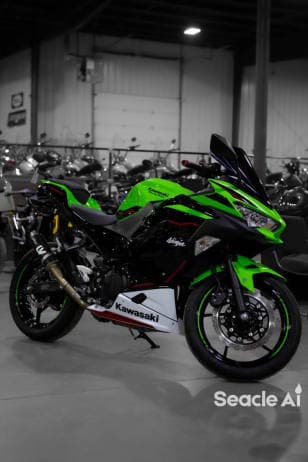

Fast, light and approachable sums up the opening idea for many riders drawn to a modern sports machine designed for everyday use. In this guide you will find a clear, practical look at the Kawasaki Ninja 400 within the first 100 words to help you decide whether it matches your riding needs and expectations.
Table of Contents
- What the Kawasaki Ninja 400 is and who it’s for
- Confirmed specifications
- Kawasaki Ninja 400 – Engine and power
- Kawasaki Ninja 400 – Performance figures
- Safety, comfort, and technology
- Practical limitations and a realistic drawback
- Comparison with the Yamaha YZF-R3
- Confirmed specs versus expected or rumored updates
- Frequently Asked Questions
- Conclusion
What the Kawasaki Ninja 400 is and who it’s for
The Kawasaki Ninja 400 is a small-displacement sport motorcycle built to combine everyday usability with sporty ergonomics. It is aimed at new riders who want a bike that feels confidence-inspiring, as well as experienced riders who want a lightweight, nimble machine for tight roads or city commuting.
Think of it like rediscovering an old family kitchen trick: the core ingredients are simple, but when combined properly they create a machine that can be surprisingly versatile. The Ninja 400 is not a heavy tourer, off-road machine, or an outright superbike. Its sweet spot is urban use, technical country roads, and occasional track days where its low weight and predictable handling are assets.
Confirmed specifications
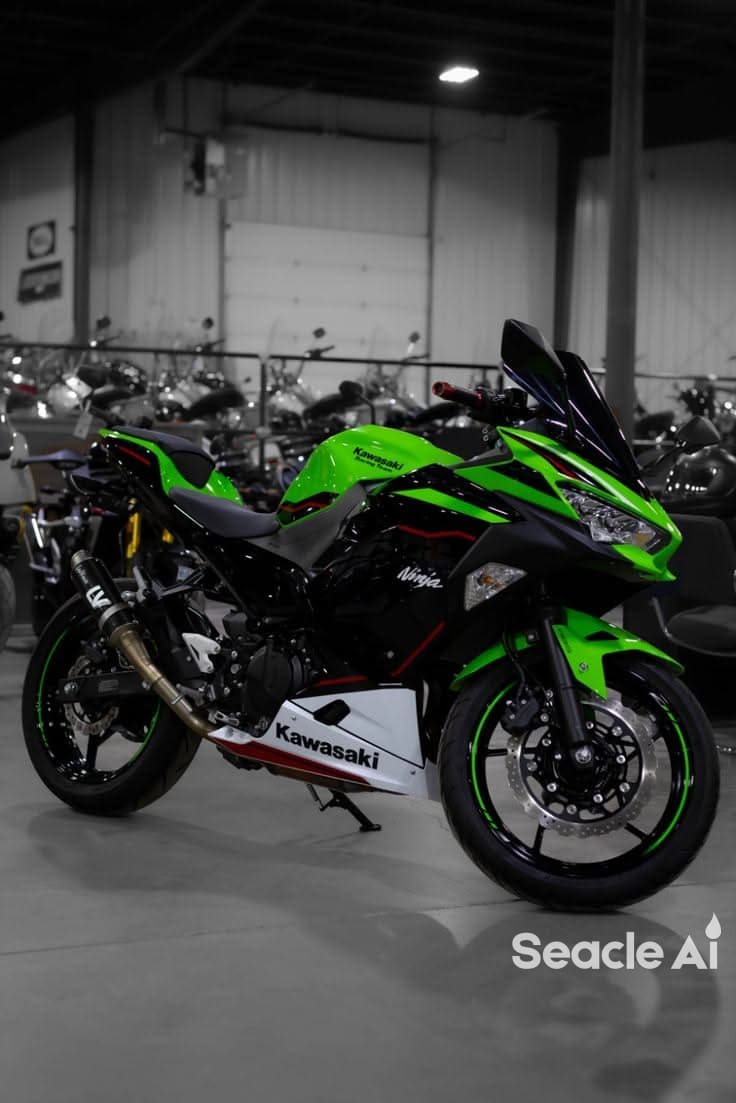
Below are the core, confirmed specifications most riders look for. These are manufacturer-claimed or widely confirmed by reputable sources and workshop manuals.
- Engine type: Liquid-cooled, parallel twin
- Displacement: 399 cc
- Valvetrain: DOHC, 8 valves (two per cylinder) — typical layout for this engine class
- Transmission: 6-speed gearbox
- Seat height: about 785 mm (measured at the factory seat)
- Dry/curb weight: roughly 168–172 kg depending on market and equipment
- Fuel tank capacity: around 14 litres
- Brakes: single front disc / single rear disc with ABS available on most trims
Kawasaki Ninja 400 – Engine and power
The engine is the central reason many choose this machine. The parallel twin gives a compact package with strong low- and mid-range torque for city riding and easy overtakes on two-lane roads. The 6-speed transmission makes highway cruising practical in the top gear.
- Peak power: typically around 48–49 PS (manufacturer claims vary slightly by market and year)
- Torque: commonly reported in the high 30s Nm range, delivered at mid rpm for usable acceleration
Kawasaki Ninja 400 – Performance figures
Performance figures depend on tuning, exhaust, and local restrictions. As a practical reference:
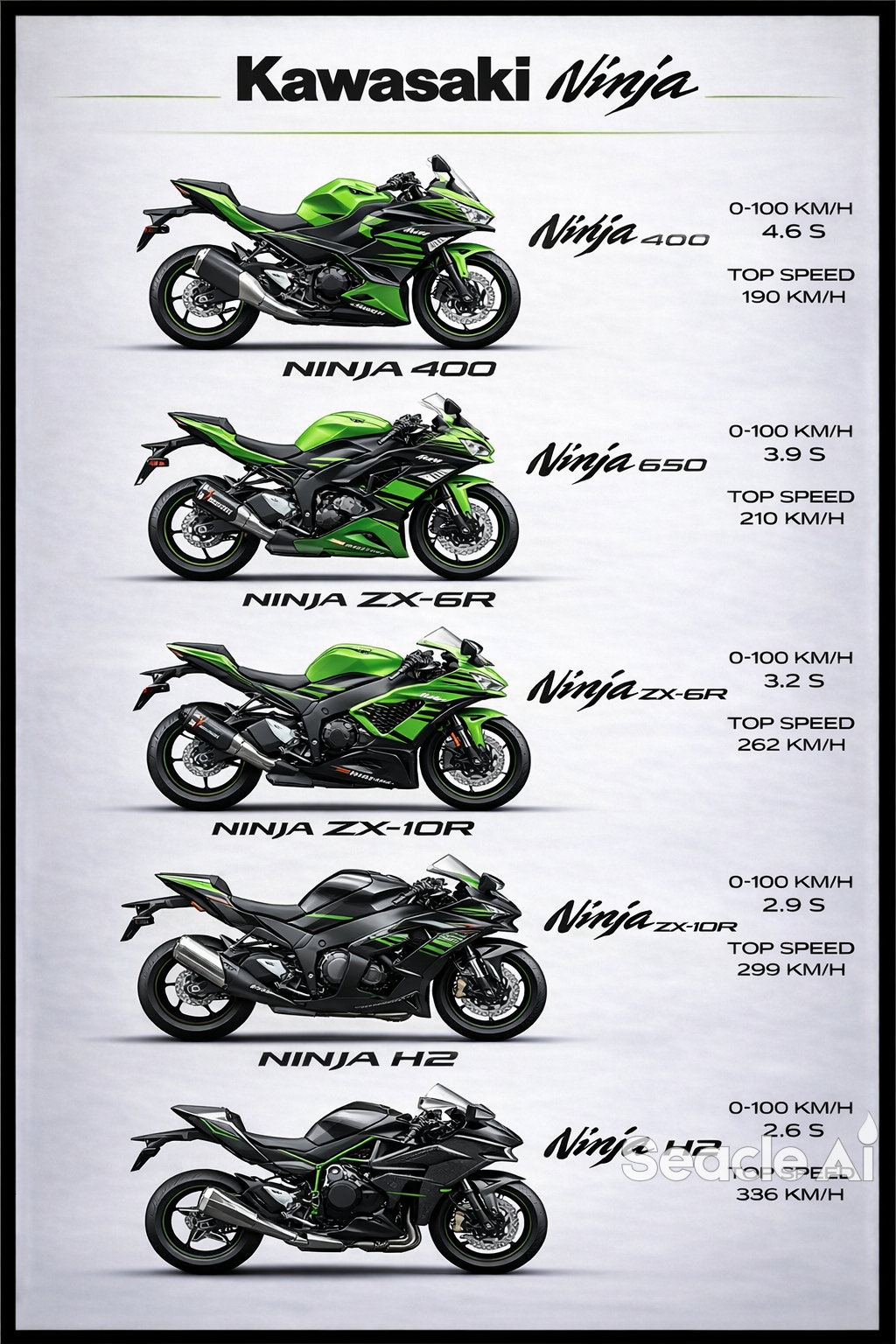
- Top speed: approximately 170–180 km/h in typical trim
- Real-world mileage: in mixed riding most riders see roughly 20–25 km per litre; steady highway cruise can be higher
- 0–100 km/h: mid-5 to low-6 second range depending on rider and conditions
Safety, comfort, and technology
The Ninja 400 balances features that matter in everyday use without piling on expensive electronic systems. It keeps what helps most riders and omits items that would add cost and complexity for limited real-world benefit.
Safety features
- ABS: dual-channel ABS is standard or available depending on market — it is a key safety addition for less experienced riders.
- Brakes: a responsive front disc with a well-graded lever feel; rear disc for predictable stopping.
- Lighting: full LED lighting on most recent trims improves visibility.
Comfort and ergonomics
- Riding position: sporty but not extreme; slightly forward with enough support for daily commuting and short touring.
- Seat: narrow at the front, which helps many riders put their feet down comfortably; long rides can become firm for some riders.
- Wind protection: modest; the fairing helps at moderate speeds but it is not a full touring screen.
Technology and convenience
- Instruments: clear digital cluster with fuel, gear indicator, and trip meters.
- Connectivity: most versions do not include phone integration by default; aftermarket kits or higher trims may offer more.
- Clutch: a smooth multi-plate wet clutch; some model years include an assist-and-slipper setup which reduces lever effort and wheel hop during aggressive downshifts.
Practical limitations and a realistic drawback
No motorcycle is perfect for every task. The Kawasaki Ninja 400 shines in many everyday scenarios but has clear limits. One notable limitation is long-distance highway touring comfort. The seat and wind protection are adequate for short-to-medium rides, but multi-day, high-mileage touring will quickly expose the need for a taller windscreen, a more cushioned seat, and luggage solutions.
Another realistic drawback concerns suspension tuning. The stock setup prioritizes agility and lightness, which can feel firm on rough surfaces. Riders who plan frequent two-up riding or heavy luggage may find the rear preload and damping need upgrading to preserve stability and comfort. This is a standard trade-off: nimble handling versus plush long-distance comfort.
Comparison with the Yamaha YZF-R3
A direct comparison helps place the Ninja 400 in perspective. The Yamaha YZF-R3 is the most common alternative in the small sportbike space. Below is a focused comparison on the items most riders ask about.
| Item | Kawasaki Ninja 400 | Yamaha YZF-R3 |
|---|---|---|
| Engine and overall performance | 399 cc parallel twin, stronger mid-range and higher claimed peak power for brisk acceleration. | 321 cc parallel twin, slightly less peak power but lighter; still quick and very usable. |
| Torque, top speed, and mileage | Torque in the high 30s Nm; top speed around 170–180 km/h; real-world mileage ~20–25 km/l. | Torque lower, typically high 20s to low 30s Nm; top speed near 160–170 km/h; similar or slightly better mileage in conservative riding. |
| Key features | 6-speed, good low-end torque, assist-and-slipper clutch in some trims, clear digital dash. | 6-speed, refined chassis, compact ergonomics; modern models may include traction control in some markets. |
| Price range (typical) | Generally positioned slightly above the R3 in many markets due to larger displacement and perceived performance. Exact prices vary by 2025/26 market. | Often priced a bit lower; presents strong value for riders prioritizing lightness and handling. |
| Which user should choose which | Choose the Ninja 400 if you want more outright power, stronger mid-range, and easier highway work. | Choose the R3 if you favor a lighter, more nimble bike for tight traffic and economical running costs. |
| Tank capacity | About 14 litres. | About 14 litres (similar practical range). |
| Braking systems and safety features | Responsive front disc, rear disc; ABS available/standard depending on market. | Front and rear disc; ABS and rider aids vary by year and market. |
Head-to-head notes
- If you want stronger passing power and a more stable feel at highway speeds, the Ninja 400 will often be the better choice.
- If you prioritize a lighter feel, tighter handling around city corners, and sometimes a lower price, the R3 is worth considering.
- Both have similar fuel tank sizes; real-world range will depend on riding style and traffic conditions.
Confirmed specs versus expected or rumored updates
When looking at 2025 and 2026 model years, many updates manufacturers make are iterative: new color schemes, emissions compliance, or small electronic tweaks. Below I separate what you can count on from what has appeared as expected or rumored in various reports.
Confirmed
- Core engine architecture: 399 cc parallel twin remains the backbone of the model line.
- 6-speed transmission and seat height in the mid 780 mm range are consistent across trims.
- ABS is standard or widely available in most markets because of safety regulations.
Expected or rumored (as per reports)
- Minor facelift elements, such as revised fairing graphics or slightly updated instrument clusters, are often included in mid-cycle updates — these items are likely but not guaranteed.
- Market-specific variants with different accessory packages or assist-and-slipper clutch as standard are possible in 2025–2026; these remain expected unless announced by Kawasaki directly.
- Any headline performance leaps (major power increases or major electronic suites) are rumored items until Kawasaki publishes official specifications.
Frequently Asked Questions
What is the minimum height to ride the Kawasaki Ninja 400?
A practical minimum rider height to handle the bike confidently is about 160–165 cm (roughly 5 feet 3 inches to 5 feet 5 inches), depending on inseam length and personal reach. The seat height is around 785 mm, and many shorter riders find the narrow seat profile helpful for putting feet down at stops.
Is the Kawasaki Ninja 400 suitable for long-distance touring?
It is usable for medium-distance trips, but long-distance touring will expose limits in wind protection and seat comfort. If you plan regular long two-up trips, consider windscreen and seat upgrades and check suspension setup for heavier loads.
How often does the Ninja 400 need servicing?
Service intervals vary by market and riding conditions. Typical periodic maintenance includes oil and filter changes every few thousand kilometers and valve checks around intervals specified by Kawasaki (consult your owner manual). Costs are modest compared with larger-displacement sportbikes, but do budget for routine chain, tyre, and brake servicing.
Can the Ninja 400 be used off-road?
No. It is not designed for off-road use. The suspension, tyres, frame, and ergonomics are built for pavement. Using it off-road risks damage and poor performance.
Conclusion
The Kawasaki Ninja 400 is a strong choice for riders who want a compact sports bike that is friendly in traffic, capable on twisty roads, and practical for everyday life. Its strengths are the usable mid-range torque, manageable weight, and a straightforward feature set that focuses on what matters most for real-world riding. It is not ideal for long-distance touring without modifications, nor is it suitable for off-road use. Suspension and seat comfort are trade-offs in favor of agility, and those who plan to carry heavy luggage or ride two-up often need to make adjustments.
If you picture your riding life as a tried-and-true recipe handed down in a drawer — simple, reliable, and effective — this bike is that kind of tool. It gives a clear set of capabilities without layers of excessive technology, and for many riders that clarity is a practical advantage.
Final takeaway: evaluate your main use case. If you want a light, lively sports machine that makes everyday riding engaging and does occasional spirited rides well, the Kawasaki Ninja 400 remains one of the best-balanced options in its class. If your priority is long-haul comfort, heavy loads, or serious off-road ability, this model is not the right fit without significant modification.