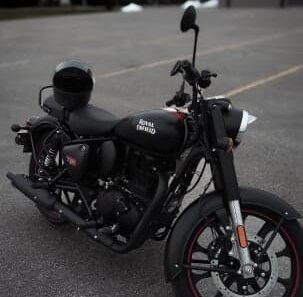

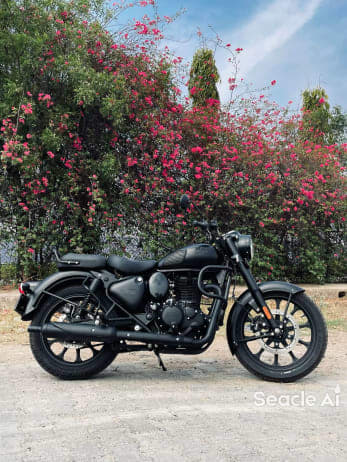

Statement: The Royal Enfield Classic 350 is a motorcycle built for relaxed road presence and everyday usability, not for chasing lap times. In the first 100 words of this piece you will find a clear, no-nonsense look at the Royal Enfield Classic 350, its confirmed specs, where it performs well, and where it shows limits.
Table of Contents
- Royal Enfield Classic 350: What type of bike is it?
- Confirmed specifications
- Expected or rumored details
- Safety, comfort and technology features
- Minimum height to ride Royal Enfield Classic 350
- Real-world limitations and drawbacks
- Comparison with Bajaj Pulsar 350
- Frequently Asked Questions
- Conclusion
Royal Enfield Classic 350: What type of bike is it?
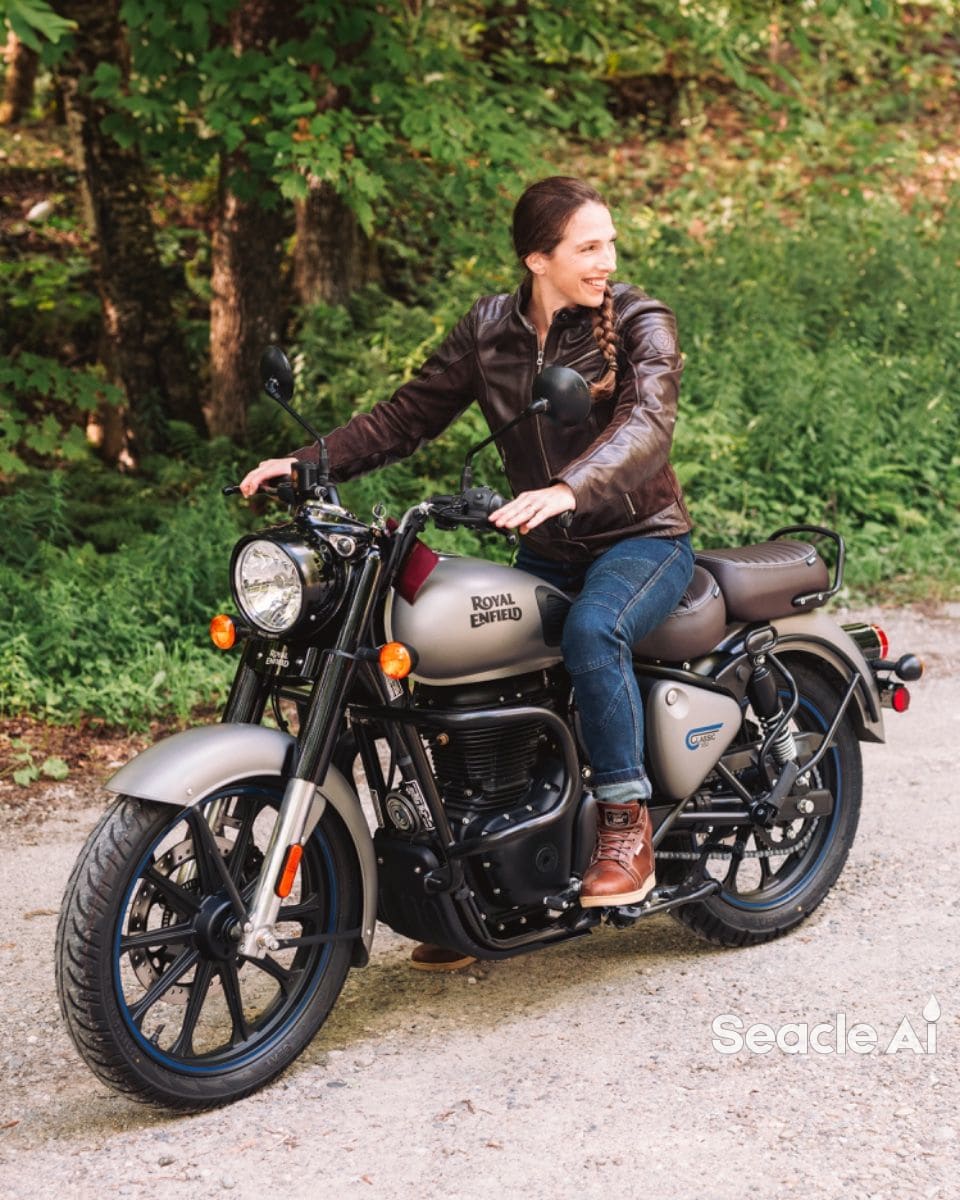
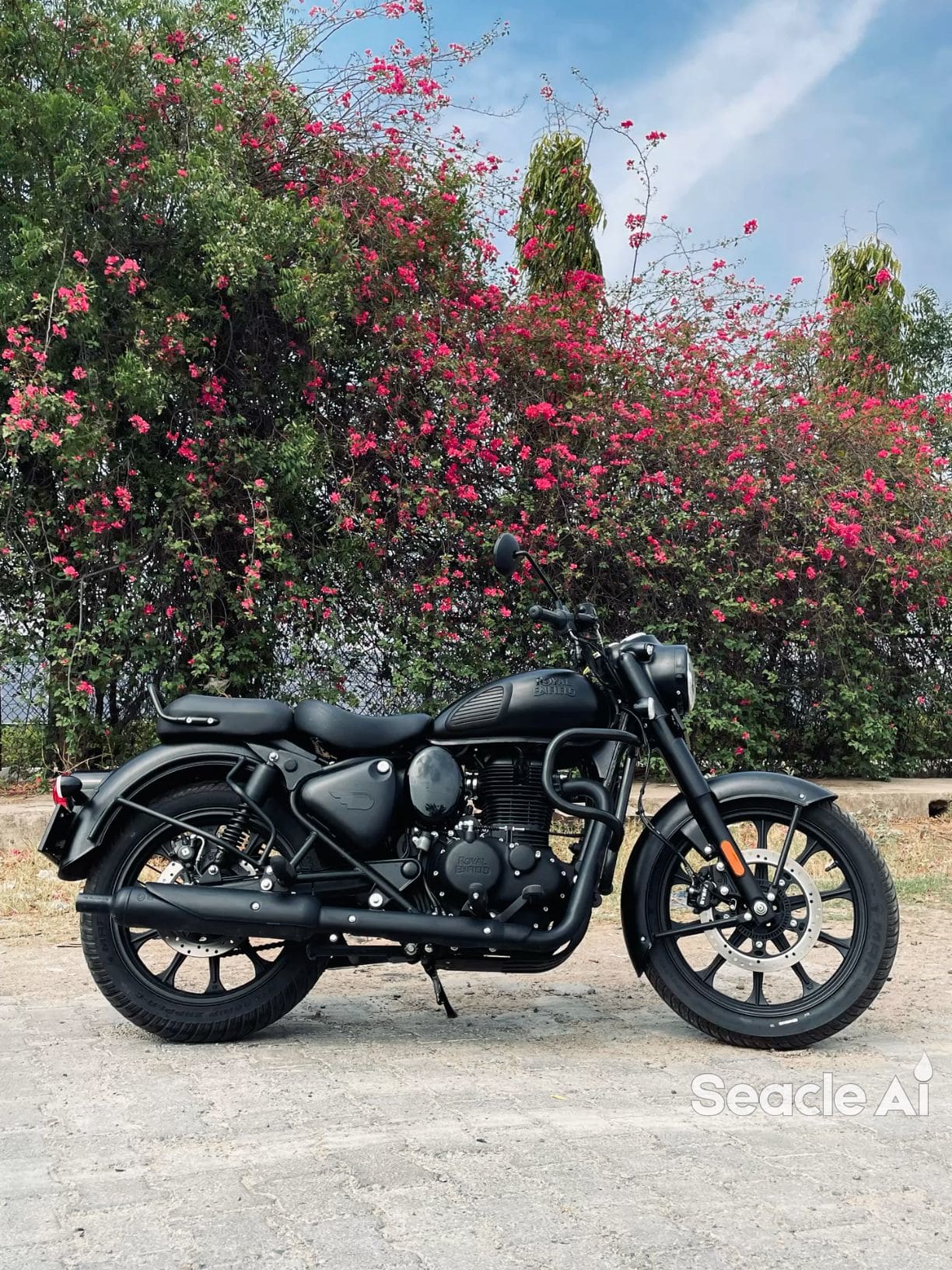
The Classic 350 is a mid-displacement, single-cylinder road motorcycle with a clear nod to vintage styling. It is designed for riders who value low-rpm torque, a relaxed seating position, and a strong visual identity over outright sport performance. Think of it as a modern take on a traditional cruiser-style commuter that prioritizes presence and comfort on city streets and country roads.
If you picture how small waves can combine into a larger pattern long after the pebble drops, that image helps explain the Classic 350’s appeal: subtle design cues and familiar engine character that continue to resonate with owners over years of riding.
Confirmed specifications
Below are the details backed by manufacturer specifications and widely reported measurements as of late 2025. These are items you can treat as confirmed unless the company officially updates them.
- Engine: 349 cc, single-cylinder, 4-stroke, SOHC, air and oil cooled with electronic fuel injection.
- Power: Around 20.2 PS (metric horsepower) at the rated rpm (manufacturer figure).
- Torque: Approximately 27 Nm at mid-range rpm, tuned for pull at lower engine speeds.
- Top speed: Typical claimed top speed in the range of 110–120 km/h under normal load and conditions.
- Transmission: 5-speed gearbox with a slip-and-assist clutch on later updates.
- Seat height: About 805 mm from the ground (standard measurement).
- Kerb weight: Roughly 195 kg depending on variant and fitments.
- Fuel tank: Manufacturer figure usually quoted around 13 litres (usable capacity varies slightly by model year).
- Brakes: Front disc and rear disc with dual-channel ABS as standard on most markets.
- Suspension: Telescopic fork at the front and twin shock absorbers at the rear, tuned for comfort over moderate road surfaces.
Engine and drivetrain (confirmed)
The 349 cc single delivers predictable pull in the 2,000–4,500 rpm band, which makes the Classic 350 easy to ride in traffic and on rolling roads. Power delivery favors tractable torque rather than peak output, so overtakes are managed by downshifts rather than piling on rpm.
Fuel economy and real range (confirmed)
Manufacturer economy claims are modest; real-world figures typically fall in the 35–45 km per litre window depending on riding style and conditions. With the stated tank size, expect a practical range of 350–450 km between fills in mixed riding.
Expected or rumored details
For 2025 into 2026, reports and industry sources have suggested minor updates to trim, electronics, and accessory options. These are not final until the manufacturer confirms them, so treat the points below as likely but subject to change.
- Accessory packs: New accessory kits for luggage and rider comfort have been rumored, aimed at buyers wanting simple touring setups.
- Cosmetic variants: New paint and finish packages were expected in some markets for 2026 model runs.
- Electronics: Improved trip computer readouts and optional navigation mounts have been mentioned in dealer notes; these are likely enhancements rather than platform changes.
Safety, comfort and technology features
The Classic 350 keeps technology deliberately simple. That is part of its design brief: to retain an analog feel while offering modern safety basics. The bike gives you what most buyers in this segment want, without an overload of electronics.
Safety features
- ABS: Dual-channel ABS is standard on most versions, giving consistent braking control on dry and wet surfaces.
- Disc brakes: Disc setup at both ends for predictable stopping power.
- Lighting: Halogen or LED headlamp options depending on variant; tail and indicator lights tend to be modern with good visibility.
Comfort and ergonomics
- Seating: A broad, cushioned single-piece saddle for two with a slightly reclined posture that reduces fatigue on medium-length rides.
- Footpegs and handlebar: Positioned for a natural reach; the geometry favors relaxed rides rather than sport crouch.
- Suspension setup: Tuned to absorb urban potholes and country lane imperfections; some firmness remains under load to avoid bottoming out.
Technology
- Instrumentation: A clear analogue-digital cluster with speedometer, odometer, trip meters and fuel gauge. Some variants offer Bluetooth pairing for calls and navigation prompts.
- Start/stop: No widespread implementation of automatic engine stop-start; the platform retains a conventional ignition system for consistent response.
What is the minimum height to ride Royal Enfield Classic 350
A metric often asked by new riders is the minimum height needed to ride comfortably and safely. The Classic 350 has a seat height of about 805 mm, which means most riders with an average inseam will be able to plant at least one foot on the ground.
Practical minimum height: For confident control, a rider height of roughly 160 cm (5 ft 3 in) is a reasonable minimum. Riders shorter than this can still ride the Classic 350, but may need to adjust technique, consider alternative footwear, or install seat/peg adjustments. Test rides are recommended before purchase to confirm personal comfort and confidence.
Real-world limitations and drawbacks
Straightforward design brings trade-offs. Below are honest limitations you should weigh against the strengths.
- Not ideal for high-speed touring: The engine and chassis are tuned for low- to mid-speed comfort. Sustained highway runs at high speeds push the engine and yield higher fuel consumption and vibration. If you plan lots of long, high-speed touring, look carefully at alternatives or touring-specific setups.
- Ride weight: At near 195 kg kerb weight, the bike feels substantial when maneuvering at low speed, especially with luggage or a pillion onboard.
- Suspension trade-off: Prioritizes comfort on regular roads; on very rough terrain or aggressive cornering the twin shocks show their limits compared with modern monoshock setups.
- Maintenance: Service intervals are reasonable but some owners report slightly higher periodic maintenance costs compared with very basic commuter bikes. That is partly due to parts and the bike’s premium positioning in its segment.
- Average mileage: Expect mid-30s to low-40s kmpl in mixed riding; mileage-focused buyers looking for high figures should consider lighter, more economy-optimized machines.
Comparison with Bajaj Pulsar 350
Below is a focused side-by-side look at how the Classic 350 stacks up against the Bajaj Pulsar 350 across the specific points you asked for. The goal: give clear contrasts so a buyer can match machine to use case.
| Item | Royal Enfield Classic 350 | Bajaj Pulsar 350 |
|---|---|---|
| Engine and overall performance | 349 cc single, low-end torque focus, relaxed throttle map for city and rural roads. | 349 cc single, generally tuned for higher rev-range response and sharper acceleration in many trims. |
| Torque, top speed, mileage | ~27 Nm torque, top speed around 110–120 km/h, real-world mileage 35–45 kmpl. | Torque and top speed can be slightly higher depending on tuning; expected comparable mileage but often a touch better under brisk riding. |
| Key features | Classic styling, comfortable upright ergonomics, analogue-digital cluster, dual-channel ABS. | Sportier ergonomics, modern frame dynamics, feature-rich instrument cluster in some trims, dual-channel ABS on many models. |
| Price range | Positioned as a mid-premium offering; pricing varies by market and variant. Check local dealers for latest figures. | Often positioned competitively with performance-oriented features; price can be close to or slightly below Classic depending on region. |
| Which user should choose which | Choose Classic 350 if you want character, a relaxed ride and a traditional look. | Choose Pulsar 350 if you prefer sharper performance, slightly sportier handling and more modern ergonomics. |
| Tank capacity | About 13 litres (manufacturer figure). | Typically around 12 litres; confirm with the specific Pulsar model and year. |
| Braking systems and safety | Front and rear discs with dual-channel ABS standard on most variants. | Also commonly equipped with dual-channel ABS and strong disc brakes; some trims may offer additional safety aids or frame design advantages for handling. |
Note: Pulsar 350 figures may vary by region and model year. The comparison focuses on general tendencies rather than a single model variant.
Frequently Asked Questions
Is the Classic 350 good for daily commuting?
Yes. The Classic 350 is well suited to daily commuting if you value comfort, a relaxed riding position and low-end torque. Expect manageable fuel economy in mixed traffic; the bike’s weight and size mean tight, low-speed maneuvering takes some practice.
Can two people tour on a Classic 350?
Short to medium-length rides with a pillion are common. For long-distance touring with luggage, the bike will do the job but you should plan shorter daily stages and consider suspension and luggage upgrades to improve comfort and load handling.
How often does the Classic 350 need servicing?
Service intervals vary by market and usage, but routine checks every 5,000–7,500 km are common. Follow the manufacturer schedule in the owner manual for oil, valve and drive checks.
Is the Classic 350 a good first bike?
It can be, for riders who are comfortable with a heavier bike and want a steady, low-revving power delivery. Newer riders should practice low-speed control first, as the weight changes handling feel compared with light commuter bikes.
Conclusion
The Royal Enfield Classic 350 is straightforward to understand: it trades peak speed and sport handling for a strong low-end personality, classic styling and comfortable ergonomics. Its strengths are presence, ease of use in common riding situations, and a riding character that many owners grow attached to. Real-world limitations include a heavier kerb weight, moderate fuel economy in spirited use, and suspension that favors comfort over aggressive handling.
If your priority is relaxed road feel, city comfort and a machine with clear styling, the Classic 350 will likely meet your needs. If you want frequent high-speed touring, fast cornering or the lightest possible bike for commuting, it may not be the best fit without aftermarket changes.
Finally, think of ownership as a long-term conversation with the motorcycle: small details—service schedule, tyre choice, luggage setup—shape daily experience, like faint ripples that quietly influence a larger pattern over time. Test ride one, compare it directly with alternatives, and be honest about your typical use. That will give you the clearest answer.