
Quick statement: This article lays out what the Yamaha MT-15 is, who should consider it, and what it is not suited for, using 2025 data where available. I’ll keep the language direct and avoid fluff so you can judge the bike on facts and real use.
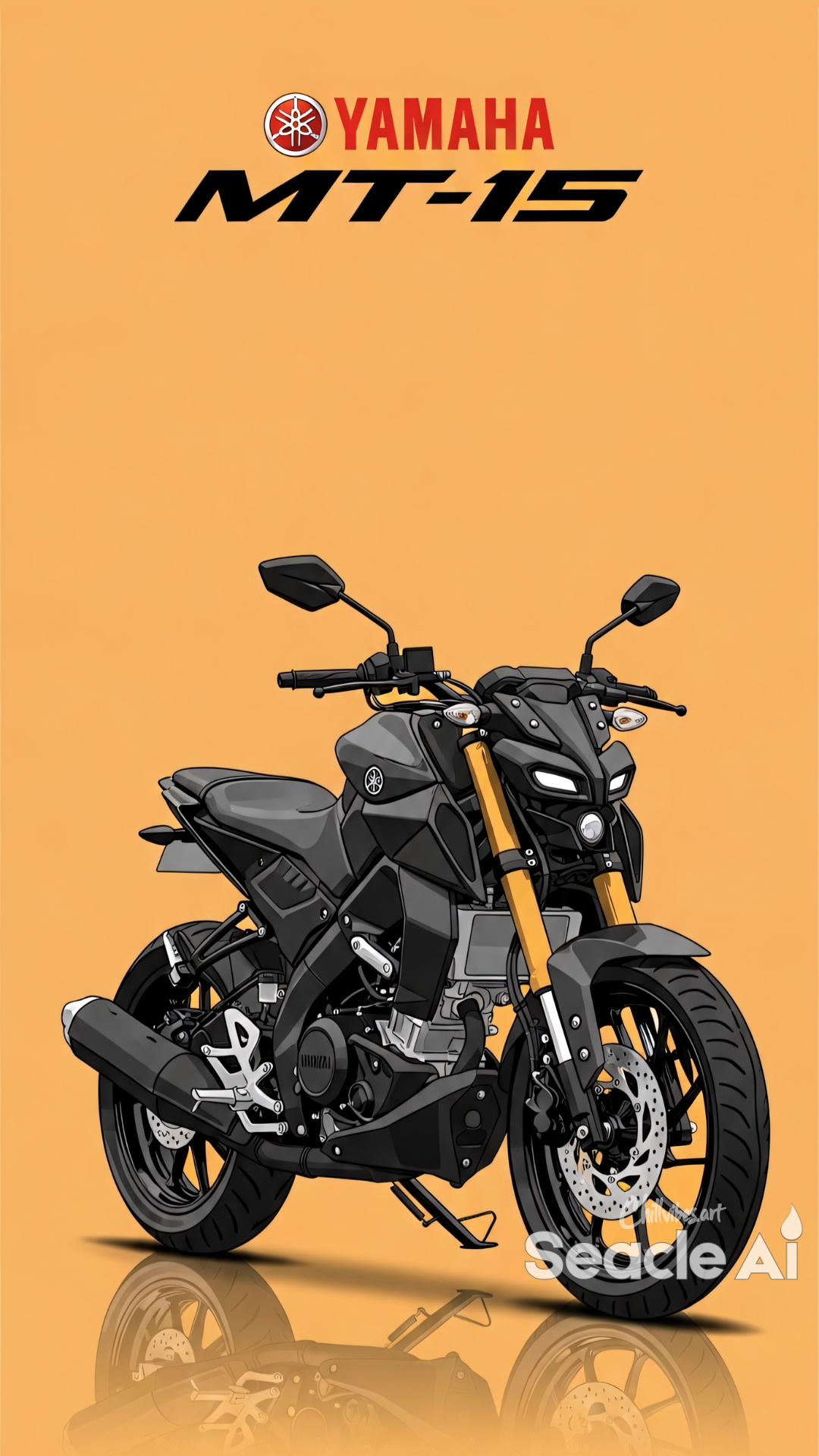
Table of Contents
- Yamaha MT-15 Overview
- Who is the Yamaha MT-15 for
- Yamaha MT-15 Specifications
- Minimum height to ride the Yamaha MT-15
- Safety, comfort and technology
- Limitations and realistic drawbacks
- Comparison with TVS Apache RTR 160 4V
- Frequently Asked Questions
- Conclusion
Yamaha MT-15 Overview
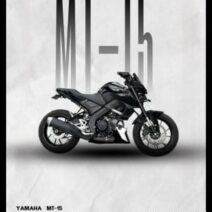
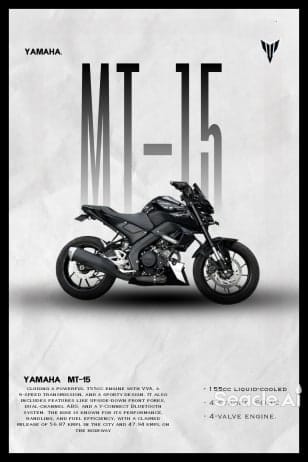
Start with a simple classification: this is a compact naked motorcycle built around a 150cc-class sport-tuned single-cylinder engine. The design philosophy is short, light, and responsive — aimed at riders who want sporty feel in a package that is usable every day. The bike favors quick direction changes, an upright riding posture, and a compact wheelbase that makes urban traffic easier to manage than a full-size sportbike.
Who is the Yamaha MT-15 for
This bike suits a specific rider profile:
- Commuters who want a sportier feel than a commuter scooter or standard commuter bike.
- Young riders stepping up from 125cc machines and wanting a peppy single-cylinder engine without the weight of larger bikes.
- Riders who value agile handling on twisty roads and city lanes over outright top-speed or heavy carrying capacity.
A clear use-case to avoid: the MT-15 is not the right choice for riders who need a long-distance tourer or a heavy payload carrier. Its setup and ergonomics are optimized for shorter to medium length rides and nimble handling rather than extended highway blasts with luggage.
Yamaha MT-15 Specifications
Below I list the confirmed specifications, followed by expected or market-specific notes. Figures reflect official Yamaha releases and widely reported measurements as of 2025; where details vary by market I note that explicitly.
Engine
- Type: Single-cylinder, liquid-cooled, SOHC with variable valve actuation in many markets.
- Displacement: 155 cc (common configuration).
- Fuel system: Fuel injection.
Power and Torque
- Peak power: Around 17.7 to 18.6 PS depending on market tuning and model year; typical reporting for 2025 models sits close to 18.0 PS at high rpm.
- Peak torque: Roughly 14.1 to 14.7 Nm, available in the mid to upper rpm range, which gives a brisk feel in city and canyon-style riding.
Top speed and mileage
- Top speed: Expect a real-world top speed in the 125–135 km/h range on a flat road with a competent rider and minimal wind resistance.
- Fuel efficiency: Real-world fuel consumption commonly recorded between 35–45 km/l depending on traffic, riding style, and region-specific gearing. Exact numbers vary by riding conditions.
Height and transmission
- Seat height: About 810 mm (31.9 inches) in standard trim.
- Transmission: 6-speed manual gearbox with a slipper clutch on some versions for smoother downshifts and better control.
Weight and tank capacity
- Kerb weight: Approximately 140–145 kg, depending on model and market specifications.
- Fuel tank: Around 10–10.4 liters in most markets; refer to local spec sheets for exact figures.
Minimum height to ride the Yamaha MT-15
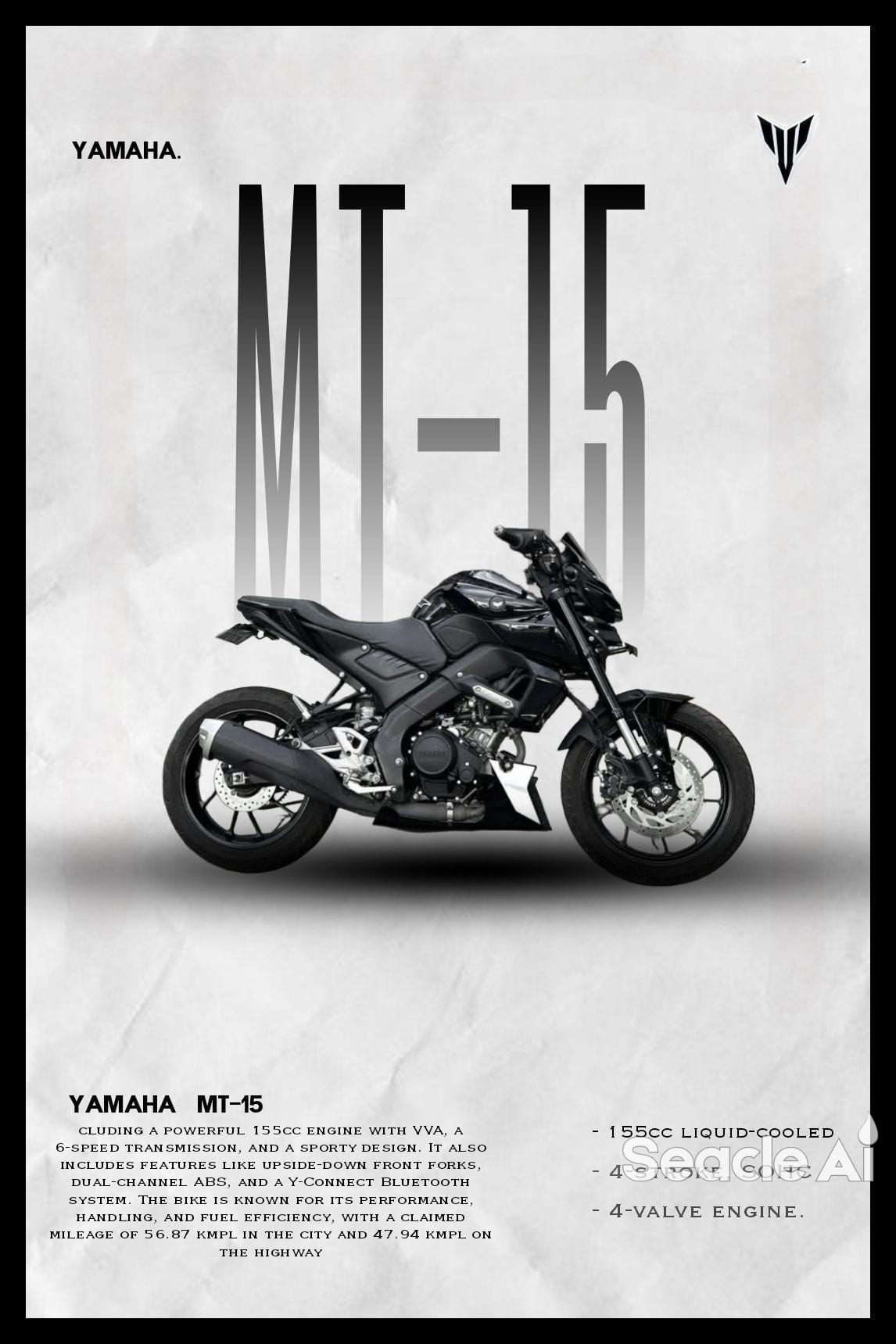
Because the seat height is near 810 mm, riders with a shorter inseam will find flat-footed stability limited. A practical recommendation for a minimum rider height is about 160 cm (5’3″) for reasonable reach to the ground and confident handling at stops. Taller riders will find the ergonomics more comfortable. If you are under the suggested height, test the bike in person and consider options like lower seat pads or riding shoes with a firmer sole before deciding.
Safety, comfort and technology
Brakes and suspension
- Front brake: Single disc, typically 282 mm with a two-piston caliper on many markets.
- Rear brake: Single disc or drum depending on regional trims; most modern MT-15s offer a rear disc.
- ABS: Single-channel ABS is common; dual-channel ABS may be available in higher trims or certain regions. Check the spec sheet for your market year.
- Front suspension: Upside-down telescopic fork on many variants for firmer handling feel.
- Rear suspension: Linked monoshock with preload adjustment in several trims for a balance between comfort and control.
Comfort and ergonomics
- Riding position: Upright but slightly forward-leaning, designed for control rather than long-distance comfort.
- Seat: Narrow front for easy reach, stepped profile for light pillion support.
- Vibration: Reasonable for class; high-rpm riding can introduce more vibration common to small-displacement singles.
Electronics and instruments
- Instrument cluster: Full digital LCD in most models showing gear position, fuel, trip, and clock.
- Lighting: LED headlight and tail light in many 2025 trims for better night visibility.
- Additional features: Slipper clutch, quick-shifter (rare in base trims), smartphone connectivity via optional modules in selected markets.
Limitations and realistic drawbacks
No motorcycle is perfect for every use. Here are clear trade-offs to keep in mind before choosing this bike.
- Not ideal for long highway touring: The seat and ergonomics favor shorter rides. Wind protection is minimal, and the small tank and upright posture make extended high-speed runs tiring.
- Limited luggage capability: The compact frame and small tank limit how much you can carry without aftermarket racks or top boxes.
- Suspension trade-offs: The sport-oriented suspension offers sharper handling but can feel firm over broken pavement, especially when carrying a pillion and luggage.
- Service and running costs: Maintenance schedules are standard for this class, but servicing costs vary by region and dealer network. Expect routine intervals for oil, valve checks, and chain maintenance.
These are practical issues rather than faults. If you ride mainly in the city or on short spirited outings, the bike works well. If your regular use includes long tours or carrying heavy loads, consider a different platform designed for those tasks.
Comparison with TVS Apache RTR 160 4V
Below is a straightforward, side-by-side look across the core areas readers usually ask about. Figures are drawn from manufacturer specs and reliable market reports as of 2025; local trims and 2026 updates may shift numbers slightly.
| Feature | MT-15 (typical 2025 spec) | TVS Apache RTR 160 4V (typical 2025 spec) |
|---|---|---|
| Engine | 155 cc, liquid-cooled, SOHC, VVA in many markets | 159.7 cc, air-oil cooled, 4V, single-cylinder |
| Peak power | ~18.0 PS | ~17.6 PS |
| Peak torque | ~14.1–14.7 Nm | ~14.7 Nm |
| Top speed | ~125–135 km/h | ~120–130 km/h |
| Fuel efficiency (real-world) | ~35–45 km/l | ~40–50 km/l |
| Tank capacity | ~10–10.4 liters | ~12 liters |
| Braking | Front disc, rear disc; single-channel ABS commonly | Front disc, rear disc; single or dual-channel ABS depending on variant |
| Kerb weight | ~140–145 kg | ~139–146 kg depending on variant |
| Price range (as of 2025) | Market-dependent; generally positioned above the 160cc commuter class in pricing—expect a mid-premium range in many markets (check local dealers) | Usually priced slightly lower than the MT-15 in comparable trims; positioned as an affordable sport-commuter |
| Best for | Riders wanting sharper handling and a sportier mid-weight feel | Cost-conscious riders who want sporty performance with strong fuel economy |
Which motor performs better in everyday use?
Both engines are competent. The MT-15 tends to feel livelier at high revs thanks to tuning that favors peak power, while the Apache often feels more tractable in midrange and returns better fuel numbers in everyday commuting. If you need outright midrange pulling with slightly better economy, the Apache has an edge. If you prefer a livelier top-end and slightly sharper character, the MT-15 will be more engaging.
Braking systems and safety
- MT-15: Typically comes with a front disc and a rear disc, with single-channel ABS standard and dual-channel available in specific trims or markets.
- Apache: Offers similar hardware and often includes dual-channel ABS in higher trims, depending on regulations and local packages.
Tank capacity and touring practicality
The Apache’s slightly larger tank (about 12 liters versus roughly 10 liters on the MT-15) gives it an advantage for longer stretches between fuel stops. That makes the Apache a bit friendlier for light touring. The MT-15’s smaller tank reinforces its bias toward short, spirited rides and commuting.
Frequently Asked Questions
What is the top speed of the Yamaha MT-15?
Real-world top speed is typically in the 125–135 km/h range depending on rider, load, and road conditions. Manufacturer claims may vary slightly by market and model year.
Is the Yamaha MT-15 good for long highway trips?
It is usable for highway travel but not ideal as a dedicated touring machine. The seat, wind protection, and fuel tank size make it less comfortable for sustained high-speed touring compared with bikes designed for long distances.
What is the minimum height to ride the Yamaha MT-15?
A practical minimum rider height is about 160 cm (5’3″) for confident foot reach and handling at stops given the roughly 810 mm seat height. Personal comfort will vary; test rides are recommended.
How does the maintenance cost compare with similar bikes?
Maintenance is typical for a small-displacement, sport-oriented bike: regular oil changes, chain upkeep, and periodic valve inspections. Service intervals and costs vary by region and dealer; expect running costs similar to other 150–160 cc bikes in the same class.
Conclusion
The Yamaha MT-15 is a clear choice if you want a compact, sport-oriented street bike that handles tightly and rewards an active riding style. It delivers a lively engine, modern electronics in many trims, and a chassis set up for quick turns and responsive control. The bike is best for urban riders and weekend canyon riders who prioritize handling and agility over long-distance comfort.
Know the limits: it does not replace a dedicated touring bike or a vehicle designed for heavy loads. If your regular use includes long highway runs with luggage or two-up long-distance travel, look for a bike with greater wind protection, a larger tank, and more touring-oriented ergonomics.
Final practical note: take a test ride, check local 2025 or 2026 model specifics for ABS and feature packs, and compare dealer pricing and service plans before deciding. Choose based on how you ride day to day, not on specs alone — your ride should fit the route you spend most of your time on.
Memorable comparison: think of picking the right bike like using a fixed point in the sky for navigation; if your route follows short, twisty lanes and city grids, the MT-15 points you in the right direction. If your path needs long, steady legs and storage, pick a different star to follow.