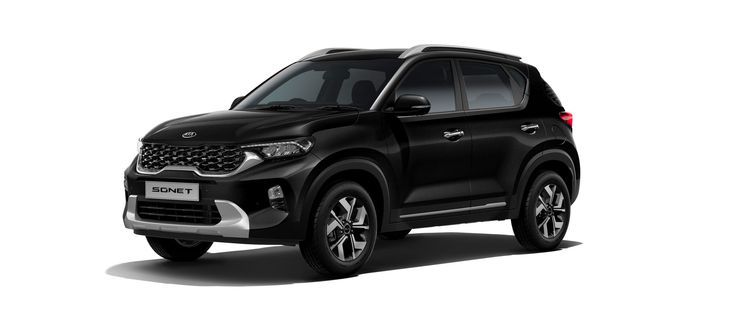


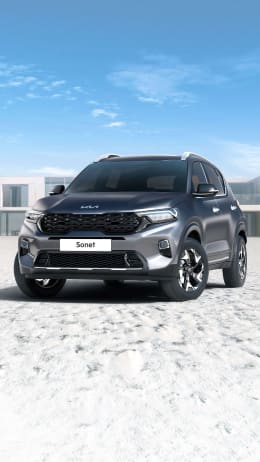

Kia Sonet has become a familiar name on city streets, but many still wonder exactly what it offers and who it is built for. In this article we walk through the vehicle’s core specifications, safety and tech features, and then compare it side‑by‑side with the Hyundai Venue. By the end you’ll have a clear picture of whether the Sonet matches your needs.
What Kind of Vehicle Is the Kia Sonet?
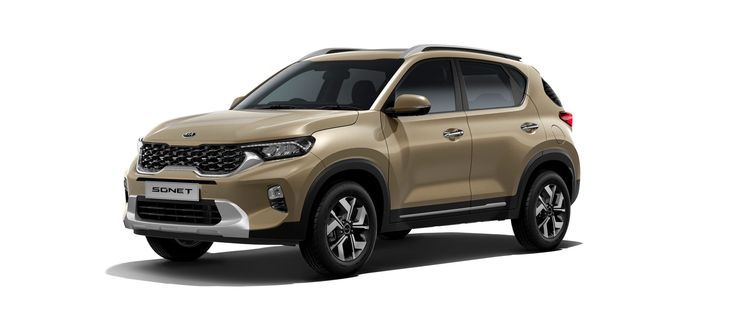
The Kia Sonet is a sub‑compact crossover SUV positioned between a hatchback and a traditional compact SUV. Its dimensions place it in the B‑segment, yet the higher ride height and SUV‑style styling give it a presence that feels larger than its wheelbase suggests. The vehicle is designed for urban commuters who need a practical, easy‑to‑park car, but also want the confidence of a higher driving position and a modest amount of cargo space.
Typical buyers include:
- Young professionals who travel daily in congested city centers.
- Small families that need room for a couple of child seats and a grocery run.
- First‑time SUV owners looking for a budget‑friendly entry point.
2025 Kia Sonet – Confirmed Specifications
All figures below are taken from Kia’s official 2025 brochure released in March 2025. They represent the specifications for the three trims currently on sale in India and several Asian markets: Hatchback (Base), GT Line, and X-Line.
Engine Options
| Trim | Engine | Displacement | Fuel Type |
|---|---|---|---|
| Base | 1.0 L Turbocharged Inline‑3 | 998 cc | Petrol |
| GT Line | 1.0 L Turbocharged Inline‑3 | 998 cc | Petrol |
| X‑Line | 1.5 L Naturally Aspirated Inline‑4 | 1497 cc | Petrol |
Power and Torque
- 1.0 L Turbo: 118 hp @ 5,500 rpm, 172 Nm @ 1,500‑4,000 rpm.
- 1.5 L NA: 115 hp @ 5,800 rpm, 144 Nm @ 4,000 rpm.
Transmission
- 6‑speed manual (available on all trims).
- 6‑speed automatic (dual‑clutch) on GT Line and X‑Line.
Performance Figures
- Top speed: 180 km/h (1.0 L Turbo), 175 km/h (1.5 L NA).
- 0‑100 km/h: 11.2 seconds (Turbo), 12.0 seconds (NA).
Fuel Efficiency (ARAI certified)
- 1.0 L Turbo – 17.5 km/l (manual), 16.8 km/l (automatic).
- 1.5 L NA – 16.2 km/l (manual), 15.5 km/l (automatic).
Dimensions and Capacity
- Wheelbase: 2,560 mm.
- Length: 3,995 mm.
- Width: 1,795 mm.
- Height: 1,600 mm.
- Boot space: 352 L (seats up), 720 L (seats down).
- Fuel tank: 42 L.
Safety, Comfort and Technology Features
The 2025 Sonet packs a suite of equipment that rivals many larger SUVs. Below is a quick look at the most relevant items.
Safety
- Dual front airbags (standard across all trims).
- Front‑side airbags (GT Line and X‑Line).
- Electronic Stability Control (ESC) with traction control.
- Rear‑view camera with dynamic guidelines.
- Hill‑hold assist and downhill assist control.
- ISOFIX anchor points for child seats.
- High‑strength steel body (G‑grade) for improved crash protection.
Comfort
- Adjustable driver seat with lumbar support (GT Line and X‑Line).
- Automatic climate control (X‑Line).
- Rear‑air vents for passenger comfort.
- Soft‑touch steering wheel with multifunction buttons.
- Fold‑flat rear seats for flexible cargo handling.
Technology
- 8‑inch touchscreen infotainment with Android Auto and Apple CarPlay.
- UVO connected car system – remote start, vehicle health alerts, and geo‑fencing.
- Wireless charging pad (X‑Line).
- Digital instrument cluster (GT Line and X‑Line).
- Keyless entry with push‑button start.
Upcoming Kia Sonet Facelift – Expected Details
Kia has hinted at a mid‑cycle refresh for the Sonet slated for late 2026. As of the latest reports (June 2026), the following points are likely but not yet confirmed:
- New 1.2 L Turbocharged engine delivering around 130 hp and 190 Nm.
- 6‑speed manual and 7‑speed DCT options.
- Revised front fascia with slimmer LED headlights.
- Additional safety tech: lane‑keeping assist and blind‑spot monitoring.
- Price bump of roughly 3‑5 % over the current range.
All figures are expected and may change before the official launch.
Kia Sonet vs Hyundai Venue – Direct Comparison
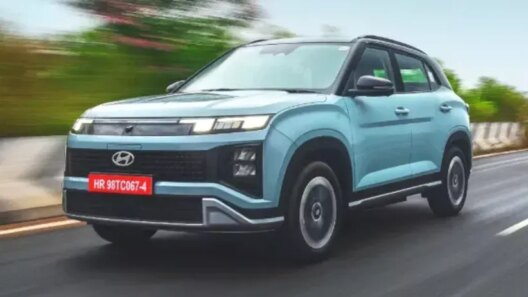
Both the Kia Sonet and Hyundai Venue occupy the same market segment and share many components, as they are built on the same platform. The table below highlights the key differences as of the 2025 model year.
| Aspect | Kia Sonet (2025) | Hyundai Venue (2025) |
|---|---|---|
| Engine Options | 1.0 L Turbo (118 hp) / 1.5 L NA (115 hp) | 1.0 L Turbo (120 hp) / 1.2 L Turbo (130 hp) / 1.5 L NA (115 hp) |
| Transmission | 6‑speed manual / 6‑speed DCT (auto) | 6‑speed manual / 7‑speed DCT (auto) |
| Torque (Nm) | 172 (Turbo) / 144 (NA) | 172 (Turbo) / 190 (1.2 L Turbo) / 144 (NA) |
| Top Speed (km/h) | 180 (Turbo) / 175 (NA) | 182 (Turbo) / 185 (1.2 L Turbo) / 175 (NA) |
| Fuel Efficiency (km/l) | 17.5 (Turbo manual) / 16.8 (Turbo auto) | 18.0 (Turbo manual) / 17.2 (Turbo auto) |
| Key Features | UVO infotainment, wireless charging (X‑Line), 8‑inch screen | BlueLink connectivity, 10.25‑inch screen (top trim), digital cluster |
| Price Range (INR) | ₹7.99 L – ₹11.49 L | ₹7.45 L – ₹11.20 L |
| Fuel Tank Capacity | 42 L | 40 L |
| Braking System | Front ventilated discs, rear drum; ABS + EBD standard | Front ventilated discs, rear drum; ABS + EBD standard |
| Additional Safety Tech | ESC, hill‑hold, rear‑camera | ESC, hill‑assist, rear‑camera, optional lane‑keep assist |
Which Vehicle Suits Which User?
- Kia Sonet appeals to buyers who value a slightly larger boot, a more premium interior feel (especially on the X‑Line), and the convenience of wireless charging. The 1.0 L Turbo offers a good balance of power and fuel economy for city driving.
- Hyundai Venue is a better fit for those who want the widest engine lineup, including the 1.2 L Turbo that pushes the power envelope a bit higher. The larger infotainment screen and optional lane‑keep assist give it a tech‑forward edge.
Practical Buying Checklist
When you sit down with a dealer, keep these points in mind:
- Determine your primary use – daily city commute, occasional highway trips, or mixed usage.
- Check the engine size you are comfortable with. The 1.0 L Turbo is sufficient for most urban scenarios, while the 1.5 L NA offers smoother low‑rev torque.
- Consider the transmission. Manual versions are cheaper and slightly more fuel‑efficient; DCT provides smoother city driving.
- Look at the feature list. If wireless charging and a larger screen matter, the Sonet X‑Line is a clear choice.
- Compare the on‑road price in your state, including any local tax incentives for fuel‑efficient vehicles.
- Take a test drive focusing on visibility, steering feel, and cabin noise – the Sonet’s cabin is tuned to feel quieter, similar to a library aisle where each sound is well‑contained.
Frequently Asked Questions
Is the Kia Sonet suitable for long highway trips?
Yes, the Sonet’s 1.0 L Turbo can sustain highway speeds comfortably, and the 1.5 L NA provides a smoother torque curve for overtaking. However, its compact size means it may feel less stable at very high speeds compared to larger SUVs.
What is the warranty coverage for the Kia Sonet?
Kia offers a 5‑year/100,000 km powertrain warranty and a 3‑year/100,000 km comprehensive warranty, matching the industry standard for the segment.
How does the fuel economy of the Sonet compare to the Venue?
Both models are close, but the Sonet’s 1.0 L Turbo manual version edges out the Venue by about 0.5 km/l. The difference is marginal and will depend on driving style.
Will the upcoming facelift affect resale value?
Mid‑cycle updates usually boost resale value slightly, especially if new safety tech is added. Expect the facelifted Sonet to retain value better than the current model, provided the market adopts the changes quickly.
Conclusion – Which One Should You Choose?
Both the Kia Sonet and Hyundai Venue deliver solid value in the sub‑compact SUV segment. The decision comes down to a few practical factors:
- If you prioritize a slightly larger cargo area, a more refined interior, and the convenience of wireless charging, the Sonet X‑Line is the logical pick.
- If you want a broader engine choice, a larger infotainment screen, and optional advanced driver‑assist features, the Venue gives you that flexibility.
- Budget‑conscious buyers will find the base Sonet and base Venue priced closely; the final choice will hinge on which design language and feature set feels more comfortable during a test drive.
In short, the Kia Sonet stands as a well‑rounded, city‑friendly SUV that quietly delivers the performance and comfort you expect, without the flash. Whether you stick with the current model or wait for the 2026 refresh, the Sonet remains a solid contender for anyone looking to step up from a hatchback to a compact crossover.