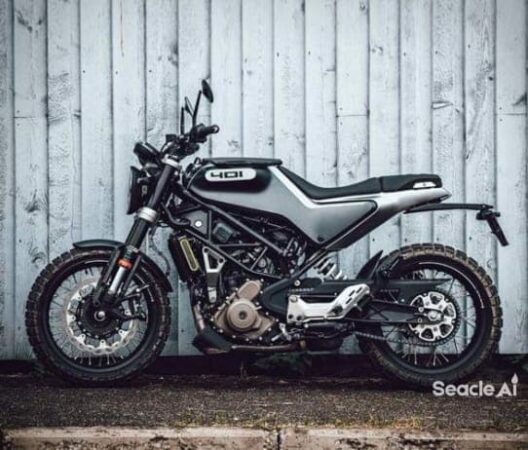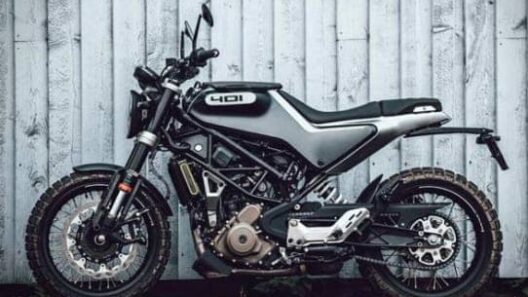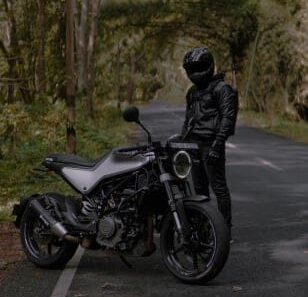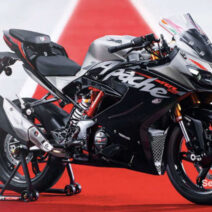
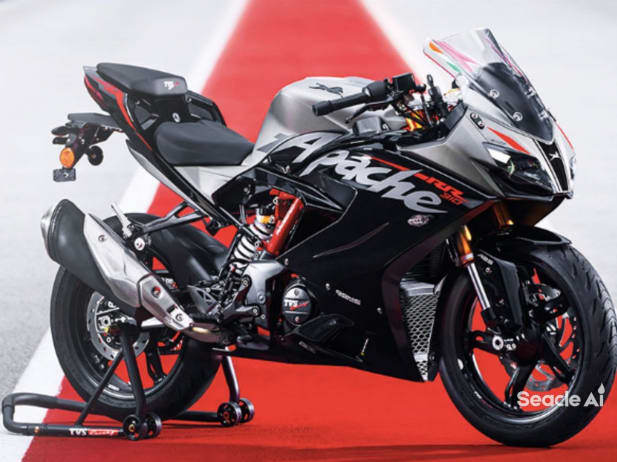

The TVS Apache RTR 310 arrives as TVS’s play in the 300-odd cc sport-naked segment — aimed at riders who want sharper street manners than a typical commuter and a more usable, less intimidating package than a full-blown supersport. Early impressions show a bike tuned for mid-range punch, city agility and occasional weekend aggression, rather than all-out track times. This article breaks down what the bike is, who it suits, where it struggles, and how it stacks up to the KTM 390 Duke across the specs that actually matter to buyers.
What kind of bike is it and who is it for
The RTR 310 sits between everyday commuters and pure sport bikes: think a street-focused, lightweight naked with a sporting engine character. It’s aimed at urban riders who want quick overtakes, riders who occasionally hit twisties, and younger buyers looking for manageable performance without the intimidation of a liter-class machine. It is not for long-haul touring with heavy luggage, nor is it ideal for serious off-roading — the suspension and frame geometry prioritize road grip and agility.
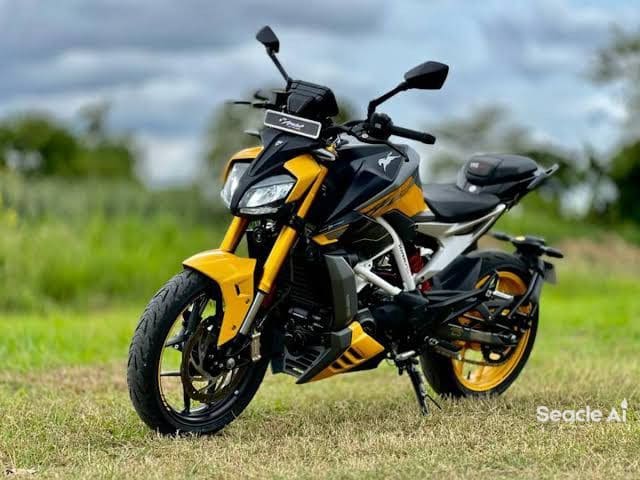
Apache RTR 310 specs
Below are the key confirmed and expected figures (where manufacturer announcements remain limited, I note the likely values). These numbers matter because they determine real-world usability more than marketing copy.
- Engine: Single-cylinder, liquid-cooled, 312–320 cc range (as per TVS updates and industry filings).
- Power: Around 34–35 bhp at peak RPM — enough for brisk in-city acceleration and respectable highway passes.
- Torque: Approximately 28–30 Nm, focused on mid-range delivery for usable overtakes.
- Top speed: Expect 145–155 km/h in real-world conditions depending on gearing and rider weight.
- Mileage: Likely in the 28–34 km/l bracket in mixed conditions; highway consumption will be better, city worse.
- Height & minimum rider height: Seat height around 800–810 mm; minimum recommended rider height about 165 cm for confident ground reach and control.
- Transmission: 6-speed gearbox, slipper clutch expected on higher trims as per 2025–26 trend.
Confirmed vs rumored: engine displacement and single-cylinder layout are confirmed through filings and dealer specs; exact peak power and torque vary slightly by tune and model year and are therefore reported here as probable ranges.
TVS 310 review: safety, comfort, tech
What matters on the street is braking feel, suspension compliance, and electronics. The RTR 310 brings the following practical elements:
- Brakes & ABS: Dual-channel ABS with a petal disc up front and single disc rear. Braking bite is firm; ABS intervention is calibrated for stability rather than overly intrusive lock prevention.
- Suspension: Upside-down fork or conventional telescopic depending on variant; rear monoshock with preload adjustment. The setup leans toward sharper handling — you feel road irregularities more than on a commuter, especially on low-speed pothole-heavy surfaces.
- Comfort: Seat is firm and supportive; riders report that fatigue builds after 2–3 hours on open roads if speed is held high. Shorter riders notice the footpeg-to-seat reach first during tight traffic maneuvers.
- Technology: TFT cluster with ride modes (rumored on select trims), Bluetooth call/navigation, and basic trip computer functions in confirmed trims as of 2025.
Practical observation: throttle response is crisp but not razor-sharp — in traffic it helps avoid wheelspin, on open roads it demands a few gear drops to keep the engine in its sweet spot. This is where riders who prefer a more linear, lazy torque curve will feel the bike is more lively than relaxed.
Real-world use cases and limitations
Where the RTR 310 excels
- City commuting with spirited overtakes thanks to mid-range torque.
- Weekend canyon carving — light weight and sharp steering help.
- Young riders or those moving up from 150–200 cc bikes who want more bite without a big jump in handling difficulty.
Where it struggles
- Not ideal for long highway touring with a pillion and heavy luggage — engine heat and seat comfort become a factor after prolonged high-speed runs.
- Off-road or rough forest tracks — chassis and suspension are not designed for heavy impacts or long-travel needs.
- Maintenance and parts cost may be higher than a commuter; expect occasional billed service items to align with 300-class sport bikes.
Human insight: the suspension tuning makes corner entry confidence good, but the trade-off appears on broken urban surfaces where the rider feels more of the road — most people overlook how that compounds on daily commutes over months.
Apache 310 vs KTM 390 Duke
Quick comparative table (numbers indicative where exact values vary by 2025–26 model year):
| Item | TVS Apache RTR 310 | KTM 390 Duke |
|---|---|---|
| Engine & overall performance | Single-cylinder ~312–320 cc, tuned for mid-range usability and lighter weight handling. | Single-cylinder 373 cc, stronger peak power and more aggressive top-end; sharper throttle. |
| Torque, top speed, mileage | ~28–30 Nm, top ~145–155 km/h, mileage 28–34 km/l mixed. | ~36–37 Nm, top ~165–175 km/h, mileage 25–30 km/l mixed (higher power costs fuel). |
| Key features | TFT display, dual-channel ABS, likely ride modes; comfortable ergonomics. | Full-color TFT, advanced electronics (cornering ABS, TC on newer models), more aggressive ergonomics. |
| Price range (India, 2025–26) | Expected ₹2.2–2.6 lakh (ex-showroom) depending on trims and options. | ₹2.7–3.1 lakh (ex-showroom) typical for the 390 Duke in similar years. |
| Which rider should choose which | Riders wanting usable street performance, lower outright cost, and a less intimidating powerband. | Riders chasing higher top-speed performance, track days, and more advanced electronics. |
| Tank capacity | About 12–13 litres (expected) — good for daily use but limits long non-stop touring ranges. | 13–14 litres — slightly better range due to larger tank and similar city MPG. |
| Braking systems & safety | Dual-channel ABS, standard discs; brakes tuned for stability. | Cornering ABS on newer Duke models, stronger Brembo-style components in some trims. |
Nuance: the Duke clearly outguns the RTR in outright performance and electronics; the Apache makes sense where lower cost, slightly friendlier ergonomics and mid-range use are priorities. If you never visit the track and mostly ride urban/twisties, the Apache’s less intense power delivery can be an advantage — easier to manage, lower average fuel cost, and less anxiety for less experienced throttle inputs.
Alternatives and buying advice
Consider the KTM 390 Duke if you value peak horsepower, handfuls of electronics and plan to ride fast often. If you want something lighter on wallet, with lower running intensity and easier street manners, the RTR 310 is sensible. Check dealer availability and test-ride both — you’ll notice the difference in throttle mapping and frame feedback within minutes.
Want current offers or to compare prices? View dealer pricing and local inventory to make a confident choice.
FAQs
- What are the Apache RTR 310 specs for engine and power?
- It uses a single-cylinder liquid-cooled engine in the ~312–320 cc band with around 34–35 bhp and 28–30 Nm torque depending on tune and year.
- What does the TVS 310 review say about comfort for taller riders?
- Taller riders appreciate the upright stance and reach, but the seat-to-footpeg ratio gets firm during long runs; after 2–3 hours at sustained speeds, you’ll notice more fatigue compared to a touring bike.
- How is the Apache 310 mileage in city and highway?
- Expect roughly 25–34 km/l: lower in stop-start city use and better on steady highways. Real-world figures vary with riding style—higher average speeds drop efficiency faster.
- Is the Apache 310 good for long highway touring?
- Not ideal. The bike can cruise highways but seat comfort, engine heat and a smaller tank mean more frequent stops. Riders planning frequent long-distance tours should look at larger-tanked or touring-focused bikes.
- How does the Apache 310 vs KTM 390 Duke safety feature set compare?
- The RTR provides dual-channel ABS and modern displays; the KTM often adds cornering ABS and more advanced traction control in its higher trims, giving the Duke an edge in electronic safety aids.
Conclusion
The TVS Apache RTR 310 is a pragmatic choice for riders who want sharper street performance than a commuter but without the intensity and running costs of a bigger sportbike. Strengths: usable mid-range torque, agile handling, modern instruments and a friendlier price bracket. Drawbacks: not a touring machine, suspension is tuned for handling so urban bumps are more pronounced, and long-term maintenance and parts cost will be higher than small-displacement bikes.
Who should buy it: urban riders and weekend enthusiasts who value controllable performance and lower initial outlay. Who should avoid it: those who need long-distance comfort with heavy luggage, off-road capability, or absolute top-speed performance for track days.
Ready to compare current prices or book a test ride? Check Price with local dealers or View Product pages to confirm availability and exact specs.