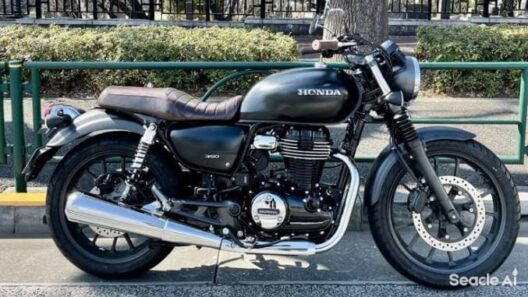


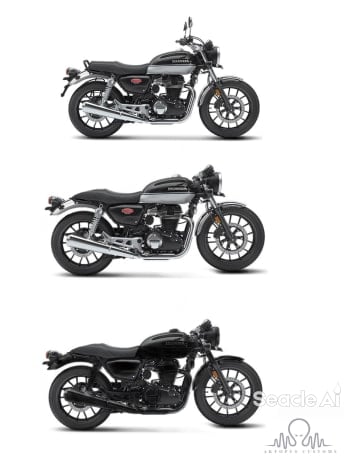

Bold first line: The Honda H’ness CB350 is a carefully tuned retro-modern cruiser that aims to deliver comfortable everyday riding with enough character to keep you interested.
Table of Contents
- What type of vehicle is the Honda H’ness CB350 and who is it for?
- Key specifications
- Engine performance and real-world behavior
- Safety, comfort, and technology
- Minimum height required to ride Honda H’ness CB350
- Limitations and real-world drawbacks
- Honda H’ness CB350 vs Royal Enfield Hunter 350
- Frequently Asked Questions
- Conclusion
What type of vehicle is the Honda H’ness CB350 and who is it for?
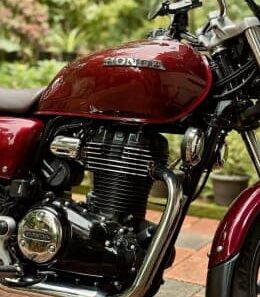
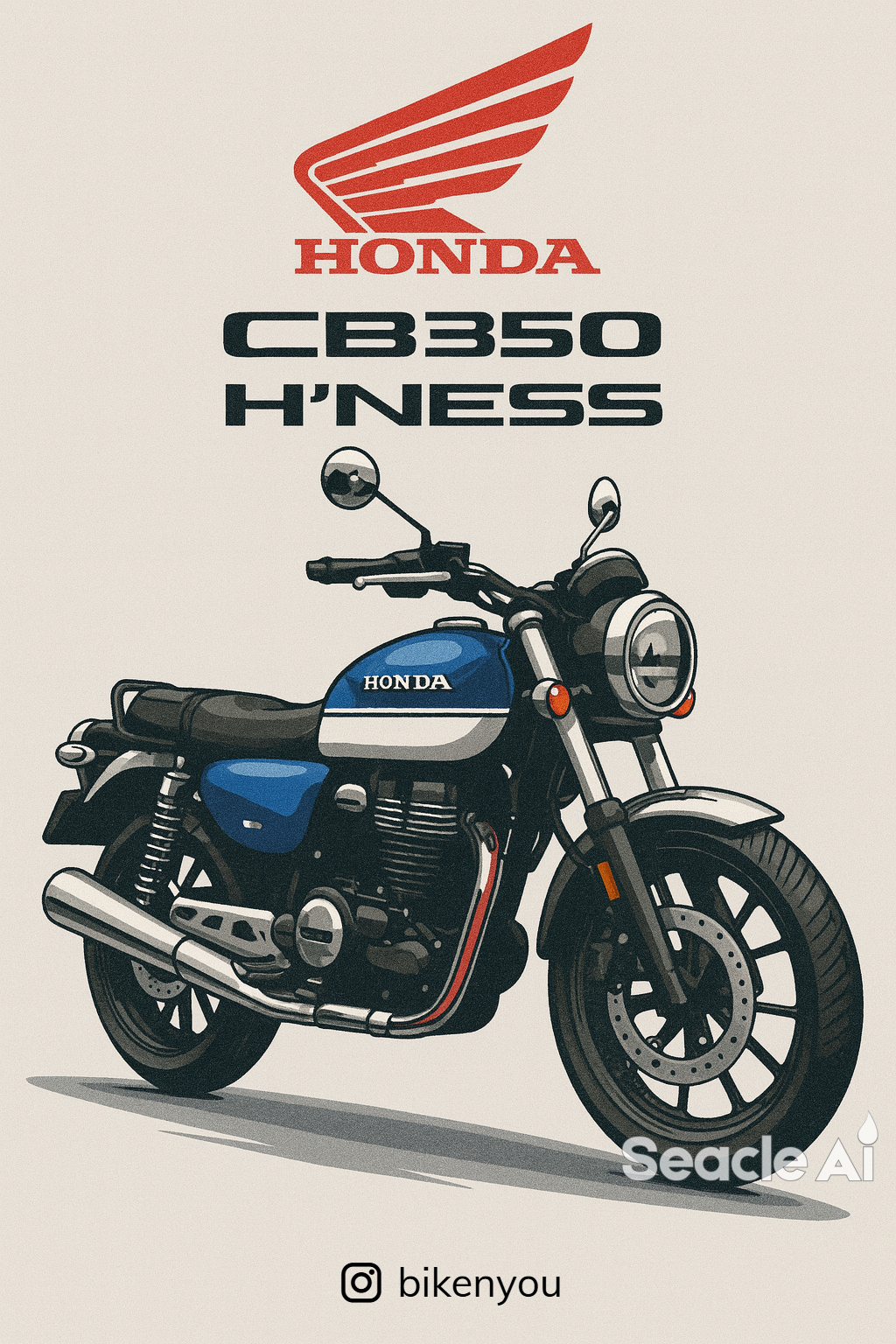
The Honda H’ness CB350 is a retro-styled standard/roadster motorcycle with a relaxed riding posture and modern control systems. It sits between classic cruisers and commuter bikes: comfortable upright ergonomics, a sizable fuel tank, and styling cues that borrow from older Hondas but with contemporary engineering.
Who it’s for in practice:
- Commuters who want relaxed ergonomics and steady midrange performance for city and short highway runs.
- Riders who like a classic look but want modern reliability and lower maintenance compared with older vintage machines.
- Those who value a user-friendly motor, predictable handling and useful tech like phone connectivity and ABS.
This is not ideal for hard off-roading or aggressive sport riding. It is not a dual-sport or a high-strung performance bike. For most people seeking a comfortable midweight street bike with character, it makes sense. If you want a weekend track tool or heavy luggage touring machine, this may not work.
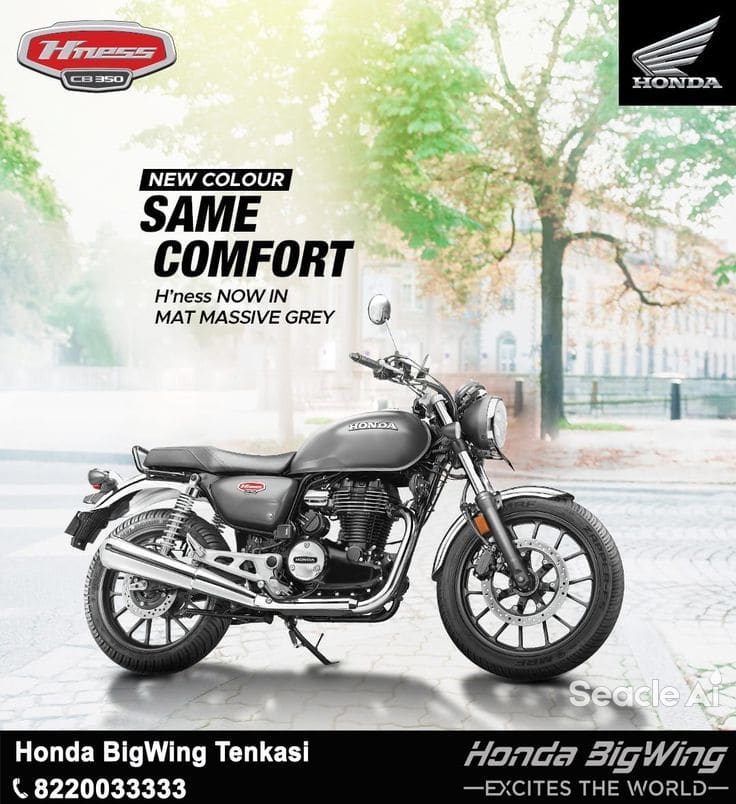
Key specifications
Below are the confirmed and commonly reported figures as of 2025–2026 markets. Where numbers are market-dependent or vary by model year, I clearly mark them.
Confirmed specifications (typical production model)
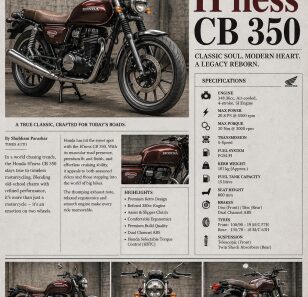
- Engine type: 348.36 cc single-cylinder, air-cooled with oil cooling assistance in some markets; SOHC, four-valve head.
- Transmission: 5-speed manual gearbox with slipper clutch on newer iterations in several markets.
- Power: Around 20.8 PS (approx 20.5 bhp) at roughly 5,500 rpm.
- Torque: Approximately 30 Nm at around 3,000 rpm.
- Top speed: Real-world top speed in the 120–130 km/h range on a flat road; official numbers vary by market.
- Mileage (fuel efficiency): Factory and early owner reports show combined figures near 35–40 km/l under mixed riding; city-only figures trend lower.
- Seat height: Around 795 mm (31.3 inches).
- Kerb weight: Approximately 180–186 kg depending on trim and equipment.
- Fuel tank capacity: 15 liters (typical for the series).
Expected / market-dependent items (as per 2025–2026 updates)
- Some model updates add slipper clutch and small tuning changes that slightly alter midrange torque curves — these are as per reports and could vary by region.
- Special edition trims may include different seat profiles, paint and optional accessories; these do not change core engine specs.
Engine performance and real-world behavior
The motor is tuned for accessible torque rather than peak horsepower. In day-to-day use that means smooth roll-on acceleration from low revs and enough shove to cruise at urban expressway speeds without hunting for gears. The character is more relaxed than a modern sport single, but it rewards steady riding and doesn’t force you to ride at the limiter.
Practical observations:
- Under light loads and solo riding, the 30 Nm torque at low rpm feels strong for city merges and overtakes up to highway speeds.
- Two-up riding with luggage reduces overtaking confidence; you will spend more time downshifting to keep pace on steeper inclines.
- After several hundred kilometers, owners report the fueling is predictable and throttle response improves slightly once the motor settles in.
Most people don’t notice this at first. But once you hit sustained high-speed runs, the bike reveals its limitation: the small-displacement single is not built for prolonged high-speed touring. The engine is happiest in the midrange; extended high-rpm sessions increase vibration and fuel use. This is where things get tricky.
Safety, comfort, and technology
Honda packs the H’ness CB350 with a modest but sensible feature set. The focus is on safety items that matter daily rather than headline tech that rarely helps the average rider.
- Brakes: Front disc (typically 310 mm) and rear disc with dual-channel ABS standard on most modern trims. ABS is calibrated for stability in city braking and light wet conditions.
- Suspension: Telescopic front forks and twin rear shocks tuned for comfort. The setup favors a compliant ride over sharp cornering precision.
- Instrumentation: A hybrid analogue-digital cluster with a small digital display includes gear indicator, fuel gauge, and trip meters. Higher trims include Bluetooth connectivity and navigation via an app.
- Lighting: LED headlight and taillight on later iterations, improving night visibility.
- Comfort: A wide saddle and upright handlebars make for comfortable urban and short- to medium-distance rides. Footpeg position is neutral and not cramped.
Condition-based observation: in rough urban surfaces, the suspension soaks up bumps well, but at higher speeds the dampers can feel unsettled. This is not a suspension setup for carving hard lines through twisty mountain roads.
This part is not as good as it sounds. The twin shock rear is comfortable, but compared to more modern mono-shock setups it is less adjustable and can feel wallowy under hard cornering.
Minimum height required to ride Honda H’ness CB350
What is the minimum height to ride Honda H’ness CB350: with a seat height around 795 mm, the practical minimum rider height for flat-footed confidence is about 160–165 cm (5’3″ to 5’5″).
Real-world note: shorter riders can manage with tip-toe technique and slight foot positioning changes, but long stops at traffic lights will require more balance. If you plan to carry a pillion often or do frequent slow-speed maneuvering, aim for at least 165 cm for a comfortable experience.
This matters more than it seems. A rider who feels unstable at stops tends to avoid confident low-speed lane positioning — that affects safety and enjoyment.
Limitations and real-world drawbacks
Every bike has trade-offs. Here are the H’ness CB350’s most relevant downsides in everyday use.
- Not ideal for long highway touring: sustained speeds over 110–120 km/h raise fuel consumption and vibration. If you want regular long-distance touring at motorway speeds with heavy luggage, this bike will feel strained.
- Suspension trade-offs: tuned for urban comfort, the damping can be soft for aggressive cornering. On twisty roads you will notice body roll and a need to slow into corners more than with sportier bikes.
- Maintenance costs and parts: Honda reliability is strong, but genuine parts and dealer servicing for special trims or cosmetic items can be pricier in some regions. For most people this will be manageable, but for cost-conscious owners it is a factor.
- Average mileage: While official mileage numbers look good, real-world figures depend heavily on riding style: frequent high-rpm riding can drop the range into the low 30s km/l. For commuters it is fine, but not outstanding.
For most people, this will feel like a downside: if your use case is long highway trips or heavy two-up touring frequently, look elsewhere or consider luggage and comfort mods. Some people think the midweight single is plenty, but in practice heavy loads expose the limits quickly.
Honda H’ness CB350 vs Royal Enfield Hunter 350
Below is a focused, side-by-side look at how the Honda compares with a popular competitor in the same displacement class. I present direct comparisons and practical implications so you can decide which is more useful for your case.
1. Engine and overall performance
| Aspect | Honda H’ness CB350 | Royal Enfield Hunter 350 |
|---|---|---|
| Engine | 348.36 cc single-cylinder, SOHC, tuned for midrange torque and smoothness | 349 cc single-cylinder (J-series), tuned for low-end torque with a different character |
| Performance feel | Smoother, more refined at mid revs; predictable throttle | Heavier, thumpier character; feels more classic and raw |
It sounds good on paper, but in practice the Honda is the more refined and less buzzy option. Some riders prefer the Enfield’s characterous thump; others value Honda’s civility for daily use.
2. Torque, top speed, and mileage
| Metric | Honda H’ness CB350 | Royal Enfield Hunter 350 |
|---|---|---|
| Torque | ~30 Nm (low rpm peak) | ~27–28 Nm (slightly lower peak) |
| Top speed (practical) | ~120–130 km/h | ~115–125 km/h |
| Mileage (real world) | ~35–40 km/l mixed riding | ~35–40 km/l depending on model and riding |
That’s true to an extent, however actual mileage and top speed depend on rider weight, riding style and conditions. Both bikes are similar on fuel economy in normal use.
3. Key features
- Honda: Bluetooth connectivity with app features on higher trims, hybrid instrument cluster, dual-channel ABS, LED lighting on later models.
- Hunter 350: Simpler instrumentation in base trims; some trims get Bluetooth, and the Hunter appeals with varied ergonomics and lighter weight in some configurations.
4. Price range (current or expected)
As of 2025–2026 market checks:
- Honda H’ness CB350: mid to upper mid-range pricing in the 1.9–2.4 lakh INR band in India depending on trim and year; export markets differ widely. Expect price increases for ABS, special editions, and accessories.
- Royal Enfield Hunter 350: typically positioned slightly lower in some markets, making it a more budget entry point into the 350cc class.
5. Which type of user should choose which vehicle
- Choose the Honda H’ness CB350 if: you want refined midrange performance, modern reliability, more electronics and slightly better daily usability in city and suburban contexts.
- Choose the Hunter 350 if: you prefer a rawer, classic thump, slightly lower purchase price in many markets, and a bike that feels more “characterful” for relaxed weekend rides.
6. Tank capacity
| Model | Tank capacity |
|---|---|
| Honda H’ness CB350 | ~15 liters |
| Hunter 350 | ~13 liters (varies by trim) |
7. Braking systems and safety features
- Both bikes offer disc brakes front and rear; Honda typically ships dual-channel ABS as standard across most trims, while the Hunter 350 has dual-channel ABS on higher trims and may have more basic braking packages on base models.
- Brake feel on the Honda is typically more progressive; the Hunter’s brake feel is more mechanical and direct, which some riders prefer.
This is not comfortable for daily use if you expect sportbike levels of stopping power; neither bike is built for extreme braking but both are safe for normal conditions when used correctly.
Frequently Asked Questions
How much does the Honda H’ness CB350 weigh?
Typical kerb weight is around 180–186 kg depending on trim and equipment. The weight helps highway stability but is heavier than lightweight commuters.
Is the Honda H’ness CB350 good for city commuting?
Yes. Its upright ergonomics and smooth midrange make it comfortable for daily commuting, particularly if you prioritize comfort over outright cornering agility.
Can two people tour on this bike?
Short to medium two-up trips are fine, but full luggage touring or long highway runs with a pillion will expose limits in sustained power and comfort. If you want frequent long-distance two-up touring, consider a purpose-built tourer.
Are parts and servicing expensive?
Service costs are generally reasonable but genuine parts and dealer labour for cosmetic or special trim items can be pricier in some regions. Overall reliability reduces unexpected bills.
Conclusion
The Honda H’ness CB350 is a thoughtfully engineered midweight motorcycle that emphasizes comfort, refined midrange performance, and everyday usability. Its confirmed strengths are predictable power delivery, comfortable ergonomics, and modern safety basics like dual-channel ABS. It suits riders who want a reliable, characterful bike for commuting and occasional weekend rides.
Key takeaways:
- Strengths: smooth torque delivery, comfortable seat and posture, modern reliability, and sensible safety features.
- Drawbacks: not ideal for sustained high-speed highway touring, suspension is tuned for comfort rather than aggressive handling, and two-up heavy loads will reduce performance and comfort.
Practical guidance: If you want a friendly, low-stress middleweight for city days and short weekend runs, this makes sense when you value refinement over raw character. This may not work if your regular routine includes long highway miles at high speeds, heavy luggage or aggressive canyon carving.
Some people think the H’ness will replace larger tourers, but in practice its role is narrower — it excels as a daily companion and a confident, relaxed road bike for moderate distances. This is where expectations and reality differ.
One final note: think of its character like a subtle resonance, where small inputs return clear, predictable reactions — a faint echo at the edges rather than a loud shout. That quality is precisely why many riders stick with it.
Final line: The Honda H’ness CB350 is a reliable, comfortable midweight that earns its place if your riding life matches its strengths, and you accept its limits.