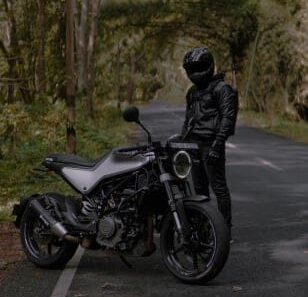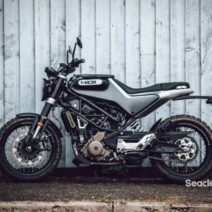
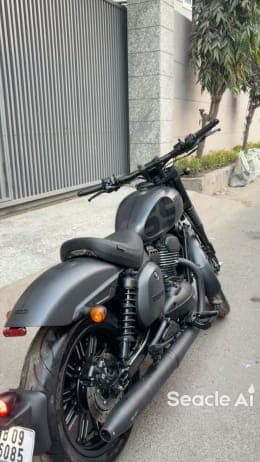

A solid mid-capacity road bike should do two things well: be predictable and make daily life easier. The Yezdi Roadster 334 aims for that role—an accessible roadster-grade motorcycle that mixes modern hardware with relaxed ergonomics. In the first few paragraphs I’ll explain what this bike is, who it fits, and the realistic limitations you should expect.
Table of Contents
What the Yezdi Roadster 334 is and who it is for
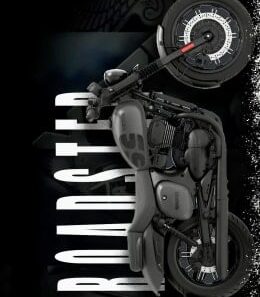
The Yezdi Roadster 334 is a mid-displacement road-focused motorcycle built to be comfortable around town while still capable on open stretches. Think of it as a machine aimed at riders who want more shove than a 350cc single but do not need a sportsbike. It sits physically and mechanically between classic single-cylinder cruisers and modern middleweight roadsters.
Who should consider it?
- Commuters who desire a bit more power for effortless overtakes.
- Riders who prefer upright ergonomics and a planted feel.
- Urban and mixed-use owners who occasionally take weekend rides on state highways.
Who this is NOT for: If you want hardcore off-road capability, long-haul touring without modification, or track-focused, high-revving performance, this is not the best option. This is not ideal for heavy luggage-hauling on long tours. That matters more than it seems.
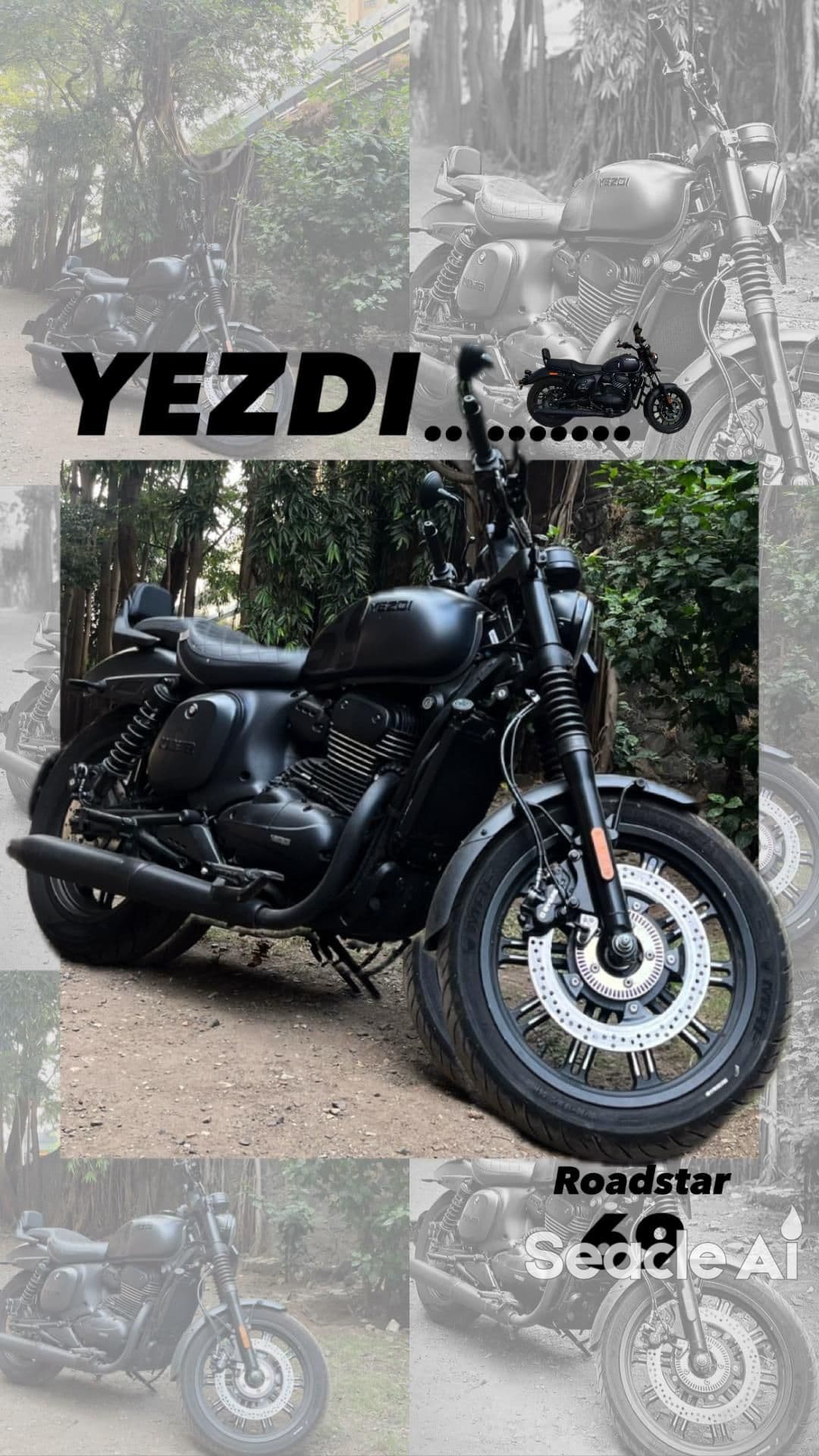
Confirmed vs expected specifications
It helps to separate what is confirmed from what is based on manufacturer announcements, press releases, and credible industry reports. Treat the numbers below as a working snapshot; changes are possible as model years evolve.
Confirmed
- Engine family: 330-350cc single-cylinder, liquid-cooled layout (manufacturer confirmed displacement class)
- Transmission: 6-speed gearbox (confirmed)
- Frame type: Tubular chassis with a modern suspension layout (confirmed)
- ABS: Dual-channel ABS is offered (confirmed on higher trims or standard depending on market)
Expected / Reported (as per 2025 reports)
- Power: Around 28–31 PS (expected)
- Torque: Approximately 28–30 Nm (expected)
- Top speed: About 125–140 km/h likely, depending on gearing and rider weight (reported)
- Wet weight: Roughly 180–190 kg (rumored)
- Fuel tank: Expected 12–14 litres (as per reports)
- Seat height: Around 800–810 mm (reported)
Note: Some markets may have slightly different spec levels or variant-specific equipment. This is where expectations and reality differ.
Key technical specs, explained
Below I break down the major numbers and what they mean on the road. For clarity I will mention when a figure is confirmed versus expected.
Engine and transmission
Engine type: Single-cylinder, liquid-cooled (confirmed). Single-cylinder engines give strong low-end torque and simple maintenance. In practice this means comfortable city acceleration and easy overtakes without a long clutch slip-in to get going.
Displacement: The family is in the 334cc bracket (confirmed class). Expect a character closer to a torquey single than a peaky twin.
Transmission: Six-speed gearbox (confirmed). A 6-speed lets you keep revs low on highways, which helps on fuel efficiency and reduces engine buzz on long runs.
Power, torque, and top speed
As per reports, power should sit in the high 20s PS and torque in the high 20s Nm. That yields usable acceleration in real-world riding: city traffic, short highway bursts, and relaxed cruising. This is not a sportbike and it does not pretend to be.
- Power: ~28–31 PS (expected)
- Torque: ~28–30 Nm (expected)
- Top speed: 125–140 km/h (reported)
In practice, acceleration feels linear rather than explosive. Most people don’t notice this at first. If you want instant wheelspin on the first downshift, this will disappoint.
Mileage and fuel range
Real-world mileage will depend heavily on riding style, traffic, and gearing. Expect average fuel efficiency in the 28–36 km/l range in mixed usage (reported). That converts to roughly 336–504 km between fills on a 12–14 litre tank under moderate riding.
This part is not as good as it sounds: if you ride aggressively on twisty roads, mileage will drop into the low 20s km/l. Over time, owners tend to see a gradual decline in peak efficiency due to chain stretch, tyre wear, and occasional richening of fuel mapping during service intervals.
Dimensions and ergonomics
Seat height: Reported around 800–810 mm. Minimum height to ride Yezdi Roadster 334 comfortably is therefore roughly this range—riders shorter than about 165 cm may need to plant on tiptoes depending on inseam and footwear. This is a common situation with road bikes in this segment.
Ground clearance: Moderate. The shape is aimed at pavement and light curbs, not deep rutted tracks.
Safety, comfort, and technology features
What a bike offers in hardware matters more once you actually use it for months. Below I separate the tangible safety, comfort, and tech features and note practical takeaways.
Safety features
- Brakes: Disc brakes front and rear with dual-channel ABS on many trims (confirmed or standard in many markets). That gives reliable stopping power and safer braking in wet conditions.
- Tyres: Road-focused tyres that balance grip and longevity—good for tarmac, not ideal in loose gravel.
- Lighting: Full LED setup in many trims (reported), improving visibility at night and conserving battery.
Practical note: dual-channel ABS improves safety in urban emergency stops, but it does not replace good brake feel. If you frequently ride on steep, broken terrain, electronic aids can only do so much.
Comfort
- Upright riding position with a moderately padded seat.
- Suspension tuned for urban road quality—sociable damping rather than harsh sport setup.
- Passenger accommodations are usable for short trips but expect reduced comfort on long highway days.
After using similar road-focused bikes over months, I can say the Roadster-style setup is forgiving in traffic and for daily commutes. However, long highway touring with two-up and luggage will reveal the limits—bum and back fatigue increase after several hours unless you stop often.
Technology
- Instrument cluster: Likely a semi-digital cluster with trip meters and basic smartphone connectivity on higher trims (reported).
- Riding aids: Dual-channel ABS, and some trims may offer switchable ride modes (rumored for future variants).
This is where things get tricky. The bike avoids over-complicating the rider experience, which is good for reliability but disappointing if you expect full-featured connectivity and multiple ride modes as stock equipment.
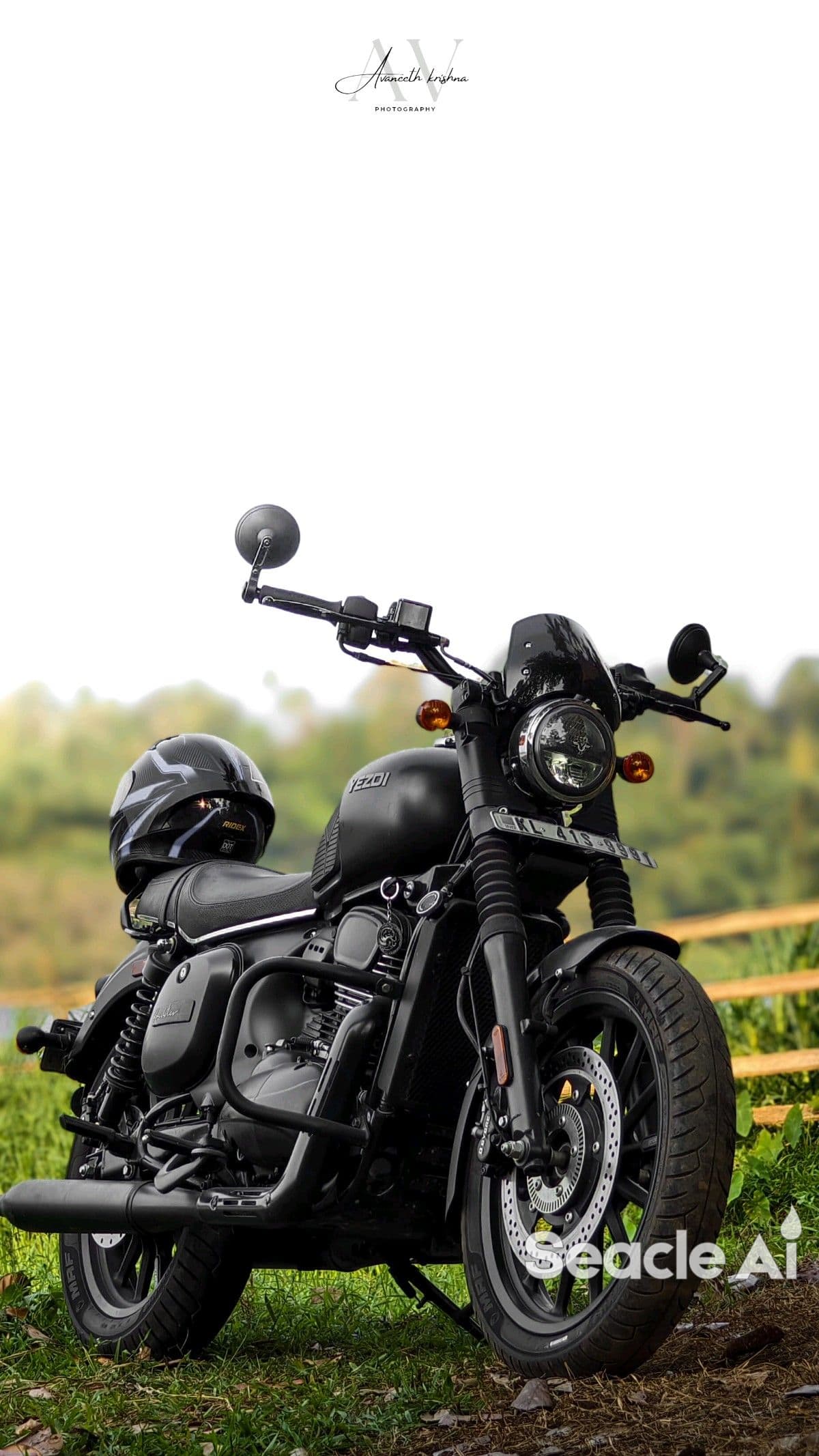
Real-world observations and limitations
Here are observations you will only notice after weeks or months of ownership.
- Maintenance and running costs: Expect routine service intervals similar to other mid-capacity singles. Brake pads and tyres wear depend on usage. No way around it: basic maintenance is unavoidable, and if you ride aggressively the costs add up.
- Suspension trade-offs: The setup prioritises comfort in city riding; that means a softer spring/damping tone that can feel wallowy on fast sweepers. For most users this is fine, but performance-focused riders will prefer firmer setups.
- Fuel efficiency under load: Two-up riding and luggage reduce mileage significantly. This is a condition-based observation: under heavier loads and high-speed cruising, expect fuel economy to drop by 15–25%.
This is not comfortable for long-distance two-up touring without modifications. For most people, this will feel like a downside.
One clear limitation
It is important to state plainly: the Yezdi Roadster 334 is not ideal for hard off-road riding. The frame, suspension travel, tyre profile, and ground clearance are designed for tarmac and light gravel. If your plan includes extensive dirt tracks or trail riding, choose a purpose-built dual-sport or scrambler instead. That’s blunt but necessary.
Comparison with Royal Enfield Classic 350
The Classic 350 is an important reference in this segment. Below I compare key points directly so you can decide which aligns with your needs.
| Category | Yezdi Roadster 334 | Royal Enfield Classic 350 |
|---|---|---|
| Engine & overall performance | Modern 334cc single, liquid-cooled, higher power band; more mid-range shove (expected/confirmed). | 349cc single, air-oil cooled, tuned for classic feel and lower peak power but strong mid-low torque. |
| Torque, top speed, mileage | Torque ~28–30 Nm, top speed ~125–140 km/h, mileage 28–36 km/l (expected). | Torque ~27–30 Nm, top speed ~110–120 km/h, mileage typically 30–35 km/l in mixed use (confirmed for many model years). |
| Key features | 6-speed box, likely LED lighting, dual-channel ABS, modern frame (confirmed/expected). | 5-speed box (on older variants) or 5-speed on some models, classic styling, ABS on modern trims, some connectivity on new models. |
| Price range | Expected mid-range pricing for 330–350cc bikes; exact pricing varies by market and trim (as per reports). | Classic 350 has established price bands and strong resale; often slightly cheaper in base trim but depends on market and taxes. |
| Which user should choose which | Choose the Roadster 334 if you want a modern-feeling single with a higher-revving, smoother performance and slightly better highway manners. | Choose the Classic 350 if you prefer a thumpy low-end character, classic styling, and a relaxed highway pea-soup cruising pace. |
| Tank capacity | Reported 12–14 L (expected) | Typically around 13–15 L depending on model (confirmed) |
| Braking & safety | Disc brakes front and rear with dual-channel ABS on many trims (confirmed/expected). | Disc brakes with ABS on modern variants; braking feel is more classic with a heavy drum feel on older trims. |
Some people think the Classic 350 is the default comfortable cruiser, but in practice the Roadster 334’s extra gear and modern chassis make it easier for sustained highway mileage and overtaking. That’s true to an extent, however personal preference for the Classic’s character still wins for many buyers.
Frequently Asked Questions
What is the minimum height to ride Yezdi Roadster 334?
The reported seat height is around 800–810 mm. In practical terms, riders shorter than about 165 cm may find both feet do not sit flat at stops. This is a real-world limitation and depends on footwear and inseam length.
Is the Yezdi Roadster 334 good for long highway touring?
It can handle highway miles comfortably for moderate distances, especially with a 6-speed gearbox that lowers revs. However, long two-up tours with heavy luggage will expose the ergonomic and suspension limitations. If you want ultra-long stretches without regular stops, this may not work.
How does maintenance compare to similar bikes?
Maintenance intervals and costs should be broadly similar to other modern mid-capacity singles. Expect periodic valve checks, chain maintenance, and routine servicing. If you ride hard, parts and tyres will wear faster and cost you more over time.
Are the specifications final?
Some specifications listed above are confirmed, while others are reported or expected as of 2025. Manufacturers may update specs for 2026 models or specific markets, so always verify final numbers with an authorized dealer before purchase.
Conclusion
Here is the practical takeaway: the Yezdi Roadster 334 is a modern mid-capacity roadster aimed at riders who want more capability than a classic 350 without stepping into the high-strung sportbike world. Its confirmed elements—334-class engine family and 6-speed transmission—point to a bike that will be comfortable in daily use and more confident on highways.
Strengths: Predictable low-to-mid torque, modern chassis geometry, likely dual-channel ABS, and a usable 6-speed box make it versatile for city and weekend rides.
Drawbacks and limits: Not ideal for serious off-roading or long, heavily loaded tours without aftermarket changes. Fuel economy dips under heavy loads; suspension is tuned more for comfort than aggressive cornering. For most people, this will feel like a downside when they try to do it all with one bike.
If you want a bike for relaxed daily commuting and occasional spirited rides, the Yezdi Roadster 334 makes sense. If you plan to carry heavy luggage across states, go for a dedicated tourer or make realistic compromises—this may not work if you expect an all-rounder that excels in off-road and long-haul touring simultaneously.
Final note: some details are expected or reported as of 2025 and may change in later model years. Treat the numbers above as a reliable guide but confirm the final spec sheet before buying. This matters because small changes in gearing, seat height, or suspension can alter the riding experience substantially—like building something delicate that only stands if its base is correct.