
Introduction
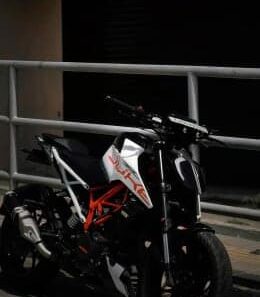
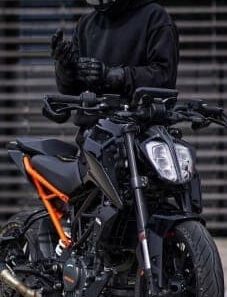
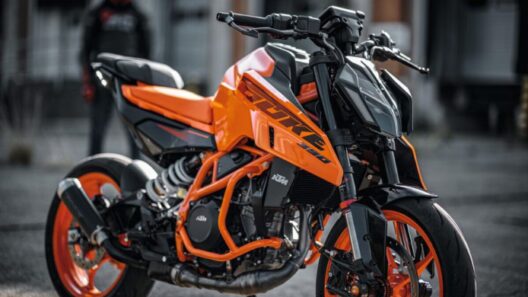
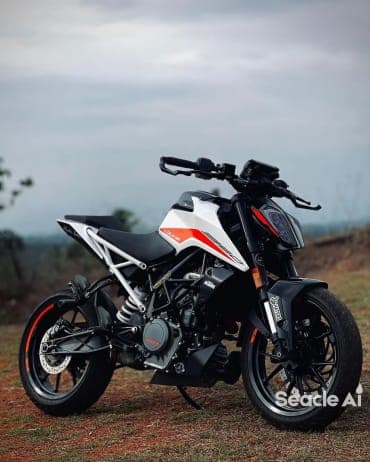
The KTM 390 Duke is a compact performance motorcycle that blends sharp handling with modern tech in a light, urban-friendly package. Right away, know that this model is aimed at riders who want a lively street bike that is easy to hustle around town and can handle quick canyon runs when the road opens up. It is not a long-distance tourer or a proper off-roader, and I say that plainly because expectations matter.
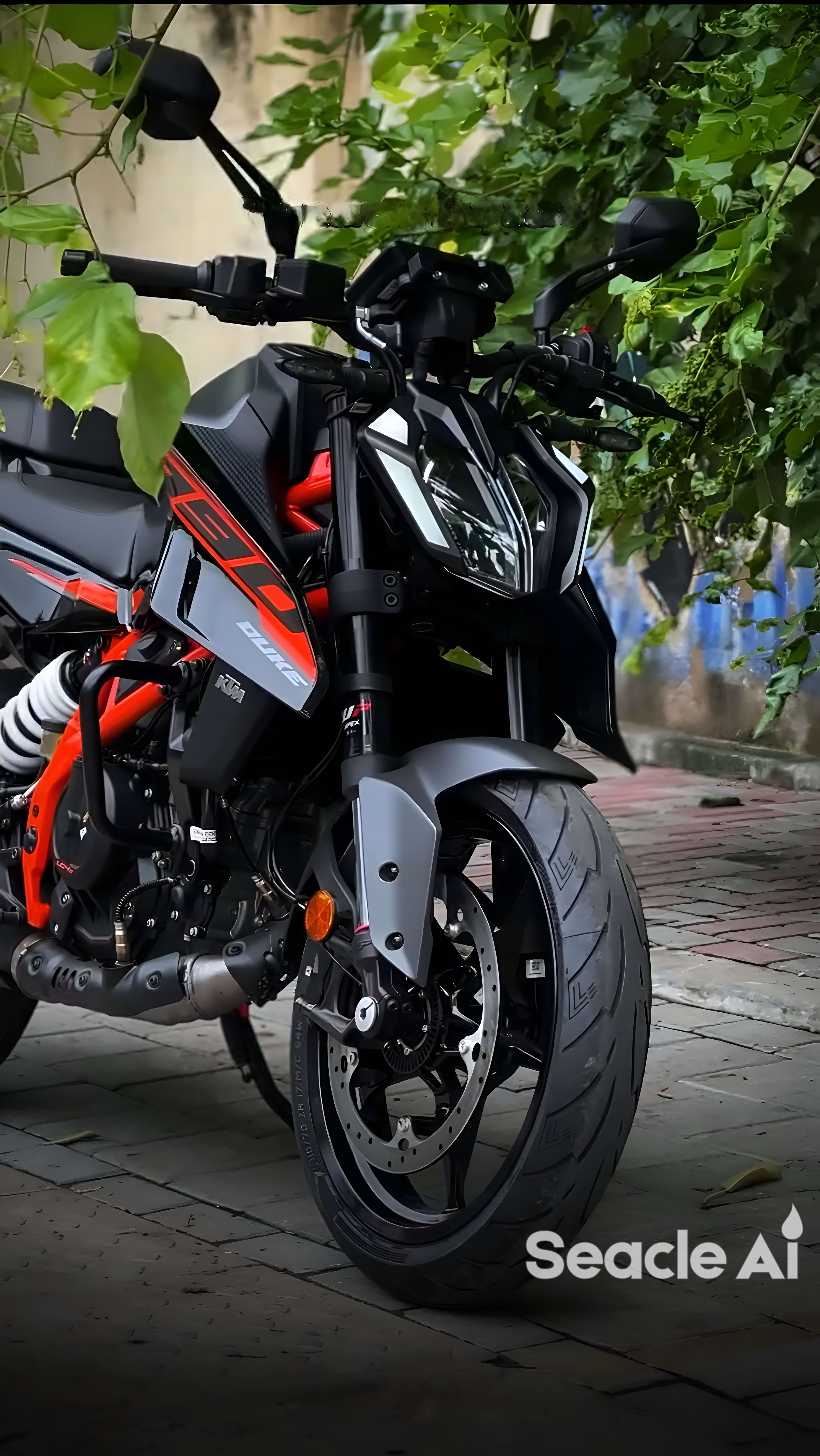
Table of Contents
- What it is and who it is for
- Key specifications
- Real-world performance and ride quality
- Safety, comfort, and technology
- Maintenance, running costs and limitations
- KTM 390 Duke vs Yamaha MT-03
- Who this is NOT for
- Frequently Asked Questions
- Conclusion
KTM 390 Duke: What it is and who it is for
At its core, the KTM 390 Duke is a lightweight, single-cylinder naked motorcycle that prioritizes agility, a snappy power delivery, and a modern electronics package in recent iterations. Think of it as a high-energy city and weekend sport bike for an individual rider who values responsiveness over passenger comfort or long-haul cruising.
Who should consider it:
- Newer riders who want something forgiving but sporty.
- Experienced riders who want a fun, low-commitment machine for commutes and weekend rides.
- Urban riders who need a bike that is easy to park, flickable in traffic, and light enough for tight turns.
Who should not consider it:
- Touring riders who need weather protection and luggage capacity.
- Off-road riders who demand suspension travel and rugged chassis design.
- Those who regularly carry heavy pillion loads or multiple passengers for long distances.
This part is not as good as it sounds.
Key specifications
Below I separate confirmed, current production specs from expected or rumored changes (if any). Where applicable I note what is practical to expect on the road.
Confirmed specifications (2025 model updates and factory data)
- Engine: 373.2 cc, single-cylinder, liquid-cooled, DOHC.
- Power: Around 43 hp at 9,000 rpm (peak figures vary slightly by market and model year).
- Torque: Approximately 37 Nm at 7,000 rpm.
- Top speed: Practical top speed in the high 160 km/h range; stable authority up to that point.
- Mileage: Real-world combined mileage typically 25–30 km/l depending on riding style; efficient on steady rides, thirstier under aggressive use.
- Seat height: About 830 mm.
- Transmission: 6-speed manual, slipper clutch on recent trims.
Expected or rumored changes (as per reports in 2025 and early 2026)
- Minor ECU maps and emissions tweaks in some markets to meet updated regulations — likely to slightly affect midrange feel.
- Possible accessory packs increasing comfort options, such as improved wind deflectors or cruise aids — as per reports.
- Specifications may change with special editions; check official sources for final numbers.
Most people don’t notice this at first. Over time, the single-cylinder character becomes part of the bike’s identity: it pulls cleanly in traffic and feels punchy, but it is not the kind of engine that gets silky-smooth at triple-digit sustained speeds.
Real-world performance and ride quality
The KTM 390 Duke’s strength is its usable midrange and low curb weight. You can clip through urban intersections, accelerate briskly from roundabouts, and maintain a comfortable pace on winding two-lane roads. The chassis is light and agile; that translates into quick direction changes without needing a lot of lean or body movement.
Practical observations over time:
- In city commutes, riders report easy maneuvering and minimal fatigue after short distances. Fuel use depends heavily on throttle manners; aggressive frequent acceleration brings fuel economy down into the low-20s km/l range.
- On longer rides over two hours, wind buffeting and seat firmness start to show. The lack of fairing makes highway cruising more tiring at sustained 120+ km/h speeds.
- After several thousand kilometers, valve checks and scheduled services are straightforward but not cheap; parts pricing and dealer labor will vary by region.
This is where expectations and reality differ.
Handling and suspension
Suspension is tuned for a balance of sharp handling and urban compliance. The front WP-ish fork and rear monoshock keep the bike composed, but they are not designed for heavy off-road abuse or plush touring comfort. If you prefer a softer, long-distance ride, the stock setup will feel firm.
Braking and stability
Most models come with a single front disc with radial caliper and ABS as standard in many markets. Braking is effective and predictable, with good bite and fade resistance for normal use. This is not a multi-disc high-caliper race setup, but it is perfectly competent for street and occasional spirited rides.
This is where things get tricky.
Safety, comfort, and technology
The KTM 390 Duke has modern electronics that add both safety and convenience. These are not just marketing checkboxes; they materially change how the bike behaves in the real world.
Safety features
- ABS: Typically standard, often switchable for rear wheel or cornering variants depending on model and market.
- Traction control: Present on higher trims and recent updates. It helps on slippery starts and reduces sudden power loss surprises.
- Brake feel: Good modulation and predictable feedback for city stopping.
Comfort and ergonomics
- Seat is firm and compact; acceptable for short-to-moderate rides.
- Riding position is slightly upright with a sporty lean; comfortable for urban use but less so for long motorway stints.
- Footpeg placement favors control and cornering clearance rather than laid-back comfort.
Technology
- Full-color TFT display on recent models with smartphone connectivity in certain trims.
- Rider modes on upgraded versions, changing throttle response and stability control behavior.
- LED lighting as standard in most markets for visibility.
Some people think the tech is overkill, but in practice the TFT and modes are genuinely useful when you switch between wet commutes and dry weekend runs.
This part is not as good as it sounds.
Maintenance, running costs and limitations
Maintenance is straightforward, but cost varies. The 373 cc single-cylinder is simpler than a multi-cylinder engine, which reduces some servicing complexity. Still, KTM parts and scheduled servicing at dealerships can be pricier than some Japanese alternatives. If budget servicing is your priority, expect to shop around or accept higher dealer bills.
Realistic limitation that appears only in real scenarios:
- Chain maintenance: In stop-start city traffic the chain needs regular attention. If you ride daily in harsh conditions, expect to clean and lube more often than you would on a commuter bike with a belt drive.
- Seat comfort over long days: After four hours of continuous riding, the seat fatigue will push you to look for breaks or aftermarket padding.
- Fuel tank range: The moderate tank size means frequent fuel stops on long trips. This is not ideal for remote touring where stations are sparse.
Blunt reality: For most people, this will feel like a downside. It is inexpensive to buy relative to liter-class bikes, but ownership costs can be higher than some expect.
KTM 390 Duke vs Yamaha MT-03
Below is a focused comparison that highlights where the KTM 390 Duke stands relative to a close competitor. The aim is to keep the KTM in the center of the discussion while pointing out differences you will feel day-to-day.
| Specification | KTM 390 Duke | Yamaha MT-03 |
|---|---|---|
| Engine | 373.2 cc single-cylinder, liquid-cooled, DOHC | 321 cc twin-cylinder, liquid-cooled |
| Power | ~43 hp | ~42 hp |
| Torque | ~37 Nm | ~29.6 Nm |
| Top speed | High 160s km/h practical | Low to mid 160s km/h practical |
| Mileage (real-world) | 25–30 km/l (varies with riding) | 28–32 km/l (often slightly higher at steady paces) |
| Tank capacity | Approx. 13.4 liters | Approx. 14 liters |
| Braking & safety | Single front disc with good caliper; ABS standard; traction control on some trims | Dual-channel ABS common; braking strong but depends on model spec |
| Price range (2025-26) | Mid-range for light-sport segment; varies by market and trim | Comparable mid-range; sometimes priced slightly lower in some regions |
1. Engine and overall performance
The KTM 390 Duke’s single-cylinder produces strong midrange shove, which feels punchy in urban use and on twisty roads. The Yamaha MT-03’s parallel twin is smoother and revs more freely at high rpm. Some people prefer the twin’s refinement, but in practice the KTM’s torque delivery makes it more satisfying for quick overtakes from mid-speed.
2. Torque, top speed, and mileage
Torque favors the KTM, which translates to quicker response off the line. Top speeds are similar on paper; real-world top speed differences are minor once you factor wind and rider position. The MT-03 can be marginally more economical on steady rides, but if you ride the KTM hard you will see the economy drop noticeably.
3. Key features
The KTM often wins on electronics suite and sharp chassis feel; recent Dukes have advanced TFTs and ride modes. The Yamaha is simpler in its interface but reliable and easier to live with for maintenance-minded owners.
4. Price considerations
Prices change by market. As of 2025-26, the KTM is competitively priced but expect accessory and service costs to be higher in some regions. The MT-03 can undercut the KTM slightly in purchase price, which matters if you are budget-focused.
5. Which user should choose which bike
- Choose the KTM 390 Duke if: You want lively midrange performance, an aggressive chassis for fun roads, and modern electronics.
- Choose the MT-03 if: You value smoother engine refinement, slightly lower running costs, and simpler maintenance routines.
6. Tank capacity
The KTM’s tank (~13.4 liters) is adequate for daily city use but limits range on long trips. If you plan long rides without refueling stops, neither bike is ideal, but the MT-03’s slightly larger tank gives a small practical edge.
7. Braking systems and safety features
Both bikes have competent braking. KTM focuses on a sharp, responsive brake feel and often offers traction control; Yamaha focuses on steady modulation and straightforward ABS setups. If you value electronic aids, KTM may have more options on mid-to-top trims.
This matters more than it seems.
Who this is NOT for
If you want a bike built for long-distance comfort, heavy pillion work, or serious off-road riding, the KTM 390 Duke may not be your best choice. This makes sense when you prioritize light weight and nimble city performance, but it may not work if your main use case is multi-day highway travel or carrying lots of luggage.
If you are expecting convenience, this will disappoint. The seat and wind protection are basic. If your daily routine includes long motorway commutes, consider something with a fairing and a more relaxed riding posture.
Frequently Asked Questions
What is the minimum height to ride the KTM 390 Duke?
The seat height is roughly 830 mm. Riders with an inseam of about 30 inches (76 cm) and up can generally manage the bike comfortably; for shorter riders, practice with mounting and consider lowering options or an aftermarket seat. Reach and balance are the real factors, not just raw height.
How much maintenance does the KTM 390 Duke need?
Regular oil changes, chain maintenance, and scheduled valve checks are required. Expect intervals similar to other small-displacement sport bikes. The cost can be higher at official dealers compared to local workshops.
Is the KTM 390 Duke good for beginners?
Yes, for riders who want a sportier learning platform. It is forgiving but responsive. Beginners should respect the power and learn throttle control; rider aids like traction control can help on slippery surfaces.
Are there any upcoming changes to the model?
As of early 2026, minor electronic updates and special editions have been reported. These are expected changes and may vary by market. Specifications may change; check local KTM announcements for final details.
Conclusion
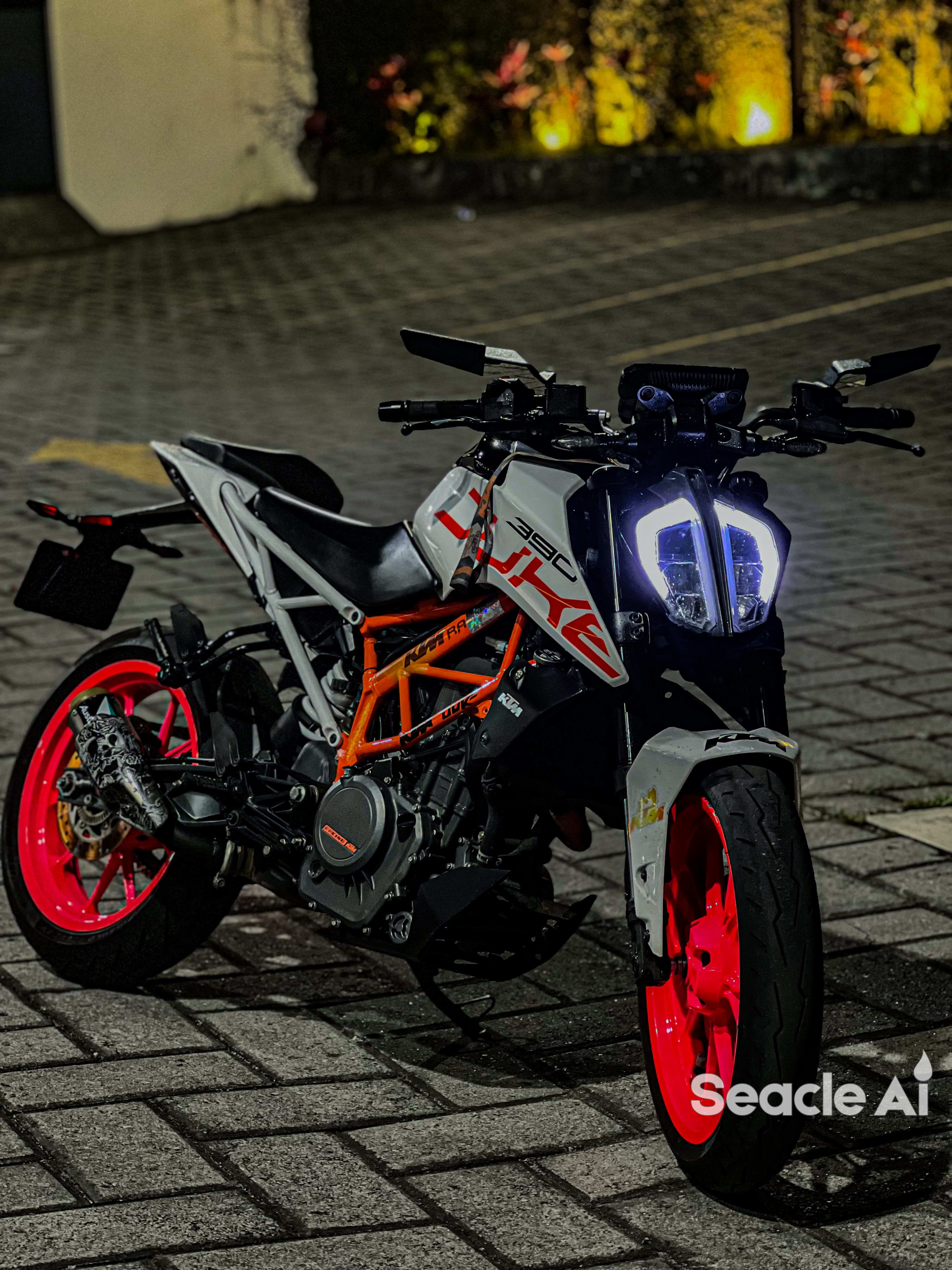
The KTM 390 Duke is a focused motorcycle that delivers sharp handling, lively midrange power, and a modern electronics package in a lightweight chassis. It is best for riders who want an energetic street bike for commutes and spirited weekend rides. If you want plush touring comfort, extensive luggage capacity, or serious off-road ability, this is not the bike for you.
Strengths:
- Lightweight and agile chassis that rewards precise inputs.
- Strong midrange torque that makes city riding engaging.
- Modern tech and display options on recent models.
Drawbacks and practical limits:
- Firm seat and minimal wind protection reduce comfort on long rides.
- Service costs and parts can be higher compared to some rivals.
- Tank size limits range; frequent refueling on long trips is likely.
If you want a bike that feels lively in town and sharp on twisty roads, the KTM 390 Duke makes a lot of sense. If you need long-range comfort or heavy-duty carrying capacity, this may not work. Decide based on how you ride day-to-day: short commutes and weekend bursts suit it well; full-time touring does not.
Final practical takeaway: The KTM 390 Duke is an excellent urban and sport-oriented small-displacement motorcycle. Buy it if you value agility and character over touring comfort and ultra-low running costs. Some people think its single-cylinder is rough, but in practice it gives the bike its charm. This is not comfortable for daily long-distance touring. Check the latest regional specs before purchase because small changes are still being announced in 2025 and 2026.