

Hero XPulse 200 4V — practical review and ownership guide
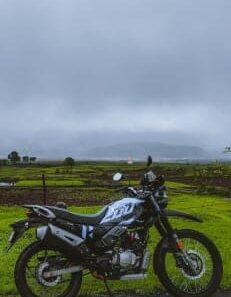
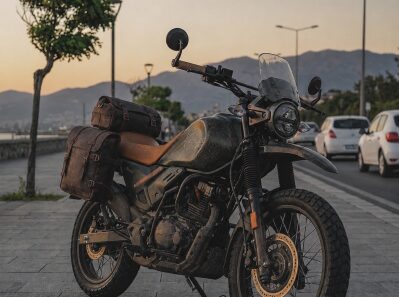
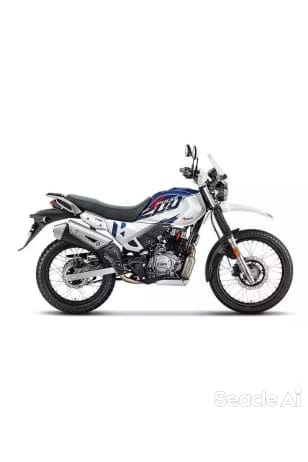
Hero XPulse 200 4V arrives as a precise tool for riders who want a lightweight, manageable dual-sport machine without the cost or complexity of big adventure bikes. In the first 100 words: this is a small-displacement, street-legal dual-sport motorcycle designed for riding on city roads, light trails and occasional rough tracks, and not for heavy off-road competition or high-speed touring.
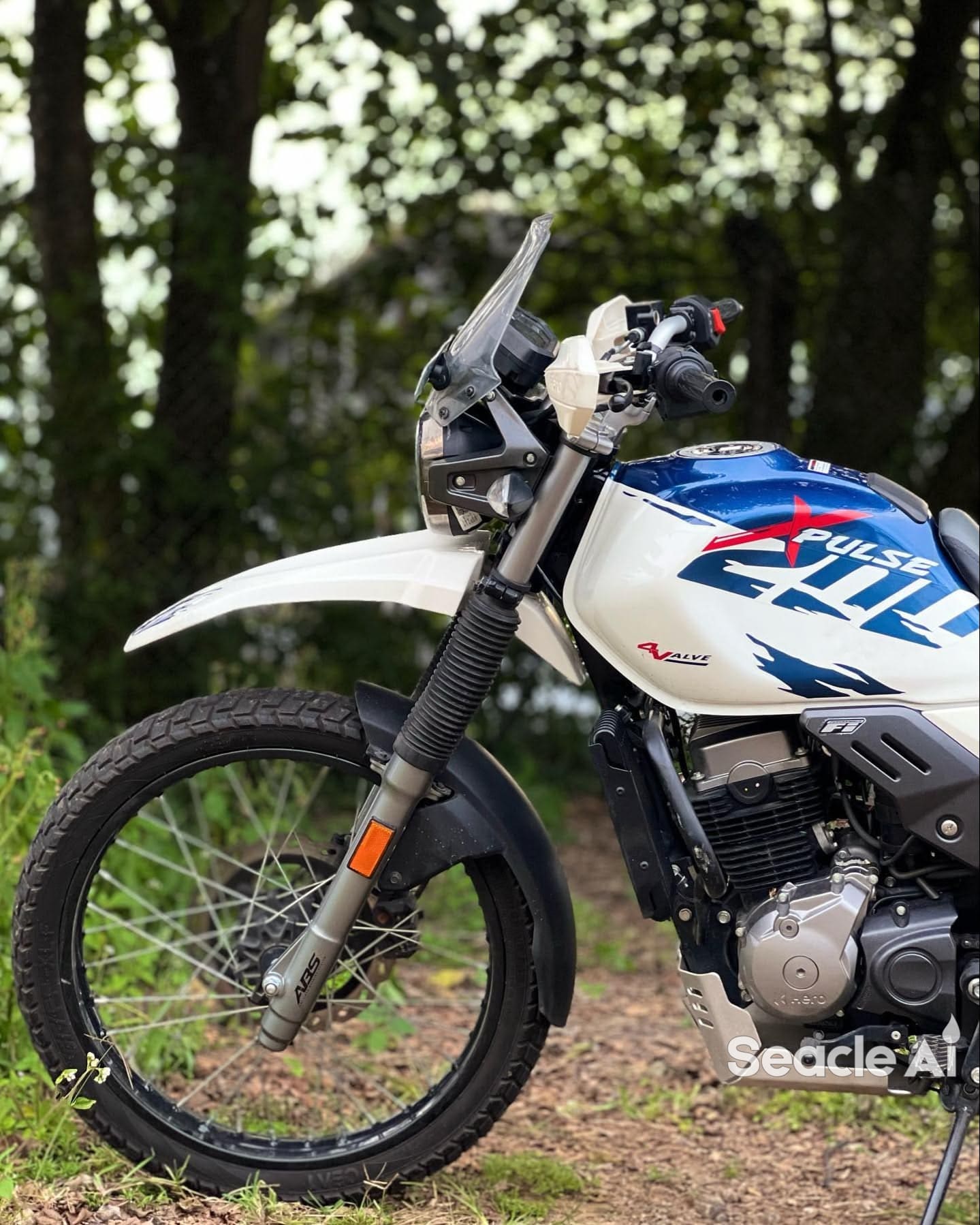
Table of Contents
- Hero XPulse 200 4V — practical review and ownership guide
- What type of bike is this and who is it for?
- Key specifications and what they mean on the road
- Minimum height to ride Hero XPulse 200 4V
- Safety, comfort and technology features
- Real-world advantages and limitations
- Confirmed vs expected information
- Head-to-head comparison with KTM 250 Adventure
- Frequently Asked Questions
- Conclusion
What type of bike is this and who is it for?
The XPulse series is Hero’s answer to riders who want a nimble, high-seat, go-anywhere commuter that can also handle broken roads and light trails. The 4V version upgrades the valvetrain and tune for slightly better midrange and refinement compared with older two-valve models.
Who this is for:
– Urban commuters who need a bike that is easy to flick through traffic but comfortable for occasional weekend dirt runs.
– New to intermediate riders who value a forgiving power delivery and upright ergonomics.
– Riders who want a low-cost, low-maintenance adventure-style machine rather than a performance or long-haul tourer.
Who this is NOT for:
– If you want high-speed highway touring comfort or sustained triple-digit cruising, this is not ideal.
– This is not a heavyweight off-road race bike. For aggressive enduro riding or heavy luggage touring, look elsewhere.
This is not ideal for everyone. For most people, this will feel like a downside when they expect a pure adventure bike.
Key specifications and what they mean on the road
Below are the important figures and what they mean during everyday use. I list figures that are confirmed by manufacturer material or widely reported testing, and then practical interpretation.
Engine and transmission
Engine type: Single-cylinder, 199.6 cc, fuel-injected, air/oil-cooled unit. Transmission: 5-speed gearbox with a slipper-clutch-like feel on downshifts (not a full slipper in most markets).
What this does in practice: the single-cylinder layout keeps the engine light and simple. You get usable torque low in the rev range, which makes town riding and technical trail sections manageable without constant clutch slippage.
Power, torque, top speed and mileage
- Power: Manufacturer-rated peak power is around the high teens in PS. That means the bike accelerates briskly up to urban speeds but is not a track machine.
- Torque: Midrange torque is the important bit here; expect user-friendly punch that helps in traffic and on loose surfaces.
- Top speed: Real-world top speed is about 100–110 km/h with a cautious estimate for sustained runs. Pushing beyond becomes noisy and less efficient.
- Mileage: Fuel economy in the 35–45 km/l range is common depending on riding style. In mixed city+highway use you can expect the mid-30s.
Most people don’t notice this at first: mileage varies a lot with how you use the throttle on trails. This matters more than it seems.
Dimensions, weight and clearance
- Kerb weight: Around 155–160 kg. That keeps it easy to manage at low speeds and when off the beaten track but gives enough mass for stability on roads.
- Seat height: Around 823 mm (common figure on this class). That results in a tall feel, typical of dual-sport bikes.
- Ground clearance: Roughly 220 mm, useful for avoiding obstacles on rural roads.
- Fuel tank: Around 13 litres, which means reasonable range but not long-haul immunity.
This part is not as good as it sounds. The tall seat helps off-road clearance, but if you are short-legged, the high seat height can be a daily annoyance in stop-and-go traffic.
Minimum height to ride Hero XPulse 200 4V
Using seat height and ergonomics as a guide: with an 823 mm seat, the effective minimum rider height is roughly 160 cm to 163 cm for confident flat-footing at stops for most riders. If you have long legs you will be fine; if you are shorter, you will need to adapt techniques such as using one-foot-down stops or lowering modifications.
If you want a bike you can plant both feet flat at every stop, this may not work. That makes sense when you consider the bike’s off-road aspirations. For riders under 160 cm, try it in person before committing.
Safety, comfort and technology features
The XPulse line prioritizes function over bells. Expect the following items across recent 4V models:
- Brakes: Front disc and rear disc with switchable ABS (single-channel on some trims, dual-channel on higher trims depending on market). The ABS setup prioritizes road safety but can be restrictive on loose surfaces if you prefer rear-wheel slides for control.
- Suspension: Long-travel front forks and a rear monoshock tuned for a balance of comfort and trail compliance. The suspension is more city + light trail focused rather than hardcore off-road damping.
- Tyres and wheels: Spoked rims with tubeless-ready tyres or tubeless options; the wheel sizes favor a 21-inch front in many dual-sport setups, which helps steerability on rough ground.
- Instrumentation: A simple digital console with speed, trip information, fuel gauge and sometimes a basic connectivity module on higher variants.
- Lighting: LED headlamp and DRLs may be included on later trims.
Some people think the ABS ruins off-road fun, but in practice a safe ABS setup prevents sketchy moments on wet tarmac. That’s true to an extent, however if you spend days on loose gravel you might prefer an ABS-off mode on the rear wheel.
Practical use safety notes
- On long descents, engine braking plus moderate use of the rear brake keeps temperatures down; avoid continuous heavy front braking.
- For daily commuting, the light weight and upright ergonomics keep neck and lower back strain lower than heavier adventure bikes.
- Rider gear matters more than people assume; with this bike you will feel exposed at triple-digit speeds, so a good helmet and jacket are essential.
This is where things get tricky. The bike is light and fun, but if you ride it hard on bad roads every day, components like chain and spokes need attention sooner than with a paved-road commuter.
Real-world advantages and limitations
Practical advantages:
- Easy to filter through traffic thanks to low weight and narrow ergonomics.
- Capable on light trails; suspension travel and ground clearance let you handle farm tracks and rutted roads without stress.
- Maintenance is straightforward and cheaper than bigger, liquid-cooled ADV bikes.
Realistic limitations observed over time:
– Suspension trade-offs: the softish setup soaks bumps but can wallow when you load the bike with luggage.
– Highway comfort: prolonged high-speed runs produce wind noise and vibration; passengers may find the seating less comfortable for long distances.
– Luggage capacity: the small tank and limited luggage mounting points mean planning is required for extended trips.
This is not comfortable for daily long-haul touring. If you are expecting convenience, this will disappoint.
Condition-based observation: under full-load conditions with a passenger and luggage, the midrange is still usable, but you will notice slower acceleration and lower top speed on inclines. Over time, riders tend to lower expectations of highway pace and focus on versatility instead.
Confirmed vs expected information
Confirmed (as per official Hero documents and manufacturer specifications released through 2024):
– Engine displacement: 199.6 cc single-cylinder.
– Transmission: 5-speed.
– Seat height: approximately 823 mm.
– Fuel tank: roughly 13 litres.
– Ground clearance: around 220 mm.
– Kerb weight: in the 155–160 kg range.
– Basic safety: front and rear disc brakes with ABS; long-travel suspension designed for mixed surfaces.
Expected or rumored (as per industry talk, dealer notes or press briefings for later model updates in 2025–2026):
– Slight power and torque tweaks to improve midrange response on some 4V trims.
– Potential addition of dual-channel ABS across all trims in certain markets.
– Minor cosmetic updates and a basic smartphone connectivity module on higher trims.
These items are likely or rumored and should be treated as tentative until Hero publishes final specs. Specifications may change.
Head-to-head comparison with KTM 250 Adventure
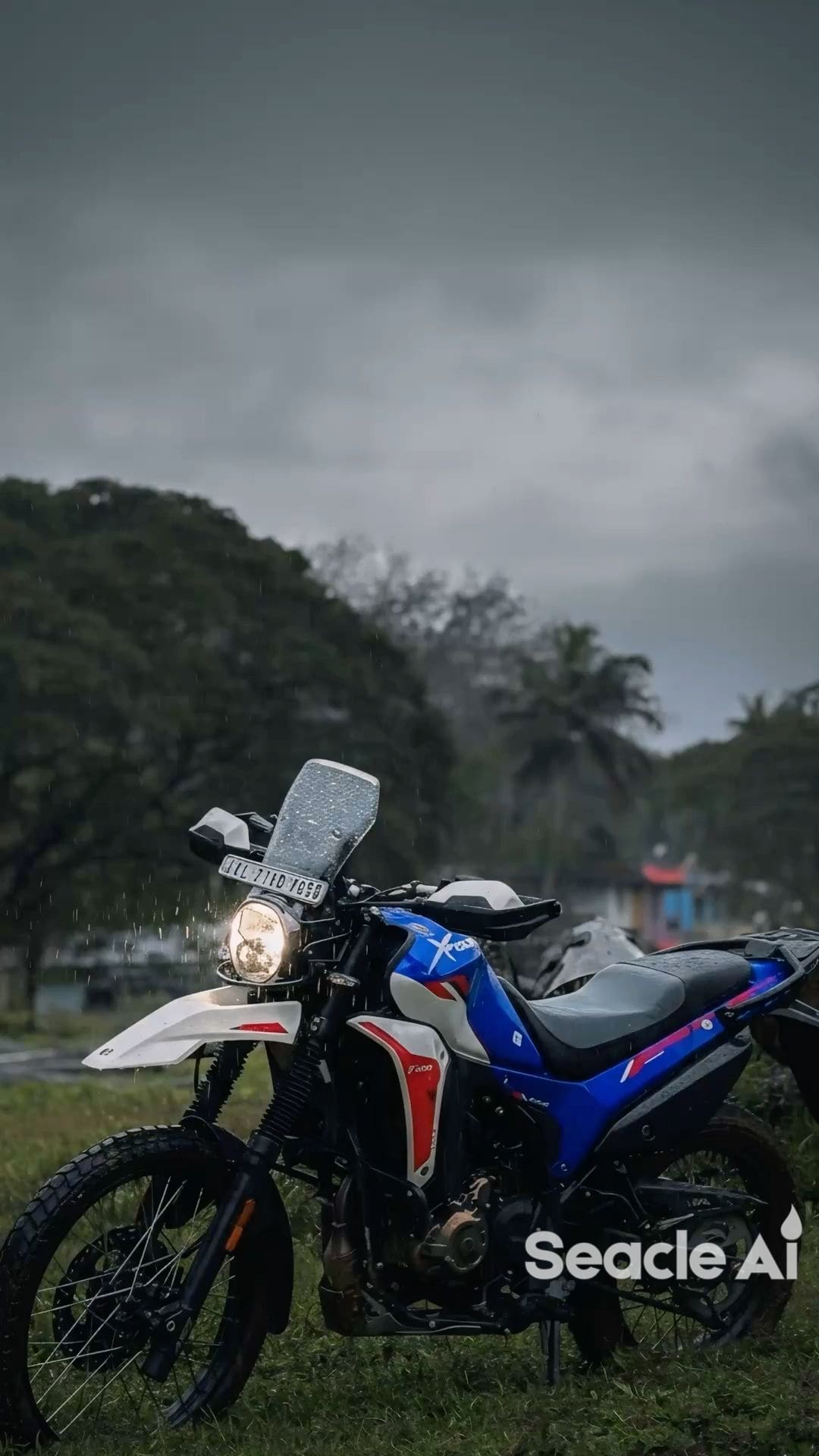
Below is a focused comparison that keeps the XPulse as the center of analysis. I mention the KTM 250 Adventure only to clarify where the XPulse stands relative to a more performance-oriented small adventure bike.
| Item | Hero XPulse 200 4V | KTM 250 Adventure (reference) |
|---|---|---|
| Engine / overall performance | 199.6 cc single, tuned for usable midrange; light and tractable for urban and light trail use. | 249 cc single, higher peak power and a stronger top-end for faster highway cruising and aggressive off-road bursts. |
| Torque / top speed / mileage | Torque focused in midrange; top speed ~100–110 km/h; mileage typically mid-30s km/l in mixed use. | Higher torque and top speed (comfortably into the 120s km/h); slightly lower economy under aggressive riding but close on steady touring. |
| Key features | Long-travel suspension, lighter kerb weight, simple electronics, basic digital console. | More advanced chassis, stronger brakes, ride modes and more feature-rich electronics depending on variant. |
| Price range (current/expected) | Lower purchase price; more affordable running costs and parts. Exact pricing varies by market and trim. This makes sense when budget matters. | Higher initial cost; premium components and dealer support cost more over ownership. |
| Which user should choose which | Choose the XPulse if you want a capable, light dual-sport that is cheaper to buy and maintain and easy to ride in the city. | Choose the KTM if you want higher performance, advanced electronics and frequent highway touring or aggressive off-road riding. |
| Tank capacity | About 13 litres; adequate but not for very long distances without planning. | Tends to be larger on KTM models, improving touring range. |
| Braking and safety | Disc brakes with ABS; effective for daily use and emergency stops. Some trims may have single-channel ABS. | Stronger brake hardware and often full-feature dual-channel ABS with ride modes; better for high-speed or loaded conditions. |
Some people think the XPulse can replace a 250-class adventure bike, but in practice the difference in power and long-distance comfort matters. That’s true to an extent, however for many riders the XPulse’s simplicity and lower cost win out.
Frequently Asked Questions
What maintenance should I expect on a Hero XPulse 200 4V?
Regular oil changes, chain servicing and valve clearance checks at recommended intervals. Expect lower overall maintenance cost than larger adventure bikes, but be prepared to service spokes and suspension seals if you frequently ride rough tracks.
Can I use the XPulse for long highway trips?
You can, but it is not ideal. On long uninterrupted highway stretches you will feel the limits: windblast, vibration and limited luggage capacity become noticeable. This makes sense when you weigh bike choice against intended use.
Is the seat height manageable for shorter riders?
The seat is tall, so shorter riders may need techniques or modifications. Test-sitting and a short ride are essential before purchase. This part is not as good as it sounds for riders under 160 cm.
Are there any common long-term issues?
Over time, riders often report chain stretch, spoke tension checks and the need for suspension setup if you ride with luggage or a pillion regularly. If you are expecting convenience, this will disappoint unless you plan for periodic adjustments.
Conclusion
The Hero XPulse 200 4V is a practical, honest motorcycle that targets riders who want a lightweight dual-sport with low running costs. Strengths are its simplicity, approachable power delivery and off-pavement competence for trails and broken roads. Weaknesses include limited highway comfort, tall seat height for some riders and suspension that compromises between comfort and heavy-load stability.
If you want an affordable, light adventure-style bike that is easy to live with in cities and good for occasional dirt roads, this makes sense. This may not work if you plan long-distance touring at sustained high speeds or need serious off-road racing capability. For most daily riders who value versatility and low-cost ownership, the XPulse is a sensible choice.
Final blunt take: if you expect a high-speed, luggage-laden touring machine, the XPulse will disappoint. But if you want a small, nimble, capable bike that is cheap to run and easy to fix, it will serve you well. Over time, owners typically find joy in its light handling and practicality, while learning to accept its limits on long, fast runs.