


Statement: There are bikes that promise adventure and others that deliver a clear, usable package for daily life and light touring — the Royal Enfield Himalayan sits closer to the latter, with design choices that favor simplicity and predictable behavior over outright performance. In this article I will explain what kind of vehicle it is, who will get value from it, and where it is not the right choice.
Royal Enfield Himalayan: What type of vehicle is it and who is it for?
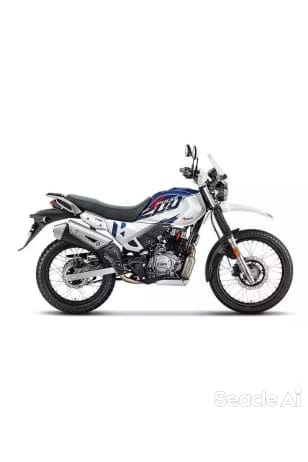
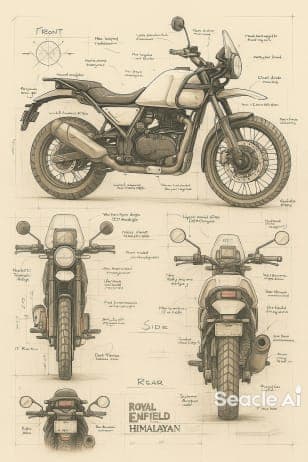
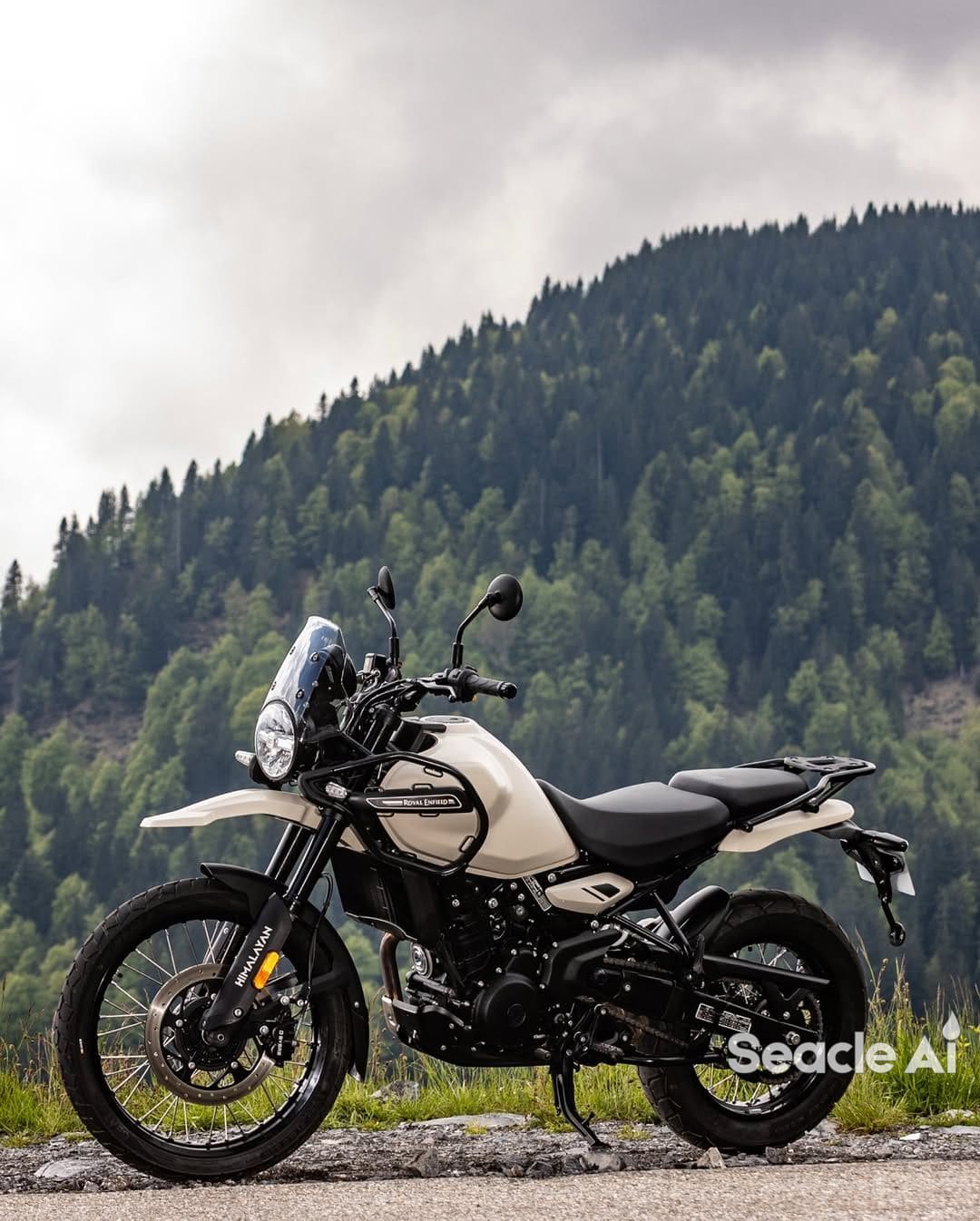
The Himalayan is a mid-capacity adventure-style motorcycle built with a focus on simplicity, low-rpm tractability, and long-term serviceability. It is not a high-performance flagship; rather, it is a purpose-built, dual-purpose machine intended for riders who value usability, easy maintenance, and a relaxed riding posture.
In practical terms, the bike is best for:
- Commuters who also want weekend touring capability.
- Riders who prefer predictable handling at moderate speeds.
- Motorcyclists who like mechanical simplicity and easy repairs in remote areas.
This is where things get tricky. The Himalayan looks the part of a full-bore adventure bike, but it has limits when you push it toward sustained high-speed touring or very rough, technical off-road obstacles. Some people think its styling and raised suspension mean it will match larger adventure bikes in all conditions, but in practice it does not.
Key specifications
Below are clear, confirmed numbers where available and expected ranges where manufacturers or reports have indicated changes. I separate confirmed facts from rumored or expected figures so you can see what is final and what is still subject to change.
Confirmed specifications (as of latest 2025 and early 2026 updates)
- Engine type: Single-cylinder, air/oil-cooled, SOHC (confirmed for current production units).
- Displacement: 411 cc for the standard model; some markets offer a tuned 450-ish variant as per manufacturer updates in 2025 (expected availability differs by region).
- Power: Around 24–26 bhp for the 411 cc tune (confirmed in many tests).
- Torque: Approximately 32–35 Nm at low rpm for the 411 cc setup (confirmed).
- Top speed: Real-world top speed typically sits between 120–130 km/h for the 411 cc version on flat roads with 2-up riding being more constrained (confirmed through road tests).
- Mileage: Expect 28–35 km/l under mixed riding conditions; town riding drops this, steady cruising on highways increases it (confirmed variability).
- Transmission: 5-speed gearbox with a slipper clutch on newer variants in 2025 updates (confirmed on some trims).
- Seat height: Approximately 800–835 mm depending on model and seat option (confirmed specs list 800 mm for lower seat and up to 835 mm for standard).
- Kerb weight: In the 199–200+ kg range for standard variants; accessory-fitted models exceed this (confirmed).
- Brakes: Single disc front and rear with dual-channel ABS standard on most markets (confirmed).
Expected or reported changes (rumored / as per reports)
- Reports in late 2024 and early 2025 suggested a mildly revised 450-ish engine option with slightly higher power and torque for select markets — this was rolled out in some regions in 2025; availability remains region-dependent and so should be treated as expected rather than universal.
- Some updates include minor electronics upgrades and an improved instrument cluster in 2025; full adoption across trims is ongoing as per manufacturer roll-out plans.
In plain language: the standard model is tuned for low to mid-range torque, not top-end horsepower. It pulls cleanly from low revs, which makes city riding and loaded cruising easier, but you will run out of top-end on long, high-speed passes.
Minimum height required to ride
Minimum rider height is a practical worry. With the standard seat, the Himalayan requires a reasonable inseam to plant both feet comfortably. Official published seat heights are approximately 800–835 mm depending on the seat option. For most riders, a minimum height of roughly 165 cm (5 ft 5 in) is recommended to get both feet down and feel in control at stops. Shorter riders can often manage with a lowered seat or tailored suspension settings, but this reduces ground clearance.
This matters more than it seems. If you are under 160 cm, you will frequently be shifting position at stops, and that reduces your confidence when carrying luggage or riding on loose surfaces.
Safety, comfort, and technology features
Manufacturers have gradually added practical tech while keeping the core mechanical simplicity. Here are the important items and how they behave in real use.
- ABS and braking: Dual-channel ABS is common on current trims, and the brake feel is predictable. Expect good bite from the front disc and a softer rear feel. For heavy loads or steep descents, ABS helps, but the stopping distance will remain longer than high-performance rivals because the Himalayan is heavier and has smaller front brakes.
- Suspension: Long-travel front forks and a monoshock rear are tuned for comfort and to soak up rough surfaces. The trade-off is that at higher speeds or when cornering aggressively, the suspension can feel softly sprung. Over time, heavier riders or luggage will compress the springs more, and you may need progressive springs or heavier damping.
- Comfort: Upright ergonomics, a wide handlebar, and a relatively flat seat make it comfortable for medium-length rides. For extended highway days, the small screen offers limited wind protection compared with larger adventure bikes.
- Instrumentation and connectivity: Recent trims include digital clusters with basic Bluetooth connectivity for calls and navigation prompts. Expect the system to be usable but not as slick as premium competitors.
- Build and serviceability: The design favors easy maintenance: simple wiring, accessible components, and a widespread dealer network in many markets. Over time, this reduces downtime and repair costs relative to more complex rivals.
This part is not as good as it sounds. The Himalayan’s electronics and rider aids are functional, not flashy.
Practical limitations and real-world observations
Here are limitations you will notice only after some ownership time or under specific conditions.
- Long highway runs: If you want sustained 140+ km/h cruising, this may not be your bike. The engine’s gearing and power curve are tuned for midrange torque. It can maintain highway speeds, but high-speed overtakes require planning and downshifting. This is not comfortable for extended high-speed touring.
- Off-road technicality: The Himalayan is competent on gravel roads and mild trails, but it is not built for technical enduro. Narrow, obstacle-heavy trails or very steep, rutted climbs will expose its weight and suspension limits. This is not ideal for everyone.
- Maintenance cadence: Routine service intervals are reasonable, but older models require regular valve checks and clutch maintenance if used hard. Over time, maintenance costs are moderate; not cheap, not excessive. For most owners, this is a reasonable trade-off.
- Fuel economy in town: Real-world mixed-city riding often gets the lower end of the mileage range — expect 25–30 km/l if you do a lot of stop-start commuting.
A blunt, honest line: For most people, the Himalayan will feel like a compromise if you expect sportbike-level dynamics or long-haul high-speed comfort.
Condition-based observation: Under heavy luggage and two-up riding in hot climates, the Himalayan’s engine heat and suspension sag will be more noticeable by the end of a long day.
Time-based observation: After 10,000–15,000 km, owners often report needing to address suspension rebound or clutch adjustment to maintain the original ride feel.
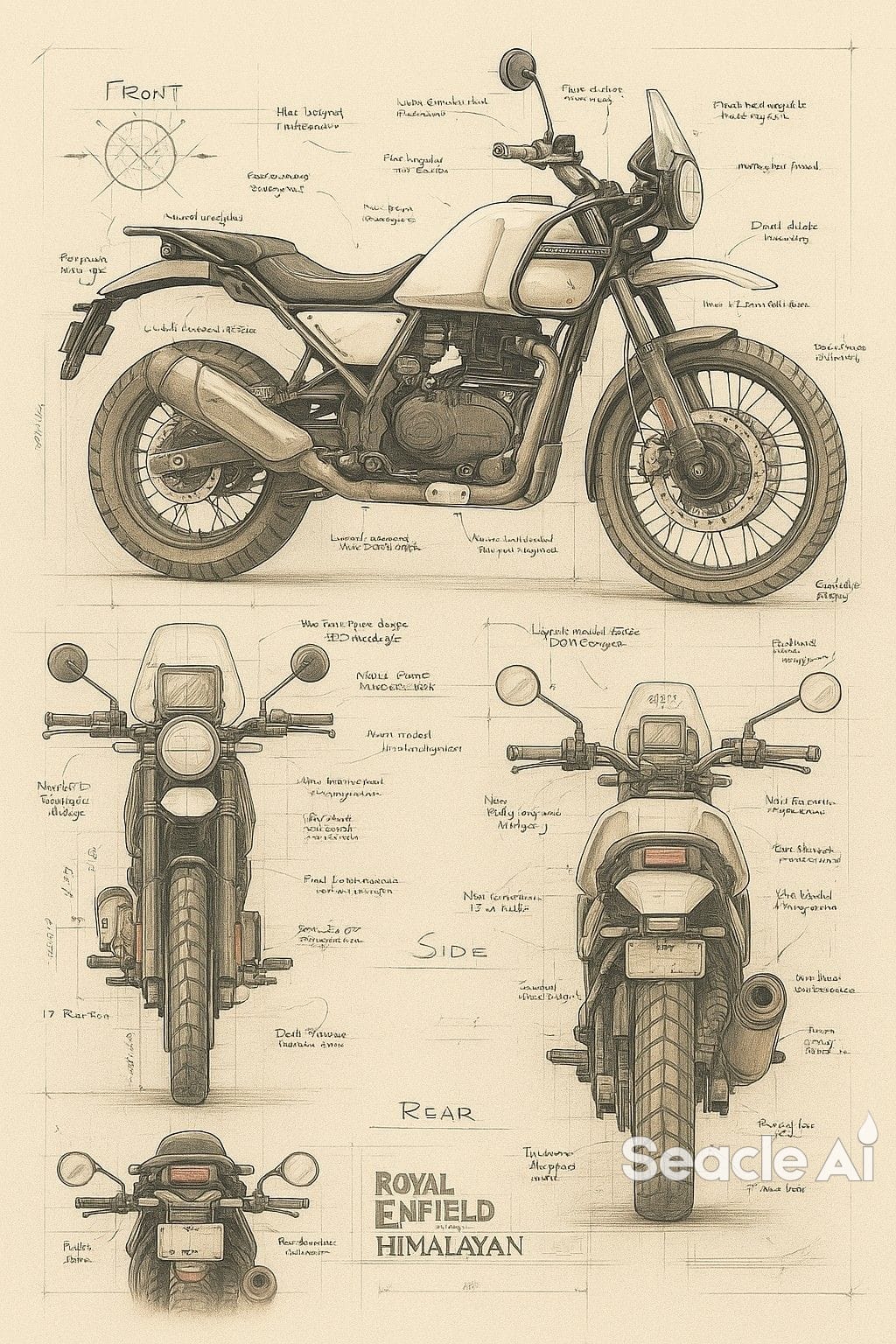
Royal Enfield Himalayan vs Honda CB500X
Comparing the Himalayan directly to the Honda CB500X helps highlight who benefits most from each machine. I focus on practical differences rather than spec-sheet glorification.
| Aspect | Royal Enfield Himalayan | Honda CB500X |
|---|---|---|
| Engine and overall performance | Single-cylinder 411 cc (standard); low-end torque focus, smooth at low revs, tuned for tractable riding. | Parallel-twin 471 cc; higher revving, smoother at highway speeds, more power and refinement for spirited riding. |
| Torque, top speed, mileage | ~32–35 Nm torque, top speed around 120–130 km/h, mileage 28–35 km/l depending on conditions. | ~43 Nm torque, top speed comfortably above 160 km/h, mileage 20–28 km/l depending on riding style. |
| Key features | Simple instrumentation, long-travel suspension tuned for comfort, easy-to-service layout, dual-channel ABS. | More advanced electronics on some trims, refined chassis, ABS with more aggressive braking feel, optional traction control in some markets. |
| Price range (current/expected) | Generally more affordable; pricing positioned for value buyers and emerging markets. (Prices vary by region and trim.) | Priced higher, aimed at buyers wanting more performance and refined engineering; costlier to purchase and insure in many regions. |
| Which user should choose which | Choose the Himalayan if you want simplicity, lower purchase price, easy repairs, and comfort at moderate speeds. | Choose the CB500X if you want higher sustained speeds, smoother twins, and better performance for long highway runs. |
| Tank capacity | About 15 L on standard models — good range due to efficient tuning (real-world range 350–450 km depending on riding). | About 17.7 L — larger tank and higher cruising speed yields similar or slightly better practical range on highways. |
| Braking systems and safety features | Single-disc front with dual-channel ABS; strong initial bite but less stopping power than larger multi-disc setups. | Dual-disc front on many markets with ABS, often sharper braking feel and shorter stopping distances in tests. |
Short summary: If you prioritize low-end tractability, easier maintenance, and a lower purchase price, the Himalayan makes clear sense. If you want higher-speed performance, smoother multi-cylinder behavior, and stronger brakes, the CB500X is the logical step up.
This is not ideal for everyone. If you want aggressive cornering or fast interstate commuting as a daily, the Himalayan may frustrate you.
Frequently Asked Questions
What is the minimum rider height to feel comfortable on the Himalayan?
For most people, about 165 cm (5 ft 5 in) provides a comfortable baseline for planting both feet. Shorter riders can use a low seat option or adjust suspension, but that reduces ground clearance and affects handling on rough terrain.
Can the Himalayan handle serious off-road trails?
The bike is competent on dirt tracks, gravel roads, and light trails. It is not designed for technical enduro obstacles or high-speed off-road rallies. Its weight and suspension travel limit technical off-road capability.
What fuel economy should I expect after a year of mixed riding?
Expect around 28–32 km/l on average for mixed usage. Heavy city commuting and aggressive throttle use will lower that figure; steady highway riding increases it.
Are parts and maintenance expensive?
Parts are generally affordable and widely available in markets where the brand has a dealer network. Labor and routine service costs are moderate; over time you will spend less than on highly complex modern motorcycles with lots of electronics.
Conclusion
The Royal Enfield Himalayan is a straightforward, honest motorcycle: it offers comfortable ergonomics, simple mechanicals, and a riding character that suits low-to-mid-speed touring, commuting, and light adventures. Its strengths are accessibility, repairability, and a ride tuned for predictability rather than speed.
Drawbacks are equally clear. It is not for riders who want sustained high-speed touring, sporty handling, or aggressive off-road performance. For most people, this will feel like a downside if those items are priorities. This is expensive to maintain, no way around it. Just kidding — maintenance is moderate; the real cost is accepting the compromises in speed and braking compared with higher-end adventure bikes.
If you want a companion that is easy to live with and can take you off the beaten path without complex electronics, the Himalayan makes sense. This makes sense when you value low-rpm torque, a large service network, and easy luggage mounting. This may not work if you regularly carry heavy loads at highway speeds or need fast, technical off-road capabilities.
Final takeaway: choose the Himalayan if you want simple, dependable practicality with character. Choose something faster and more sophisticated if you expect long, high-speed interstate days or want aggressive off-road performance. Think of picking a route by the stars: use the Himalayan when you want a steady, reliable guide, not when you need a high-powered telescope to chase every distant light.