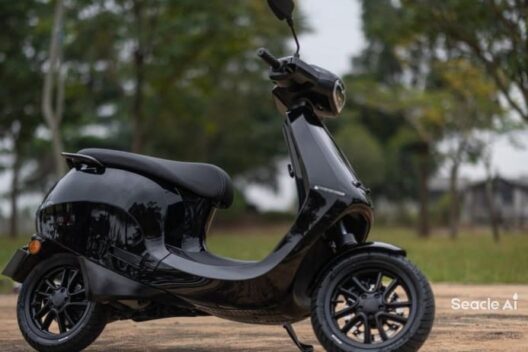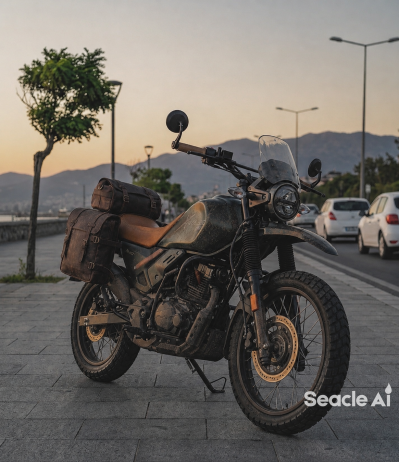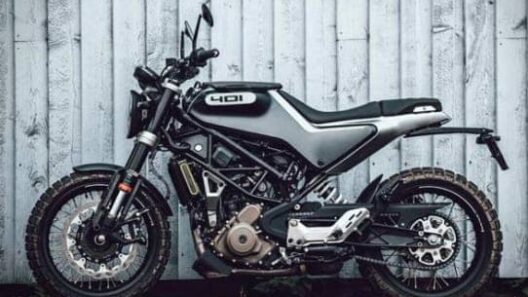


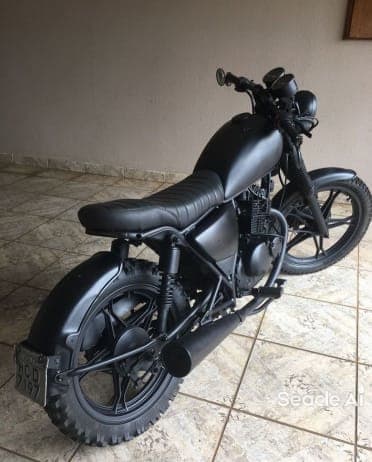

The Suzuki Intruder 250 is a low-slung cruiser aimed at riders who want a relaxed riding posture, simple maintenance and classic cruiser styling without jumping into heavyweight touring bikes. It’s a 250cc single-cylinder machine positioned between commuter-friendly standards and full-size cruisers — a model that suits city riding, short weekend runs and riders who prefer upright feet-forward ergonomics.
Table of Contents
- Suzuki Intruder 250: Quick Specs and Who It’s For
- 250cc cruiser – Engine, power and real-world performance
- cruiser bike – Safety, comfort and technology
- Intruder 250 mileage – Range, fuel tank and daily use
- Limitations and when to avoid this bike
- Comparison with Yamaha FZ25
- Alternatives and who should choose what
- FAQs
- Conclusion
Suzuki Intruder 250: Quick Specs and Who It’s For
This cruiser is built around a 249–250cc single-cylinder, fuel-injected engine paired with a 5-speed gearbox. Confirmed specs in markets where it’s sold show a compact cruiser frame, low seat height and modest power tuned for low-end torque rather than high-rpm horsepower. That makes the bike easier to ride in city traffic and on short highways, but not the best choice if you expect sportbike-like acceleration.
- Type: 250cc cruiser / commuter cruiser
- Engine: Single-cylinder, fuel-injected, air/oil-cooled (varies by market)
- Transmission: 5-speed gearbox
- Seat height: ~740 mm (low; aids reach to the ground)
- Target rider: urban riders, cruiser beginners, riders who value comfort over outright speed
Short observational note: shorter riders usually notice the low seat and easy footing first — it genuinely makes city stops less stressful.
250cc cruiser – Engine, power and real-world performance
Official figures in markets reporting the model put peak power in the mid-20 PS range and torque near the low-20 Nm mark. In practical terms this means:
- Strong mid-range: easy roll-on in city speeds and when overtaking on single-lane highways.
- Top speed: around 120–140 km/h depending on gearing and headwind — respectable for its class but not a highway blitz machine.
- Throttle feel: smooth and linear; however, long periods of stop-start traffic reveal heat around the engine area and a slightly flat top-end response compared with sportier 250s.
Real-world consequence: on 2–3 hour highway stretches you’ll cruise comfortably at 100–110 km/h, but sustained 120+ km/h runs feel strained and push fuel consumption up notably.
cruiser bike – Safety, comfort and technology
The Intruder’s equipment is aligned to practical use rather than gadgetry:
- Brakes: front disc, rear disc in many markets; ABS availability varies by trim and country — some versions offer single-channel ABS while others get dual-channel.
- Suspension: soft-set front forks and a twin-shock rear aimed at absorbing city bumps and light roads; this improves comfort at urban speeds but leads to body roll on twisty mountain roads.
- Tech: basic digital-analog cluster with fuel gauge, trip meters and gear indicator in higher variants; no semi-active suspension or cornering aids.
Why this matters: the soft suspension soothes potholes during daily commutes, but the same setup makes spirited cornering feel loose—most riders notice progressive fatigue in the forearms and upper back after repeated quick direction changes.
Check Price — if you’re comparing bikes in 2026, factor local taxes and ABS requirements into final pricing.
Intruder 250 mileage – Range, fuel tank and daily use
Fuel economy reports vary by rider, traffic and tuning, but expect around 30–35 km/l in mixed Indian city-highway conditions. With a tank capacity close to 12–13 litres, practical riding range sits around 360–450 km between fill-ups.
Practical insight: in real commuting circuits with frequent acceleration and idling you’ll see mileage drop to the lower end; long steady rides bump it toward the higher end. That reflects how cruiser gearing favors relaxed rpm over absolute economy.
Limitations and when to avoid this bike
Important limitations to bear in mind:
- Not for off-roading: low ground clearance and cruiser geometry make it unsuitable for rough tracks.
- Not ideal for heavy touring: limited wind protection, small tank and passenger comfort that’s fine for short distances but tiring on multi-day loaded trips.
- Performance-focused riders should avoid it: if you want sharp cornering or high top speeds, a sportier 250 or larger-displacement bike will satisfy that need more reliably.
Who should avoid it: riders planning long highway touring with luggage, heavy pillion duty every day, or frequent mountain runs where cornering precision matters.
Comparison with Yamaha FZ25
| Point | Suzuki Intruder 250 | Yamaha FZ25 |
|---|---|---|
| Engine and overall performance | Single-cylinder 249–250cc, tuned for low-end torque; relaxed power delivery aimed at cruising. | Single-cylinder 249cc, tuned for broader midrange and slightly sharper throttle response; sportier feel. |
| Torque, top speed, mileage | Torque ~20–22 Nm, top speed ~120–140 km/h, mileage 30–35 km/l (mixed). | Torque ~20–22 Nm, top speed ~135–150 km/h, mileage often similar or a touch lower under aggressive riding. |
| Key features | Low seat, cruiser ergonomics, basic tech, ABS varies by trim. | Upright standard/naked ergonomics, sharper handling, usually single-channel ABS and more modern digital cluster options. |
| Price range (India, approx.) | Estimated ₹1.8–2.1 lakh ex-showroom depending on trim and state (2025–26 indications). | Generally ₹1.6–1.9 lakh ex-showroom (FZ25 tends to be priced slightly lower or similar depending on features). |
| Which user should choose which | Choose Intruder 250 if you want cruiser posture, easier footing and city comfort. | Choose FZ25 if you want sharper handling, occasional spirited riding and slightly better top-end dynamics. |
| Tank capacity | ~12–13 litres (practical range 360–450 km). | ~14 litres (slightly longer range if ridden conservatively). |
| Braking systems & safety | Front disc, rear disc; ABS varies — some trims single-channel, higher trims dual-channel. | Disc front and rear; usually single-channel ABS in base spec, dual-channel on some model years/markets. |
Nuanced note: the FZ25 will feel livelier on twisty roads; the Intruder will feel more composed in city stop-start riding.
Alternatives and who should choose what
- If you want more touring chops, consider a 300–400cc cruiser or a commuter-touring 250 with larger tank and wind protection.
- If you want performance in the 250 class, a sportier street/standard like the FZ25 or comparable rivals will satisfy sharper throttle and handling needs.
FAQs
What is the minimum height to ride Intruder 250?
With a seat height around 740 mm, a rider height of about 160 cm is usually the minimum for comfortable ground reach; shorter riders should test a showroom model to confirm both reach and comfort.
How much mileage does the Intruder 250 give?
Expect roughly 30–35 km/l in mixed city and highway use. Mileage drops in heavy traffic or if you habitually ride at higher speeds.
Is the Intruder 250 good for highway touring?
Short highway runs are fine at 100–110 km/h. For long, high-speed touring with luggage and a pillion it’s less ideal due to limited wind protection, tank size and suspension tuning.
Does the Intruder 250 come with ABS?
ABS availability varies by market and trim — some versions offer single-channel ABS, while higher trims in certain markets get dual-channel. Check the local spec sheet before buying.
Which is better for city commutes, Intruder 250 or FZ25?
For relaxed city commuting the Intruder’s low seat and cruiser ergonomics reduce stop-and-go fatigue. The FZ25 is slightly more nimble in traffic and responds quicker to throttle inputs.
Conclusion
The Intruder 250 is an honest cruiser: low seat, easy-to-manage torque and the kind of ergonomics that make tight city rides less tiring. Its strengths are comfort at town speeds, predictable low-end punch and simple maintenance. The drawbacks are clear: limited high-speed performance, small-ish tank for long tours, and suspension that prioritizes comfort over cornering precision. If you mostly ride city roads and weekend straights with occasional highway stretches, it’s a solid pick. If you plan long-distance touring, aggressive riding or off-road work, look elsewhere.
Final recommendation: Test-ride one and compare it side-by-side with a Yamaha FZ25 if you’re undecided — the difference in feel is more than numbers on a sheet. View Product or Compare Options before you decide.