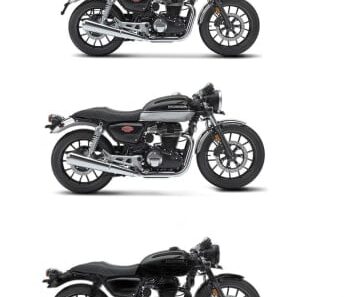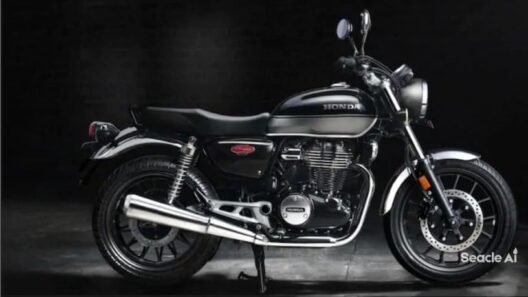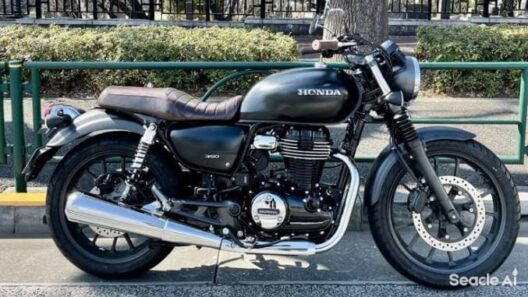


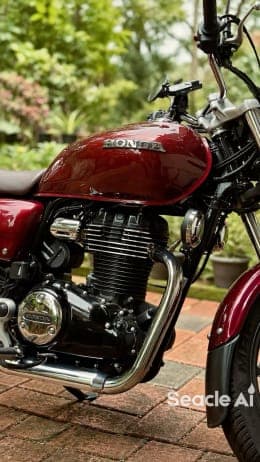

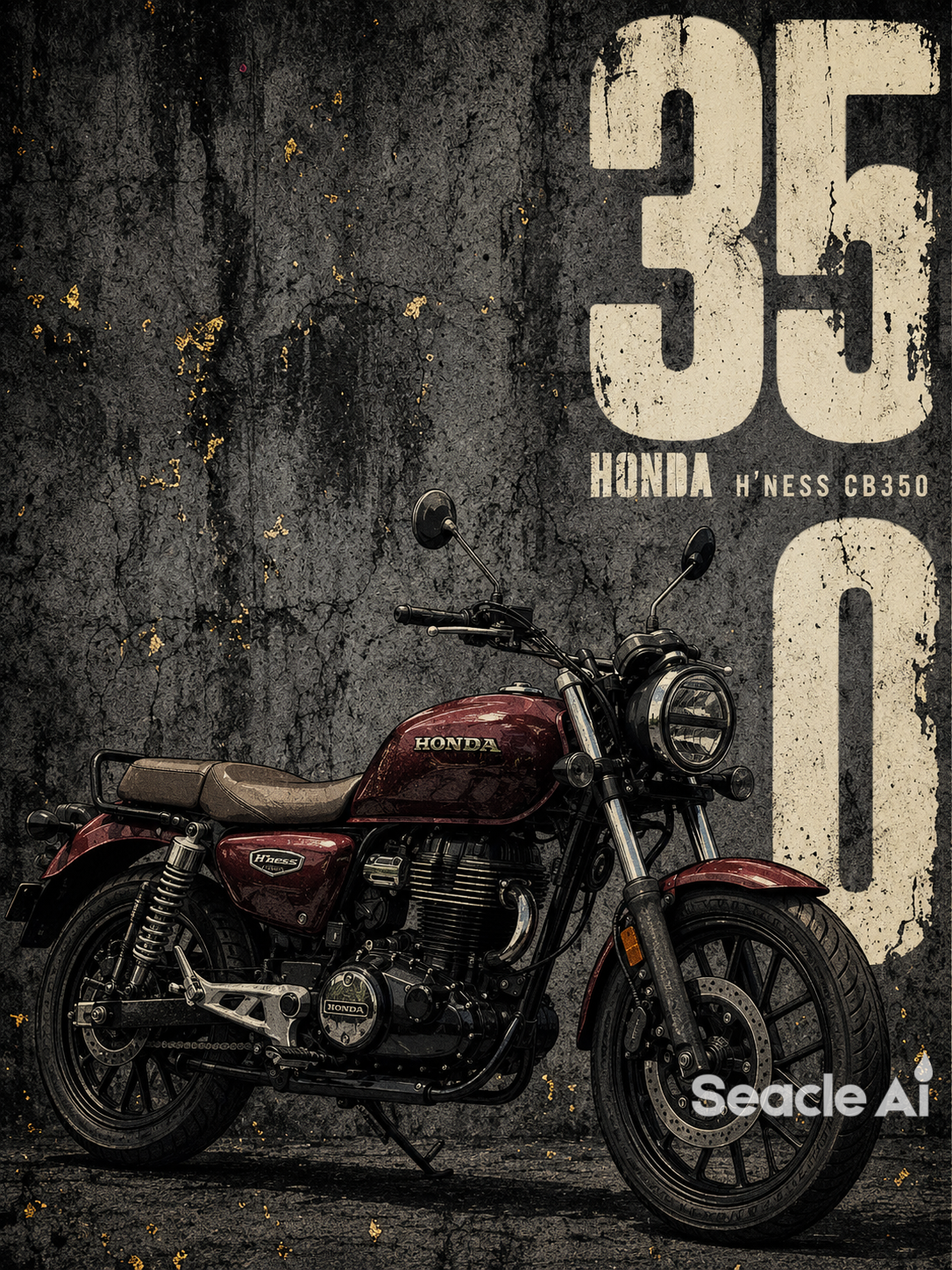
The Honda H’ness CB350 sits in the mid-size retro-cruiser segment and is aimed at riders who want a refined, easy-to-ride street bike with classic styling rather than outright performance. It blends a torquey single-cylinder engine, comfortable ergonomics and modern conveniences, while keeping maintenance and usability sensible for city and occasional highway use.
Honda CB350 specs
Core mechanical specifications are the quickest way to understand what this bike will do day-to-day:
- Engine: 348cc, single-cylinder, air-cooled (OHC), fuel-injected
- Power: ~20–21 PS (around 15.5 kW) at mid rpm range
- Torque: ~30 Nm, available low in the rev band — good for roll-on acceleration
- Transmission: 5-speed gearbox
- Top speed: Typical cruising up to 110–120 km/h; stable up to limited higher speeds on open highway
- Kerb weight: ~181 kg (depends on variant)
- Fuel tank: ~15 litres
These are confirmed engineering choices that prioritize low-end driveability and rider-friendly behavior over peak power. In real riding, that torque figure means you rarely need to downshift to pull out of town traffic — and you feel the engine’s character rather than raw speed. This becomes noticeable during daily commuting when short bursts from 30–60 km/h matter most.
Key features — safety, comfort, technology
The H’ness CB350 mixes retro cues with a few modern bits. Practical highlights include:
- Brakes and ABS: Disc brakes front and rear with ABS; the system is tuned for predictable engagement rather than aggressive stopping.
- Instrumentation: Semi-digital console with trip meters, gear indicator, and sometimes Bluetooth in higher trims (varies by model year).
- Ergonomics: Upright riding position, wide handlebars and a soft but supportive seat — better for city miles than prolonged high-speed touring.
- Build and finish: Metal tank, classic paint options and chrome accents; panels are serviceable and aimed at durability over flash.
On safety: the bike stops predictably and ABS intervention is calibrated to avoid abrupt nose-dives. One real-world consequence is that heavy emergency braking at high speed requires rider composure — the ABS controls wheel lock effectively but the suspension has limited travel, so you feel the chassis pitching more than on long-travel suspension bikes.
CB350 mileage
Fuel economy for this class sits around 35–40 kmpl in mixed use (city plus highway) depending on riding style and traffic. If you ride with a light throttle and maintain 60–80 km/h on open roads, expect closer to 40 kmpl. Push for higher speeds and heavy acceleration and the figure drops towards the mid-30s. Average running costs are reasonable for a 348cc single; routine servicing intervals and parts pricing are competitive in India, but long-term valve clearances and occasional carburetor-like adjustments (fuel-injection systems aside) can raise workshop visits slightly compared with simpler commuters.
Honda H’ness seat height
Seat height is around 800 mm. That means the minimum recommended rider height to manage the bike confidently is about 160–165 cm with both feet flat or at least one foot planted securely. Shorter riders usually notice this first when stopping on slopes or in heavy traffic — the weight distribution and 181 kg kerb mass make tip-back a real concern if you can’t plant your feet well. Taller riders will appreciate the relaxed cockpit; the seating position reduces fatigue over a 2–3 hour ride, but for day-long touring you’ll feel the suspension’s limits.
H’ness CB350 vs Meteor 350
Below is a focused comparison across the most actionable categories for a buyer choosing between the two.
| Item | Honda H’ness CB350 | Royal Enfield Meteor 350 |
|---|---|---|
| Engine & performance | 348cc, ~20–21 PS; smoother at low rpm, quicker to rev in short bursts | 349cc, ~20–21 PS; heavier feel, more classic thump and mid-range shove |
| Torque / Top speed / Mileage | ~30 Nm torque; top speed ~110–120 km/h; mileage 35–40 kmpl | ~27–28 Nm torque; similar top speed; mileage 30–38 kmpl |
| Key features | Modern brakes/ABS, semi-digital console, refined finish | Simple instruments, focus on character, larger dealer support in some regions |
| Price (approx.) | Rs. 2.1–2.3 lakh (ex-showroom, India) — varies with variant and year | Rs. 1.8–2.0 lakh (ex-showroom) — typically cheaper |
| Who should choose | Riders wanting a refined, less-vibratory ride with modern usability | Buyers wanting traditional character, simpler tech and a budget-friendly option |
| Tank capacity | ~15 litres | ~15 litres |
| Braking & safety | Disc front/rear with ABS; predictable feel | Disc front/rear with ABS in newer trims; signature lever feel |
In short: the CB350 leans toward refinement and composure; the Meteor leans toward classic character and simplicity. If you commute a lot in traffic, the Honda’s smoother torque delivery and lighter clutch action matter. If you love the engine sound and a simpler bike to tinker with, the Meteor makes more emotional sense.
Where it works well and where it doesn’t
Good uses:
- City commuting with occasional highway stretches — the motor’s usable torque reduces shifting frequency.
- Short to medium leisure rides for riders who value comfort and refinement over outright cruising speed.
When it’s not ideal:
- Hard, long-distance touring at sustained triple-digit speeds — the suspension and seat start to show limits after several hours.
- Off-roading or heavy load-carrying — the chassis and power delivery are not designed for rough terrain or big pillion + luggage combos.
Who should avoid it: riders seeking performance-focused acceleration or those planning regular off-road trips. This matters more than it seems: the CB350’s engine character and chassis are optimized for smooth roads and predictable daily use.
Real-world observations
- Throttle response is forgiving in traffic; the gearbox is geared to keep the engine in a comfortable band, which reduces fatigue in stop-start conditions.
- On longer runs, you notice the suspension firmness and seat compression — after 3–4 hours you start moving in the saddle to stay comfortable.
FAQs
- What is the Honda CB350 specs on engine and transmission?
- It uses a 348cc single-cylinder, air-cooled engine with fuel injection and a 5-speed gearbox. The setup favors midrange torque rather than peak horsepower.
- How good is CB350 mileage in city vs highway?
- Expect roughly 32–36 kmpl in city commuting and up to 38–42 kmpl on steady highway runs if you maintain moderate speeds. Heavy throttle use reduces economy noticeably.
- What is the minimum height to ride Honda H’ness CB350?
- With a seat height around 800 mm, riders shorter than 160 cm may find it tricky to put both feet flat; a minimum practical height is about 160–165 cm for confident stops.
- How does H’ness CB350 vs Meteor 350 compare on long rides?
- The Honda is more refined and vibrates less, which helps over several hours; the Meteor’s simpler setup and softer suspension feel forgiving but the Honda edges ahead in high-speed stability. Choice depends on whether you prioritise comfort or classic thump.
- Are spare parts and service expensive for the H’ness?
- Parts costs are reasonable by mid-capacity bike standards in India, and Honda’s dealer network is extensive. Still, periodic valve checks and occasional electronic sensor replacements add to long-term costs compared with very basic bikes.
Final thoughts:
The Honda H’ness CB350 is for riders who want a calm, everyday cruiser with modern usability and a tasteful retro look. It shines in traffic and on short-to-medium weekend rides, offering smoother power delivery and better refinement than many peers. But it is not a long-haul touring platform or an off-road tool — heavier luggage and sustained high-speed touring reveal its suspension and seat limitations. Shorter riders should try a test stop to confirm footing; this is where many buyers decide it’s not for them.
If you want to compare prices or find local availability, Compare Options and check dealer offers before buying.
Recommendation: Choose the H’ness CB350 if you value daily usability, smoother low-end torque and a cleaner ride at moderate speeds. If you prefer character, lower upfront cost and a simpler mechanical feel, look at the Meteor 350 instead.
SEO-friendly URL slug: honda-hness-cb350-review-specs-2026
Meta title: Honda H’ness CB350 Review — Real-World Specs, Limits & Comparison
Meta description: Honda H’ness CB350 is a refined 348cc retro cruiser offering smooth torque, ~30 Nm and ~35–40 kmpl; ideal for city to short highway rides but not for heavy touring.
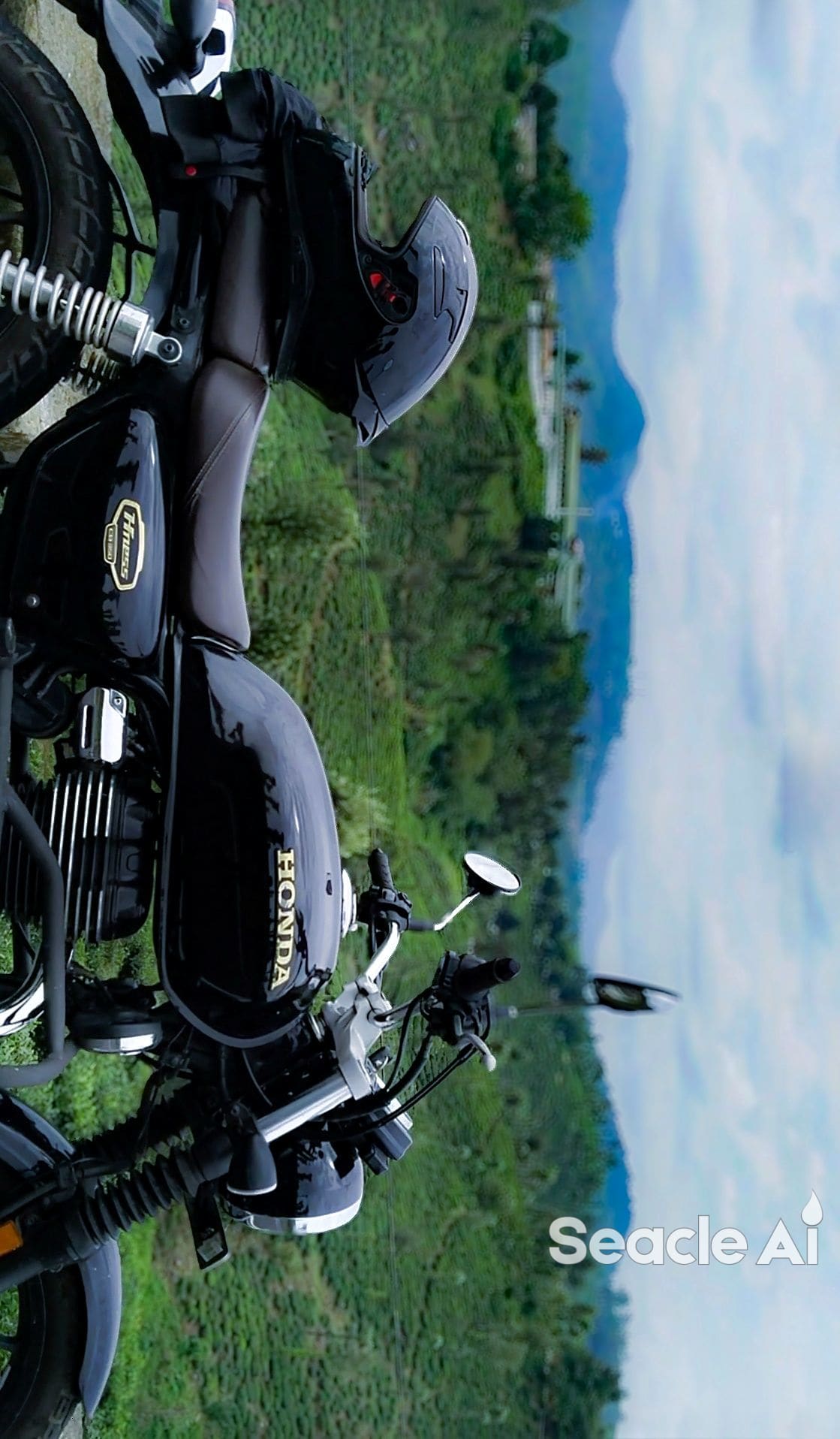
Image alt text 1: Honda H’ness CB350 parked showing retro tank and chrome
Image alt text 2: Honda H’ness CB350 rider position and instrument cluster