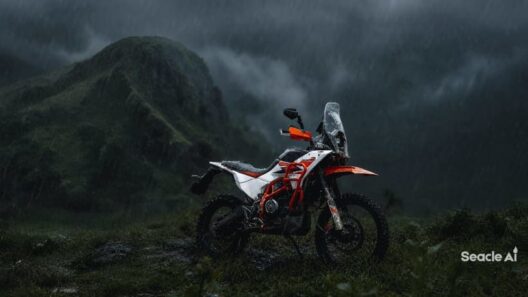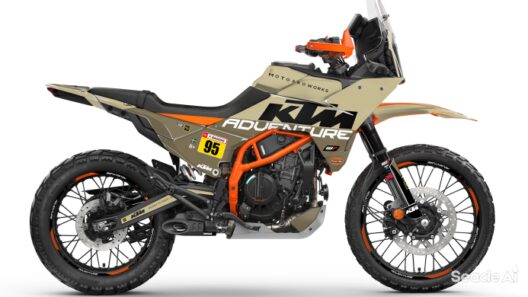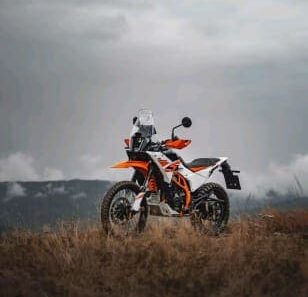
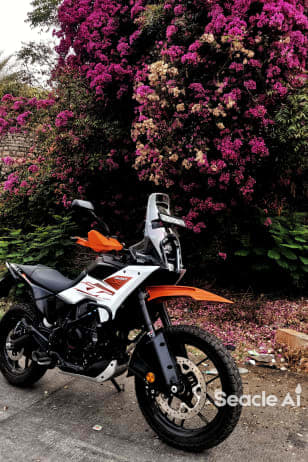

KTM 390 Adventure arrives as a compact, light-weight adventure motorcycle aimed at riders who want capable on-road touring and light trails without the bulk of big adventure bikes. It’s best for solo riders and couples who prioritize agility, spirited performance on twisty roads, and manageable city commuting; it is not the bike for heavy off-road rock gardens or multi-day, luggage-heavy transcontinental tours where large fuel tanks and plush suspension matter more.
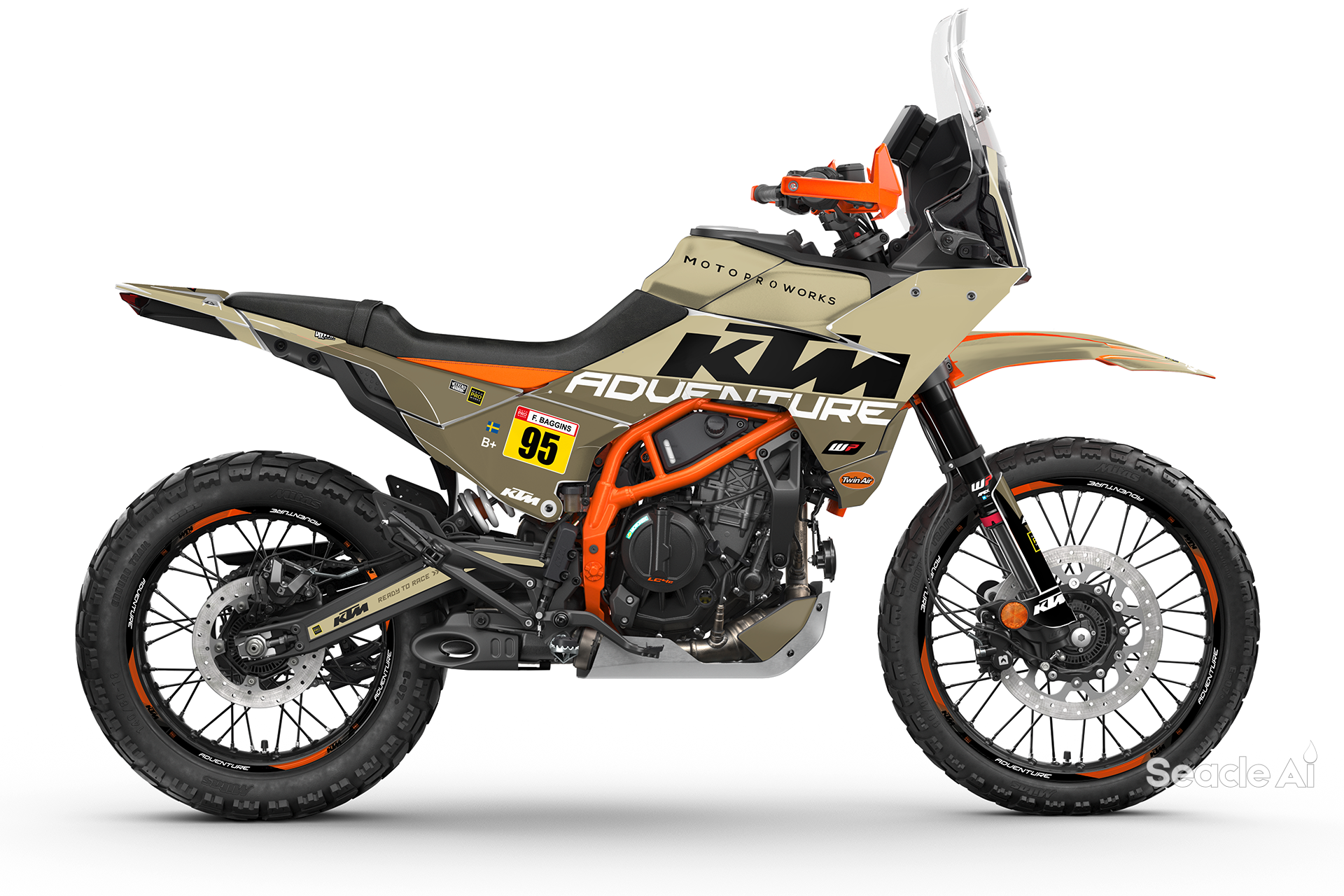
Table of Contents
- Quick overview
- Key specifications (390 Adventure specs)
- Safety, comfort and technology
- Minimum height to ride KTM 390
- Real-world riding notes
- Downsides and limitations
- KTM 390 Adventure vs Royal Enfield Himalayan 450 (KTM 390 vs Himalayan)
- Alternatives and who should buy what
- FAQs
- Conclusion
Quick overview
The bike is powered by a 373.2 cc single-cylinder engine tuned to prioritize usable midrange and strong top-end punch for a sub-400cc adventure platform. KTM positions it as a light, nimble machine for mixed use: weekend trails, hill roads and daily city rides. Think of its handling like sculpting a shoreline—get the balance right and it stands firm, but overload it and it loses shape.
Key specifications (390 Adventure specs)
- Engine: 373.2 cc, single-cylinder, liquid-cooled
- Power: ~43.5 PS (32 kW) @ ~9,000 rpm
- Torque: ~37 Nm @ ~7,000 rpm
- Top speed: ~160–170 km/h (real-world varies with load and conditions)
- Claimed mileage: 25–30 km/l in Indian riding conditions (city/ highway mix)
- Seat height: 855 mm
- Transmission: 6-speed gearbox with slipper clutch
- Fuel tank: ~14.5 litres
- Kerb weight: ~185–190 kg (depending on model year and accessories)
These numbers reflect factory figures and measured road tests available through 2025–2026. Real-world outcomes change with luggage, pillion, and typical Indian road surfaces—expect mileage and top speed to drop noticeably when fully loaded.
Safety, comfort and technology
- Brakes & ABS: Front 320 mm disc, rear 230 mm disc with dual-channel ABS and an off-road mode that reduces rear ABS intervention.
- Electronics: TFT display with smartphone connectivity, multiple ride modes (Street, Rain, Offroad in recent models), traction control adjustable by mode.
- Chassis: Steel frame with long-travel suspension—WP forks and a rear monoshock tuned for a balance of comfort and agile handling.
- Comfort: Upright ergonomics, relatively narrow seat for easy ground reach, but firm padding for sporty support over long days.
On the road this means predictable braking and useful rider aids; in loose gravel the off-road ABS and traction control allow more controlled slides. However, the suspension is on the firmer side—good for keeping the bike composed on sweepers but it transfers sharp hits when Indian roads get abrupt. This becomes noticeable during daily commuting across pothole-heavy routes.
Minimum height to ride KTM 390: who can reach the ground?
Seat height at ~855 mm makes the bike best suited to riders at least 170 cm tall for comfortable two-foot ground contact at stops. Shorter riders can manage with careful foot placement or lower aftermarket seat/peg setups, but they’ll lose some confidence on technical trails. Shorter riders usually notice this first when trying to balance at junctions or on slopes.
Real-world riding notes
Two quick observations from extended use:
- Throttle response is sharp and linear—useful in traffic for quick overtakes, but on long highway runs the responsive throttle can get tiring if you’re trying to keep a steady pace for hours. Rider fatigue builds over time if you’re constantly correcting inputs.
- Weight distribution feels forward-biased under braking, which helps turn-in on twisty roads but makes low-speed maneuvers with luggage more awkward. The bike doesn’t flop like heavier adventure models, yet it rewards correct body placement.
Downsides and limitations
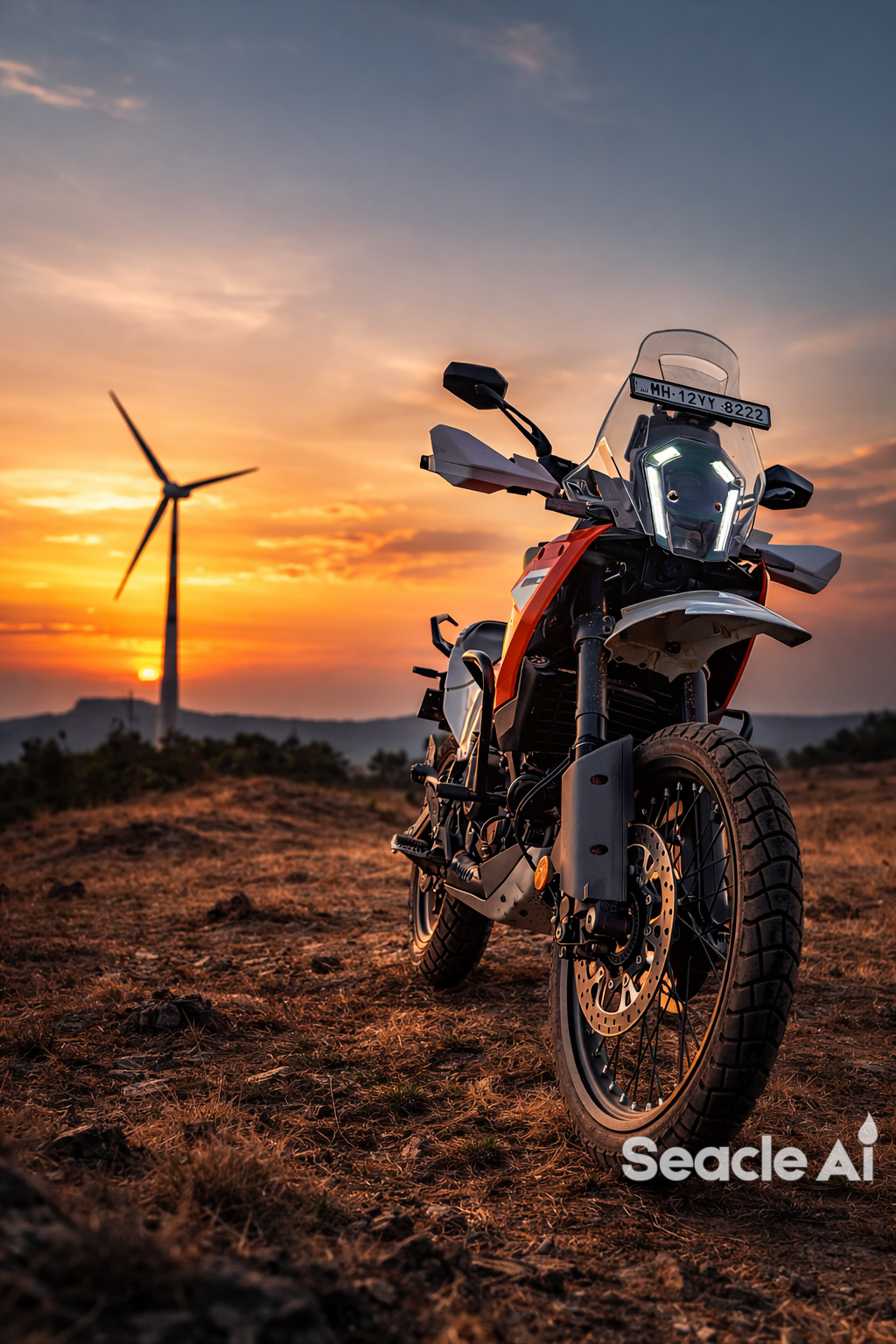
- Not ideal for heavy off-roading: This bike is not meant for aggressive rock-crawling or long stretches of deep sand—suspension travel and ground clearance are limited compared with bigger adventure machines.
- Limited long-distance comfort: The firm seat and compact ergonomics make back and hip fatigue more likely after 5+ hours of continuous riding.
- Running costs: KTM service intervals and premium parts can cost more than simpler single-cylinder alternatives—expect higher maintenance costs if you ride hard or add accessories.
- Fuel range under load: With a ~14.5 L tank, realistic range on mixed riding is around 300–350 km, which is shorter than bigger-tank tourers.
KTM 390 Adventure vs Royal Enfield Himalayan 450 (KTM 390 vs Himalayan)
Below is a concise comparison. Note: Himalayan 450 details listed are largely expected/rumored as of 2025–2026 and could change once Royal Enfield confirms final specs.
| Item | KTM 390 Adventure (confirmed) | Royal Enfield Himalayan 450 (expected/rumored) |
|---|---|---|
| Engine & performance | 373.2 cc single, ~43.5 PS — peppy top-end, quick throttle response | ~450 cc single, ~40–42 PS — more low-end torque expected for low-speed control |
| Torque, top speed, mileage | ~37 Nm, top speed ~160–170 km/h, 25–30 km/l | ~40–42 Nm (rumored), top speed ~150 km/h, 25–28 km/l (expected) |
| Key features | TFT dash, ride modes, off-road ABS, slipper clutch | Likely robust chassis, touring ergonomics, simpler electronics (expected) |
| Price range (India) | ~Rs. 3.2–3.8 lakh (ex-showroom in recent years; check current listings) | Expected Rs. 3.5–4.2 lakh (rumored; could vary by variant) |
| Who should choose | Riders wanting lightweight agility and sportier handling | Riders preferring torque, relaxed ergonomics and touring focus |
| Tank capacity | ~14.5 L | ~15–16 L (expected) |
| Braking & safety | 320 mm front, 230 mm rear, dual-channel ABS with off-road mode | Strong braking hardware expected; ABS likely standard, possibly less electronic complexity |
In short: the KTM is sharper and lighter; the Himalayan 450 is likely to favor low-end tractability, comfort and toolkit simplicity. If you carry heavy luggage frequently or prefer plush long-distance comfort, the Himalayan (if specs hold) leans closer to that need.
Alternatives and who should buy what
If you want pure off-road ability, look at bikes with longer travel suspension and lower final drive ratios. If you want relaxed long-distance comfort, a larger-tanked tourer or the expected Himalayan 450 will be more forgiving on long stints. For city-plus-weekend-escapades the 390 Adventure makes a lot of sense—its compact size keeps parking and traffic threading easy.
FAQs
What is the minimum height to ride KTM 390 Adventure?
With a seat height around 855 mm, a rider of at least ~170 cm can reach the ground with both feet comfortably; riders shorter than that should try the bike in person and consider lowering options or adjust riding technique.
What is the mileage of the KTM 390 Adventure in India?
Expect roughly 25–30 km/l in mixed Indian riding. City-only riding will be lower; sustained highway cruising at high speeds will also reduce economy. The bike’s sporty nature means throttle discipline affects numbers a lot.
Is the KTM 390 Adventure good for off-roading?
For light gravel and forest tracks it performs well thanks to its agility and off-road mode; for sustained technical off-roading, deep sand, or rock-strewn trails, it’s not ideal—suspension travel and ground clearance are limited compared with true enduro machines.
How does maintenance cost compare to Royal Enfield?
KTM generally has higher service and parts costs versus Royal Enfield; RE tends to use simpler tech which can lower long-term running bills. If low maintenance cost is a priority, factor that into your decision.
Does it come with traction control and ride modes?
Yes—multiple ride modes and traction control are part of the package in recent models, helping modulate power delivery for different surfaces.
Conclusion
The KTM 390 Adventure is a focused, light adventure tourer: it rewards riders who value agility, precise handling and a lively engine. Strengths are its power-to-weight ratio, compact footprint, and modern electronics. Drawbacks are limited fuel range, firmer long-distance comfort, and higher maintenance costs compared with simpler machines. Avoid it if you need a bike mainly for heavy off-roading, extended luggage-heavy touring, or if you’re under ~170 cm and uncomfortable with its seat height.
If you want nimble weekend escapes and city practicality with sportier dynamics, the KTM 390 Adventure is a strong pick. If you prefer low-end torque, plush long-haul comfort and simpler servicing, wait for or consider options like the Himalayan 450 when specifications are final.