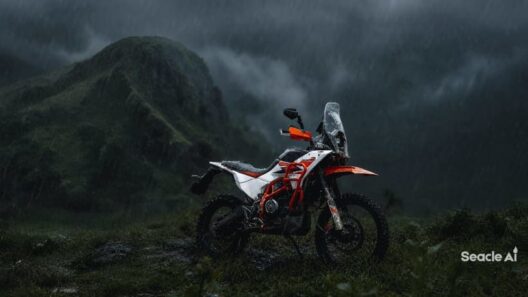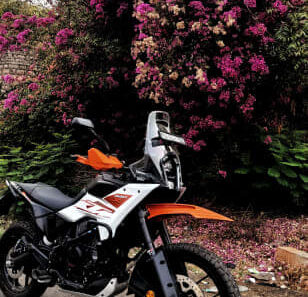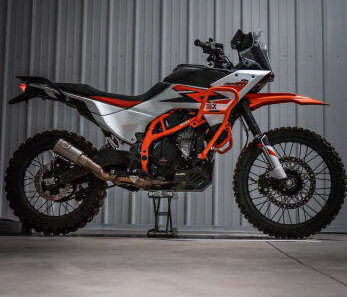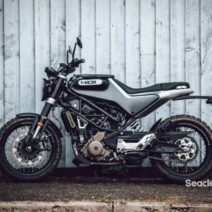
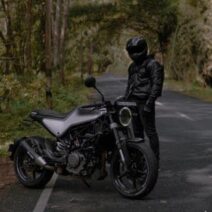
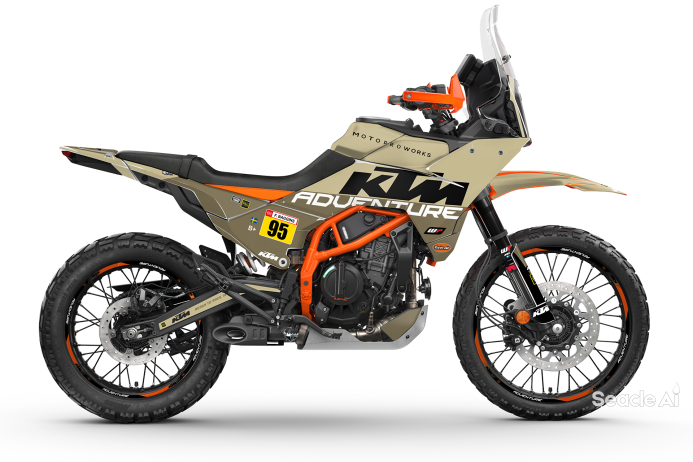

The KTM 390 Adventure sits between light dual-sport bikes and full-size ADV machines — a compact, engine-forward machine aimed at riders who want capable on-road touring with occasional rough-road capability. It’s not a full off-roader or a heavy two-up tourer; think of it as a recipe that brings bold flavour from a small set of ingredients.
Key specifications: KTM 390 specs
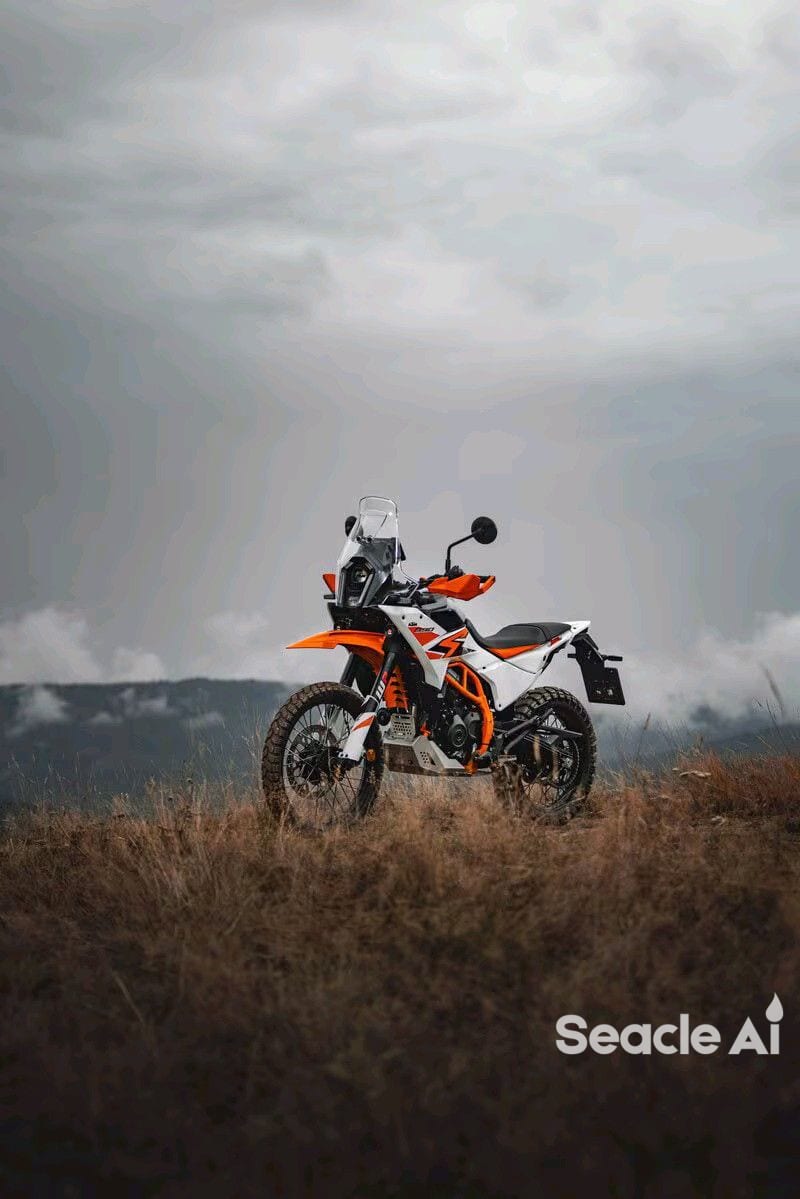
- Engine: 373.2 cc, single-cylinder, liquid-cooled, DOHC.
- Power: ~43.5 PS (claimed) — peak near 9,000 rpm (confirmed by manufacturer figures).
- Torque: ~37 Nm at ~7,000 rpm (claimed).
- Transmission: 6-speed gearbox with slip-and-assist clutch.
- Top speed: Around 150–165 km/h in real-world conditions depending on wind and load; factory figures and tests vary.
- Fuel tank: ~14.5 litres.
- Seat height: 855 mm; minimum recommended rider height: roughly 165 cm (5’5″) to manage stops confidently; shorter riders will need practice or lowering mods.
- Kerb weight: ~174–178 kg (model and market variations).
- Estimated real-world mileage: 22–28 km/l in Indian traffic and mixed highways; ARAI figures, when quoted, are usually higher.
Confirmed specs like displacement and seat height are consistent across KTM documentation; claimed power and torque match multiple published figures. Mileage and top speed vary with gearing, rider weight and riding style.
Who it’s for: adventure motorcycle buyers
The bike suits solo commuters who want weekend escapes, riders who prefer nimble handling over curb-weight, and those who value modern electronics in a small package. It is not ideal for riders who plan long two-up tours with heavy luggage or regular serious off-road rock crawling.
- Urban commuters who escape on weekends — strong pick.
- Beginner-to-intermediate adventure riders wanting performance without a heavyweight.
- Not recommended for riders primarily seeking hardcore off-road capability or maximum long-distance comfort with heavy pillion loads.
Real riding experience
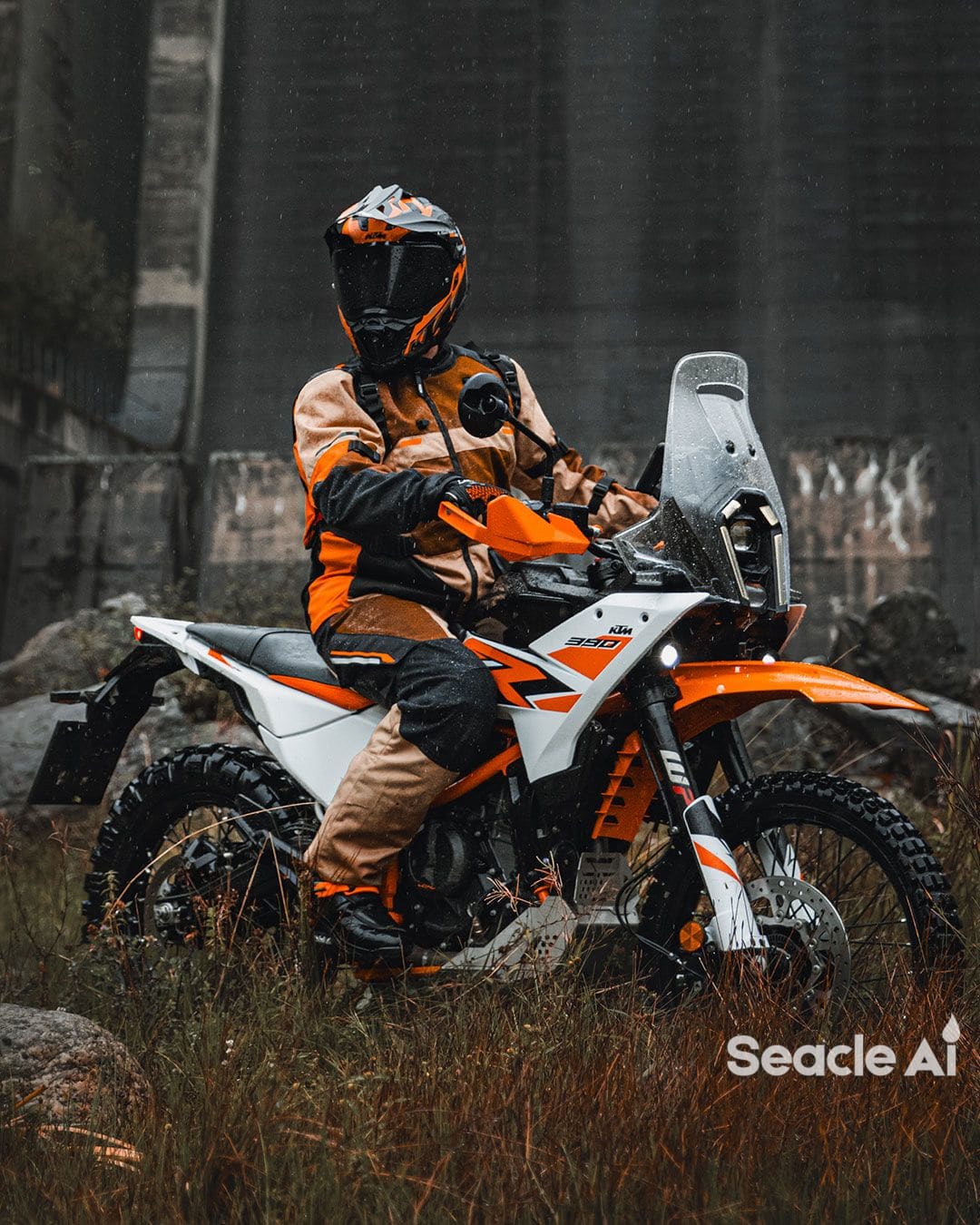
The suspension is tuned firm to keep handling sharp on tarmac. In town the bike feels light and eager; in long highway runs the windblast and seat firmness become more noticeable after 2–3 hours — you feel it in your lower back and wrists. Shorter riders usually notice footpeg reach and tip-toe issues first at stops.
Throttle is precise thanks to ride-by-wire, but in dense traffic the peaky power delivery makes low-speed finesse a skill to learn; modulating clutch and throttle quickly smooths progress. Weight distribution keeps the front relatively light on slow technical trails, which helps steering but reduces high-speed stability slightly compared to heavier ADV bikes.
Safety, comfort and technology
- Safety: dual-channel ABS with an off-road ABS mode (switchable on most trims), traction control, strong LED lighting.
- Comfort: split-seat layout, firm padding; comfortable for 2–4 hour stints but less so for all-day touring unless you add an aftermarket seat or cruise control.
- Tech: full-colour TFT display, smartphone connectivity, multiple riding modes and cornering ABS on certain model years/markets or as an upgrade.
One subtle thing: the TFT interface gives clear readouts but glove usability in heavy rain requires getting used to; this matters on monsoon rides in India.
Check price and local availability — dealerships often list current offers and finance options that change month-to-month.
KTM 390 Adventure vs Royal Enfield Himalayan
Below is a concise comparison across the requested points.
| Item | KTM 390 Adventure | Royal Enfield Himalayan (411) |
|---|---|---|
| Engine & Performance | 373.2 cc single, ~43.5 PS — high-revving, quick throttle response, sharper on tarmac. | 411 cc single, ~24–27 PS — low-end focused, slower but easier to modulate off-road and in traffic. |
| Torque / Top Speed / Mileage | ~37 Nm, top speed ~150–165 km/h, real mileage 22–28 km/l. | ~32–34 Nm, top speed ~125–135 km/h, real mileage 28–35 km/l. |
| Key Features | Full TFT, ride modes, traction control, off-road ABS mode. | Simpler instruments, long-travel suspension, proven ruggedness, easier to service in smaller towns. |
| Price Range (India, approx.) | ₹2.9–3.3 lakh (ex-showroom); dependent on year and variant. | ₹1.9–2.4 lakh (ex-showroom); generally more affordable. |
| Who should choose | Riders who want sporty on-road dynamics, quicker overtakes, and modern electronics. | Riders prioritising low-end tractability, simplicity, and comfortable long-distance cruising at modest speeds. |
| Tank capacity | ~14.5 L | ~15 L |
| Braking & Safety | Powerful brakes, dual-channel ABS, traction control; optional cornering ABS on newer variants. | Disc brakes with dual-channel ABS; simpler electronics but robust braking feel at moderate speeds. |
Overall: if you want nimble performance and modern tech, the KTM pulls ahead. If you want predictable low-speed control, easier long-distance comfort, and a lower purchase price, the Himalayan makes more sense.
Where it falls short
- Not ideal for heavy two-up touring: tank size plus seat comfort and peaky engine make long-day, fully-loaded touring less relaxed than on larger ADV bikes.
- Firm suspension trade-offs: good for highway and twisties, but rough, repeated impacts on bad gravel roads transmit more to rider and pillion—fatigue builds faster.
- Maintenance and consumables: premium parts and service costs are higher than simpler bikes like the Himalayan; tyres and brakes from KTM-specific spec add to running costs over time.
Alternatives and considerations
If you want similar performance with lower running costs, consider slightly used 390s or 390 Duke variants. For more off-road ability or long-distance comfort, look at mid-capacity ADV machines or the Himalayan for a budget-friendly alternative.
FAQs
- What is the minimum height to ride KTM 390 Adventure?
- A seat height of 855 mm usually needs a rider of around 165 cm (5’5″) to feel secure at stops; riders below this may need to learn balancing techniques or use lowering links.
- What mileage can I expect from the 390 Adventure in city traffic?
- Expect 20–25 km/l in heavy Indian city traffic with aggressive riding; 25–28 km/l on mixed routes. The bike is tuned for performance, so economy varies with throttle use.
- Does the bike have off-road ABS and traction control?
- Yes — most recent trims include dual-channel ABS with an off-road mode and adjustable traction control. Some markets or older trims may vary, so check the specific variant.
- How does maintenance cost compare to Himalayan?
- Maintenance is generally higher on the KTM due to premium service parts and more frequent brake/tyre replacement under spirited use. The Himalayan’s simpler engine is cheaper to maintain long-term in smaller towns.
Want current offers? Check price at your local dealer to compare on-road costs and discounts.
Conclusion
The KTM 390 Adventure is a compact, sporty adventure motorcycle that gives strong on-road performance, modern electronics, and manageable weight. Its strengths are crisp handling, engine performance and gadgetry; its limitations are firm suspension for rough trails, higher running costs, and a seat/tank package that makes heavy two-up touring less comfortable. If you value agility and technology and plan mostly solo or light-load rides with occasional gravel, it’s a great choice. If you plan heavy luggage, frequent off-road rock-hopping or need the lowest running costs, consider a Himalayan or larger ADV.
Final suggestion: test-ride both motorcycles on routes that mimic your typical use — you’ll notice rider fatigue and handling differences within the first 30–60 minutes. Compare offers and then decide.
URL slug: ktm-390-adventure-review-specs-comparison
Meta title: KTM 390 Adventure Review — Specs, Real-World Mileage and Himalayan Comparison
Meta description: KTM 390 Adventure offers nimble performance, modern TFT and 373.2 cc power in a light ADV package — find confirmed specs, limits and a head-to-head with Himalayan.
Image alt text 1: KTM 390 Adventure side view on road
Image alt text 2: KTM 390 Adventure cockpit and TFT display