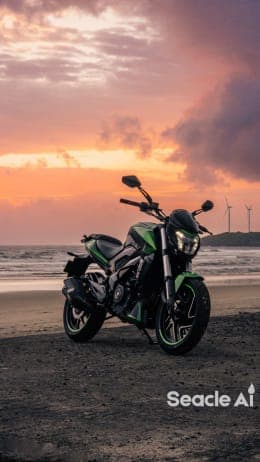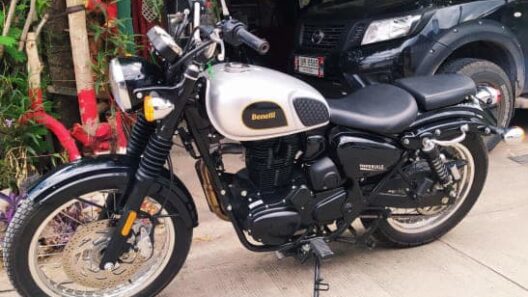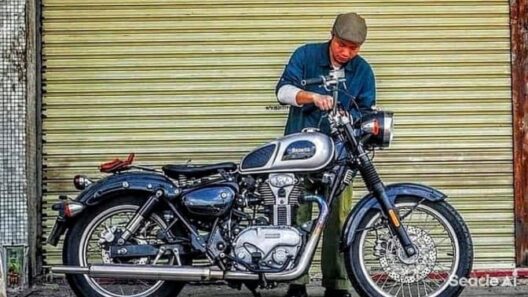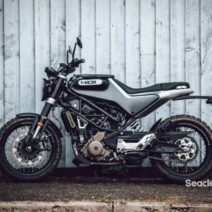
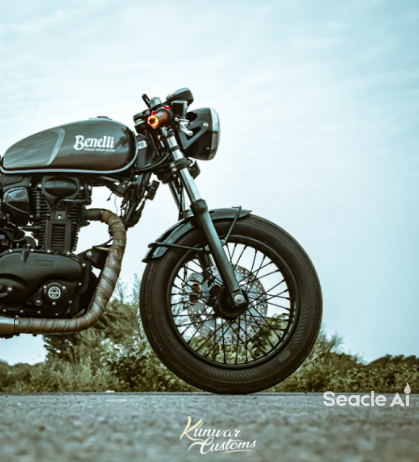

The Benelli Imperiale 400 is a retro-styled single-cylinder cruiser aimed at riders who prefer a relaxed riding position, simple mechanics and classic looks over outright performance. It’s at home on city streets and short-to-medium weekend rides, but not designed for hard cornering or heavy highway touring. This article breaks down who it’s for, what it does well, where it fails, and how it stacks up against the TVS Ronin 225.
Who is the Benelli Imperiale 400 for?
The Imperiale 400 targets riders who value easy-going throttle response, an upright seat, and visual character — think weekend riders, café-cruiser enthusiasts and new-to-mid-level commuters who prefer presence over lap times. Its torque-rich single-cylinder engine supplies usable low-end pull, which helps in city traffic and during relaxed countryside runs.
Who shouldn’t buy it: riders who need aggressive cornering, high-speed interstate cruising for thousands of kilometres, or heavy luggage capacity. It’s not a sportbike or a long-haul tourer.
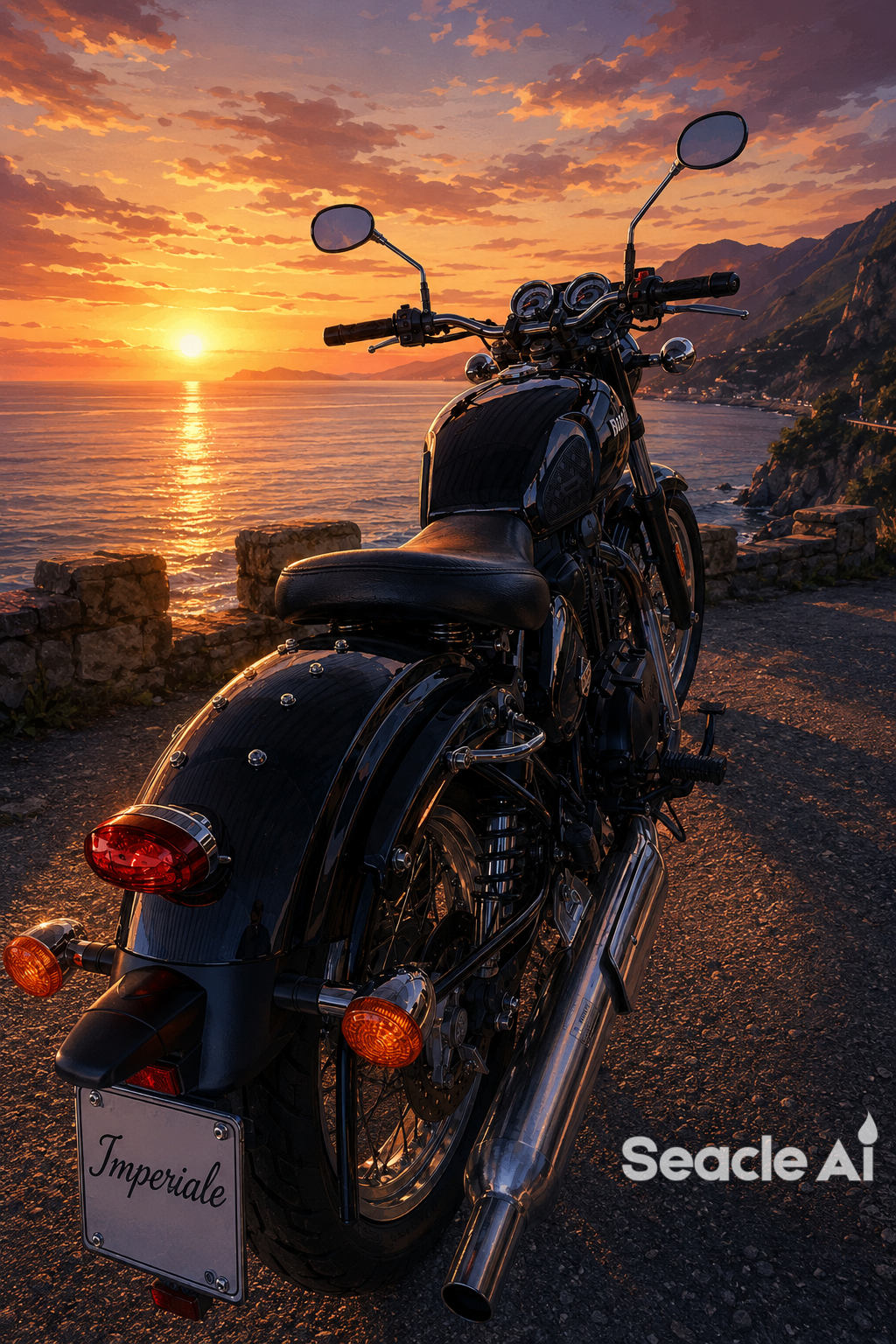
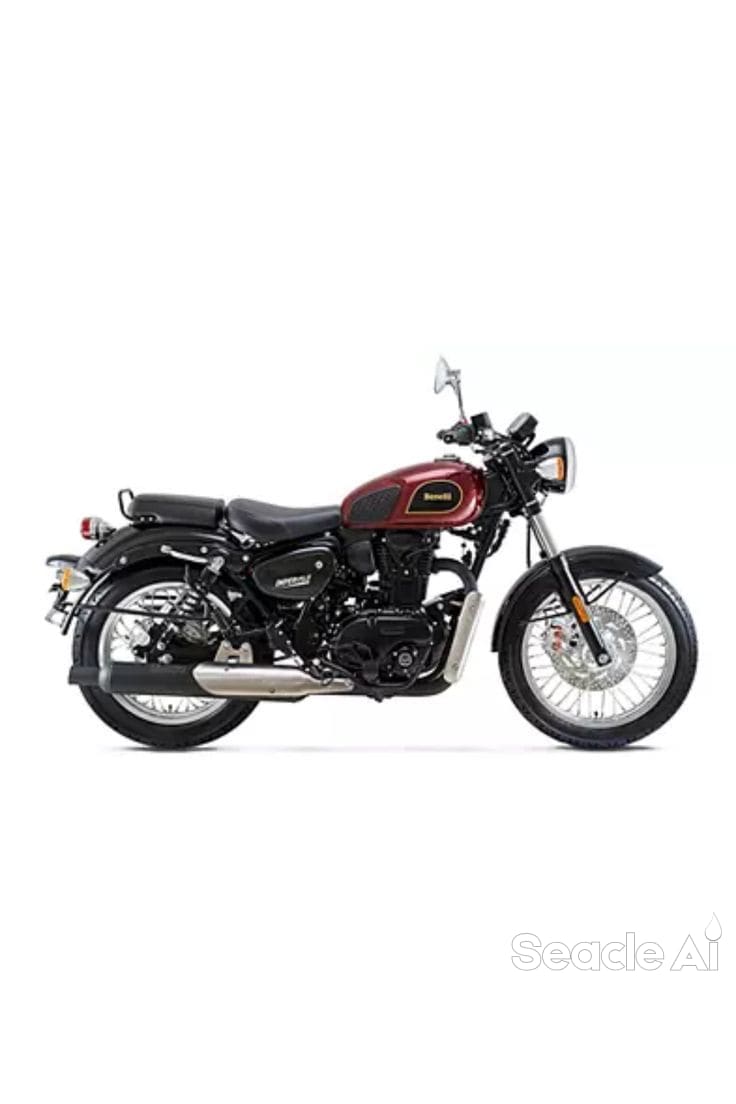
Key specifications: classic cruiser
- Engine: 374 cc single-cylinder, 4-stroke, air-cooled (SOHC)
- Power: ~21.6 PS (≈21 bhp) @ ~6000 rpm
- Torque: ~29 Nm @ ~3500 rpm
- Top speed: around 115–125 km/h in real-world conditions
- Transmission: 5-speed constant mesh
- Kerb weight: approx. 205 kg
- Seat height: ~770 mm; minimum rider height to ride Benelli Imperiale 400: about 160 cm (5’3″) is recommended for confident footing
- Fuel tank: ~14 litres
These numbers are consistent across factory sheets and dealer specs in 2025–2026. The moderate power and strong low-end torque make the riding experience feel calm rather than urgent.
Imperiale 400 mileage and range
The Imperiale 400 mileage generally lands between 30–35 km/l in mixed Indian riding conditions; sticking to steady speeds on highways can push it slightly higher. With a 14-litre tank you can expect a conservative riding range of 350–420 km before the fuel light; in city stop-start traffic plan for the lower end.
Real-world note: if you ride aggressively or carry two-up and luggage, mileage drops by 10–15%—this becomes noticeable on multi-day trips.
Safety, comfort and technology: single-cylinder cruiser notes
- Brakes: Front single-disc with 2-piston caliper and rear disc; ABS standard on many markets.
- Suspension: Telescopic forks front, twin rear shocks — tuned for comfort, not track work.
- Ergonomics: Low seat and relaxed bars reduce strain for most riders; heavier riders will feel the compressions after several hours.
- Instruments: Analog speedo with small digital insert (odometer/clock), minimal tech compared to modern fully-digital bikes.
Safety consequence: the braking and ABS setup is adequate for city panic stops, but expect longer fade under repeated heavy use—a condition that touring riders should consider when planning mountain descents.
Real riding experience and observations
Throttle feel is linear and forgiving—useful during traffic filtering, but predictability comes at the cost of high-rpm smoothness. On twisty roads the Imperiale’s chassis encourages a steady line rather than flicking between apexes; this matters more than it seems if you value late braking and quick direction changes.
Two experience-driven notes:
- Rider fatigue: after 3–4 hours the narrow seat foam and upright posture start to show; shorter riders usually notice this first because knee bend and footpeg position matter for comfort.
- Heat and maintenance: the air-cooled single builds heat at low speeds in hot Indian summers—expect slightly higher service checks if you use it as an everyday urban commuter in 40°C+ climates.
Check Price — ask your local dealer about current 2026 offers and state-level registration costs before buying; these change often.
Benelli Imperiale 400 vs TVS Ronin 225 comparison
| Spec / Feature | Benelli Imperiale 400 | TVS Ronin 225 |
|---|---|---|
| Engine | 374 cc single-cylinder, air-cooled | 225 cc single-cylinder, oil-cooled |
| Power | ~21.6 PS | ~20.4 PS |
| Torque | ~29 Nm | ~19–20 Nm |
| Top speed | ~115–125 km/h | ~110–120 km/h |
| Mileage | ~30–35 km/l | ~35–40 km/l |
| Tank capacity | ~14 litres | ~12 litres |
| Brakes & Safety | Disc front & rear, ABS | Disc front & rear, dual-channel ABS (depending on variant) |
| Price range (India, 2026) | ₹2.2–2.8 lakh (ex-showroom, dealer/region dependent) | ₹1.4–1.6 lakh (ex-showroom) |
Verdict: the Imperiale wins on low-end torque and classic cruiser feel; the Ronin is sharper, lighter and more frugal. If you want relaxed motorway stability and classic styling choose the Imperiale; if you prefer nimble city handling and lower ownership cost, the Ronin makes more sense.
Which user should choose which bike?
- Choose the Imperiale if you like relaxed cruising, occasional two-up rides and a vintage look.
- Choose the Ronin if you want sharper handling, better mileage and a lower initial cost for urban-focused riding.
Drawbacks, limitations and who should avoid it
Not ideal for long highway touring with heavy luggage—limited wind protection, a 14-litre tank and suspension tuned for comfort rather than load-carrying make extended high-speed runs tiring. Maintenance parts and service intervals are reasonable, but spare-part cost can be higher than mainstream brands in some Indian cities—so factor in higher running costs over five years.
Short, blunt line: if you do frequent multi-day interstate touring or need a performance-focused ride, avoid it.
FAQs
- What is the minimum height to ride Benelli Imperiale 400?
- Minimum comfortable height is about 160 cm (5’3″). The seat sits around 770 mm; shorter riders will want to test footing at a dealer and consider toe-heel placement.
- What mileage does the Imperiale 400 return?
- Expect 30–35 km/l in mixed riding. City-only use typically reduces figures; steady highways can be slightly better.
- Does the Benelli come with ABS?
- Yes, most market variants include single-channel ABS; check the exact variant at purchase for dual-channel availability.
- How does the single-cylinder cruiser character affect long rides?
- The engine’s torque at low rpm makes city riding effortless, but vibration and heat build-up at sustained high revs are felt after prolonged highway stretches—this is where the Imperiale’s character contrasts with smoother multi-cylinder bikes.
Conclusion
The Benelli Imperiale 400 is a competent, characterful classic cruiser: easy to ride, torque-friendly and visually distinct. Its strengths are low-end pull, relaxed ergonomics and presence. Its limitations are clear too—moderate top speed, higher kerb weight than small-capacity alternatives, less tech than modern rivals, and not the best pick for long, fast touring or performance-focused riders. Most city riders and weekend cruisers will find it satisfying; long-distance tourers and sport-minded riders should look elsewhere.
Final recommendation: test-ride one with a full tank and your typical luggage; pay attention to how the seat and heat feel after an hour. This matters more than it seems. Compare options and Check Price locally before deciding.
—SEO ELEMENTS—
URL slug: benelli-imperiale-400-review-specs-comparison
Meta title: Benelli Imperiale 400 Review: Specs, Real-World Notes & TVS Ronin 225 Comparison
Meta description: Benelli Imperiale 400 review covering engine, power, torque, top speed, mileage, seat height and transmission — and a clear comparison with TVS Ronin 225 to help decide which fits your riding needs.
Image alt text 1: Benelli Imperiale 400 side profile classic cruiser
Image alt text 2: Benelli Imperiale 400 cockpit and seat detail