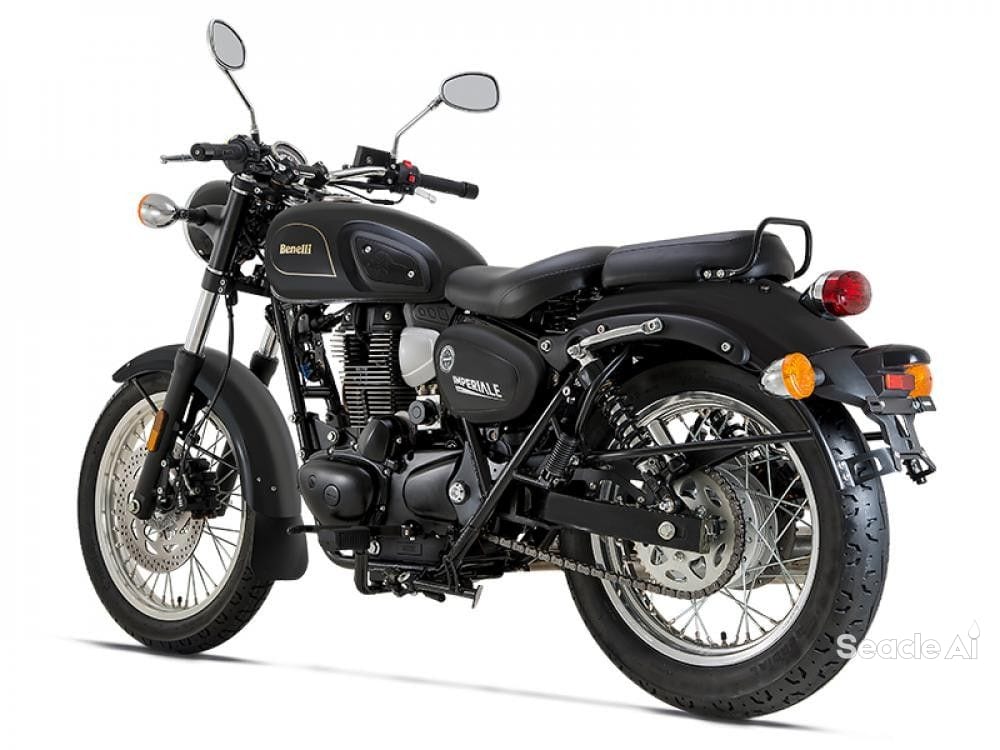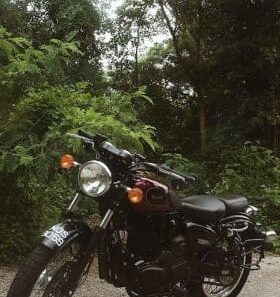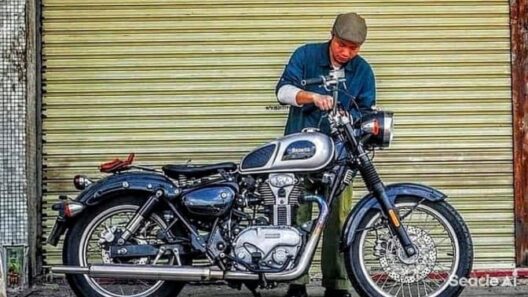
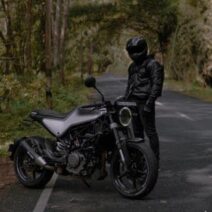
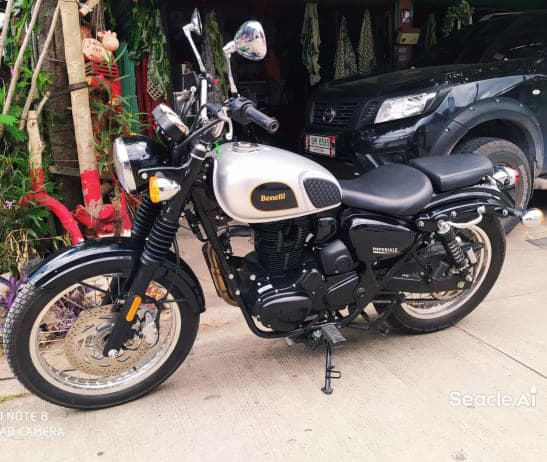

The Benelli Imperiale 400 is a retro-styled cruiser with a 374cc single-cylinder engine that targets riders who want classic looks, low-rev torque and relaxed ergonomics rather than outright performance. In everyday terms: it’s designed for city commutes, short weekend runs and stylish presence, not for off-road trails or high-speed touring.
Benelli Imperiale 400 — Quick specs
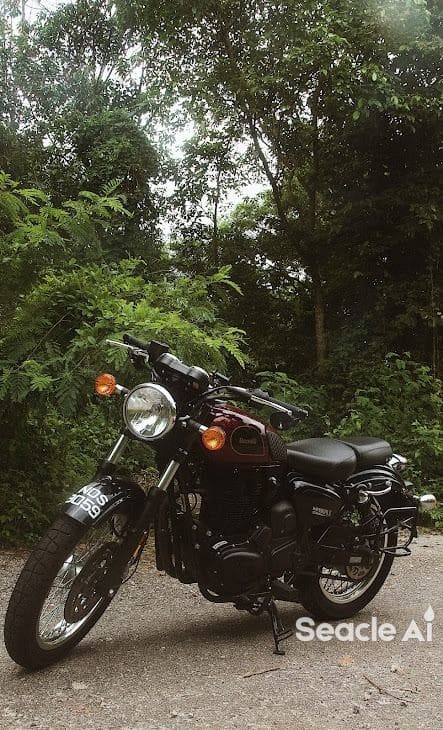
Type: Retro classic cruiser with upright seating and low seat height.
Engine: 374cc, single-cylinder, air-cooled (SOHC), carbureted/EFI depending on market.
Transmission: 5-speed manual.
Power & torque: Around 20–21 PS and roughly 28–30 Nm at low rpm in most documented trims.
Top speed: Typically 105–120 km/h depending on load and road incline.
Seat height: Approximately 775 mm — comfortable for average and shorter riders.
Fuel tank: ~14 litres.
Kerb weight: ~205 kg.
Benelli Imperiale specs (detailed)
The core mechanical package is simple: a 374cc single that favours low-end torque rather than high-RPM output. That creates a riding character where most usable power sits below 4,500 rpm — ideal for city traffic and relaxed cruising. This is why the Imperiale feels more like a boulevard cruiser than a sport bike.
- Engine layout: Single-cylinder, air-cooled — easy to service but runs warmer in prolonged slow traffic in Indian summers.
- Power: ~20–21 PS at mid revs — sufficient for two-up city riding but not for sustained motorway overtakes at high speed.
- Torque: ~28–30 Nm, available low — good for quick roll-ons from low speeds.
- Transmission: 5-speed gearbox, predictable but with longer ratios that encourage relaxed cruising.
- Height & ergonomics: Seat around 775 mm; people under 155 cm may have to tip-toe. This matters more than it seems for traffic lights and slow manoeuvres.
Check Price — many buyers in India find showroom pricing (2025–26) falls in the INR 2.2–2.6 lakh range depending on state taxes and variant choices.
Imperiale 400 mileage & fuel range
The Imperiale 400 mileage in mixed Indian conditions usually lands between 30–35 km/l in real-world commuting; relaxed highway riding can nudge figures toward 36–40 km/l. With a ~14 L tank, expect a practical range of about 350–450 km before refuelling, depending on how often you let the engine rev.
Note: the carbureted variants seen in some markets give slightly different economy numbers versus EFI models — EFI tends to be more consistent across temperature extremes. Shorter riders who ride aggressively in traffic often notice economy dip first because they use more throttle and lower gears more often.
Safety, comfort and technology
Benelli fitted the Imperiale with classic cruiser ergonomics: wide handlebars, a relaxed footpeg position and a broad, cushioned seat. That seat keeps pressure off sensitive areas for the first 2–3 hours, but rider fatigue builds on longer days because suspension is tuned soft — it soaks small bumps but bottoms out over sharp potholes.
- Brakes: Front and rear disc brakes; ABS availability depends on market and model year. Many 2024–25 Indian models had single-channel ABS; dual-channel was rumoured/expected for later trims in some markets.
- Suspension: Telescopic front forks and twin rear shocks — comfortable on smooth roads, less composed under heavy loads or hard cornering.
- Tech: Minimalist instrument cluster (analogue + small digital), no rider modes, basic electricals — accept that this is a retro package, not a tech showcase.
Practical implication: if you commute through uneven city roads daily, you’ll appreciate the plush ride for 30–60 minute trips; but for extended highway days with pillion and luggage, the suspension and braking feel show their limits.
Real riding notes and usage observations
Riding it in city traffic gives a satisfying low-speed tractability — you rarely need second-guess the clutch because torque kicks in early. However, during sustained 100+ km/h runs, the bike feels buzzy and you’ll be working the engine more; fuel consumption rises and rider fatigue increases due to wind buffeting. The feel of the engine answering small throttle inputs is like faint echoes across a narrow canyon — predictable but not aggressive.
Two experience-derived observations:
- Rider fatigue: after 150–200 km on a highway day, your lower back and forearms feel more tired than on a modern tourer because of limited wind protection and a firm footpeg placement.
- Maintenance: valve checks and periodic carburetor/EFi checks are straightforward, but parts and service for Benelli can be slightly pricier and slower outside major cities compared to mass-market brands; budget for occasional longer trips to a dealer.
Where it falls short
Important limitations to consider:
- Not ideal for long high-speed touring: top-speed capability and sustained comfort are limited compared to modern tourers; long highways expose suspension and heat issues.
- Heavy loads: with two-up riding plus luggage, acceleration and braking become noticeably subdued — overtakes require planning.
- Off-roading: avoid this bike for gravel tracks or technical dirt; the chassis and ground clearance are not built for it.
Who should avoid it: commuters who want razor-sharp handling, riders planning frequent long-distance high-speed touring, and anyone needing modern rider aids like traction control. This matters: if your weekly routine is 200–400 km touring, the Classic 350 or a dedicated tourer will likely be a better long-term pick.
Benelli Imperiale 400 vs Royal Enfield Classic 350
| Spec / Area | Benelli Imperiale 400 | Royal Enfield Classic 350 |
|---|---|---|
| Engine & performance | 374cc single, ~20–21 PS; tuned for low-end torque and relaxed riding. | 349cc single, ~20–21 PS (2025 Meteor/350 variants match power); Classic focuses on tractable torque and traditional feel. |
| Torque, top speed, mileage | ~28–30 Nm; top speed ~110–120 km/h; real-world 30–35 km/l. | ~27–30 Nm; top speed similar (100–115 km/h); mileage often slightly better in similar conditions (32–40 km/l depending on riding). |
| Key features | Classic cruiser styling, simple instruments, basic tech; better low-end tractability in many riders’ impressions. | Iconic styling, better dealer/service reach in India, slightly more variant options and accessories. |
| Price range (India, 2025) | Approximately INR 2.2–2.6 lakh (ex-showroom) depending on state and variant. | Approximately INR 1.9–2.3 lakh (ex-showroom) depending on variant and features. |
| Who should choose | Buyers who want slightly larger displacement, distinct Italian styling, and a relaxed cruiser package. | Buyers prioritising easier service, accessories ecosystem, and slightly lower ownership costs. |
| Tank capacity | ~14 L | ~13–15 L (varies by model) |
| Braking & safety | Front/rear discs; ABS configuration varies — many Imperiale trims had single-channel ABS in India historically; check variant. | Disc front/rear; ABS standard in most recent Classic 350 models (dual-channel in many trims). |
Nuanced take: the Imperiale 400 edges out on displacement and sometimes on build uniqueness, but the Classic 350 wins on dealer reach, accessories and marginally lower running costs. If dealer network and quick spares turnaround matter to you in smaller towns, the Classic is the more pragmatic choice.
Alternatives
- Royal Enfield Classic 350 — simpler ownership, large accessory market.
- Jawa 42/Perak — similar retro vibes with different handling and service footprint.
- CB350 (if available) — more modern underpinnings with comparable displacement.
FAQs
- What is the minimum height to ride the Benelli Imperiale 400?
- With a seat height of about 775 mm, the minimum practical height is roughly 155 cm for comfortable foot reach; shorter riders may need to tip-toe at stops.
- How is the Imperiale 400 mileage?
- The Imperiale 400 mileage in mixed city-highway use typically falls in the 30–35 km/l window; relaxed highway riding improves it toward the high 30s.
- Is the Benelli Imperiale a good classic cruiser bike for beginners?
- As a classic cruiser bike, it’s forgiving with low-end torque and an easy clutch, but weight (~205 kg) means beginners should practice slow-speed balance before riding in traffic.
- How does the Benelli compare in the Royal Enfield Classic 350 comparison?
- In a direct Royal Enfield Classic 350 comparison, the Imperiale offers a slightly different character (bigger displacement and distinct styling) while the Classic wins on service network and resale in many Indian cities.
Conclusion
The Benelli Imperiale 400 is a clear-minded cruiser: it gives you classic looks, low-end torque and a relaxed ride posture. Its strengths are everyday tractability and presence; its drawbacks are limited high-speed refinement, suspension limits under heavy loads and a dealer/service footprint that can be thinner than mass-market brands in smaller towns. If you crave style and short-to-medium rides with occasional two-up trips, it makes strong sense. If regular long highway touring, frequent pillion luggage or quick service turnaround are priorities, consider the Classic 350 or a dedicated tourer instead.
View Product or Compare Options at local dealers before deciding — test rides reveal how the ergonomics and throttle response suit you.