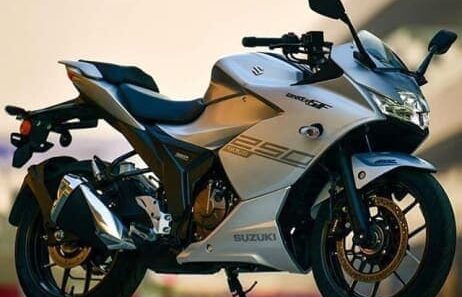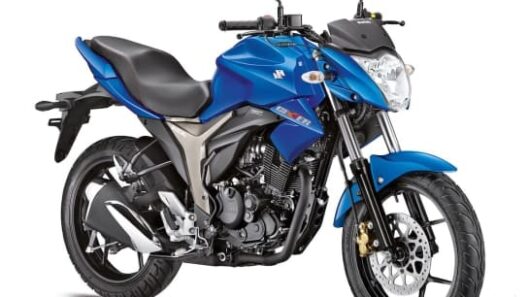


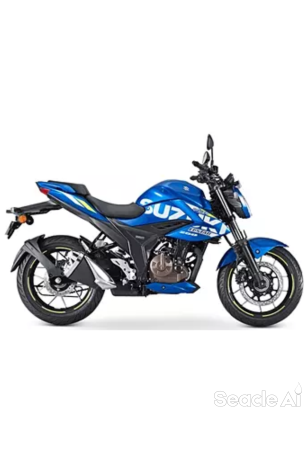

The Suzuki Gixxer 250 landed as a contender in the sub-300cc street-bike market with a focus on usable power, low fuss maintenance, and everyday friendliness. In this piece I break down what it is, who it suits, real riding notes, important specs, a focused comparison with the Yamaha FZ 25, and clear limitations so you can decide if it fits your routine.
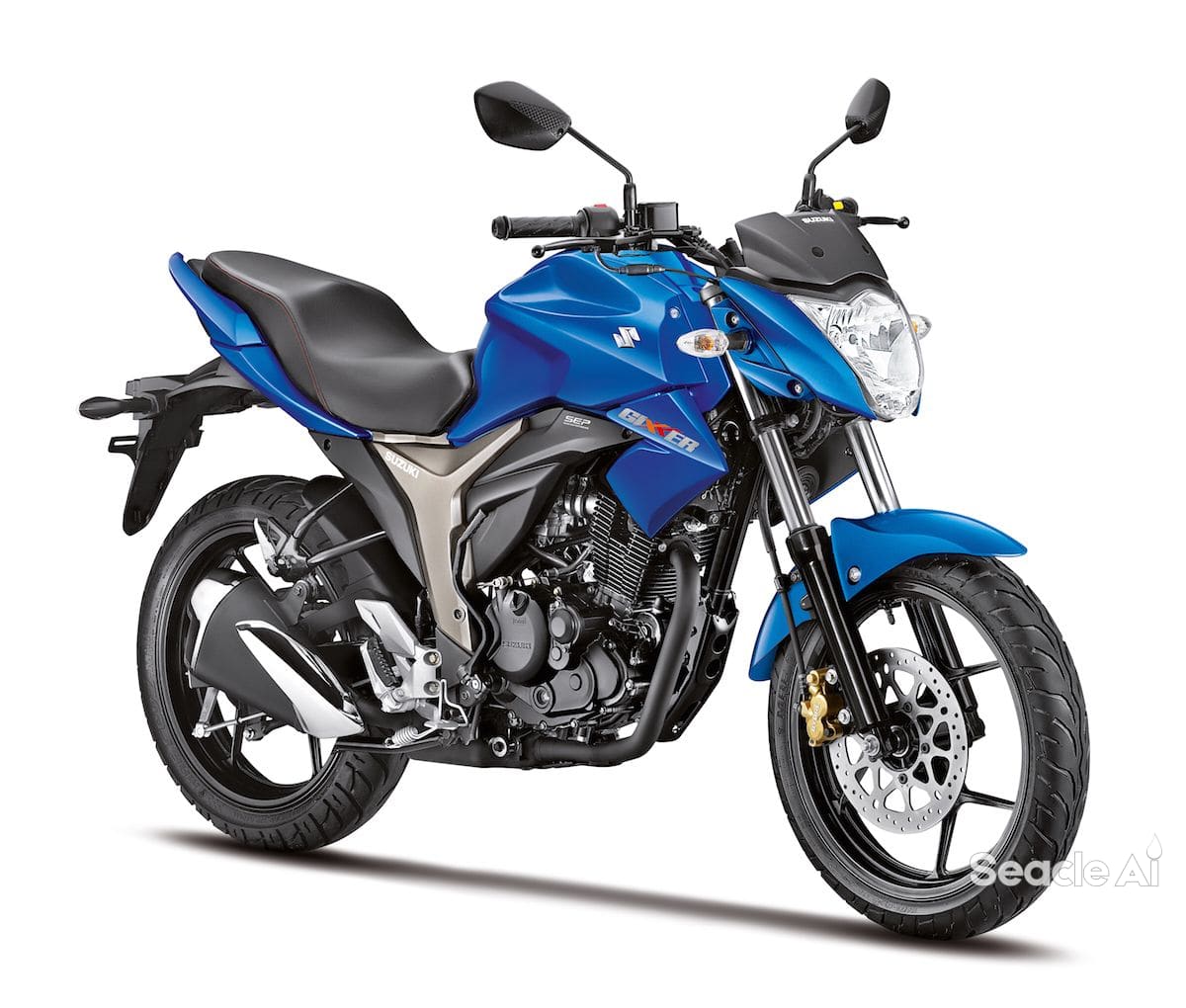
Table of Contents
- Suzuki Gixxer 250 — Key specifications and who it’s for
- Real riding experience on a 250cc commuter bike
- Gixxer 250 mileage, top speed and performance
- FZ 25 comparison: Gixxer 250 vs Yamaha FZ 25
- Safety, comfort and Suzuki safety features
- Pros, cons and who should avoid the Gixxer 250
- FAQs
- Conclusion
Suzuki Gixxer 250 — Key specifications and who it’s for
The Suzuki Gixxer 250 is a lightweight 250cc single-cylinder street bike aimed at commuters who still want capable weekend performance. It sits between strictly commuter-oriented 150–160cc machines and bulky 300–400cc sport bikes: that balance makes it attractive to city riders who take short highway hops on weekends.
- Engine: 249cc single-cylinder, oil-cooled four-stroke (characteristic of Suzuki’s mid-range 250s).
- Power & Torque: Around the mid-20 PS range and roughly low-20 Nm torque (usable in city and highway overtakes).
- Transmission: 6-speed gearbox with a light clutch and assist/slipper functionality on newer trims.
- Seat height: ~795 mm; Minimum height to ride Suzuki Gixxer 250: riders about 160–165 cm (5’3″–5’5″) can manage, though short riders may notice tip-toe limits at stops.
- Kerb weight: low-to-mid 160 kg range, which keeps low-speed maneuvering manageable.
Real riding experience on a 250cc commuter bike
On city rides the Gixxer 250 feels relaxed—throttle response is predictable, and the torque curve favors midrange pulls rather than frantic revving. In traffic the light clutch and relatively narrow profile reduce fatigue when filtering; this becomes noticeable during longer commutes. Shorter riders usually notice the seat-to-ground trade-off first at stop lights.
On smooth highways the bike will hold 100–110 km/h without fuss and will cruise comfortably at those speeds; expect stable and confidence-inspiring handling up to 120–130 km/h for short bursts. Pushing beyond will reveal the limits compared with larger twin-cylinder machines.
Gixxer 250 mileage, top speed and performance
Practical numbers matter more than headline figures. Typical real-world mileage for a Gixxer 250 tends to be in the mid-30s km/l under mixed city and highway use, dropping into the high 20s if ridden aggressively on highways. Top speed is around the 130–140 km/h window depending on rider weight and wind; acceleration is brisk for its class but not sportbike-fast.
- Estimated real-world mileage: 28–36 km/l depending on conditions and riding style.
- Top speed: ~130–140 km/h (short bursts).
- Power delivery: strong midrange; overtakes at 60–100 km/h feel effortless.
Maintenance is straightforward—periodic valve checks and oil changes are the main recurring costs. The trade-off appears during longer rides: sustained high-speed touring produces more engine heat and rider fatigue than a larger-displacement parallel-twin.
FZ 25 comparison: Gixxer 250 vs Yamaha FZ 25
Below is a focused comparison covering engine/performance, torque/top speed/mileage, features, price, recommended user types, tank capacity, and braking systems.
| Item | Suzuki Gixxer 250 (typical) | Yamaha FZ 25 (typical) |
|---|---|---|
| Engine & Performance | 249cc single; mid-20 PS; smooth midrange and 6-speed box | 249cc single; ~20–21 PS; torquier lower-mid but less peak power |
| Torque / Top speed / Mileage | Low-20 Nm; top ~130–140 km/h; 28–36 km/l real-world | ~20 Nm; top ~120–130 km/h; 30–38 km/l real-world |
| Key features | Assist/slipper clutch (on some trims), modern gauges, light chassis | Simple, reliable setup; narrower ergonomics, predictable handling |
| Price range (India, 2025 est.) | ₹1.80–2.10 lakh (ex-showroom, approximate) | ₹1.25–1.60 lakh (ex-showroom, approximate) |
| Who should choose | Riders wanting a punchier single-cylinder with modern gearing for occasional touring | Budget buyers who value simplicity and lower running costs |
| Tank capacity | ~12 L — shorter between-fuel stops compared to FZ 25 | ~14 L — slightly better range for touring |
| Braking & Safety | Front disc, rear disc; ABS (variant-dependent, check local spec) | Disc front and rear; ABS on many trims (front-channel common) |
Overall, the Gixxer 250 outpoints the FZ 25 on outright power and a more rev-friendly gearbox, while the FZ 25 keeps a slight edge on everyday frugality and lower initial cost. If you want usable overtaking power and a more modern feature set, the Gixxer makes sense; if budget and fuel range are priorities, the FZ 25 is pragmatic.
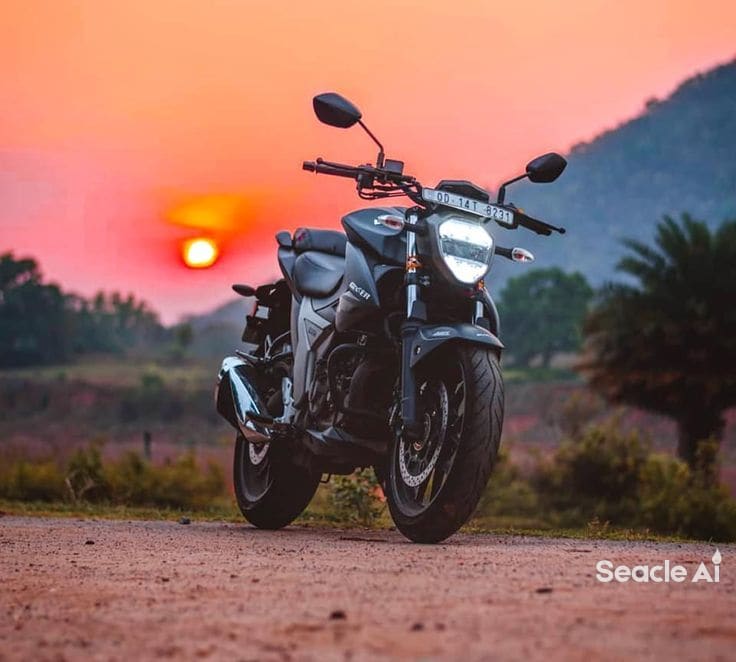
Safety, comfort and Suzuki safety features
Safety hardware on the Gixxer 250 varies by region and trim: look for dual discs and dual-channel ABS where available. The ergonomics favor an upright posture—comfortable for city miles but the seat padding firms up on longer rides, so plan breaks on tours. The suspension is tuned towards a firmer ride to keep handling sharp; you’ll feel bumps more than on softer commuter bikes, but cornering confidence improves as a result.
Experience-based note: on poorly surfaced suburban roads the firmer setup transmits more vibration to the rider after an hour; this is where a softer-sprung commuter might feel more relaxed.
Pros, cons and who should avoid the Gixxer 250
Pros: punchy midrange, light chassis, 6-speed gearbox, manageable weight for city use.
Cons / Limitations:
- Not ideal for long high-speed touring—engine heat and seat comfort become significant after several hours.
- Tank size is modest compared with some rivals, so highway range is shorter.
- Suspension trades comfort for handling; bad roads expose this quickly.
- Shorter riders may struggle with the ~795 mm seat height in heavy traffic.
Who should avoid it: riders who plan regular, long-distance highway touring with pillion and luggage, or those who prioritize plush suspension and maximum fuel range.
FAQs
Is the Gixxer 250 good as a daily 250cc commuter bike?
Yes—it’s capable and easy to live with for city commutes, offering predictable throttle and a light clutch. Expect slightly higher fuel costs than 150cc commuters but better overtaking capability on main roads.
How does Gixxer 250 mileage compare to the FZ 25?
Real-world Gixxer 250 mileage tends to be in the high-20s to mid-30s km/l; the FZ 25 often posts similar or slightly better figures depending on riding style because of less aggressive tuning.
What is the minimum height to ride Suzuki Gixxer 250 comfortably?
With a seat height around 795 mm, riders of about 160–165 cm can manage, though those under 160 cm may find flat-footing at lights difficult.
Does the Gixxer 250 have ABS and modern safety features?
Safety features depend on the trim and market: front and rear discs are common, and ABS availability may be single- or dual-channel depending on the variant—check your local spec sheet before purchase.
Conclusion
The Suzuki Gixxer 250 is a well-engineered middleweight for riders who want more than a commuter but less fuss than a full-on sportbike. Its strengths are a lively midrange, nimble chassis, and practical gearbox. Limitations are real: modest tank, firmer suspension that exposes rough roads, and reduced comfort on long high-speed tours. If you ride mainly in the city with occasional highway runs and value a sharper ride, it’s a good choice; if long-distance touring, carrying heavy loads, or maximum fuel range are priorities, look elsewhere.
Check price and availability with local dealers to see current trims and ABS options. If you’re unsure, compare test rides—this matters more than it seems.
Want to compare trims or check current prices? Search local listings or visit your nearest dealer to View Product and Compare Options.