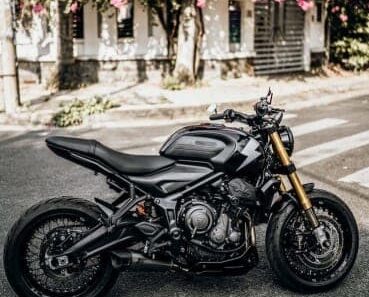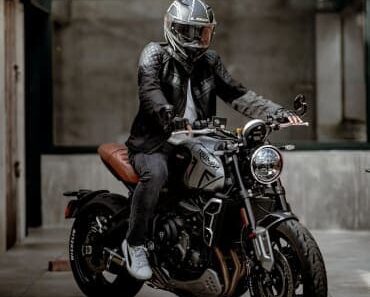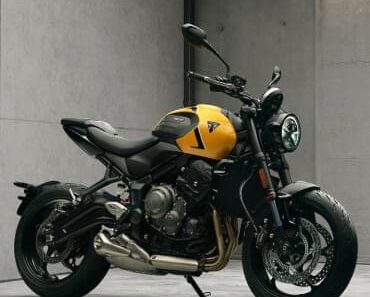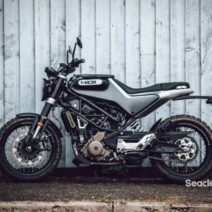



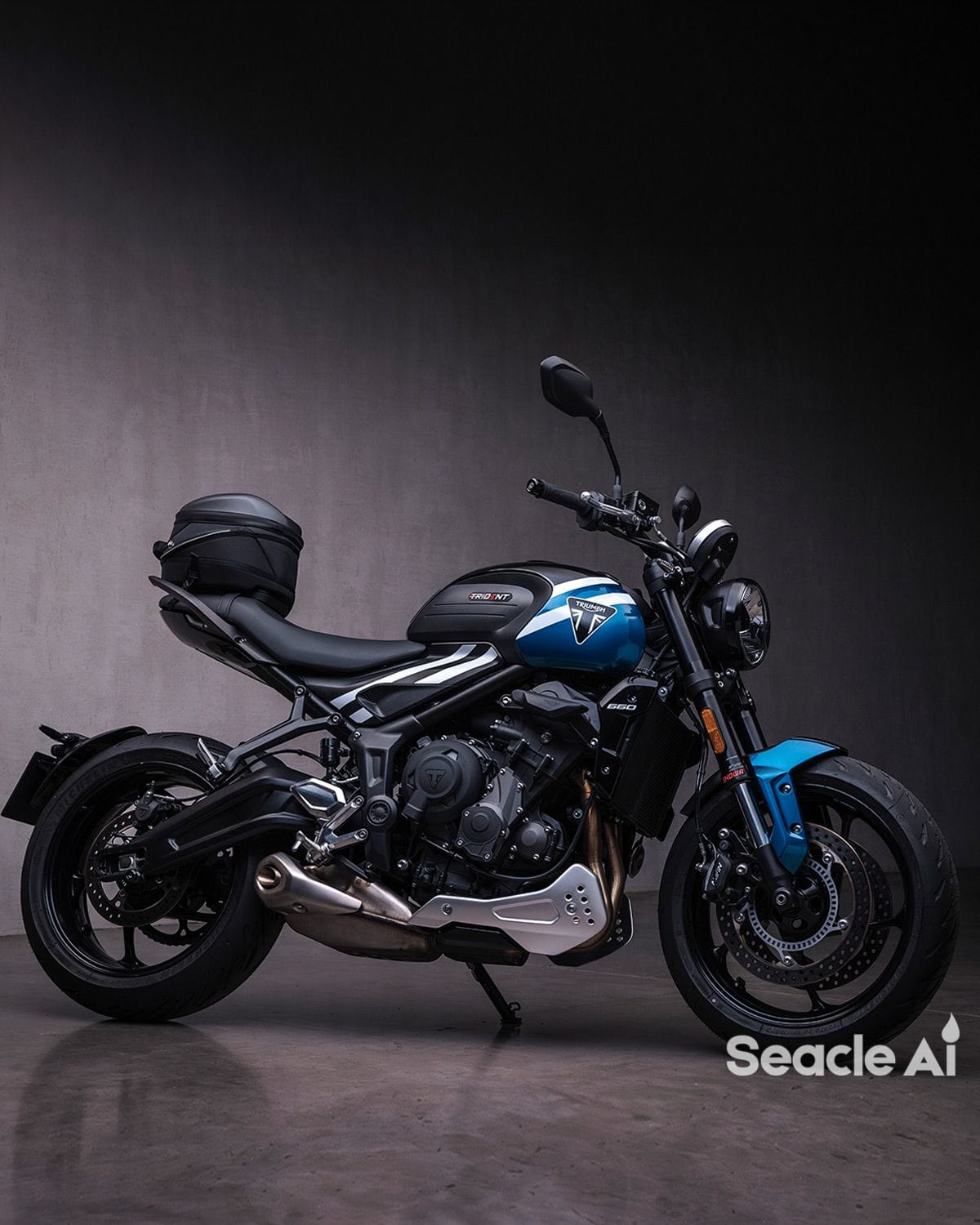
Triumph Trident 660 is a compact, middleweight naked bike built around a 660cc three-cylinder motor that aims to balance everyday usability with enough punch for fast road work. In plain terms: it’s a street-focused standard that suits commuters who want more character than a parallel twin, plus riders who use the bike for short tours and spirited weekend runs.
Table of Contents
- What kind of bike is the Triumph Trident 660? (middleweight naked bike)
- Key specs: engine, power, torque, top speed, mileage, height, transmission
- Safety, comfort and technology
- Real-world riding impressions and limitations
- Triumph Trident 660 vs Kawasaki Z650 — direct comparison
- Alternatives and who should avoid it
- FAQs
- Conclusion
What kind of bike is the Triumph Trident 660? (middleweight naked bike)
The Trident 660 sits in the middleweight naked category: upright seating, minimal bodywork, and a friendly power delivery. Its 660 triple engine gives a smoother, more characterful midrange compared with most parallel twins. That characteristic makes it more engaging in city traffic and on twisty roads; you don’t need to rev it to extract performance.
Who it’s for: riders who want a do-it-all street bike — daily commute, canyon rides, occasional two-up riding — without the bulk and complexity of a litre-class machine. It’s not for riders who want serious off-road capability or long-haul, luggage-heavy touring; the chassis and ergonomics simply don’t prioritize those tasks.
Key specs: engine, power, torque, top speed, mileage, height, transmission (660 triple engine)
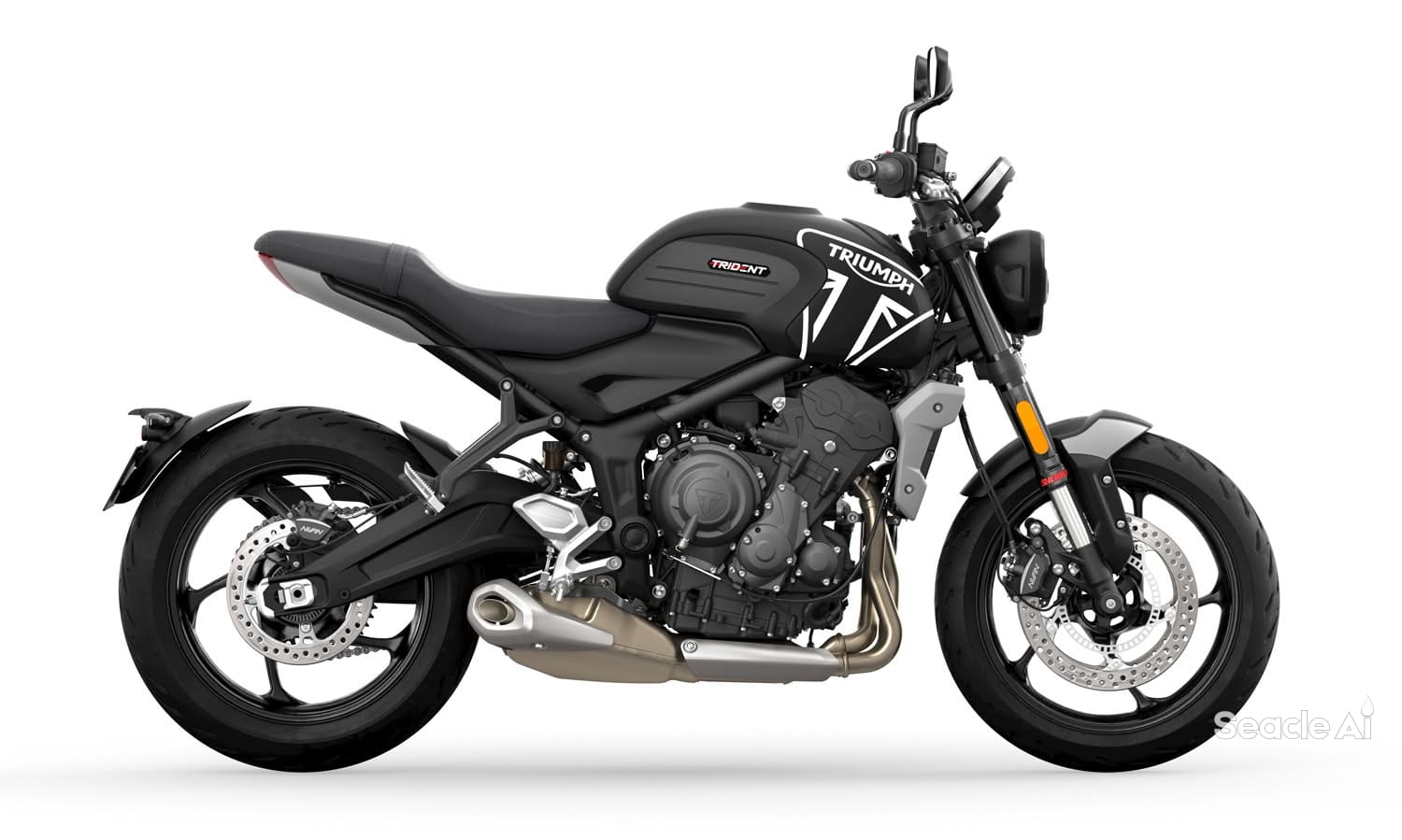
- Engine: 660cc inline three-cylinder, liquid-cooled
- Power: ~80 PS (around 79 bhp) @ high revs — useful peak power for the class
- Torque: ~64 Nm available in the mid-range — makes overtakes simple in traffic
- Top speed: roughly 200–220 km/h depending on rider weight and gearing
- Fuel economy: real-world 16–22 km/l (India conditions often sit toward 16–18 km/l with mixed riding)
- Seat height: 805 mm (31.7 in) — affects reach to the ground
- Transmission: 6-speed gearbox with a slipper clutch
- Fuel tank: ~14 litres (see comparison table)
- Kerb weight: ~189 kg (expect slightly higher with accessories)
Confirmed vs variable: the displacement, gearbox count, and seat height are stable facts; output figures like top speed and mileage vary with conditions and rider load.
Safety, comfort and technology (seat height and ergonomics)
Safety and tech are practical rather than flashy: ABS, switchable traction control, ride-by-wire and multiple riding modes. The ABS is tuned for street use and offers predictable bite; it’s not race-grade but it’s reliable in the wet. Comfort items include a neutral riding triangle and a relatively soft seat for city miles, though long-day comfort drops once you cross the 150–200 km continuous riding mark.
Shorter riders usually notice this first: the 805 mm seat height means flat-footing is borderline for anyone under about 165 cm; many manage with a slight toe-down rather than both feet planted.
Practical safety notes
- Dual front discs with a decent caliper setup deliver strong stopping power; modern ABS helps on imperfect surfaces.
- Traction control is forgiving but non-intrusive — good for rainy commutes but not a substitute for careful throttle work.
[Mid content] If you’re comparing prices or shops, Check Price on local listings — equipment packages and ARAI/region certification affect running costs.
Real-world riding impressions and limitations
The 660 triple engine gives a distinct sound and a linear power curve. In city traffic the throttle is responsive with minimal jerky behavior, but on long highway stints you’ll feel the lack of wind protection — fatigue builds after 2–3 hours at sustained speeds. This matters more than it seems if you plan frequent long-distance runs.
Suspension is tuned for road comfort and agile handling, which means it soaks many bumps well but can feel firm when carrying a pillion plus luggage. The trade-off appears during longer rides: highway stability is good, but touring comfort is average compared with purpose-built tourers.
Maintenance and ownership: routine servicing uses premium parts; expect service intervals every 8,000–10,000 km and slightly higher costs than Japanese rivals. That adds up over ownership if you ride a lot.
Triumph Trident 660 vs Kawasaki Z650 — direct comparison
| Item | Triumph Trident 660 | Kawasaki Z650 |
|---|---|---|
| Engine / Performance | 660cc inline-3; smoother midrange, ~80 PS | 649cc parallel-twin; ~67–69 PS, peppy but less characterful |
| Torque / Top speed / Mileage | ~64 Nm; top speed ~200–220 km/h; real 16–22 km/l | ~64 Nm; top speed ~190–200 km/h; real 17–22 km/l |
| Key features | Ride modes, traction control, slipper clutch, triple-character engine | Lightweight chassis, agile handling, basic ABS and traction control on newer models |
| Price (as of 2025) | Indicative INR 8.0–9.5 lakh (ex-showroom India) — dealer colors/options affect cost | Indicative INR 6.5–8.0 lakh (ex-showroom India) where available |
| Recommended user | Rider who values engine character, relaxed midrange and refinement | Rider who prefers lower cost of ownership and slightly lighter handling |
| Tank capacity | ~14 L | ~15 L |
| Braking & safety | Dual front discs, competent ABS, switchable traction control | Dual front discs, ABS, traction control on later models; slightly simpler electronics |
Nuance: the Trident’s engine character is the deciding factor for many — you feel the third cylinder’s pulse in traffic and on open roads. The Z650 often wins on headline price and slightly lower running costs.
Alternatives and who should avoid it
If you need long-distance touring with luggage, consider a sport-touring model instead — the Trident’s tank range and wind protection fall short for repeated 400+ km days. If you’re after the cheapest running costs or easier low-speed handling for city-only use, a lighter parallel-twin might be preferable.
Who should avoid it: adventurers who want any off-road capability, riders under ~160 cm who can’t manage the 805 mm seat even with tip-toe, and buyers who need the lowest possible maintenance costs.
FAQs
What is the minimum height to ride Triumph Trident 660?
The seat height is 805 mm, so the minimum practical height is about 160–165 cm (5’3″–5’5″) to handle stops and low-speed maneuvers; riders under 165 cm will likely need to lean or use toe-down techniques.
How good is Trident 660 fuel economy?
Expect 16–22 km/l in mixed riding; city traffic and aggressive riding push the figure toward the lower end. In India’s heavy-traffic conditions 16–18 km/l is common during daily commuting.
Is the Trident 660 suitable for long highway tours?
It can do highway tours but with compromises: limited wind protection and a tank that gives shorter ranges between fuel stops. If you plan regular long days, consider aftermarket screens and luggage solutions.
How does maintenance compare to the Kawasaki Z650?
Service intervals are similar, but parts and labour for the Triumph typically cost more. Over 50,000 km, expect higher bills for valve checks and consumables compared to the Z650.
Conclusion
Strengths: engaging 660 triple engine, balanced chassis, modern electronics and an approachable riding position for many riders. Drawbacks: limited wind protection for long touring, slightly higher maintenance costs than comparable Japanese bikes, and a seat height that challenges shorter riders.
If you value engine character and want a middleweight that’s fun every day and capable on weekend roads, the Trident fits. If your priority is lowest running cost, easier low-speed handling or frequent two-up touring with luggage, the Z650 or a purpose-built tourer may suit better.
Compare Options or View Product at local dealers to see current pricing, color options and available demo rides.