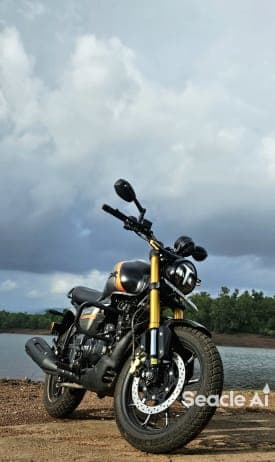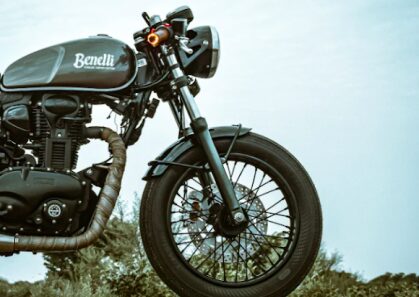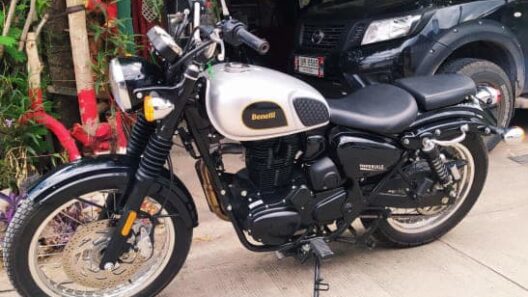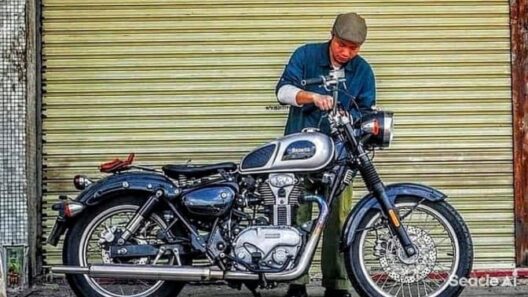
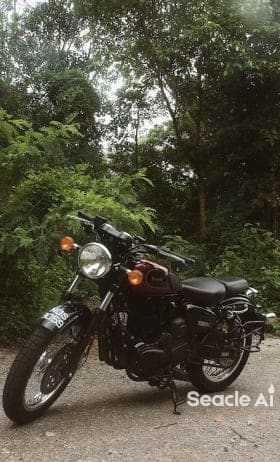

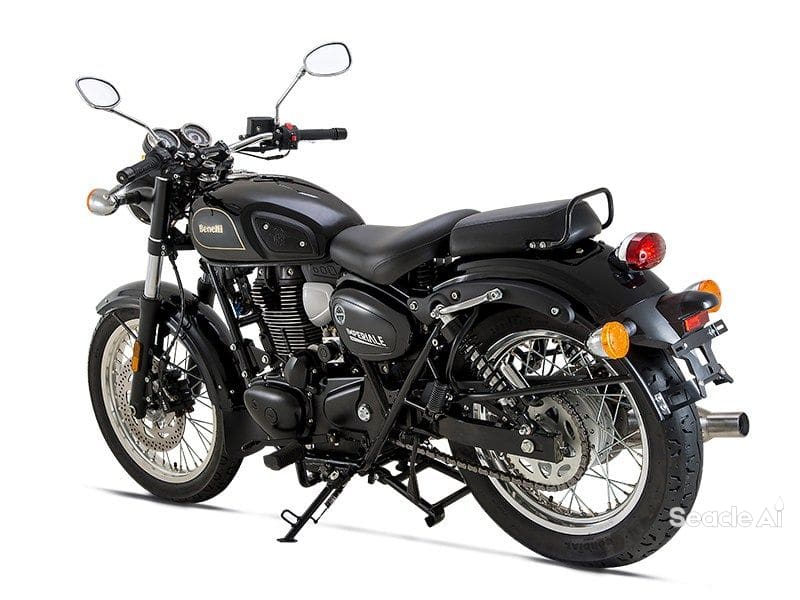
The Benelli Imperiale 400 is a retro-styled cruiser aimed at riders who want classic looks, an easy-going ride, and simple mechanics rather than modern sport-bike performance. In practical terms it’s a city-and-weekend motorcycle with a low seat, upright ergonomics and an engine tuned for relaxed torque rather than high top speed. This review explains what it is, who it suits, one clear limitation, and how it stacks up against the Jawa 42.
Table of Contents
- Key specifications
- Safety, comfort and technology
- Real riding impressions
- Where it works (and doesn’t)
- Benelli Imperiale 400 vs Jawa 42 comparison
- Pros & Cons
- Alternatives and buying advice
- FAQs
- Conclusion
Key specifications
Below are the commonly referenced specifications for the Imperiale 400. Note that regional model years and small updates (2025–2026) may change a few figures; I mark uncertain points naturally below.
- Engine: Single-cylinder, four-stroke (air-cooled in many markets), ~370–375 cc — built for low-RPM torque.
- Peak power: ~20–22 PS (around 15–16 kW) — tuned for midrange pull rather than top-end rush.
- Peak torque: ~28–30 Nm, delivered in the low-to-mid RPM band for easy overtakes in city traffic.
- Top speed: Around 110–120 km/h in real-world conditions; sustained higher-speed touring will feel strained.
- Mileage: Typical real-world: 28–34 km/l depending on city vs highway split; long-run highway economy edges higher.
- Seat height: ~770–780 mm — low for most adults; minimum recommended rider height is about 160 cm to reach the ground confidently.
- Transmission: 5-speed manual gearbox (smooth, with relaxed ratios).
- Kerb weight: Roughly 200–210 kg depending on market accessories.
Confirmed vs expected: the displacement and basic layout are stable across years; reported power/torque numbers and kerb weight vary slightly by market and accessory fit. The minimum rider height guidance (160 cm) is based on seat height and common rider ergonomics — shorter riders usually notice this first.
Safety, comfort and technology
The Imperiale doesn’t chase high-tech gadgetry; it focuses on simple, usable items that match its retro mission.
- Brakes: Front disc with single or dual-channel ABS depending on market and variant; rear drum or disc in some editions. ABS is non-intrusive and tuned for predictable stop feel.
- Suspension: Telescopic forks front, twin shocks rear — comfortable on city roads but shows its limits on broken surfaces and at higher speeds.
- Instrumentation: Analogue-dominant cluster with a small digital insert for odometer/trip — no touchscreen, limited connectivity.
- Comfort: Broad, flat seat and upright bars give relaxed posture for short to medium rides; long days reveal seat cushioning fatigue after 2–3 hours for average riders.
Real-world consequence: the simple suspension soaks up potholes in town, but after several hours on a highway the firmness translates to lower-back pressure — the kind of wear you notice after a 200+ km day.
Check price and availability — if you want a low-tech, easy-to-maintain cruiser, this is worth a look.
Real riding impressions
Short observations from real use rather than specs:
- Throttle is linear and forgiving — handy in dense traffic; it rewards smooth roll-ons rather than aggressive revs.
- Weight distribution feels nose-light at parking speeds, which helps low-speed balancing but becomes apparent when leaning through faster bends.
- Heat from the engine is modest at city speeds but becomes noticeable during extended idling in hot Indian summers.
These mean the Imperiale is pleasant for a daily commute and relaxed weekend rides, but the rider who expects sporty cornering or long high-speed touring comfort will run into limitations.
Where it works (and doesn’t)
Good for:
- City commuting with easy overtakes on medium gaps.
- Weekend leisure rides and local touring with minimal luggage.
- Riders who prefer classic aesthetics and straightforward maintenance.
Not ideal for:
- Long, high-speed highway touring — engine and suspension are not built for sustained 120+ km/h cruising.
- Off-roading or heavy luggage loads — chassis and suspension lack travel and rigidity for those demands.
- Performance-focused riders — the bike emphasizes character over outright acceleration.
Benelli Imperiale 400 vs Jawa 42 comparison
Below is a concise table comparing the two in key areas, followed by short notes explaining the practical differences.
| Item | Benelli Imperiale 400 | Jawa 42 |
|---|---|---|
| Engine & layout | Single-cylinder ~370–375 cc, air-cooled, torquey midrange | Single-cylinder, smaller displacement (~293–300 cc range in Indian models), higher-revving |
| Torque / Top speed / Mileage | ~28–30 Nm / ~110–120 km/h / 28–34 km/l | Similar torque band but often higher peak power; top speed commonly higher (~120–140 km/h); mileage 28–36 km/l depending on riding |
| Key features | Classic styling, simple cluster, focus on low-RPM pull | Cleaner lines, slightly sportier handling, more modern tuning in some variants |
| Price range (approx.) | Often positioned in mid- to upper-mid segment — check local 2025–26 pricing; expect ₹1.9–2.3 lakh ex-showroom (India) as a reference range | Comparable or slightly lower in some trims; Jawa 42 often sits around ₹1.6–2.0 lakh ex-showroom depending on variants and year |
| Tank capacity | ~14–15 L | ~14 L |
| Braking & safety | Front disc + ABS (single/dual channel depending on market); rear disc/drum variants | Disc front + dual-channel ABS in many models; slightly more modern ABS tuning on newer trims |
Notes: The Imperiale leans into relaxed torque and classic ergonomics. The Jawa 42 often feels more eager at higher revs and can be marginally better for riders who like quicker responses. For pure long-distance cruising, neither is ideal compared to a dedicated tourer, but the Jawa’s higher top-end tuning makes it feel less strained at 110–120 km/h.
Pros & Cons
- Pros: Easy-to-ride torque, straightforward maintenance, classic styling that ages well.
- Cons: Limited top-speed comfort, basic tech, possible dealer/parts variability in some regions leading to higher long-term maintenance hassle.
Alternatives and buying advice
If you want a similar retro feel but with more modern tech, consider the Jawa 42 or mid-capacity twins from other makers. If your priority is low-cost maintenance and slow-town cruising, the Imperiale keeps things simple.
Practical purchase tip: sit on the bike for 10–15 minutes at the dealership and, if possible, do a short urban ride. This reveals seat cushioning and throttle response in a way spec sheets cannot. Most people overlook this.
FAQs
What is the minimum height to ride Benelli Imperiale 400?
Minimum recommended rider height is about 160 cm, mainly because the seat height (~770–780 mm) allows a reasonably confident flat-footed stance for riders at or above that height.
How comfortable is the Imperiale 400 for long rides?
Comfort is adequate for 2–4 hour stints. After 3–4 hours you will notice seat cushioning fatigue and some lower-back stiffness—short breaks every 60–90 minutes help. The suspension is tune-for-comfort, not long-haul plush.
Is the Benelli Imperiale 400 good for city commuting?
Yes. The bike’s low-end torque and relaxed gearing make stop-and-go traffic manageable; throttle response is forgiving, which reduces rider stress in dense traffic.
How does maintenance and spares availability compare in India?
Maintenance is straightforward but varies regionally. In major cities spares and service network are fine; in smaller towns, expect delays and potentially higher costs for imported parts.
Conclusion
The Benelli Imperiale 400 is a deliberately simple cruiser: comfortable for town use, pleasingly old-school in looks and feel, and forgiving for newer riders. It’s not a long-distance highway tourer or an off-road bike — the engine and suspension limit those uses. Choose it if you value character, a low-seat stance, and uncomplicated mechanics. Avoid it if you need sustained high-speed touring, aggressive handling, or a feature-rich modern dash.
Final suggestion: if your rides are mostly urban and weekend runs of up to 200 km, this bike fits well. For regular multi-day highway touring or carrying heavy luggage, look at purpose-built tourers or a more modern platform.
Check Price — or visit a dealer and take a measured test ride before deciding.