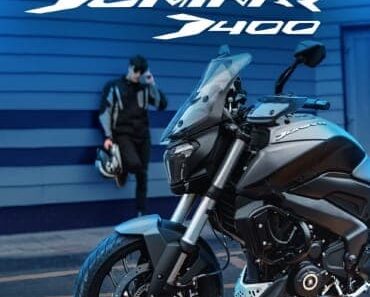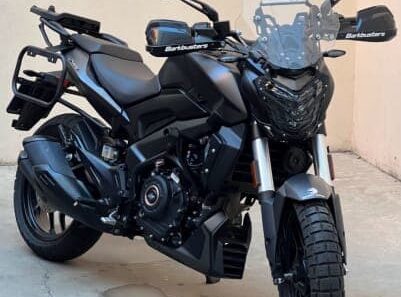

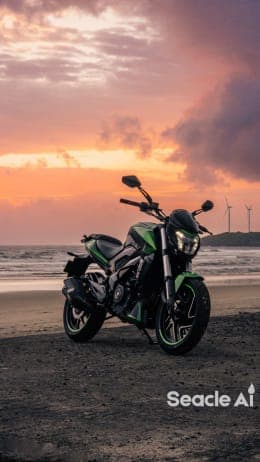

Bajaj Dominar 400 sits in a narrow but useful niche: a heavy, highway-focused single-cylinder sport-touring bike that offers strong mid-range punch without demanding premium maintenance. It’s the kind of bike that will carry you across state highways with less fuss than a full-faired sportbike, yet it isn’t a do-it-all machine — especially when you ask it to go off-road or carry heavy pillion luggage over rough surfaces.
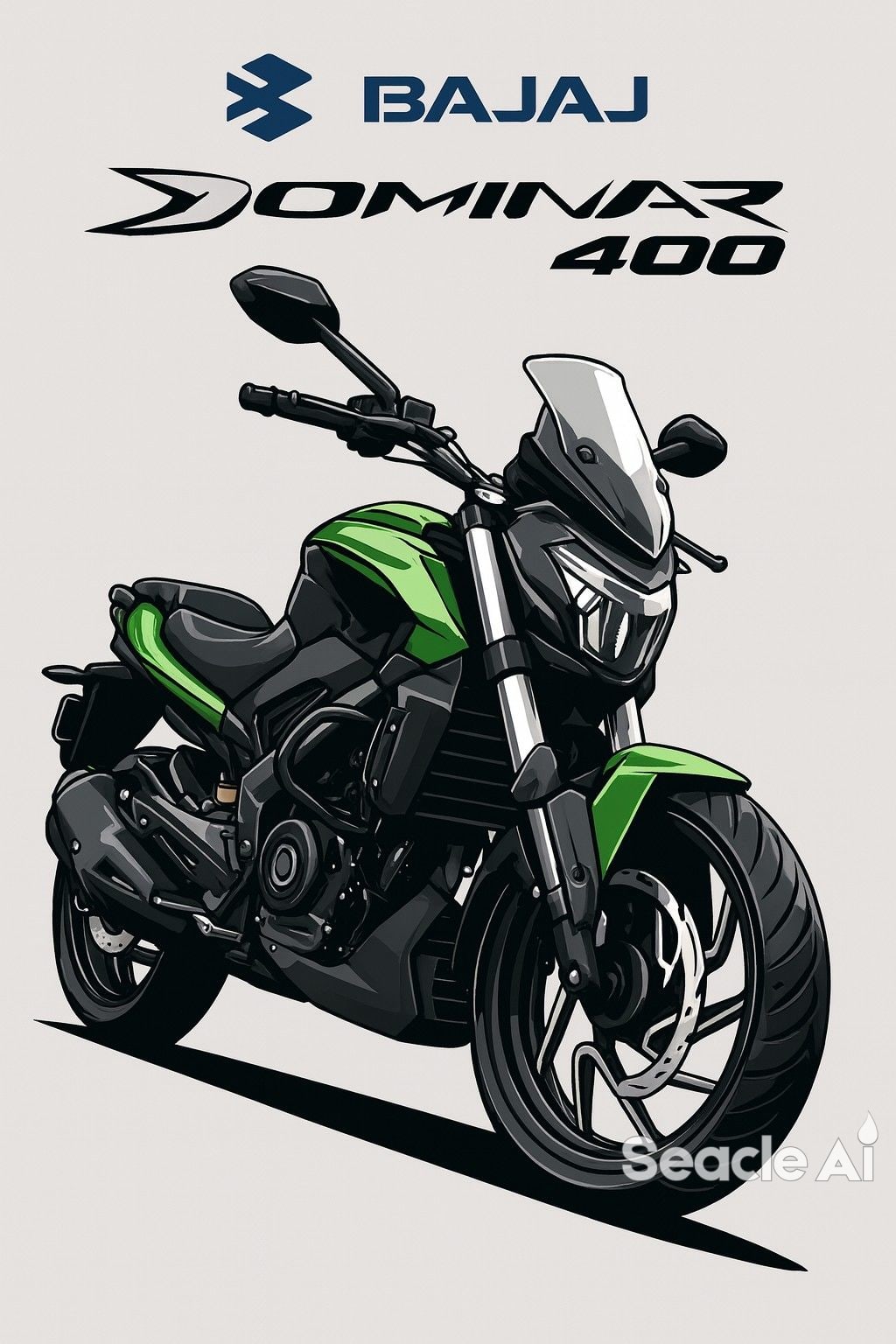
Table of Contents
- Dominar 400 specs — engine, power, torque, top speed, mileage
- minimum height to ride Dominar 400
- Safety, comfort and tech
- Real riding impressions and practical notes
- Dominar vs Apache RR 310 — straight comparison
- Where it falls short
- Who should buy
- FAQs
- Conclusion
Dominar 400 specs — engine, power, torque, top speed, mileage
The Dominar 400 is powered by a 373–375 cc single-cylinder, liquid-cooled DOHC motor paired to a 6-speed gearbox. Confirmed factory figures put peak power around 39–40 PS and peak torque near 34–35 Nm. That translates in real-road terms to confident overtakes in the 60–120 km/h band without needing to wring the engine. Claimed top speed is roughly 140–150 km/h; in everyday conditions expect usable cruising around 100–120 km/h.
- Engine: ~373 cc, liquid-cooled, single-cylinder, DOHC
- Power: ~39–40 PS @ ~8000 rpm
- Torque: ~34–35 Nm @ ~6500 rpm
- Transmission: 6-speed gearbox with slipper/assist clutch (available on recent models)
- Top speed (practical): 140–150 km/h; comfortable cruise 100–120 km/h
- Mileage: realistic urban-to-highway average 25–30 km/l depending on ride style and traffic
- Kerb weight: ~180–188 kg
- Fuel tank: 13 litres
- Seat height: ~800 mm
Measured consequence: the motor gives strong mid-range shove, which reduces rider fatigue during overtakes — you don’t need frantic gear changes on highways. But that extra mass feels in tight city traffic when you’re frequently stopping and pushing the bike at low speeds.
minimum height to ride Dominar 400
The seat height is around 800 mm, which means riders who are at least 160–165 cm tall will find both feet flat or at least one foot flat on the ground in normal riding posture. Shorter riders (below 160 cm) tend to notice balance challenges when stopping on inclines or while manoeuvring low-speed traffic; this becomes more pronounced after long days when fatigue sets in.
Safety, comfort and tech
Key features focus on highway confidence more than gadgetry:
- Dual-channel ABS with disc brakes front and rear — predictable bite under braking.
- LED headlamp and DRL for better night visibility.
- Digital instrument cluster (some model-years include smartphone connectivity and turn-by-turn navigation via an app).
- Split seats with a fairly wide saddle; long rides are acceptable but you’ll feel the difference beyond 4–5 hours.
Practical note: the suspension is tuned on the firmer side to manage the weight and high-speed stability. That helps in sweeping bends, but in badly surfaced rural roads you’ll feel more vibration and rebound than a softer commuter bike — this is where the Dominar shows its design priorities.
Real riding impressions and practical notes
On a two-day highway run the Dominar’s engine behaves like a dependable workhorse — steady, rarely fussy. Fuel consumption stabilises around the mid-20s km/l if you maintain a steady pace; heavy traffic drops that number noticeably. Throttle response is linear; however, in stop-start city use the bike’s mass and torque can make low-speed flicks feel clumsy compared with lighter 250–300cc rivals.
Observation: many riders underrate how seat width affects control — wider seats reduce lateral leg movement, which matters when you need to plant a foot at traffic lights.
Dominar vs Apache RR 310 — straight comparison
The table below gives a focused side-by-side on the items riders actually care about.
| Item | Dominar 400 | TVS Apache RR 310 |
|---|---|---|
| Engine | ~373 cc single, ~39–40 PS | 312 cc single, ~34–35 PS |
| Torque | ~34–35 Nm | ~27–28 Nm |
| Top speed | Practical 140–150 km/h | Practical 150–165 km/h |
| Mileage | ~25–30 km/l (mix) | ~25–30 km/l (mix) |
| Tank capacity | 13 litres | 11 litres |
| Braking & safety | Dual-disc with dual-channel ABS | Disc brakes with dual-channel ABS (RR 310 tuned for sportier stops) |
| Price (ex-showroom, India, ~2025) | Approx ₹2.05–2.25 lakh | Approx ₹2.35–2.65 lakh |
Which one should you choose?
If you want stronger mid-range pulling power for long highway hauls, extra fuel range between fill-ups, and a lower price tag, the Dominar 400 is the pragmatic pick. If you prioritise sharper handling, lighter front-end feel, and sportier ergonomics for twisties or track days, the RR 310 is the better match.
Where it falls short
The Dominar is not designed as an off-roader. Its suspension, ground clearance (mid-150 mm range), and weight make it a poor choice for uneven dirt tracks or long gravel stretches. Also, maintenance on a bigger single can be slightly costlier over time than on smaller commuter engines — chain and tyre wear will be higher if you use it daily in heavy traffic. If you plan to do frequent two-up touring with loaded panniers on rough surfaces, look elsewhere.
Who this suits best
- Commuters who do substantial highway miles and want a one-bike weekend-and-weekday solution.
- Riders who prefer torque-led riding over high-rev horsepower.
- Those on a budget who want near-400cc performance without premium brand servicing costs.
Who should avoid it: riders under 160 cm who need frequent low-speed manoeuvring, and people who need a bike for serious off-road or track-focused performance.
FAQs
What are the key Dominar 400 specs I should know?
Core numbers: ~373 cc engine, ~39–40 PS, ~34–35 Nm torque, 6-speed gearbox, ~13 L tank, seat height ~800 mm, dual-channel ABS. These are the figures you’ll use to compare performance and range.
What is the Dominar 400 mileage in city and highway?
On mixed riding you should plan for 25–30 km/l. In steady highway cruising it can touch the upper 20s; in traffic or aggressive riding expect the mid-20s or lower. Real-world fuel economy depends heavily on speed and traffic conditions.
What is the minimum height to ride Dominar 400 comfortably?
Minimum recommended height is about 160–165 cm to manage stops and balancing comfortably. Shorter riders often notice that foot placement and leverage feel awkward, especially on slopes.
How does the Dominar compare to the Apache RR 310 on brakes and safety?
Both bikes offer dual-channel ABS and good disc braking hardware. The Dominar brakes are tuned for stable highway stops; RR 310 tends to feel sportier and sharper in response. Neither replaces rider judgement — good braking distances need correct tyre choice and maintenance.
Check Price — look up local ex-showroom rates and dealer offers before deciding; taxes and registration vary by state.
Conclusion
The Dominar 400 is a clear-minded choice for riders who want usable highway performance, comfortable ergonomics for medium-distance touring, and a lower entry price than many imported sportbikes. It delivers strong mid-range torque and predictable braking, but it’s heavy, not suited to off-road use, and will show its firmer suspension on bumpy backroads. If you value outright handling precision or track-biased agility, the TVS Apache RR 310 likely serves those needs better. If you want relaxed long-mileage capability and a larger tank, the Dominar is more practical.
Final note: if you frequently ride two-up with loads over rough roads, or you’re below 160 cm, consider test-riding alternatives first. This matters more than it seems.
Compare Options — visit local showrooms for seat fit and a short test ride before committing.
SEO-friendly URL slug: bajar-dominar-400-review-specs-comparison
Meta title: Bajaj Dominar 400 Review — Specs, Practical Notes & Comparison
Meta description: Bajaj Dominar 400 explained: engine, power, torque, top speed, mileage, seat height and real-riding limits for buyers in 2025–26.
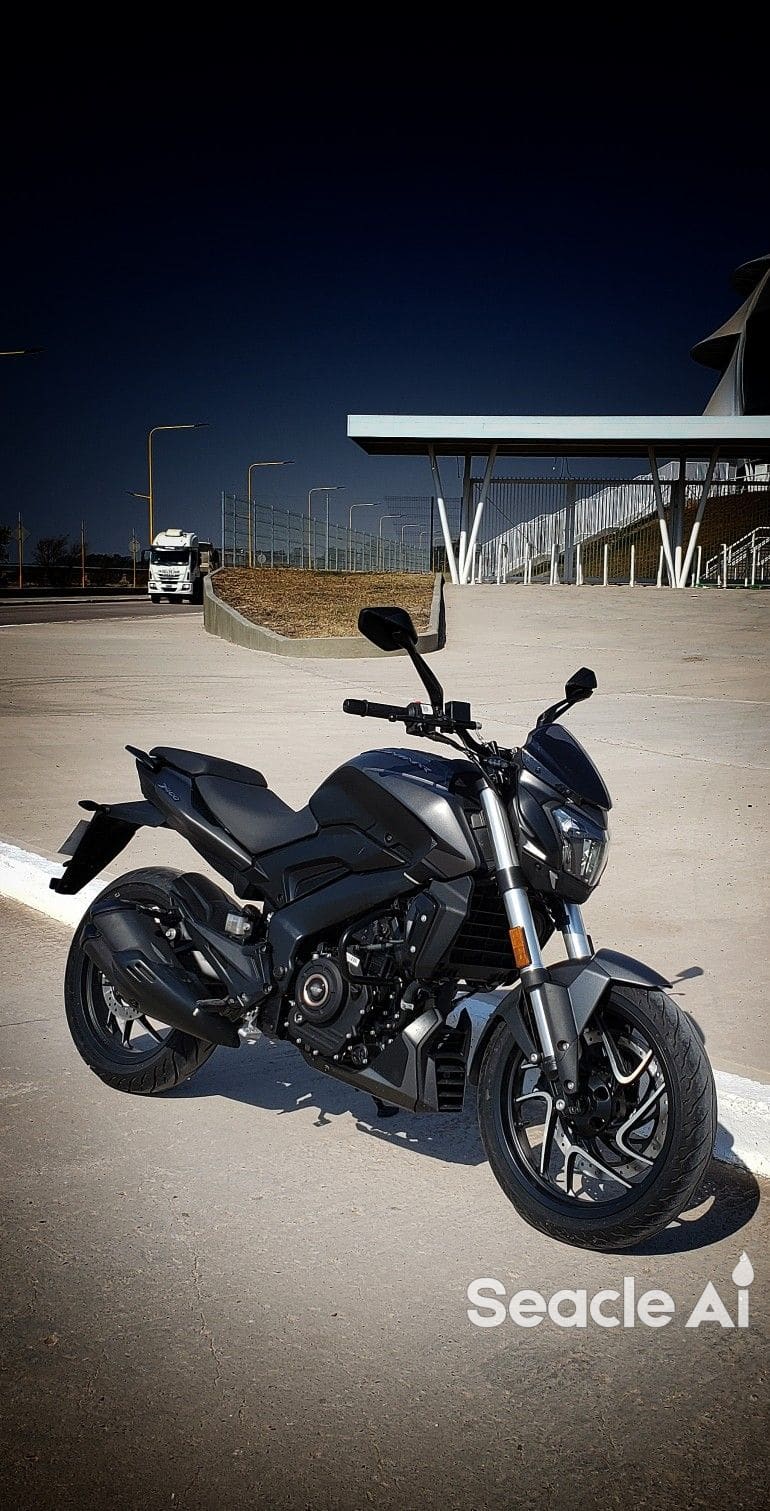
Image alt text: Bajaj Dominar 400 parked on highway showing profile and fuel tank