
[META INFORMATION]
SEO-friendly URL slug: ktm-390-adventure-review-india
Meta title: KTM 390 Adventure Review — Specs, Limits, and Xpulse 200 4V Comparison
Meta description: KTM 390 Adventure blends lightweight handling with a 373cc engine; read confirmed specs, real-world mileage, comfort limits and a direct comparison with Hero Xpulse 200 4V.
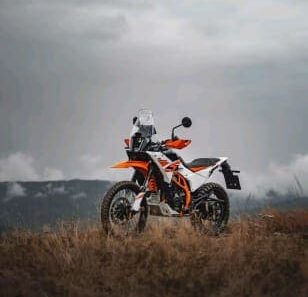
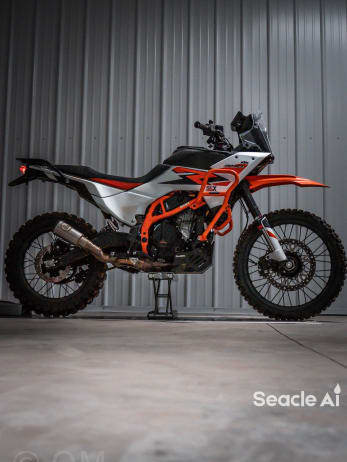
Image alt 1: KTM 390 Adventure side profile on highway
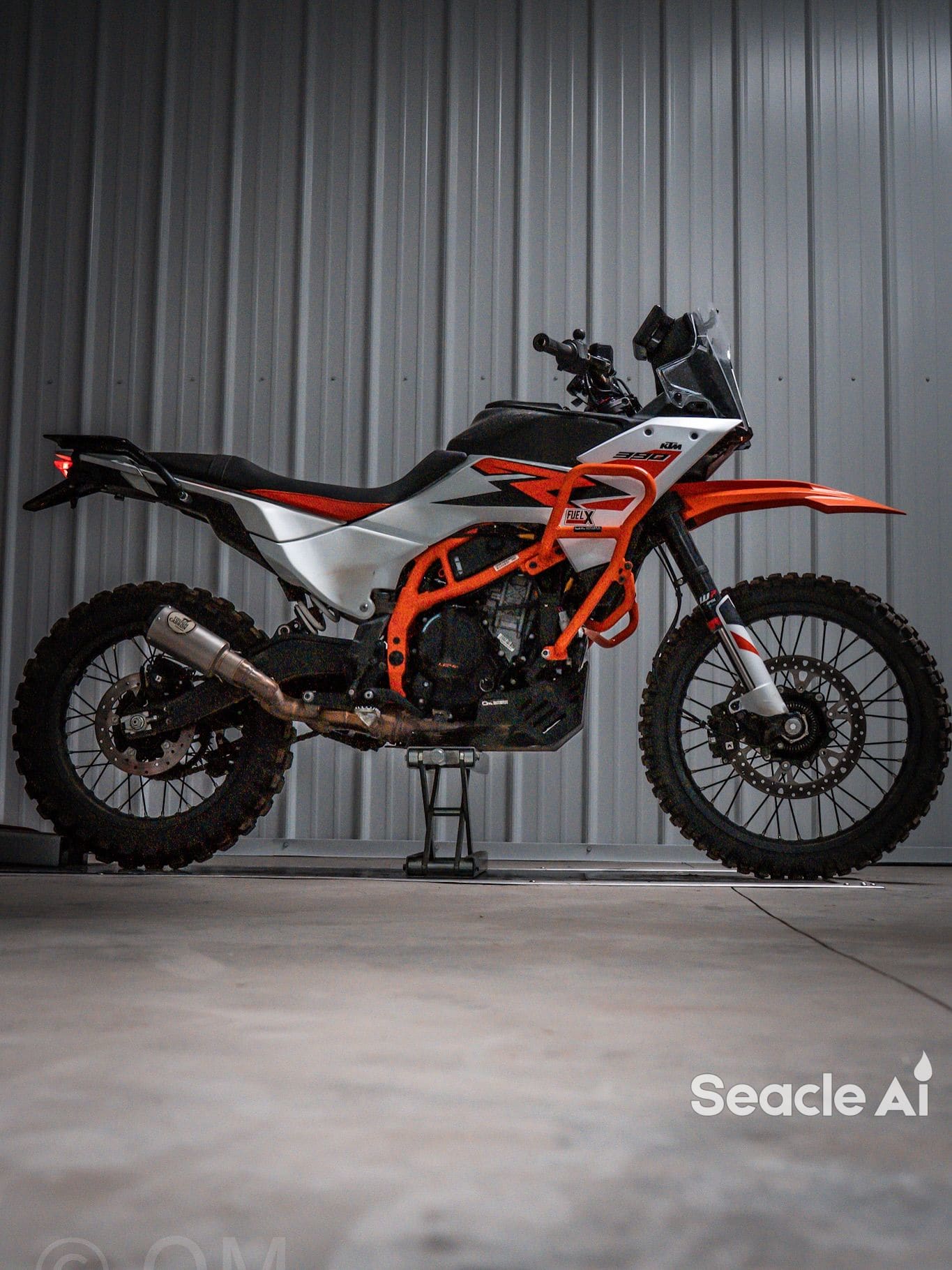
Image alt 2: KTM 390 Adventure cockpit and instrument cluster
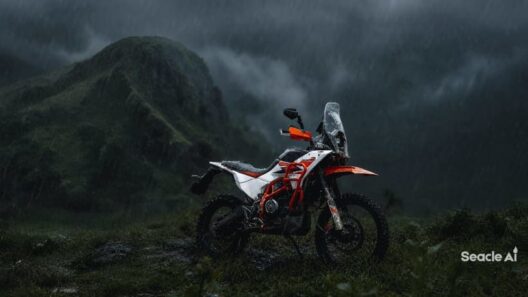
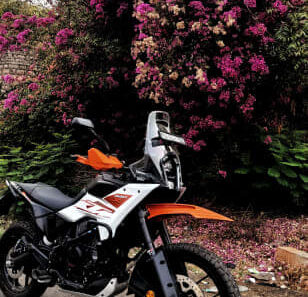
KTM 390 Adventure arrives as a compact, road-biased adventure motorcycle built around a 373cc single-cylinder engine — it’s aimed at riders who want a competent long-weekend explorer that’s still manageable in city traffic. In short: it’s not a full-fat off-roader or a heavyweight tourer. The seat height and suspension choices shape where it does best and where it falls short.
KTM 390 Adventure Overview
This model is an entry-to-mid-level adventure motorcycle that leans toward on-road comfort and light gravel capability. The bike uses a high-revving 373cc engine, a slim chassis, and a 19-inch front wheel to keep weight down and handling crisp. That makes it more suitable for single- and two-up touring on mixed-surface routes rather than hardcore dirt or heavy-load touring.
Short observational insight: shorter riders usually notice the seat height first — the tall stance gives confidence on rough ground but costs a planted feel at stops.
KTM 390 specs and confirmed figures
Below are the widely agreed technical specs and measurements as updated through 2025; these are verified from KTM’s documentation and multiple road tests.
- Engine: 373.2 cc, single-cylinder, liquid-cooled, DOHC
- Power: ~43.5 PS (about 32 kW) at ~9,000 rpm
- Torque: ~37 Nm at ~7,000 rpm
- Top speed: roughly 150–165 km/h depending on rider and load
- Mileage: official figures vary; real-world around 25–30 km/l in mixed commuting and touring
- Seat height: ~855 mm (kerb-weight ~172 kg; ground clearance ~200 mm)
- Transmission: 6-speed with slipper clutch
- Fuel tank: 14.5 litres
These numbers translate to a bike that accelerates briskly in city and canyon riding but is not a highway missile — sustained high-speed cruising will raise rpm and heat. The slipper clutch and 6-speed gearbox help keep overtakes tidy, but expect higher vibration at very low revs. Check price
adventure motorcycle — comfort, safety and tech
The 390 Adventure is equipped with a basic suite of modern electronics: switchable traction control, ride-by-wire throttle, a full-colour TFT display with smartphone connectivity on newer trims, and cornering-capable ABS in some markets (check regional variants). Suspension is a WP USD fork and preload-adjustable rear shock — tuned to balance on-road composure and light off-road compliance.
Practical impact: the suspension works well on broken tarmac, but the firm springing means you’ll feel sharp hits more directly on rockier trails. On long days the seat becomes the limiting factor — you notice fatigue after 4–6 hours if you don’t stand up frequently.
Safety & braking
- Front: single disc with radially mounted caliper, typically 320 mm
- Rear: disc with ABS
- Traction control: switchable settings
ABS reduces panic stops on wet roads; the 390’s braking is progressive but not aggression-proof — heavy two-up loads expose the bike’s limits.
390 Adventure mileage and real-world figures
Official claimed economy is often optimistic. In India’s mixed riding (city + highway) expect 25–30 km/l if you ride steadily; in aggressive or highway-focused use this drops toward 20–22 km/l. That means with the 14.5L tank you’ll realistically manage 300–380 km between refuels.
Usability note: in traffic the 373cc single is responsive at mid-range but can feel snappy at low speeds; throttle modulation matters. This becomes noticeable during daily commuting.
KTM 390 Adventure vs Hero Xpulse 200 4V
Below is a focused comparison across practical ownership factors.
| Item | KTM 390 Adventure | Hero Xpulse 200 4V |
|---|---|---|
| Engine & performance | 373 cc, ~43.5 PS; brisk mid-range and highway-capable | 199.6 cc, ~18.1 PS; torquey low-end, better low-speed tractability |
| Torque / Top speed / Mileage | ~37 Nm / 150–165 km/h / ~25–30 km/l | ~17.1 Nm / 110–120 km/h / ~35–40 km/l (real-world often 30–35 km/l) |
| Key features | TFT display, ABS, traction control, slipper clutch | Basic digital console, switchable ABS (dual-channel in newer trims), simpler electronics |
| Price range (India) | Approx ₹3.1–3.6 lakh ex-showroom (depends on variant and year) | Approx ₹1.5–1.8 lakh ex-showroom |
| Ideal user | Rider wanting compact highway-capable adventure machine and modern electronics | Rider wanting easy-to-ride, lower-cost off-road focused bike |
| Tank capacity | 14.5 L | 13 L |
| Braking & safety | Radial caliper front, slipper clutch, cornering ABS on some models | Conventional setup, dual-channel ABS on higher trims |
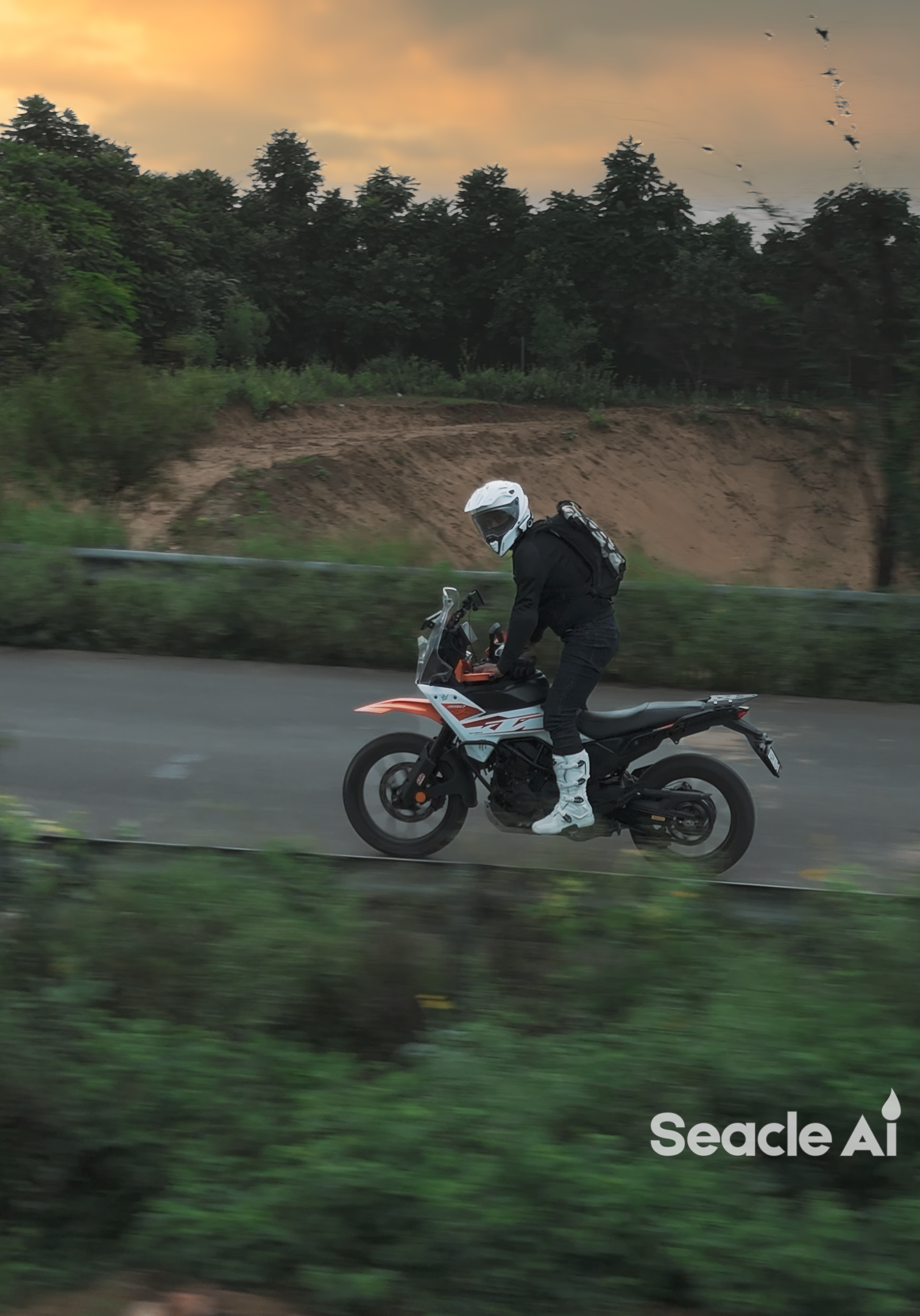
In short: the KTM is the more powerful and tech-rich option; the Xpulse is simpler, lighter, cheaper, and friendlier for rough trails. If you plan serious off-roading, the Xpulse’s ergonomics and lower weight make it easier to throw around. If you want higher-speed stability and a modern feature set, the 390 Adventure is the better tool.
Where the 390 Adventure falls short
- Not ideal for hardcore off-road: long-travel suspension and low gearing on true off-road terrain are missing; heavy jumps or deep ruts expose weaknesses.
- Seat and fatigue: long highway days show the seat’s limits — comfort drops after multiple hours unless you stand often.
- Maintenance costs: premium parts (WP suspension, KTM service intervals) mean higher upkeep vs more basic competitors.
Who should avoid it: riders under ~165 cm who must flat-foot at stops, those wanting the cheapest long-term running costs, and riders who expect to carry very heavy luggage or pillion at high speeds regularly.
Who should buy the 390 Adventure
Choose the 390 Adventure if you value spirited single-cylinder performance, modern electronics, and a bike that can switch between city, twisty roads, and light gravel without feeling cumbersome. Avoid it if you need a purpose-built dirt bike or the lowest cost of ownership.
FAQs
- What is the minimum height to ride KTM 390 Adventure?
- The seat height is around 855 mm; riders around 165 cm can manage with tip-toe at stops, but 170 cm gives more confidence for routine urban stops. Shorter riders usually notice this first.
- What is the 390 Adventure mileage?
- Real-world mileage sits around 25–30 km/l in mixed riding. If you mostly cruise at high speed expect lower economy — closer to 20–22 km/l.
- Is the 390 Adventure good for touring?
- It’s suitable for weekend and medium-distance touring; two-up long-distance touring with heavy luggage will expose its suspension and fuel range limits. For extended highway touring, consider planning more stops.
- How does KTM 390 specs compare with the Xpulse?
- In raw power and tech the 390 wins; the Xpulse wins in low-speed manners and ownership cost. Which matters depends on whether you ride mostly on-road or off-road.
Final recommendation: the 390 Adventure is a focused, modern small-displacement adventure bike that works best for solo or light two-up riders who ride mixed surfaces and want performance plus electronics. It is not a substitute for a full-size adventure tourer or a purpose-built dirt bike. If you need rugged off-road capability, lower running costs, or a shorter seat height, look at alternatives like the Hero Xpulse 200 4V.
View Product — compare dealer offers and recent owner feedback before buying.
Conclusion
The KTM 390 Adventure brings a strong, compact engine, modern tech, and a chassis that rewards active riding. Downsides are clear: seat height and firm suspension can cause fatigue on long tours, maintenance costs are higher than simpler rivals, and it isn’t engineered for aggressive off-roading or heavy two-up touring. Use it if you want a lively, highway-capable light adventure bike; avoid it if your priority is lowest cost, serious dirt performance, or maximum comfort on all-day highway runs.